Extreme cold: how long should you walk your dog?
Published October 26, 2026 · Updated November 17, 2026
In short : In extreme cold, go for two or three short outings instead of one long walk. A few minutes may be enough for a small short-haired dog; a big northern breed handles much more. Wind, moisture, coat and age all make a difference.
This article contains affiliate links: if you buy through them, Cozzzypets may earn a small commission at no cost to you. As an Amazon Associate, we earn from qualifying purchases.
Your dog needs to move, even in January. But when the temperature plunges, the long Sunday walk isn’t always a good idea. The same question comes back every winter: how long can you stay out? There’s no magic number that works for every dog. The AVMA (American Veterinary Medical Association) simply recommends keeping walks short when it’s very cold and adjusting to your dog. Here’s how to do that in practice.
The golden rule: several short outings
Instead of an hour outside, go for two or three shorter outings during the day. Your dog does their business, stretches their legs, sniffs around a little and comes home before getting cold. For a small short-haired dog, a few minutes may be enough on a truly frigid day. A big northern breed with a thick coat will handle much more, and may give you a funny look when you decide to head home.
Cornell University’s Riney Canine Health Center offers a simple rule of thumb: if it’s too cold for you, it’s likely too cold for your dog. In other words, if you can’t wait to get back inside despite your coat, mitts and hat, it’s time to turn around.
What makes a difference
The number on the thermometer doesn’t tell the whole story. Four things matter just as much.
- Wind. It chills far more than the temperature suggests. Check the wind chill before heading out and pick a sheltered route: streets lined with houses or a wooded trail rather than a wide open field.
- Moisture. A wet dog gets cold much faster. Slush, freezing rain or a coat still damp from a bath all shorten the outing. The American Kennel Club (AKC) recommends drying your dog thoroughly before a walk.
- Coat and size. A husky or a Bernese mountain dog has a dense undercoat that insulates. A greyhound, a boxer or a chihuahua doesn’t. Small dogs are also closer to the frozen ground and lose heat more quickly.
- Age and health. According to the AKC, small dogs, puppies, seniors and short-coated dogs lose body heat more rapidly. An older dog may also be less steady on ice.
Read your dog, not just the thermometer
The best gauge is your dog. Cornell lists the signs that a dog has had enough: shivering, whining or barking, a tucked tail or hunched posture, lifting paws off the ground, reluctance to walk, or sudden anxiety. As soon as you see one of them, head for a warm, dry place.
Ears, paws and the tip of the tail are the body parts most exposed to frostbite, according to Cornell. A dog who shivers a lot, seems sluggish or doesn’t warm up once home needs to be seen: call your veterinarian right away. To spot these signals more easily, read Is my dog cold? 7 signs to watch for.
Three profiles, three ways to walk
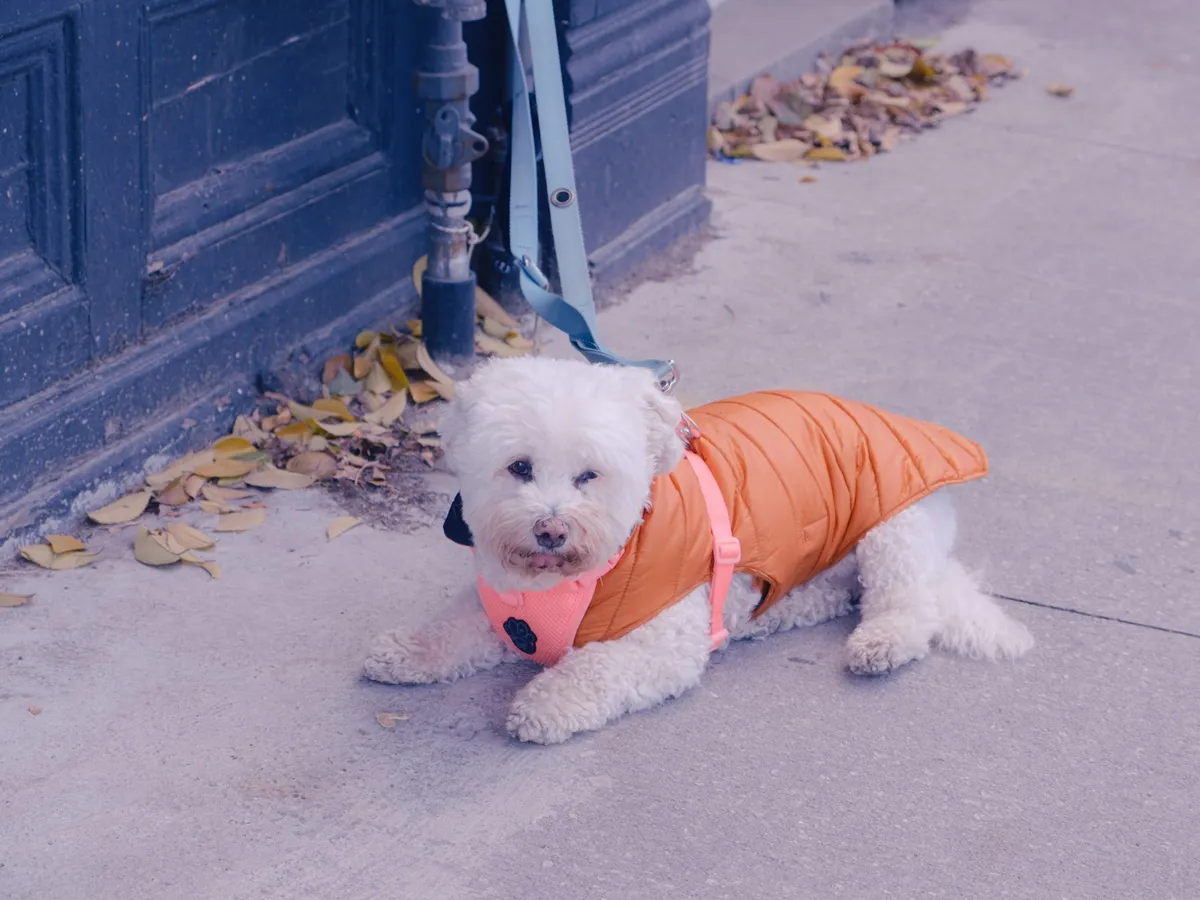
The small short-haired dog. Chihuahua, Yorkie, miniature pinscher, Italian greyhound: in extreme cold, think lightning-quick outings. Out, business done, a stroll to the corner if all is well, and back in. A coat and boots make a real difference for comfort.
The medium dog with an ordinary coat. Beagle, spaniel, Lab, mixed breed: they tolerate cold better, but not forever. Cut the usual walk in half, keep moving instead of taking long breaks, and watch for lifted paws.
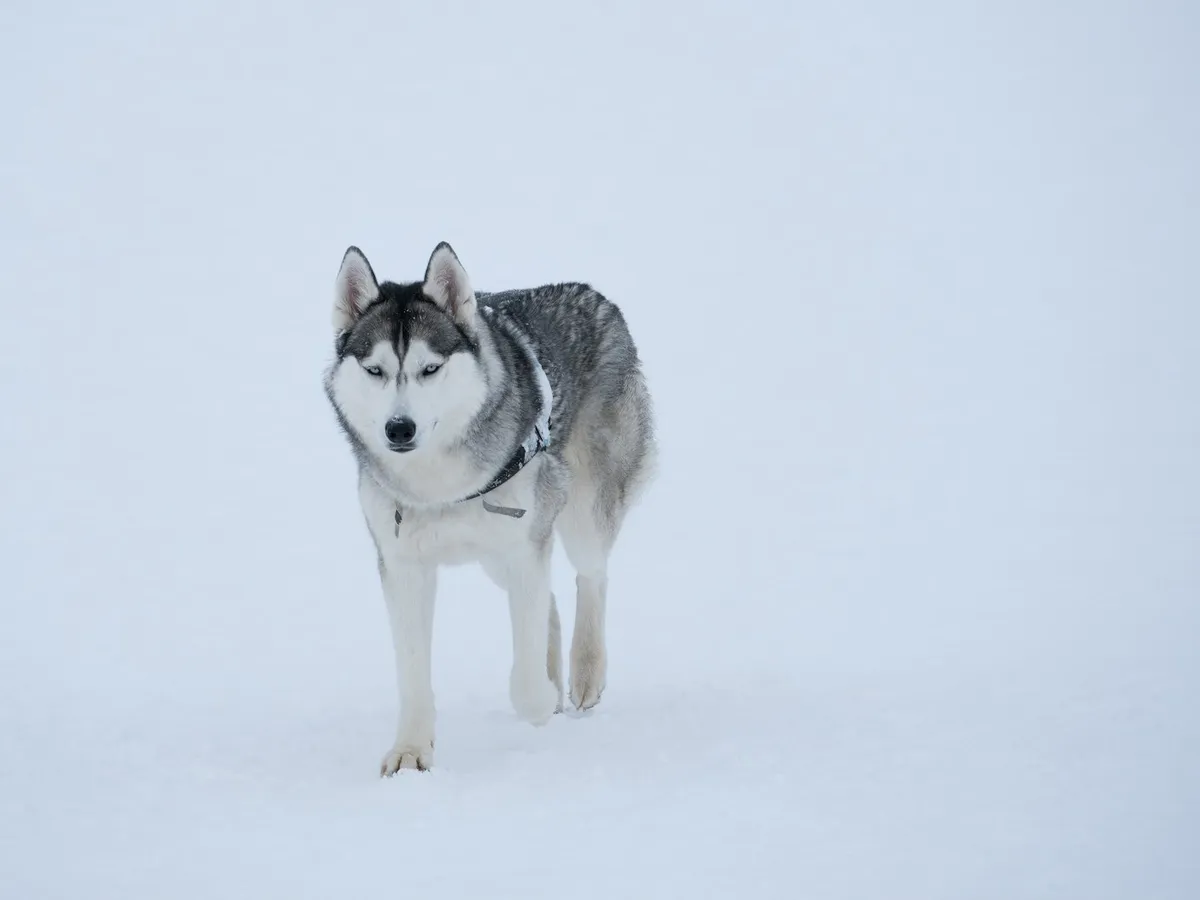
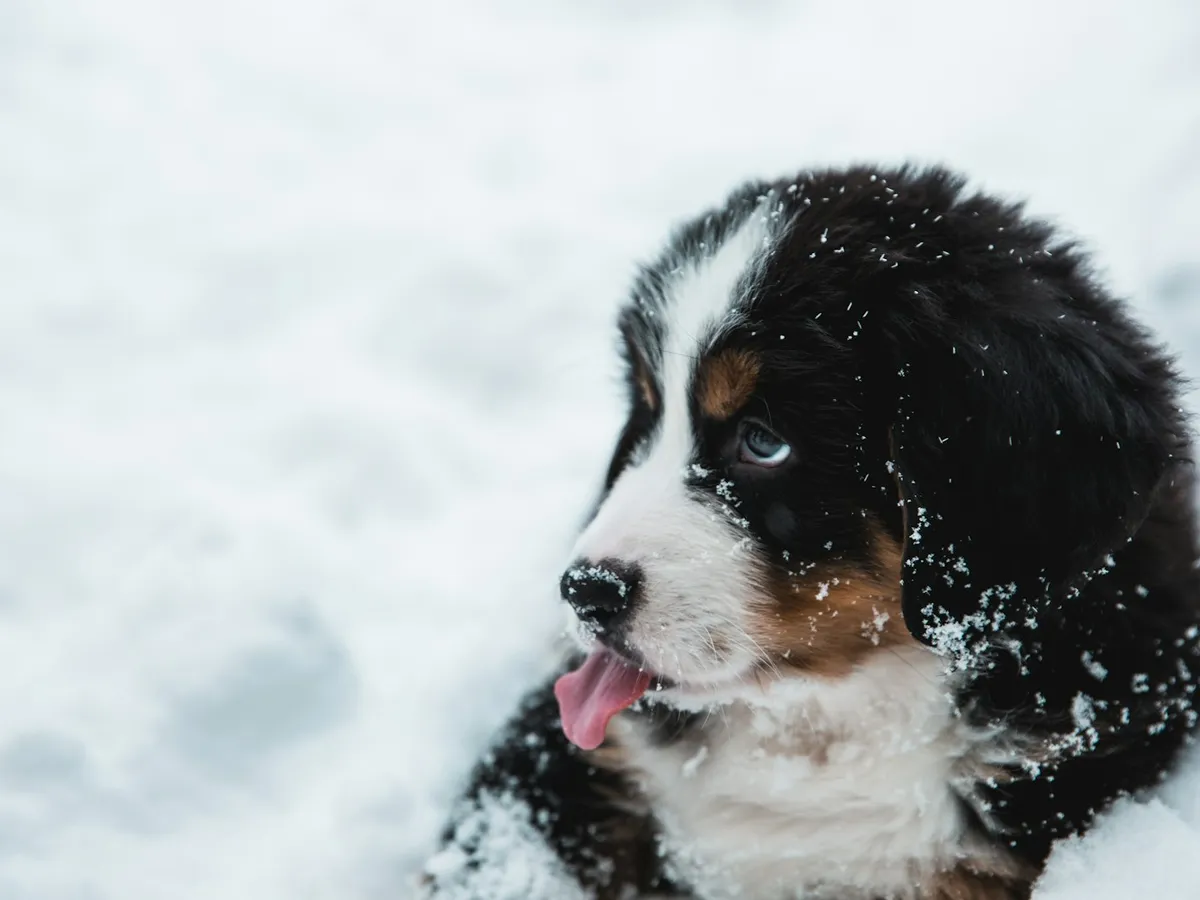
The northern or double-coated dog. Husky, malamute, Samoyed, Bernese: they’re in their element and snow is their playground. They’re still exposed to salt, ice between the pads and frozen water. They get cold eventually too, especially when the wind picks up.
Gear up before heading out
- A coat. Cornell recommends a jacket or sweater for small, older or thin-coated dogs. A padded hooded coat blocks the wind on walks. A garment that covers the belly and chest also keeps snowballs from clinging to the fur.
- Boots. They protect paws from salt and from snow packing between the pads. Our non-slip boots, sold as a set of 4, are designed for small dogs. Try them indoors for a few minutes before the first outing: the first steps are often hilarious.
- Paw balm. If your dog won’t tolerate boots, Cornell suggests applying balm to the paw pads to help prevent cracking.
- Visibility. It gets dark early in winter. Wear reflective gear and bring a light. Cornell also advises against expandable leashes on ice: a fixed leash helps you keep your footing if your dog pulls.
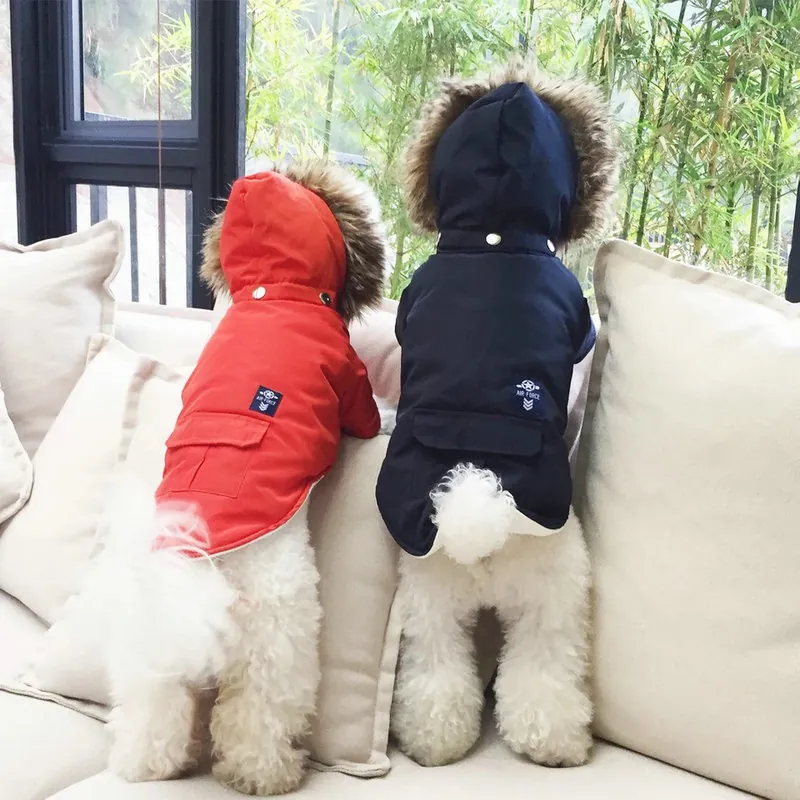 At CozzzypetsHooded winter coat
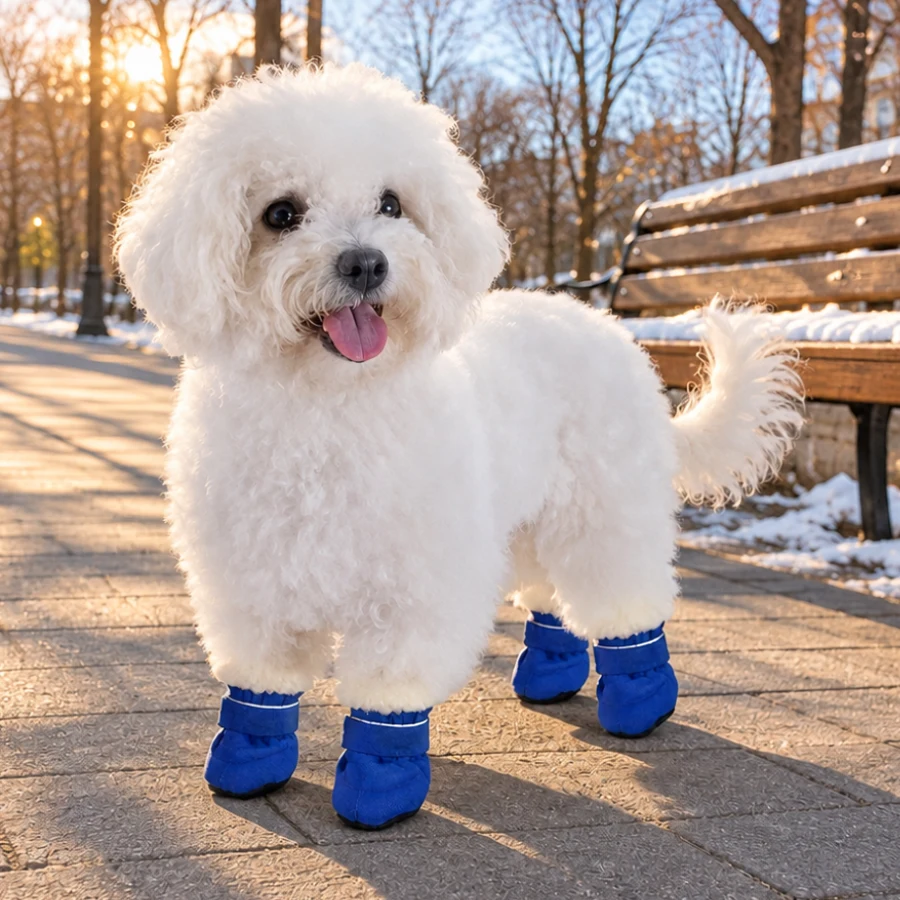 At CozzzypetsNon-slip winter boots (set of 4)
Back home: two minutes that count
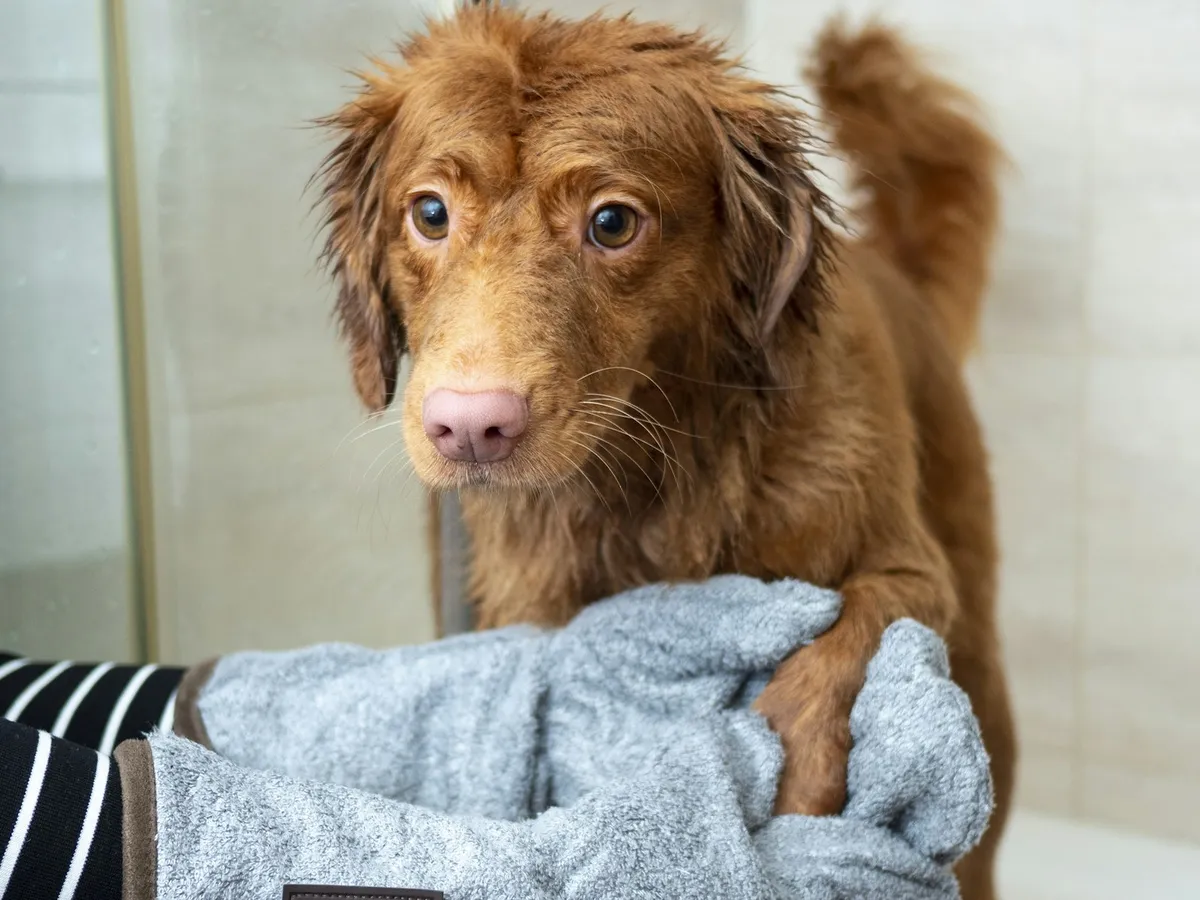
Wipe the paws, legs and belly with a microfiber towel to remove snow, ice and salt, as the AVMA and Cornell both recommend. Remove the little snowballs lodged between the toes and check the pads for cuts or cracks. A dog who licks their paws after walking on a salted sidewalk swallows de-icer: wiping solves the problem at the source. Our article on cleaning paws after a winter walk walks through the routine.
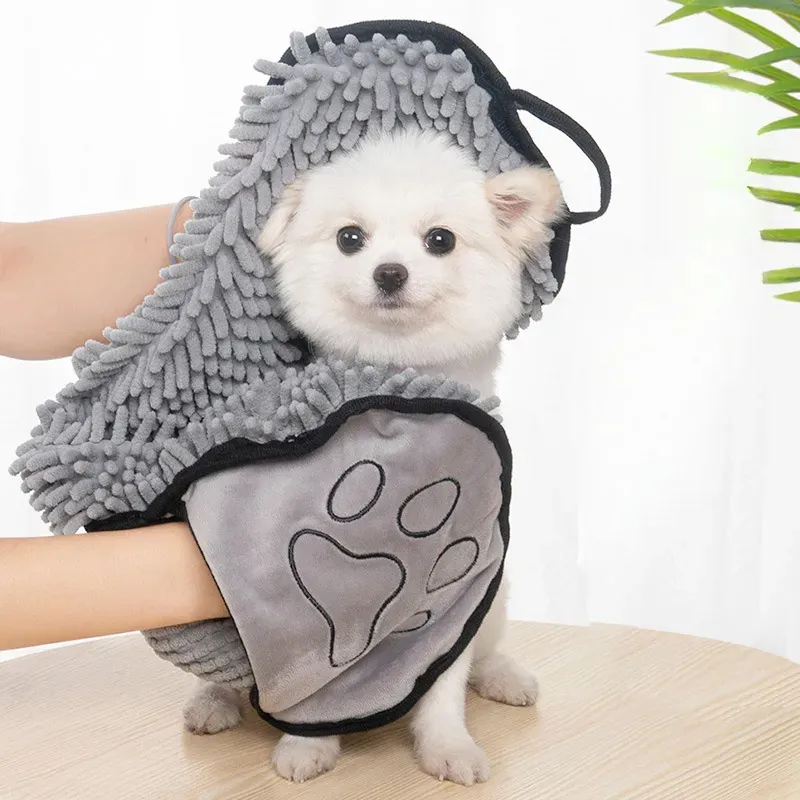 At CozzzypetsUltra-absorbent microfiber towel
What about the rest of that energy?
A five-minute outing won’t tire out a young dog. On bitterly cold days, burn energy indoors:
- “Find it.” Toss a piece of kibble near your dog and say “find it,” praise when they get it, then hide pieces farther and farther away. It’s one of the scent games suggested by the ASPCA.
- Puzzles. A treat puzzle game makes them slide and turn pieces to find the reward. Serve part of the day’s food in it.
- A homemade course. Under a chair, around a cushion, over a broom handle lying on the floor: the ASPCA suggests building a small agility course with furniture.
- Five minutes of learning. “Sit,” “stay,” “touch” or a brand-new trick: thinking is tiring too.
For more ideas, read How to keep your dog busy indoors.
Frequently asked questions
At what temperature is it too cold to walk my dog?
There’s no single threshold. Breed, size, coat, age, wind and moisture change everything. Rely on Cornell’s rule of thumb (too cold for you, likely too cold for them) and on the signs your dog gives you.
My dog refuses to go out in the cold. Should I force it?
No. Go out just long enough for a bathroom break, then come back in. A coat and boots may help your dog enjoy winter more. Make up for it with indoor games.
Does my dog really need boots?
Not always. They’re most useful on salted sidewalks, for small dogs and for dogs whose fur between the toes collects snow. Without boots, wipe the paws well when you get home.
Can I leave my dog in the car while I run an errand?
The AVMA and Cornell advise against it, in winter as in summer: a parked car cools down very quickly and can become dangerously cold.
Should I feed my dog more in winter?
It depends on activity. According to Cornell, a dog who spends a lot of time outdoors burns more energy, while a dog who is less active in winter may need to eat less. Your veterinarian can guide you.
Sources: AVMA, Cold Weather Animal Safety · Cornell Riney Canine Health Center, Winter safety tips · AKC, Hypothermia in Dogs · ASPCA, Canine DIY Enrichment