10 ways to keep your dog busy indoors when it’s too cold out
Published October 26, 2026 · Updated November 17, 2026
In short : Focus on nose work and brain games, which tire a dog as much as a long walk: treat puzzle, snuffle ball, lick mat, treasure hunt, a few minutes of obedience or a new trick. Several 10 to 15-minute sessions beat one long one.
When it’s −30 with the wind chill, freezing rain is falling or a storm closes the schools, the long walk can wait. But a dog that doesn’t burn energy quickly finds their own hobbies… often in your shoes or the sofa cushions. Good news: you don’t need a big living room or a free hour. Nose work and brain games keep a dog nicely busy, and the American Kennel Club (AKC) suggests several indoor games you can play with things you already have at home. Here are ten ideas, from the calmest to the most active.
1. The puzzle toy
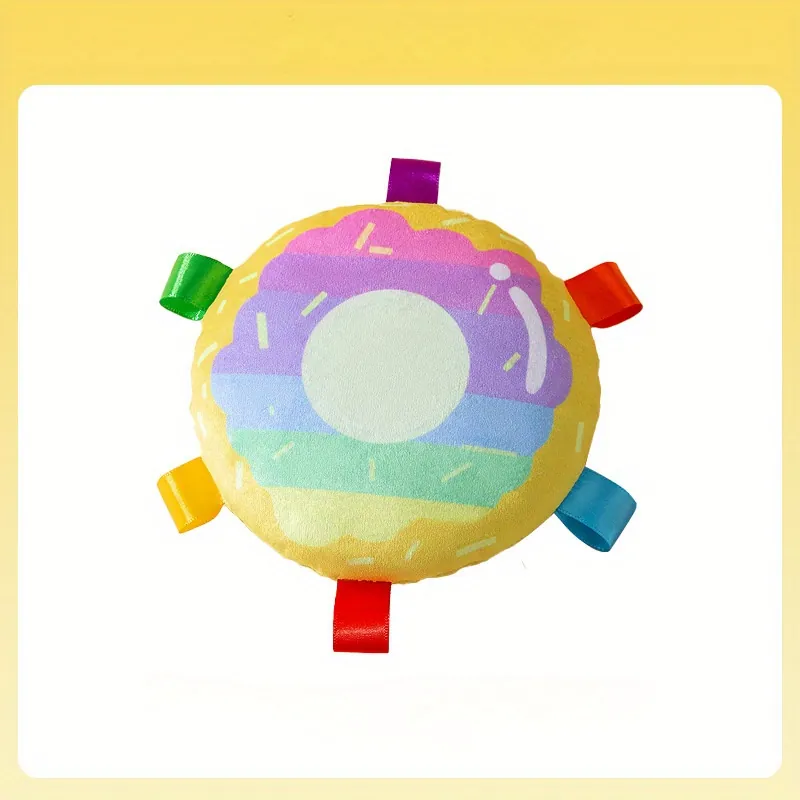
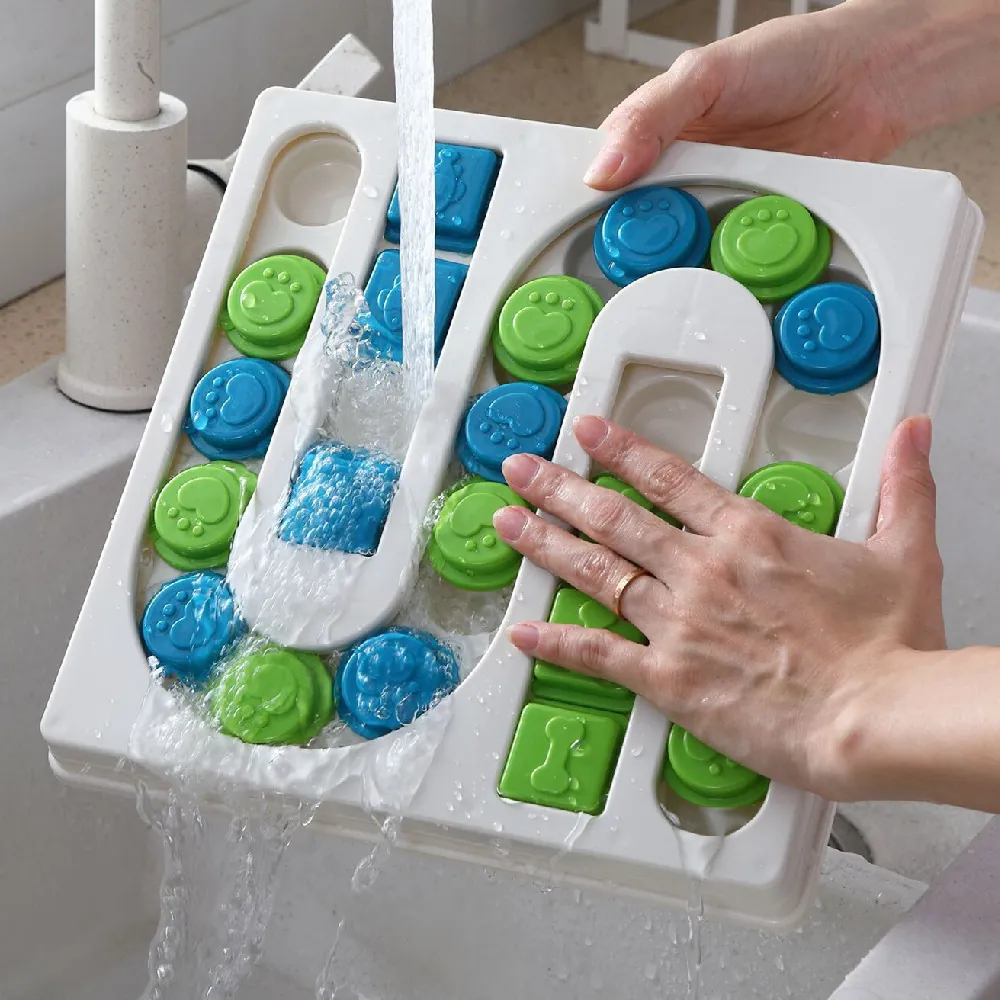
A treat puzzle asks your dog to slide and turn pieces to uncover rewards. It’s the perfect activity while you work from home or while dinner cooks.
 At CozzzypetsTreat puzzle game
How to do it: the first few times, leave some compartments open and show them how it works. If they succeed quickly, they’ll want to try again; if they get discouraged, they’ll give up on the game. Increase the difficulty gradually and use part of the day’s kibble rather than extra treats.
2. The snuffle ball
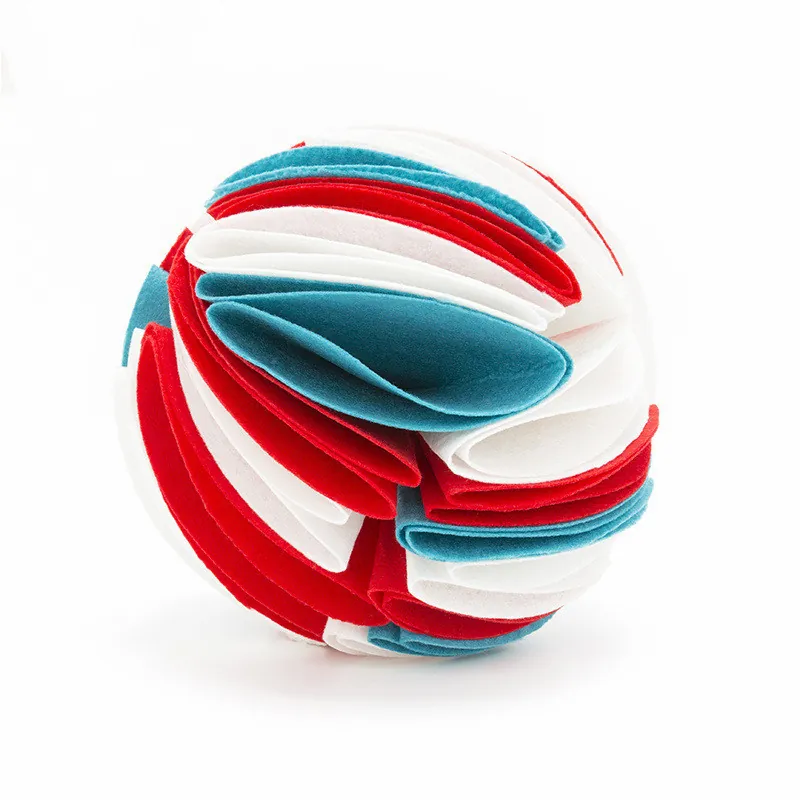
In nature, a dog spends a good part of the day searching for food with their nose. The snuffle ball recreates that: you hide kibble in its fabric folds, and they dig with their muzzle to find it. The AKC recommends snuffle mats and toys, which let you adjust the difficulty.
 At CozzzypetsSnuffle ballFrom
How to do it: at first, leave a few pieces of kibble sticking out. Then tuck them in deeper. Ideal for dogs who love to sniff and for those who need gentle activity.
3. The meal that lasts
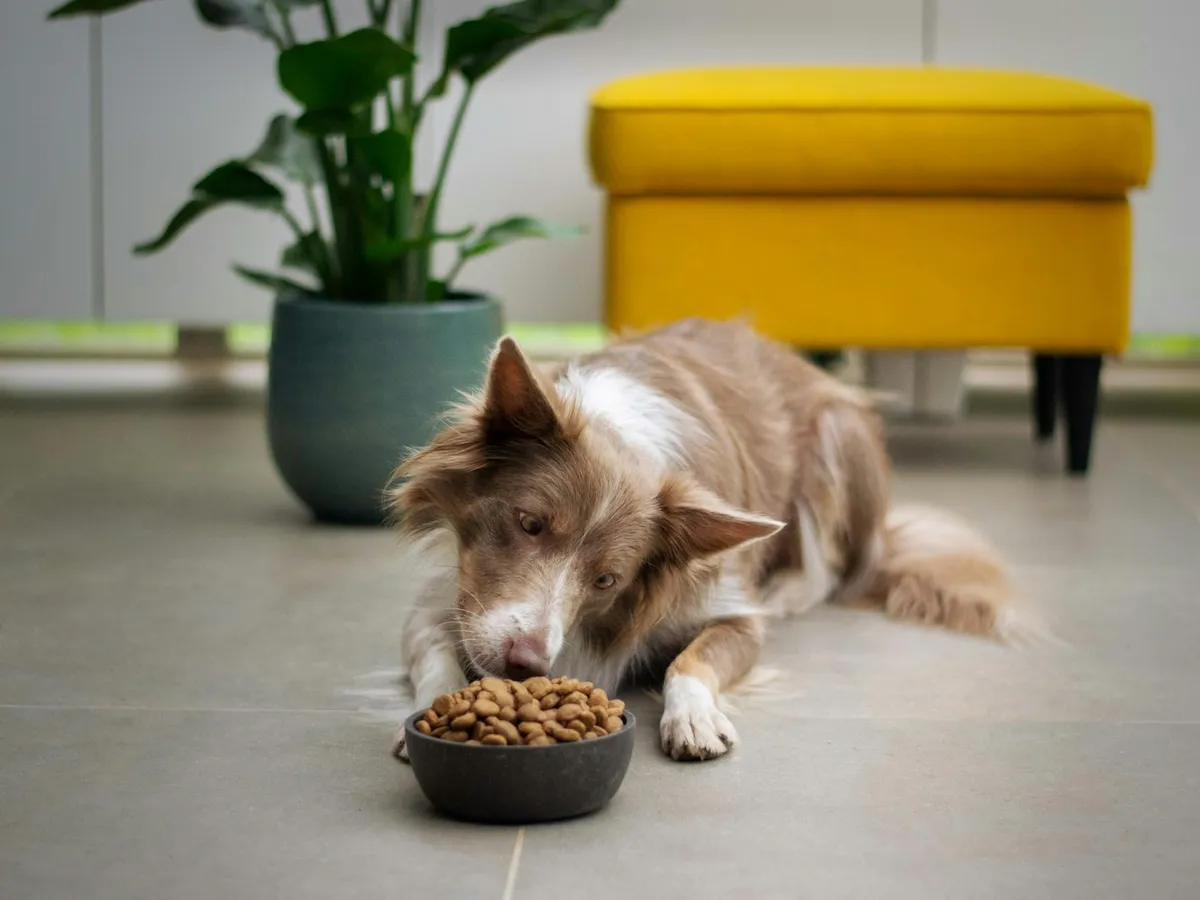
Why serve a meal in a bowl, gone in 45 seconds, when it can keep your dog busy for ten minutes? Pour part of their ration into the slow feeder tumbler: kibble drops out piece by piece as they roll it with nose or paw.
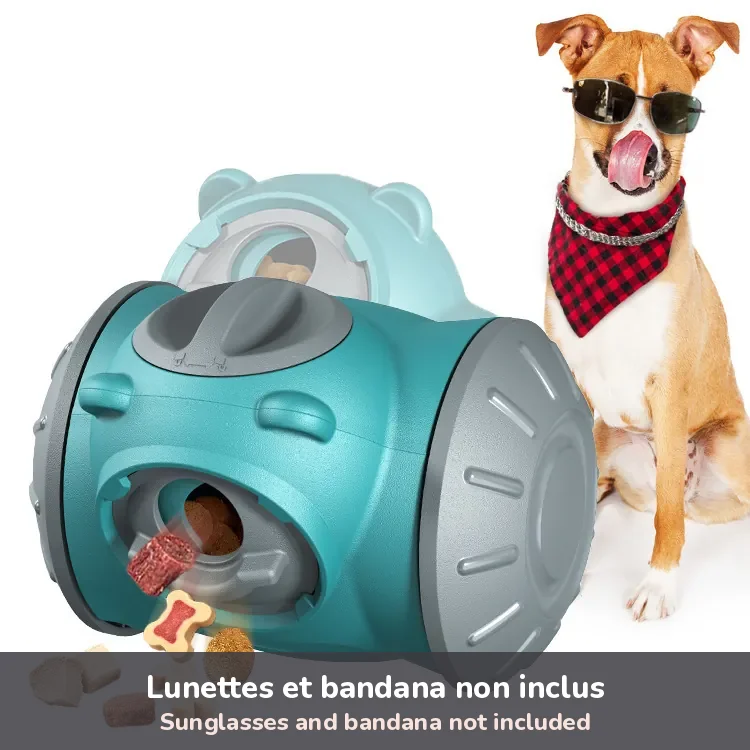 At CozzzypetsSlow-feeder tumbler
How to do it: use it in an open room so it doesn’t roll under furniture. It’s a ready-made activity for breakfast on storm days.
4. The lick mat
Licking is a calm activity that occupies a dog without winding them up. Spread a little of their usual wet food on the lick mat and stick it to the floor or wall with its suction cups.
How to do it: pop it in the freezer for about thirty minutes so it lasts longer. Save this activity for the end of a play session: it’s a great way to bring the energy back down.
5. The treasure hunt
No gear needed. While your dog waits in another room, hide ten or fifteen pieces of kibble around the living room: at the foot of a chair, behind a table leg, on the edge of a step. Say “Find it!” and let them work.
How to do it: the first few times, hide them in plain sight while they watch. Once they get the game, make it harder: under a corner of a rug, in an open cardboard box, in another room. Count your kibble so you know when the hunt is over.
6. Hidden treasure
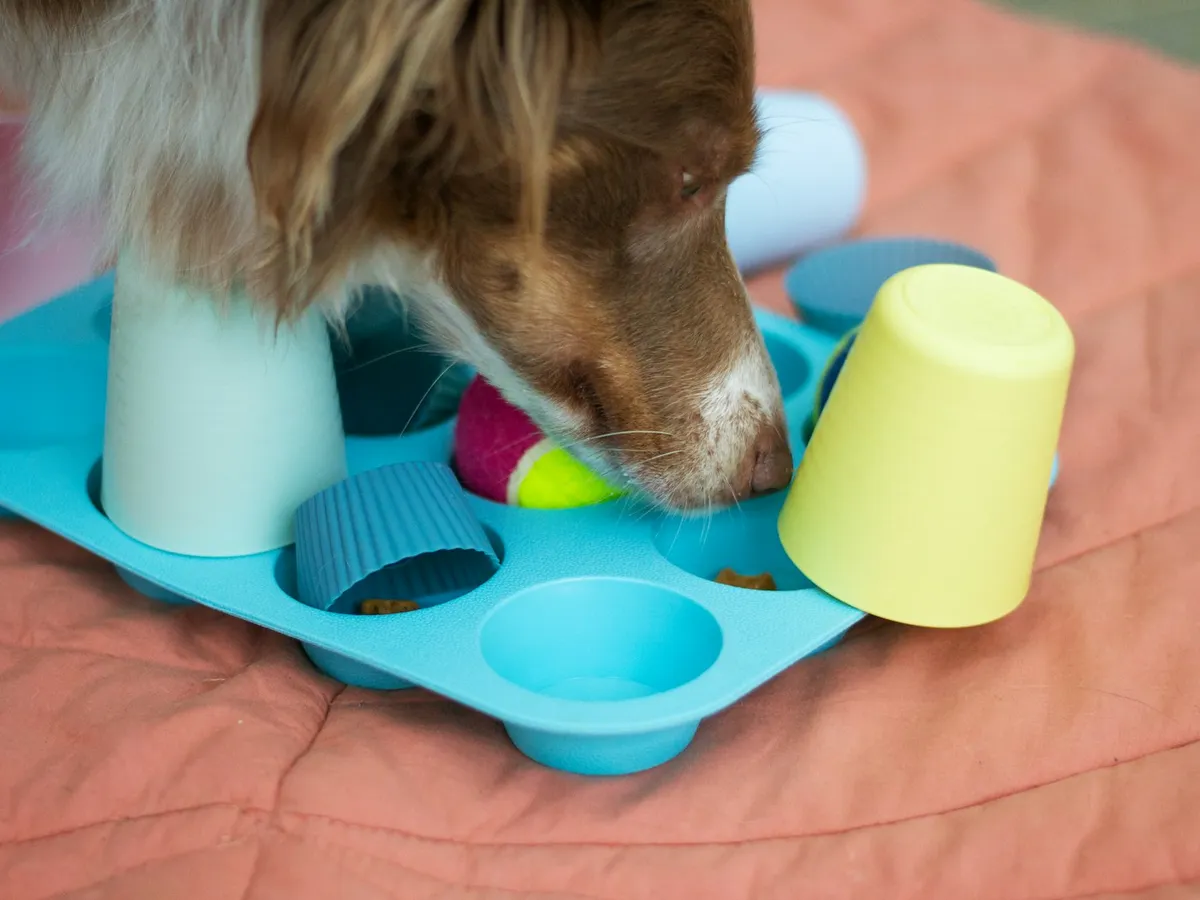
This is the game the AKC calls “Hidden Treasure.” Turn a few small containers or boxes upside down and hide a treat under just one. Let your dog sniff them and reward them when they settle on the right one.
How to do it: start with two containers, then three. Once they’re good at it, slowly shuffle them in front of your dog before letting them choose. Use light containers they can tip over without startling themselves.
7. Five minutes of obedience
The AKC suggests using indoor days for short training sessions. Sit, down, stay, come, shake: what your dog already knows deserves practice, and concentrating tires them out.
How to do it: five minutes, no more, two or three times a day. Always end on a success. For a dog bursting with energy, try the AKC’s variation: get them a little excited with play, then ask for a “sit” mid-romp. They learn to settle on cue, which is useful all year.
8. A new trick
Winter is long: it’s the time to learn something new. A few easy ideas:
- “Touch”: they come and touch the palm of your hand with their nose.
- “Spin”: they turn in a circle following a treat.
- “Tidy up”: they bring their toys back to the basket, one at a time.
How to do it: break the trick into tiny steps and reward each one. One step per session is enough.
9. The homemade course
The AKC suggests building an obstacle course from everyday items: a cardboard box open at both ends to crawl through, chairs to walk around, a broom handle resting on two stacks of books to step over. Another AKC variation: line up chairs and have your dog weave alongside you while you change pace.
How to do it: guide them with a treat, one obstacle at a time, on a non-slip surface. Keep jumps very low, especially for a puppy, a senior dog or a long-backed dog.
10. Hide-and-seek and gentle fetch
To finish, let’s move! Two classics:
- Hide-and-seek. According to the AKC, your dog should already know “sit,” “stay” and “come.” Ask them to stay in one room (or have someone hold them), hide in another, then call them. Celebrate when they find you.
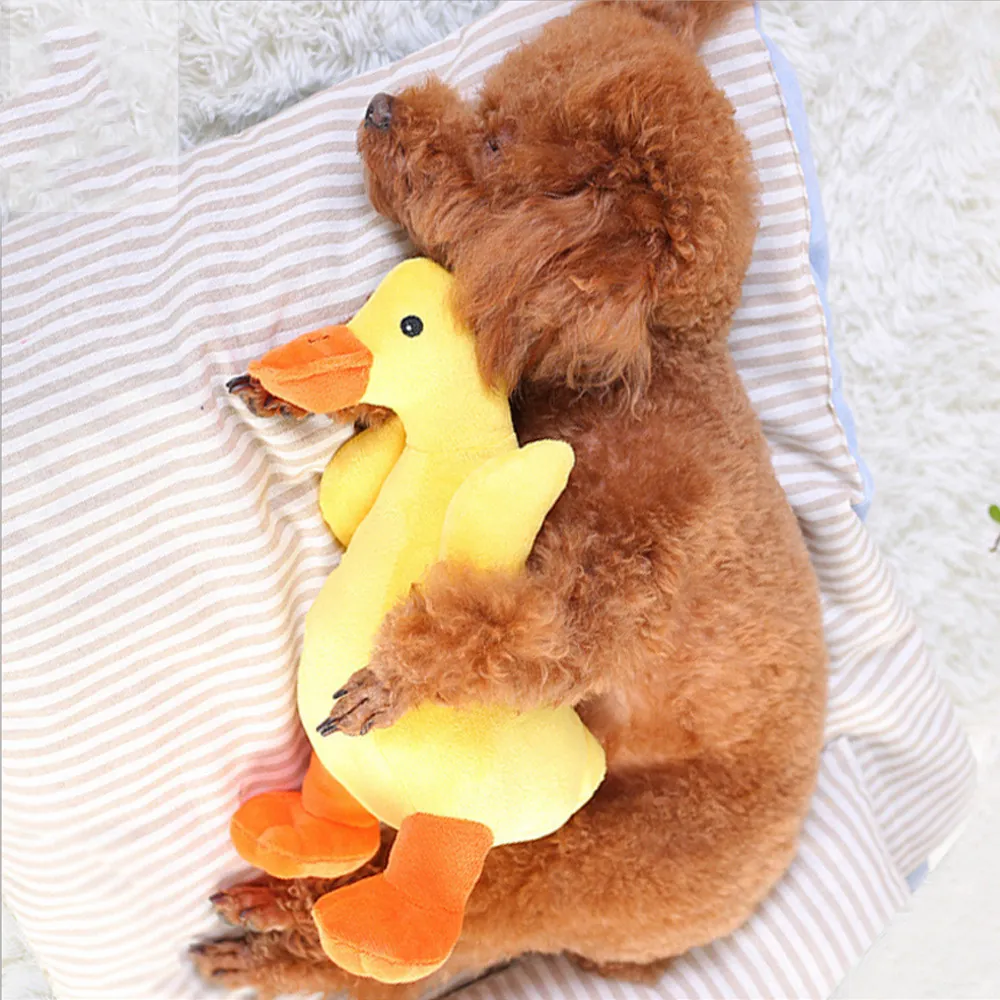
- Hallway fetch. A soft squeaky plush or plush flying disc tossed low to the ground works very well indoors.
How to do it: play on a rug or non-slip surface, away from stairs and breakables, and always supervise play with a plush toy.
Where to start?
- You have 5 minutes: the treasure hunt or an obedience session.
- You need to work: the puzzle, the tumbler or the lick mat.
- Your dog is bouncing off the walls: hallway fetch or hide-and-seek, then the lick mat to wind down.
- Your dog is older or less mobile: the snuffle ball, hidden treasure and the lick mat, all doable lying down or nearly.
- The kids are bored too: the homemade course and hide-and-seek, with an adult supervising.
A good indoor day mixes all three: a nose game, a little training, a game that gets them moving.
Frequently asked questions
How long should we play indoors?
Several 10 to 15-minute sessions spread through the day beat a single long one. Watch your dog: if they lie down calmly after the game, you’ve won. If they’re still pacing, add a nose game.
Are nose games for every dog?
Yes, puppies and seniors, small and large. Every dog has a good nose. Simply adjust the difficulty and the size of the hiding spots.
Does this replace the walk?
For a day or two of really bad weather, yes, it does the job very well. But your dog still needs short outings to do their business, and the walk remains important the rest of the time: it offers smells and encounters no game can replace.
My dog loses interest quickly. What can I do?
Often the game is too hard or the reward isn’t interesting enough. Make it simpler, use treats they love and stop while they’re still having fun: they’ll look forward to next time.
I live in an apartment. Which games are quietest?
The lick mat, the snuffle ball, the puzzle, the treasure hunt and tricks like “touch.” Save the rolling tumbler and fetch for hours when the downstairs neighbours aren’t sleeping, or play on a rug.