Lick mats for dogs: what they’re for and how to use one
Published October 26, 2026 · Updated November 16, 2026
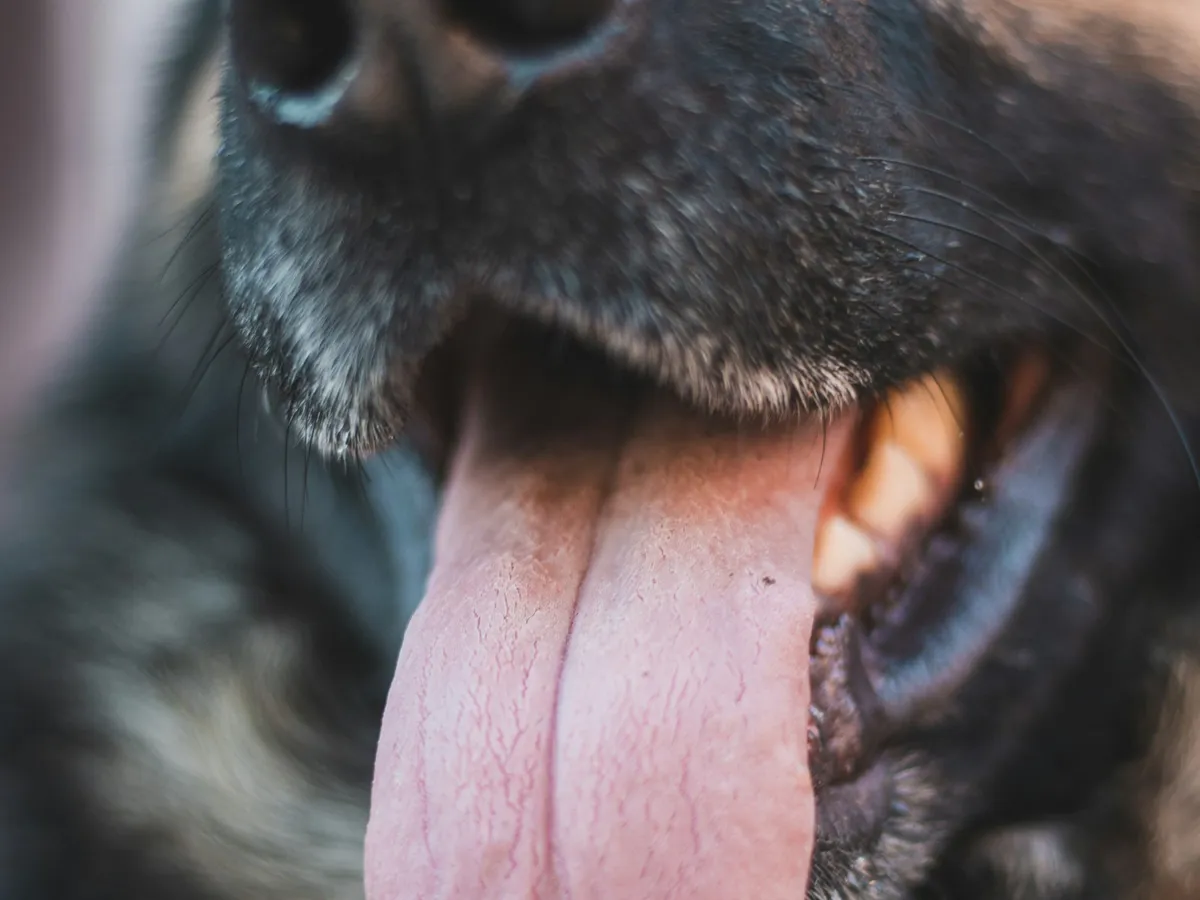
In short : A lick mat is a textured surface where you spread a little food: your pet stays busy for a long time, during a bath, brushing or to slow down a meal. Once or twice a day is enough.
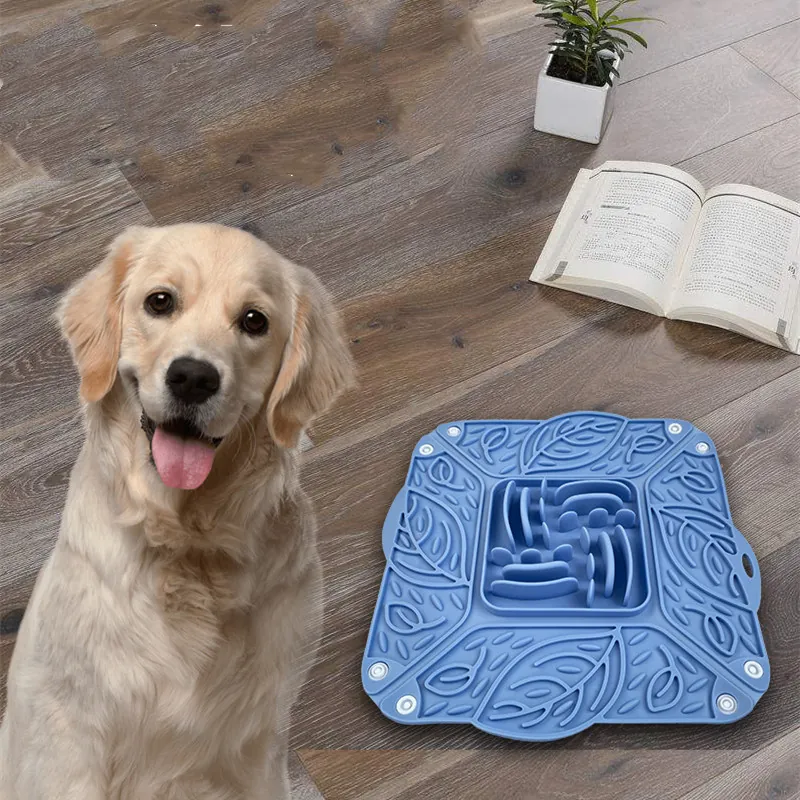
A lick mat keeps your dog busy with very little food: you spread a soft filling over a textured surface, and your dog has to collect it one lick at a time. What would disappear from a bowl in ten seconds now takes several minutes. It’s a simple, inexpensive tool that’s easy to wash, as long as you choose the filling carefully and stay nearby while it’s in use.
Here’s what a lick mat is really for, what to spread on it, how to make it last longer and how to keep it clean.
How does a lick mat work?
The surface of the mat is covered in small ridges, nubs and grooves. The filling settles between them, and the tongue has to work to reach it. Your dog can’t take a big mouthful; progress happens one lick at a time.
Licking is a natural behaviour for dogs. They use it to eat, to groom and to explore. A lick mat gives them a chance to do it for a good while, on something made for the job, rather than on your hands or the kitchen floor.
Our silicone lick mat measures 20 cm by 20 cm and has suction cups on the back, so you can lay it flat or stick it to a smooth surface such as the shower wall or the dishwasher door.
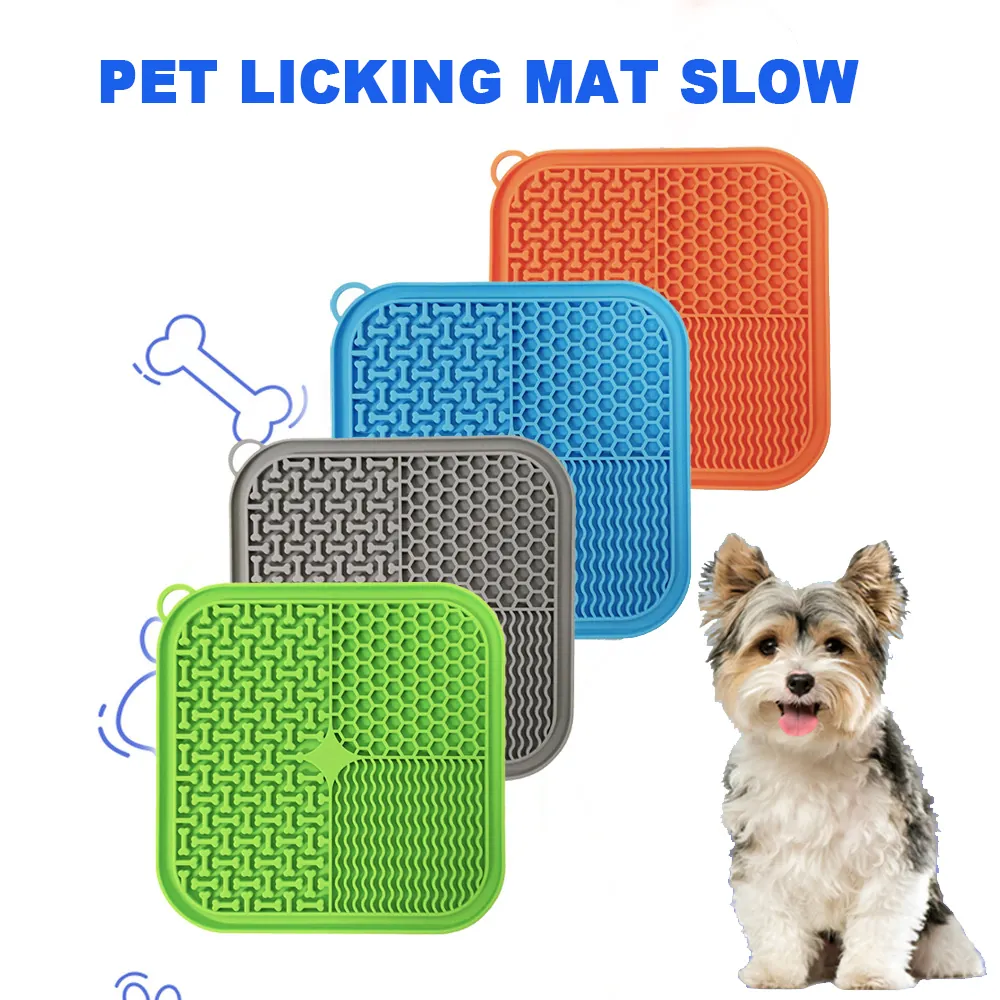 At CozzzypetsSilicone lick mat
When to use it: 5 situations where it helps
1. At bath time
This is the most popular use. Stick the filled mat to the tub wall at nose height. While your dog licks, you have both hands free to wet, lather and rinse. Many dogs end up linking bath time with something pleasant.
2. During brushing and nail trims
Same idea: set the mat in front of your dog, on the floor or a low table, and work while they’re occupied. Keep sessions short. When the filling is gone, the session is over too.
3. To make a meal last
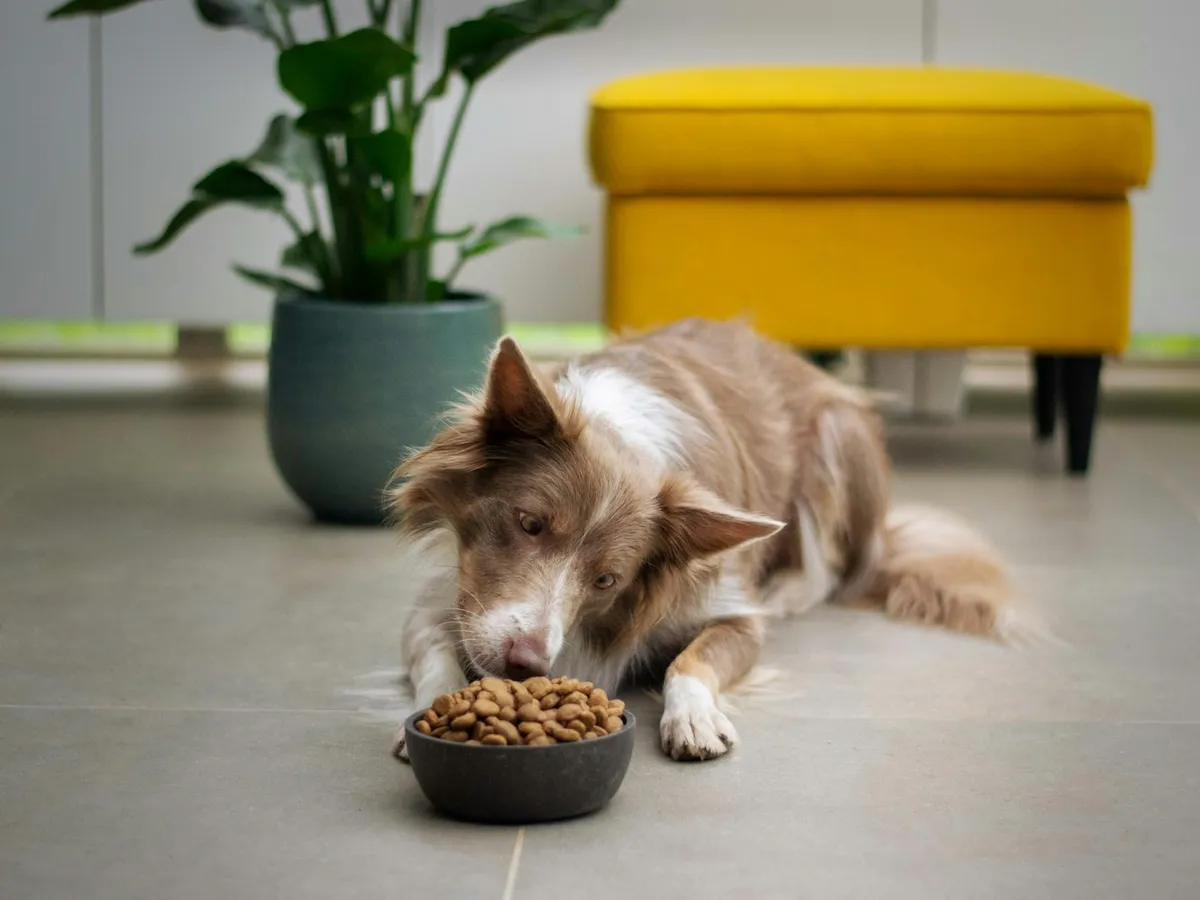
A dog who empties the bowl in seconds can have part of their wet food on the mat instead. Same amount of food, eaten far more slowly. For dry kibble, a slow-feeder tumbler is a better fit.
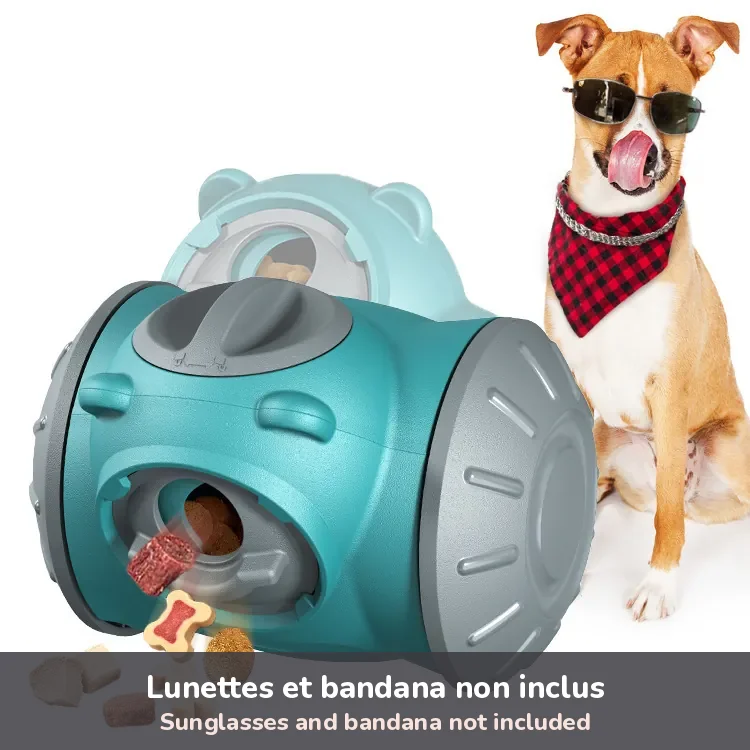 At CozzzypetsSlow-feeder tumbler
4. When you need a few minutes
A work call, guests at the door, dinner on the stove: a filled mat gives your dog something to do while you’re busy. It’s not a babysitter, but it buys you a solid ten minutes.
5. On storm days
When freezing rain or deep cold cuts the walk short, indoor activities take over. A lick mat is one of them, along with nose games like the snuffle ball. You’ll find more ideas in our article on indoor games for dogs in winter.
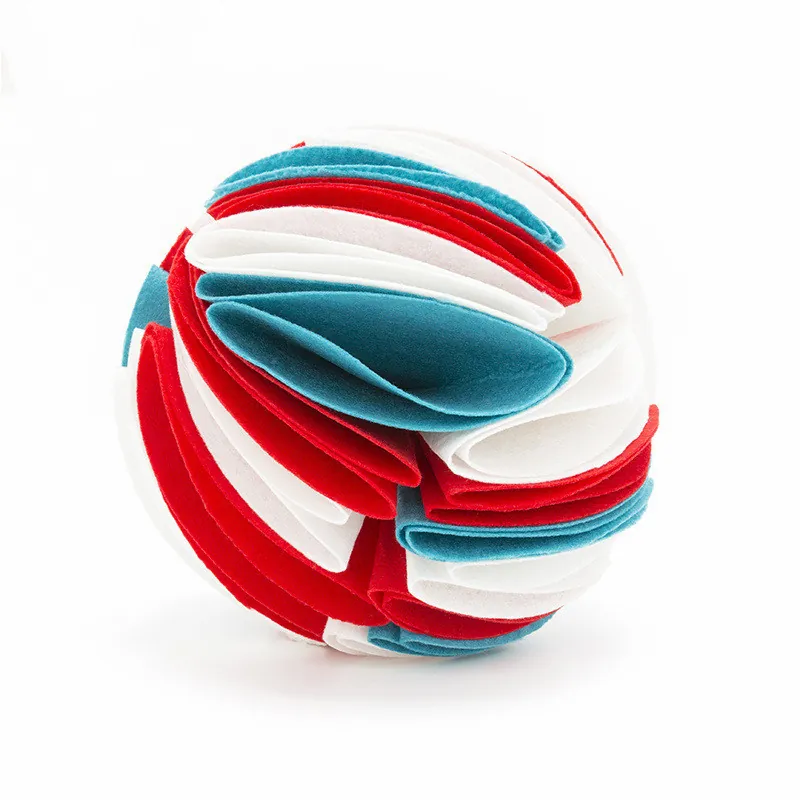 At CozzzypetsSnuffle ballFrom
What can you put on a lick mat?
The basic rule: a soft, spreadable texture, in a small amount, made from foods your dog already eats without trouble.
- Their usual wet food. The simplest choice, since it’s already part of their diet.
- Soaked kibble. Let it soften in a little warm water, then mash it with a fork.
- Plain pumpkin purée. No sugar or spices, and not pie filling.
- Plain yogurt. Unsweetened, with no sweeteners, in a small amount.
- Mashed banana. A spoonful is plenty.
- Peanut butter. Only if it contains no xylitol; always read the ingredient list.
One or two tablespoons will cover a 20 cm mat. Spread it thin with the back of a spoon or a spatula: it’s the thinness of the layer, not the quantity, that makes the activity last.
What should never go on it
Some foods are toxic to dogs. The ASPCA lists, among others:
- xylitol (also called “birch sugar”), a sweetener found in some peanut butters, yogurts and “sugar-free” products;
- chocolate;
- grapes and raisins;
- onion and garlic;
- macadamia nuts.
If your dog is on a special diet or you’re unsure about a food, ask your veterinarian before adding it to the menu.
The freezer trick
Fill the mat, lay it flat on a plate and freeze it for 30 to 60 minutes. The filling hardens, your dog has to melt it with their tongue, and the activity lasts much longer. It also makes a nice cool snack in summer.
Two tips:
- Prepare it ahead. A mat filled the night before is ready the moment you need it.
- For the very first time, offer it unfrozen. Some dogs give up if it’s too hard at the start.
Cleaning: simple, but every single time
A mat with leftover food on it gets smelly fast. After each use:
- Rinse with hot water right away, before the leftovers dry.
- Wash with soapy water and a small brush to get between the ridges.
- Rinse and air-dry completely before putting it away.
Silicone doesn’t hold odours and cleans up easily. Use wash time to inspect the mat: if it’s cracked or a piece is missing, replace it.
Safety: a few precautions
- Always supervise. A lick mat is not a chew toy. If your dog starts nibbling or tugging at it once the filling is gone, take it away.
- Count the filling as part of the daily ration. Whatever goes on the mat adds to what your dog eats that day. Take the same amount out of the bowl.
- One mat per pet. In a home with several dogs, give each one their own, in separate corners, to avoid squabbles over food.
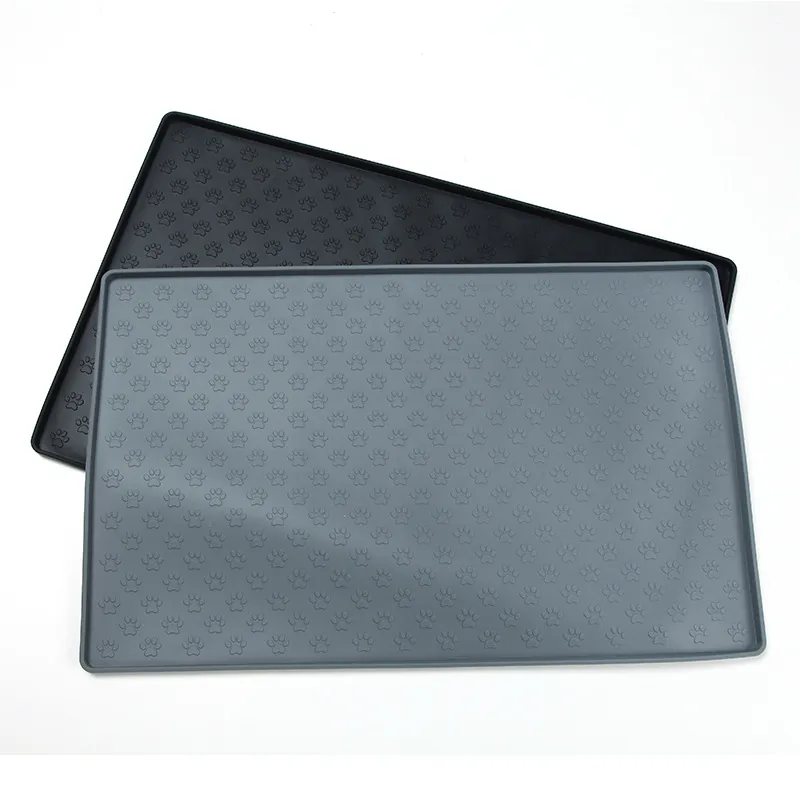
- Protect the floor. A silicone mat underneath catches the splatter.
Lick mat, maze bowl or snuffle toy: which one should you choose?
All three slow meals down, but they don’t do the same job.
- A lick mat suits soft textures: wet food, purées, yogurt. It’s the best choice for baths and grooming because it sticks to the wall.
- A slow-feeder bowl suits kibble. The maze slow-feeder bowl simply replaces the regular bowl, meal after meal.
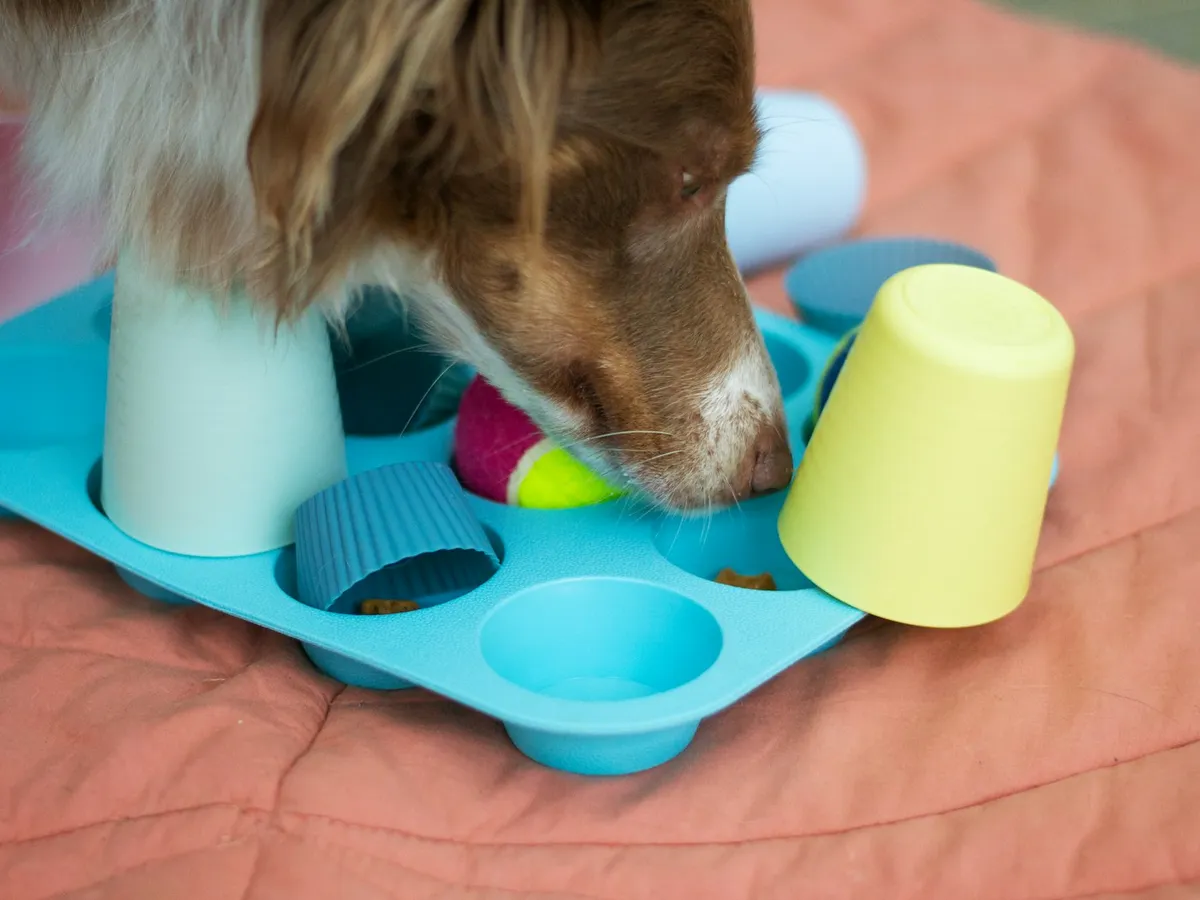
- A snuffle toy works the nose. You hide kibble or dry treats inside and your dog searches with their snout.
If your dog eats both kibble and wet food, the 3-in-1 slow-feeding tray combines two bowls, a slow-feeder zone and two licking surfaces. And if mealtime speed is your main concern, our Fast eaters page gathers every option, alongside our article My dog eats too fast.
Frequently asked questions
Are lick mats suitable for cats?
Yes. Spread a small amount of wet cat food or a purée made for cats. Cats have smaller tongues and lose interest sooner, so a teaspoon is enough. Don’t use dog fillings without checking that they’re suitable for cats too.
How many times a day can I offer it?
Once or twice a day is enough. What matters is counting the filling as part of the daily ration so you’re not adding calories.
How long does a session last?
Between 5 and 15 minutes for a room-temperature mat, depending on the dog and the filling. Frozen, the same mat can keep a dog busy for 20 to 30 minutes.
At what age can a puppy use a lick mat?
As soon as they eat solid food, using their own wet food or soaked kibble. Stay right beside them: puppies chew on everything, and the mat should remain something to lick.
Can a lick mat go in the dishwasher?
Silicone generally handles heat well, but washing by hand with a small brush does a better job between the ridges. That’s what we recommend after every use.