Poinsettia, holly, mistletoe, lilies: which Christmas plants are dangerous for cats and dogs?
Published October 26, 2026 · Updated November 16, 2026
In short : Lilies are the most dangerous, especially for cats. Mistletoe and holly can also make pets sick, while poinsettia generally causes mild to moderate stomach irritation. If in doubt, call your veterinarian right away.
A poinsettia on the table, a holly wreath on the door, a bouquet brought by visitors: plants are part of holiday decor. They also attract curious four-legged explorers, who nibble a leaf out of play or boredom. The ASPCA, which runs an animal poison control centre, points out that some of these plants can make our pets sick.
Do you have to ban them all? No. The risk varies a lot from one plant to another, and a few simple precautions are enough in most homes. Here’s what recognized sources say, plant by plant, starting with the most worrying one.
Lilies: the biggest danger for cats
This is the plant to remember if you have a cat. According to the ASPCA, many types of lilies commonly found in holiday bouquets are highly toxic to cats and can cause kidney failure.
The trouble is that they often arrive by surprise, in a bouquet brought by a guest. The ASPCA advises checking flowers that come into the house: if the bouquet contains lilies, remove them along with their leaves and change the vase water. Don’t want to offend the person who gave it? Keep the cat in another room while you quietly rearrange the bouquet.
Remember: with a cat at home, the simplest choice is to have no lilies at all. Let your loved ones know, kindly, before the holidays.
Mistletoe
According to the ASPCA, mistletoe can cause gastrointestinal upset and cardiovascular problems if eaten. The Pet Poison Helpline adds that small amounts mostly cause mild stomach irritation, but large amounts can affect blood pressure and heart rate.
Mistletoe is usually hung up high, which helps. The risk comes more from berries and leaves that fall to the floor as it dries. Artificial versions aren’t flawless either: the Pet Poison Helpline notes that plastic berries, swallowed in quantity, can cause a blockage.
Holly
The ASPCA puts holly in the same category as mistletoe. According to the Pet Poison Helpline, the berries are considered the most toxic part, and eating them usually causes vomiting, diarrhea and abdominal pain. Most pets recover at home, but some need veterinary care.
The prickly leaves put off many pets, but not all. Hang wreaths on the outside of the door, or out of reach, and pick up fallen berries.
Poinsettia: an exaggerated reputation
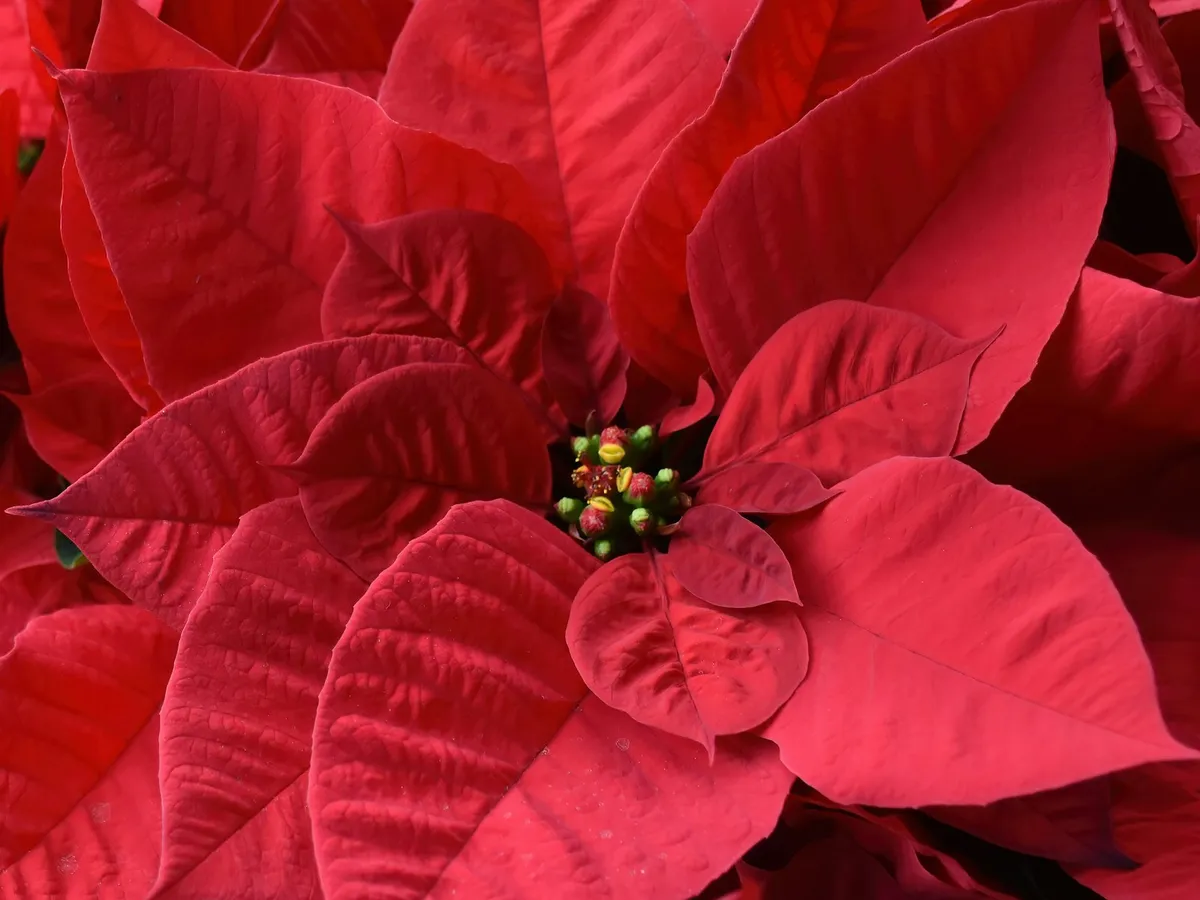
It’s the Christmas plant people fear most, yet it’s not the worst. The ASPCA says poinsettias can make pets sick with mild to moderate gastrointestinal irritation. The Pet Poison Helpline explains that the milky sap irritates the mouth and stomach, that signs are usually mild, and that actual poisoning is rare.
That’s no reason to let your pet nibble on it. Put it up high, on furniture the cat doesn’t climb, and remove fallen leaves.
Amaryllis
Given as a bulb or in a pot, amaryllis is very popular in December. According to the Pet Poison Helpline, a few leaves can cause mild vomiting, but the bulb, or large amounts of leaves, can cause more serious signs such as low blood pressure, weakness and tremors.
If you’re growing a bulb at home, keep it out of reach: to a playful dog, a bulb looks dangerously like a ball.
Christmas cactus
Good news: it’s among the least worrying plants on the list. The Pet Poison Helpline says eating the leaves can cause vomiting and diarrhea, and that signs typically resolve within a few hours. If irritation persists, see your veterinarian.
The Christmas tree
A real tree isn’t a highly toxic plant, but it deserves a few precautions:
- Needles and sap. According to the Pet Poison Helpline, common species (fir, pine) can cause mild drooling and vomiting. Vacuum often.
- The stand water. The ASPCA describes it as a breeding ground for bacteria that could cause nausea, diarrhea or stomach upset. Cover the reservoir.
- Stability. The ASPCA recommends securing the tree so it can’t tip over onto a curious pet.
- Tinsel. Cats love it, but the ASPCA advises against using it: if swallowed, it can obstruct the digestive tract.
The summary at a glance
- Most serious risk: lilies, for cats. Avoid completely.
- Keep out of reach: mistletoe, holly and amaryllis (especially the bulb).
- Generally mild irritation: poinsettia, Christmas cactus and tree needles.
Whatever the plant, the amount eaten and the pet’s size change everything. If in doubt, call.
How to avoid problems
- Put plants out of reach. Up high for a dog; in a closed room for a cat, who climbs everywhere.
- Check bouquets you receive. Remove lilies before putting them on the table.
- Choose artificial versions for wreaths, mistletoe and holly. Lovely imitations exist. Keep an eye out anyway: a pet can swallow small pieces.
- Pick up fallen leaves, petals and berries every day.
- Keep your pet busy. A bored pet explores with its mouth. Give them their own toys: a Santa plush for the dog, a hide-and-seek mouse game for the cat, or a snuffle ball filled with a few pieces of their regular kibble.
- Tell your guests. A simple “we have a cat, so no lilies, please” prevents a lot of worry.
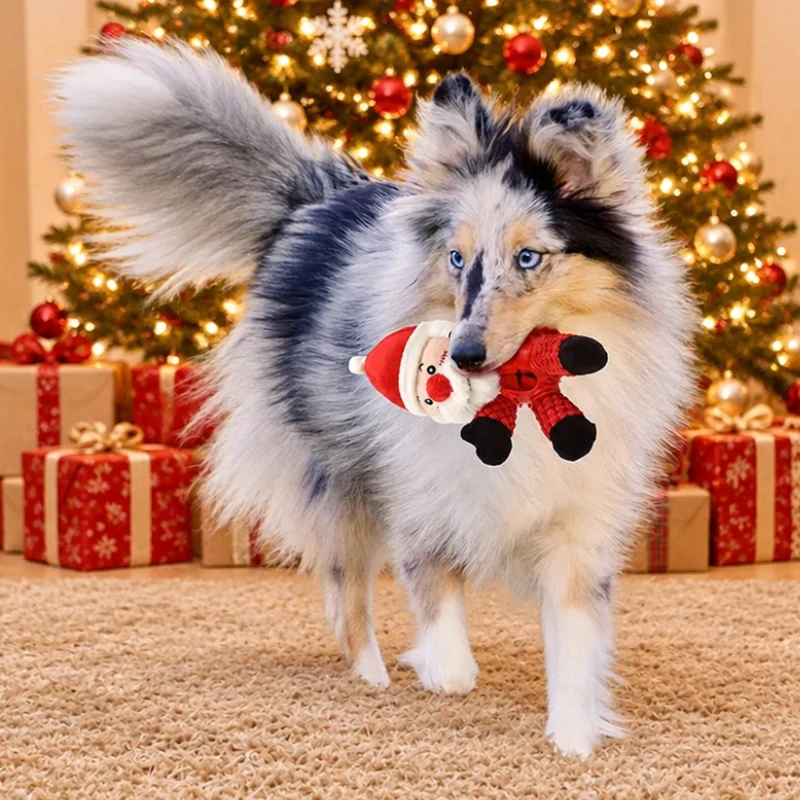 At CozzzypetsSanta plush dog toy
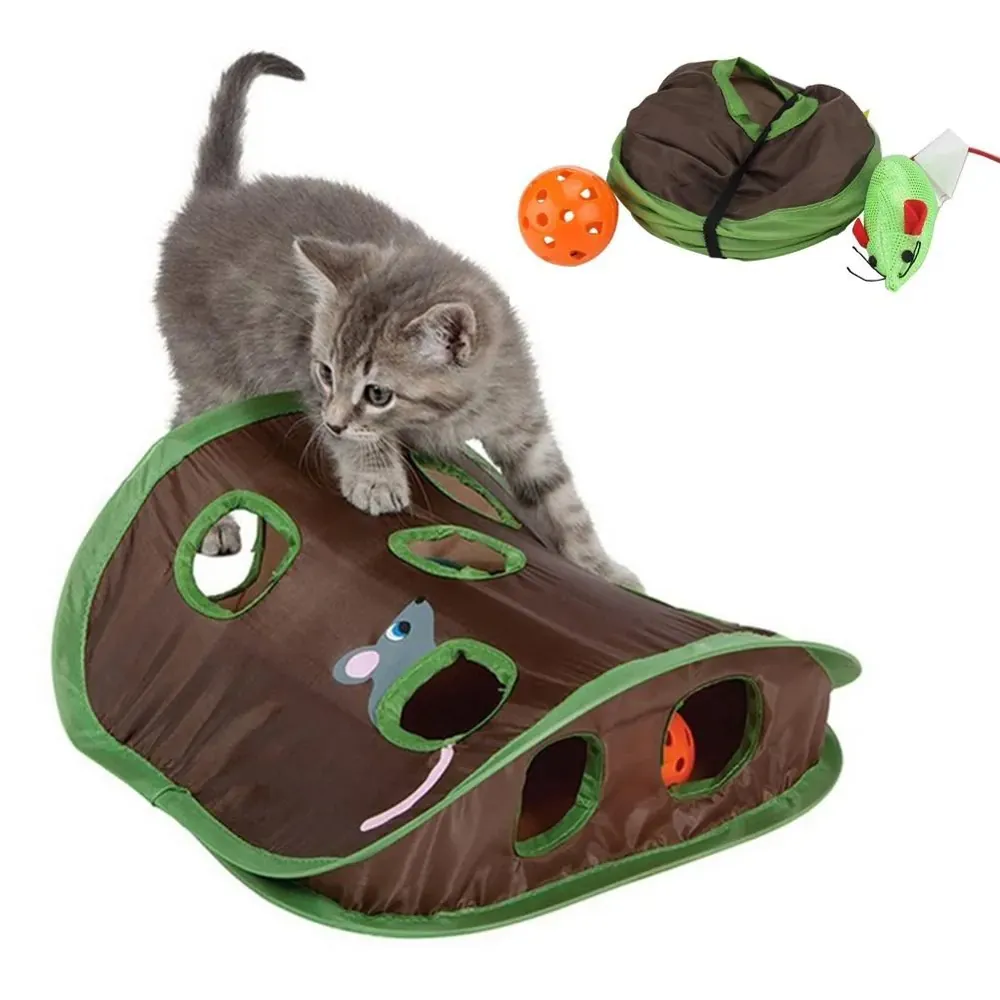 At CozzzypetsHide-and-seek mouse game
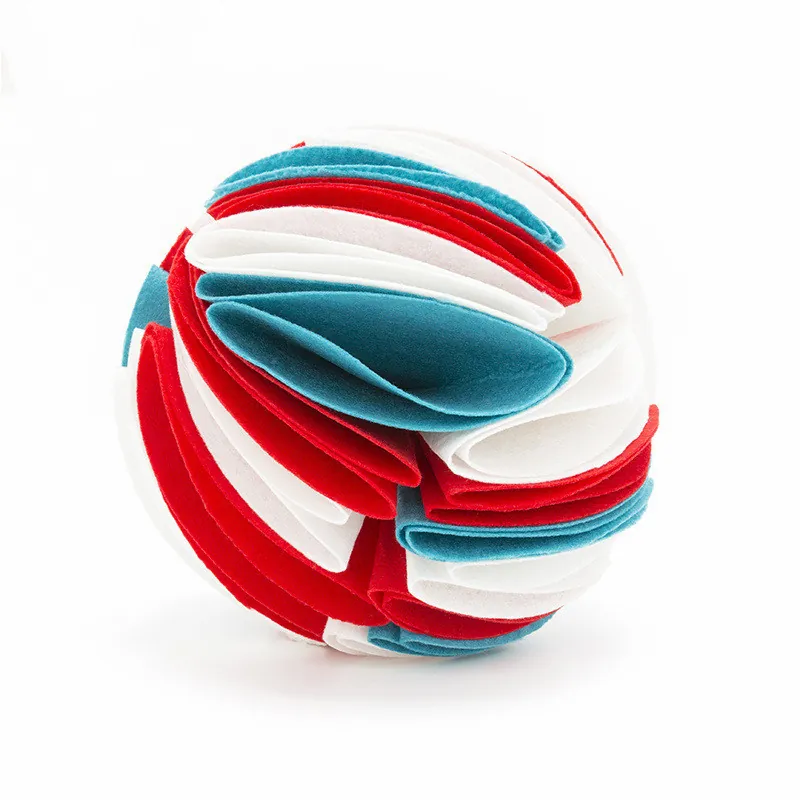 At CozzzypetsSnuffle ballFrom
What to do if your pet ate a plant
- Take the plant away and move your pet elsewhere.
- Call your veterinarian or an emergency clinic right away. Don’t wait for signs to appear, especially with a lily and a cat.
- Have the information ready: the plant’s name (or a photo, or a piece), the approximate amount eaten and the time.
- Don’t try anything on your own without a professional’s advice.
The ASPCA also runs an Animal Poison Control Center, available at all hours at (888) 426-4435 (a consultation fee may apply). Put your emergency clinic’s number on the fridge before the holidays: it’s the kind of thing people always look for too late.
Frequently asked questions
My cat licked a lily petal. Is that serious?
With lilies and cats, take no chances and don’t wait: call your veterinarian or an emergency clinic immediately, even if your cat seems fine.
Is poinsettia deadly for dogs and cats?
Its reputation goes beyond reality. According to the ASPCA and the Pet Poison Helpline, it generally causes mild to moderate irritation, and actual poisoning is rare. Still, keep it out of reach and call your veterinarian if your pet ate some and doesn’t seem well.
Are artificial plants safe?
They’re not toxic, but a pet can swallow pieces, which causes other problems. Choose sturdy ones and throw away any that crumble.
Which Christmas plants can I keep with a cat?
Christmas cactus is among the least worrying, as long as the cat doesn’t eat it. For the rest, artificial versions are the simplest choice. If you insist on real plants, keep them in a room the cat doesn’t enter.
My dog drank the tree water. Should I worry?
The ASPCA says this water can cause nausea or diarrhea. Watch your dog, cover the reservoir from now on, and call your veterinarian if they don’t seem well.
Sources: ASPCA, Holiday Safety Tips · ASPCA, Hosting Holiday Guests? · Pet Poison Helpline, Holiday Toxins