How to measure your dog for a winter coat (2026 guide)
Published October 23, 2026 · Updated November 17, 2026
In short : Measure the back length (from the base of the neck to the base of the tail), the chest girth just behind the front legs and the neck. Between two sizes, size up if it’s the chest that’s in between.
A coat that’s too small pinches at the front legs; too big, it slides sideways and lets the cold in. Good news: picking the right size takes two minutes, as long as you take the right measurements and compare them with the chart for the coat you’re looking at, not with the size your dog “usually” wears. Here’s the method, step by step.
Which dogs need a coat?
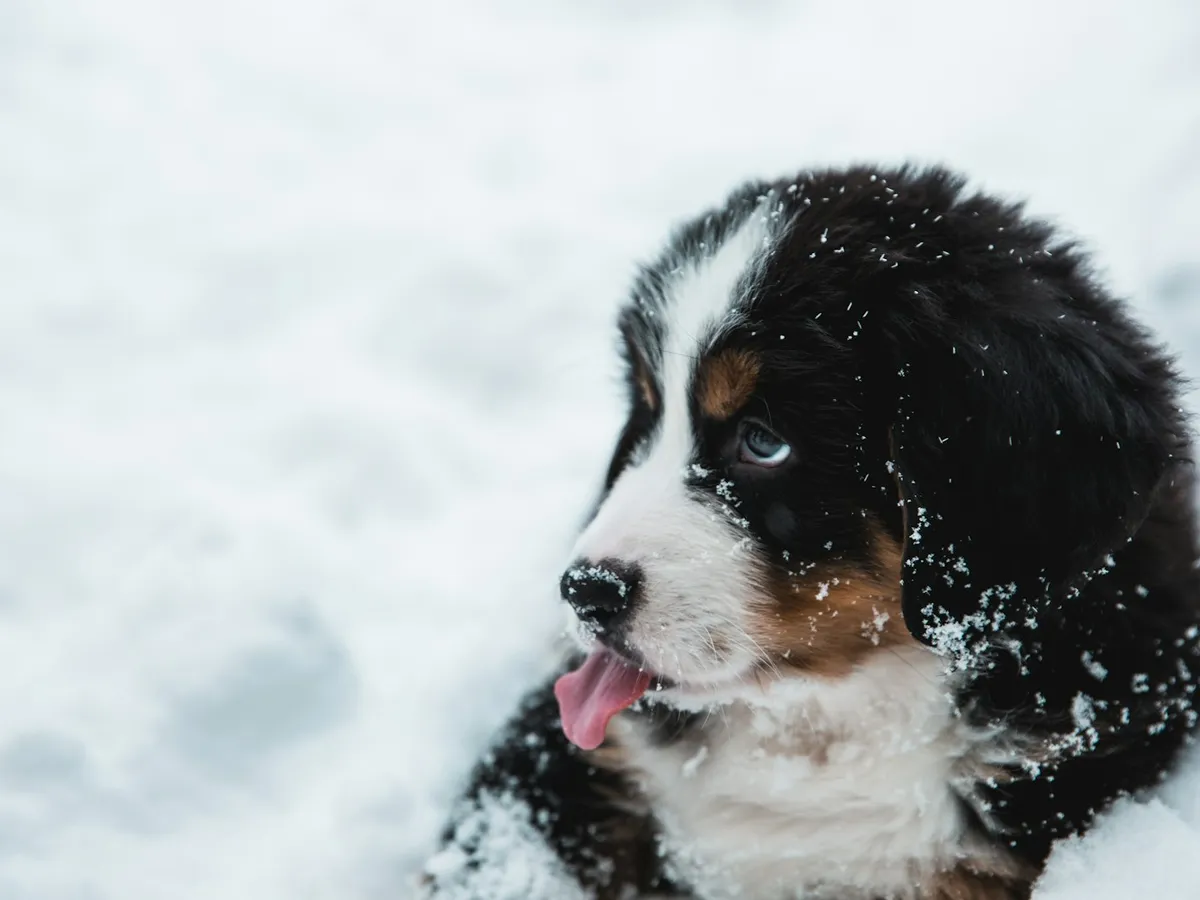
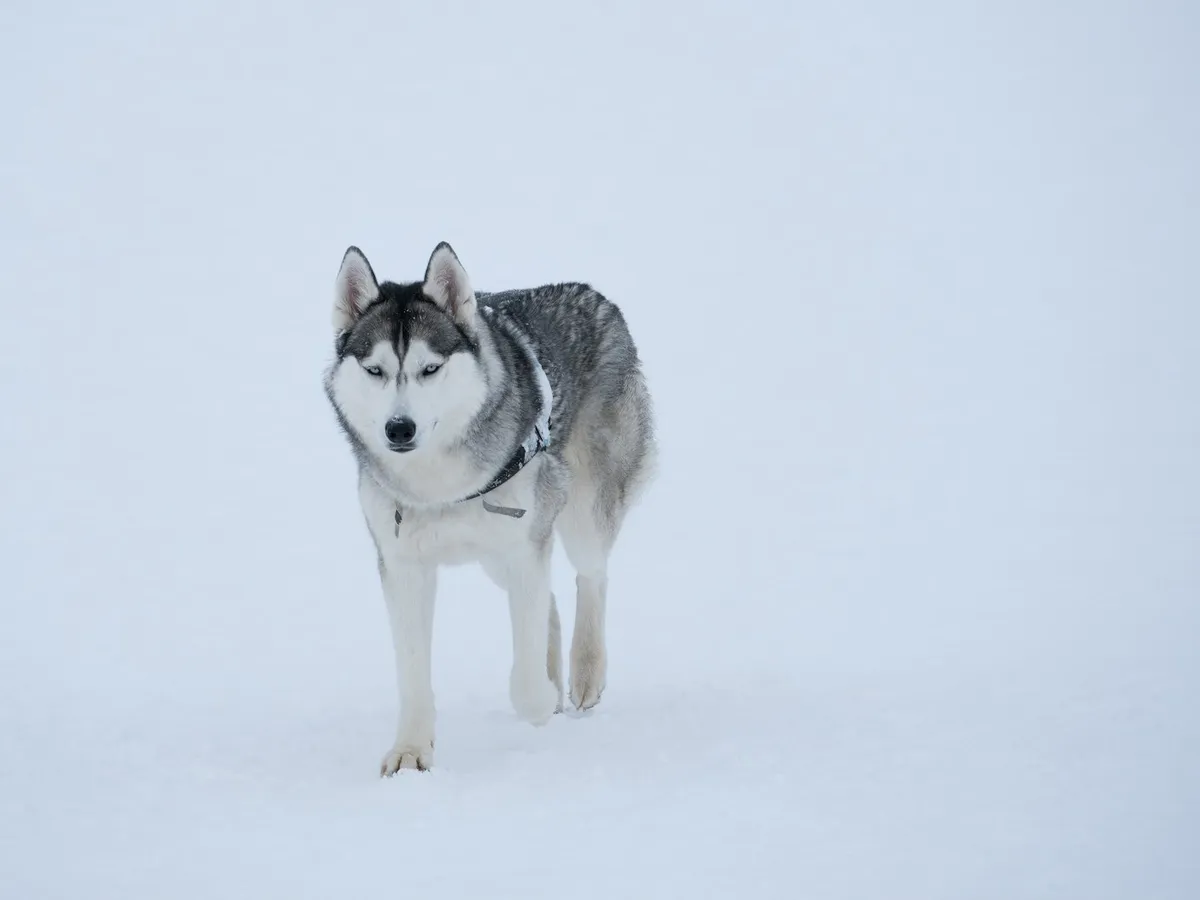
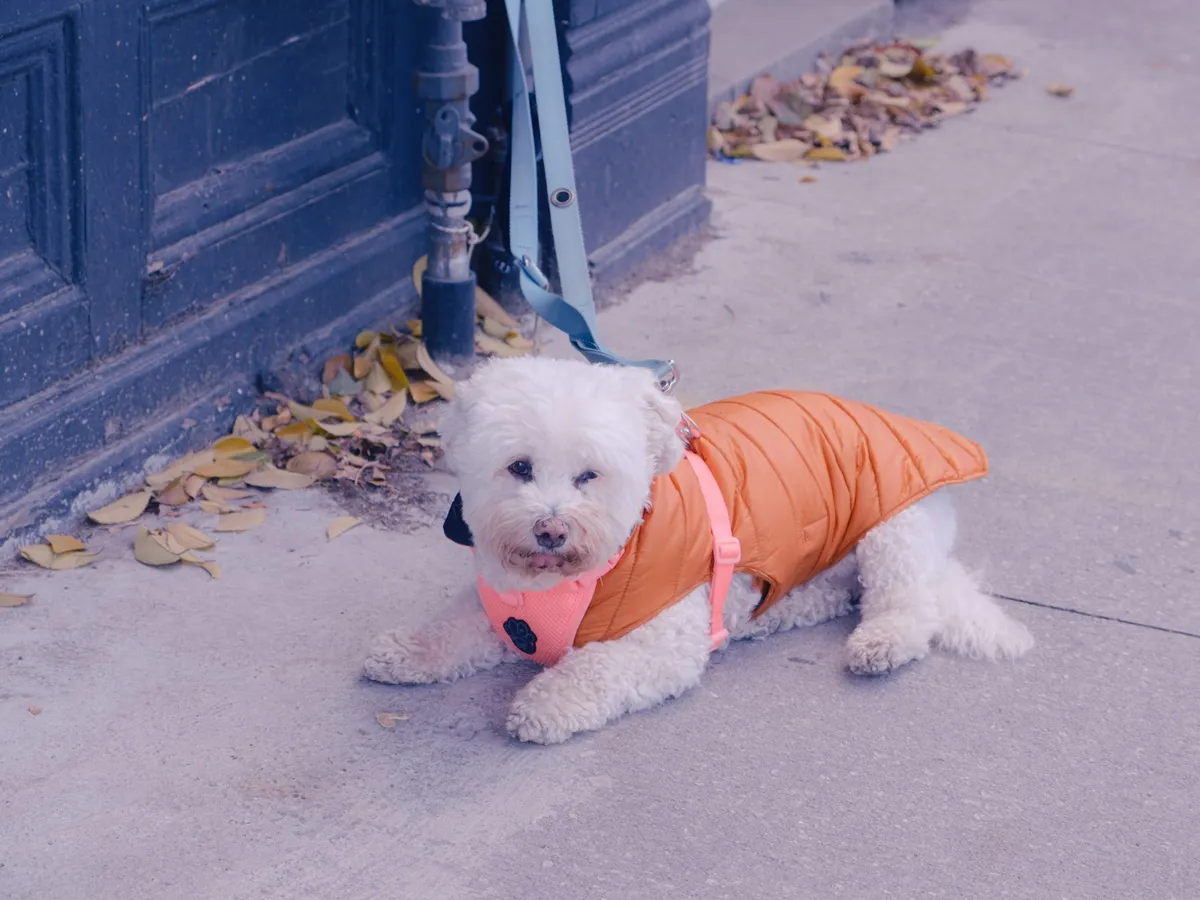
Not every dog experiences winter the same way. Short-haired dogs, small breeds, lean dogs (greyhounds, whippets) and senior dogs feel the cold faster. For them, the ASPCA suggests a coat or sweater with a high collar that covers from the base of the tail to the belly. A husky or a Bernese mountain dog is usually well equipped by their own coat.
Still not sure? Watch your dog outside. If they shiver, slow down, lift their paws or try to turn back, they’re telling you they’re cold. Our article Is my dog cold? 7 signs to watch for helps you read those signals.
Before you measure: tools and posture
- A soft tape measure, like the one in a sewing kit. Don’t have one? The American Kennel Club (AKC) suggests using a piece of string or ribbon, then holding it against a ruler.
- A dog standing up straight. According to the AKC, standing is when the spine is aligned and the weight is evenly distributed. A sitting or lying dog gives you the wrong numbers.
- A few treats and, if you can, a second person to keep your dog busy.
- A pen or your phone to write the numbers down right away, in centimetres and inches.
The 3 measurements to take
1. Back length
Start at the base of the neck, where the neck meets the body (that’s where the collar sits), and follow the spine to the base of the tail. Don’t include the neck or the tail. This number decides whether the coat covers the back without getting in the way of the tail.
2. Chest girth
Wrap the tape around the widest part of the rib cage, usually just behind the front legs. The tape should touch the fur without squeezing. This is often the most important number: a coat can be a little short without any trouble, but it can’t be too narrow at the chest.
3. Neck
Measure where the collar sits, at the base of the neck, without squeezing. For a long-necked dog, the AKC suggests measuring a little lower, toward the shoulders.
Reading the size chart
A “medium” isn’t the same everywhere. The AKC points out that sizing varies from brand to brand, and even between styles from the same brand. Always go by the numbers on the chart, never by the letter.
In our shop, every clothing page has its own chart, in centimetres and inches. You’ll also find measuring advice in our size guide.
- First find the row that matches your dog’s chest girth.
- Then check that the back length for that size works.
- Finish with the neck.
Chart measurements can differ from the actual garment by 1 to 3 cm. If your dog sits right at the edge of a size, treat them as between two sizes.
Between two sizes? Here’s how to decide
- If it’s the chest that’s in between, size up: a coat that’s tight at the chest makes walking uncomfortable. The AKC gives the same advice: slightly loose beats too snug.
- For long-haired or very curly dogs, size up as well: fur takes up room under the fabric.
- If your puppy is still growing, measure again mid-winter.
- If your dog has a broad chest and a short back (French bulldog, pug), choose by the chest and accept a slightly longer coat.
- If your dog is long and low (dachshund), favour styles that adjust at the belly, and check the back length carefully.
Signs of a good fit
Try the coat on at home, before the first outing.
- Your dog can walk, sit and lie down comfortably.
- You can slide two fingers under the coat at the chest and neck: that’s the two-finger rule, which the AKC recommends too.
- The coat covers the back to the base of the tail without dragging.
- It doesn’t twist sideways when your dog moves.
- The front legs move freely: nothing rubs under the armpits.
- For a male dog, the belly panel doesn’t reach too far back, so it stays clean during bathroom breaks.
On the other hand, a dog who freezes, walks stiff-legged or tries to nibble the fabric is telling you something is pinching or rubbing. Loosen the fasteners or try the next size up.
Coat or sweater: which one?
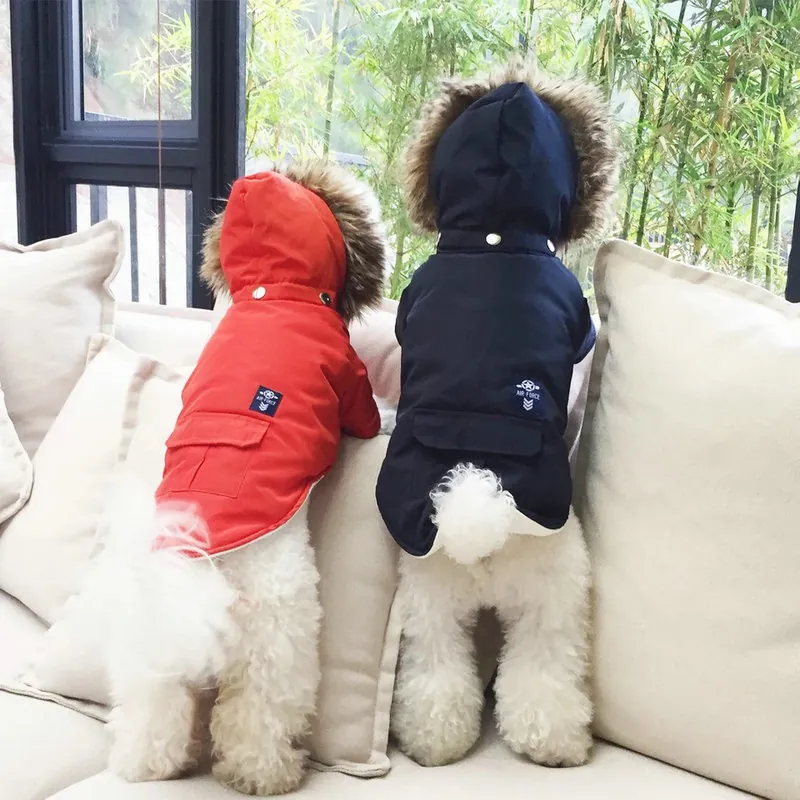
- A padded coat is made for outdoors: it blocks the wind and keeps snow off. Our hooded winter coat is padded and comes in five sizes.
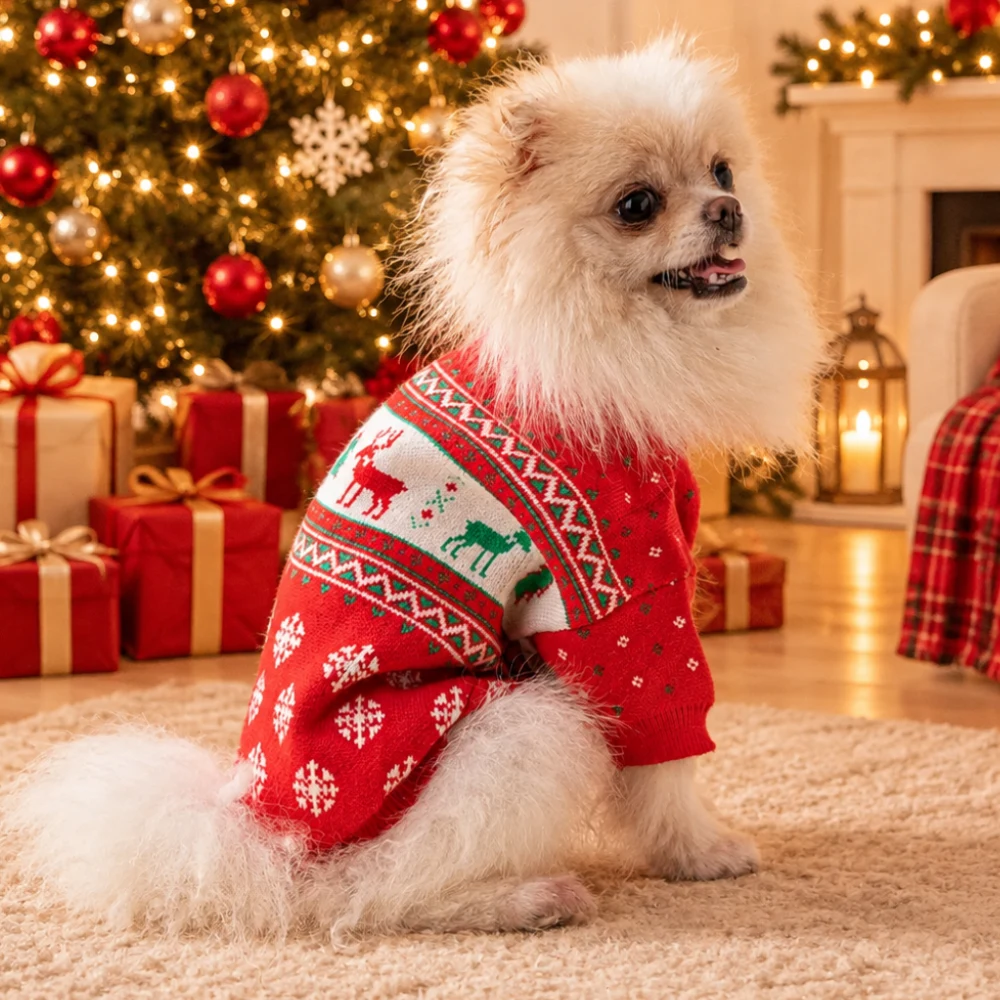
- A sweater works indoors, on mild fall days or under a light coat. Our knit sweater is designed for small dogs who feel the cold.
- Booties complete the outfit when sidewalks are salted: our non-slip winter booties come as a set of 4. Here you measure the paw, not the back.
 At CozzzypetsHooded winter coat
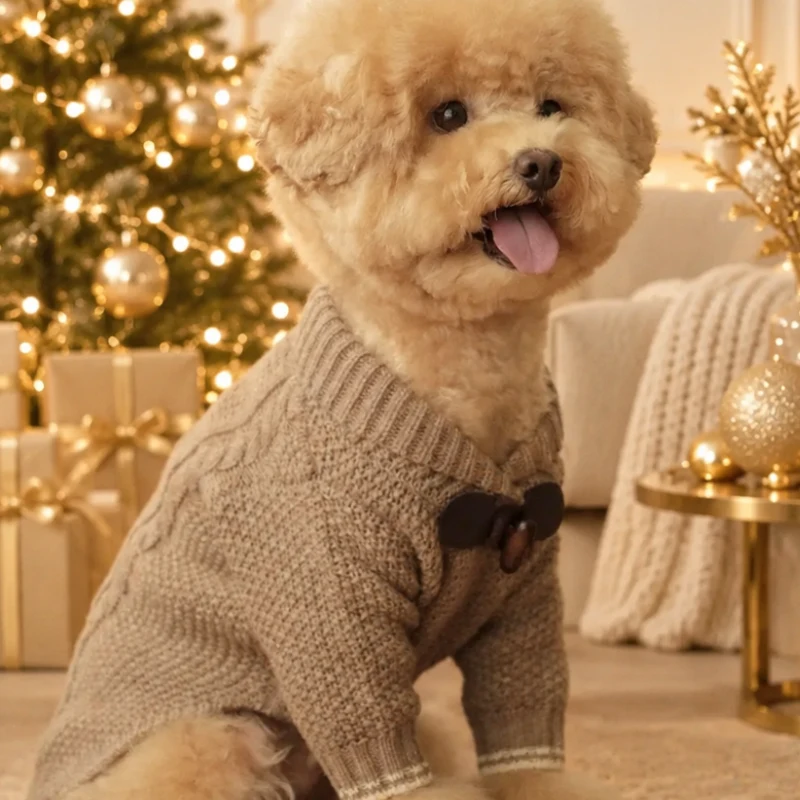 At CozzzypetsKnitted sweater
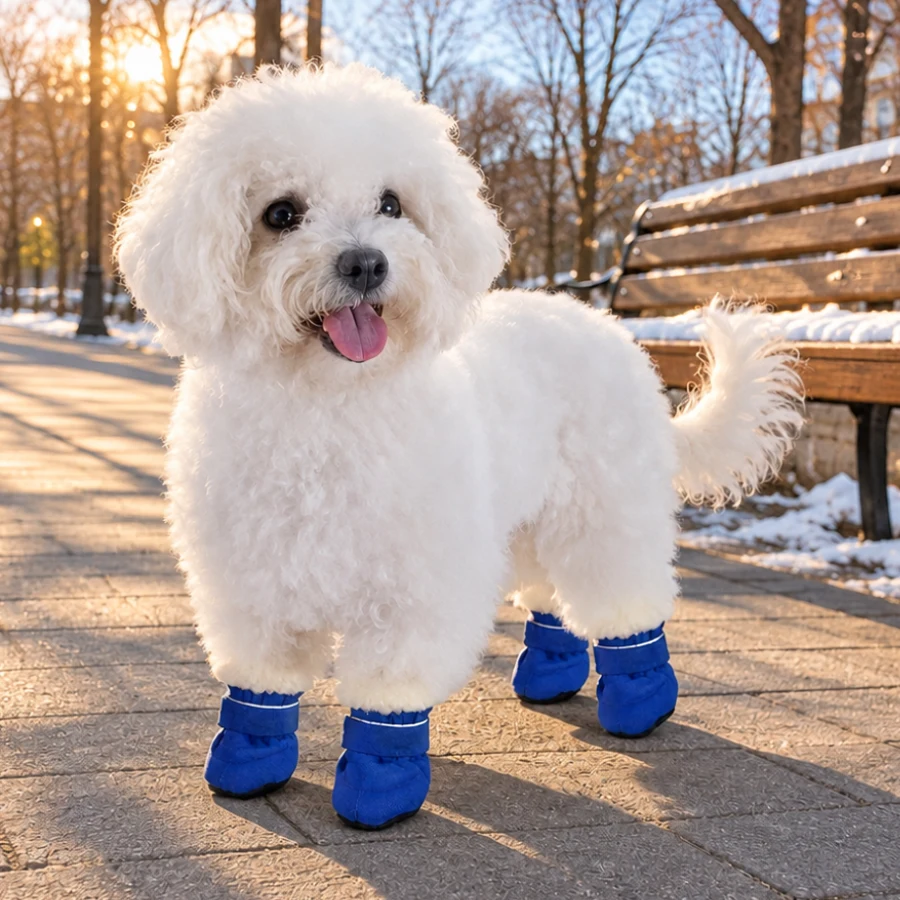 At CozzzypetsNon-slip winter boots (set of 4)
To go further, read Dog sweater or coat: which one to choose?. Want it all? The Bright Red Winter Set brings together a puffer coat, booties and a knit hat.
First outings
Let your dog wear the coat for a few minutes indoors, with a treat, before the first walk. Increase the time little by little. Most dogs get used to it very quickly, especially once the coat means a walk is coming.
When you get home, the ASPCA recommends wiping paws and belly right away to remove snow and salt: keeping a microfibre towel by the door makes it much easier. Take the coat off too if it’s wet and let it dry before the next walk: damp clothing cools a dog down instead of warming them up.
Frequently asked questions
At what temperature does my dog need a coat?
It depends on their size, coat and age. A small short-haired dog can feel cold as temperatures approach freezing. If they shiver, slow down or lift their paws, it’s time to head in.
Which measurement matters most?
Chest girth for comfort, back length for coverage. If the two don’t land in the same size, give priority to the chest.
Can my dog keep the coat on indoors?
Better to take it off inside so they don’t overheat. A light sweater is enough for a dog who gets cold.
Should I measure over the harness?
Measure your dog with nothing on. If the harness goes under the coat, keep two fingers of room at the chest and check that the coat leaves access to the leash ring.
How do I wash a dog coat?
Follow the coat’s label; usually a cold wash and air drying.