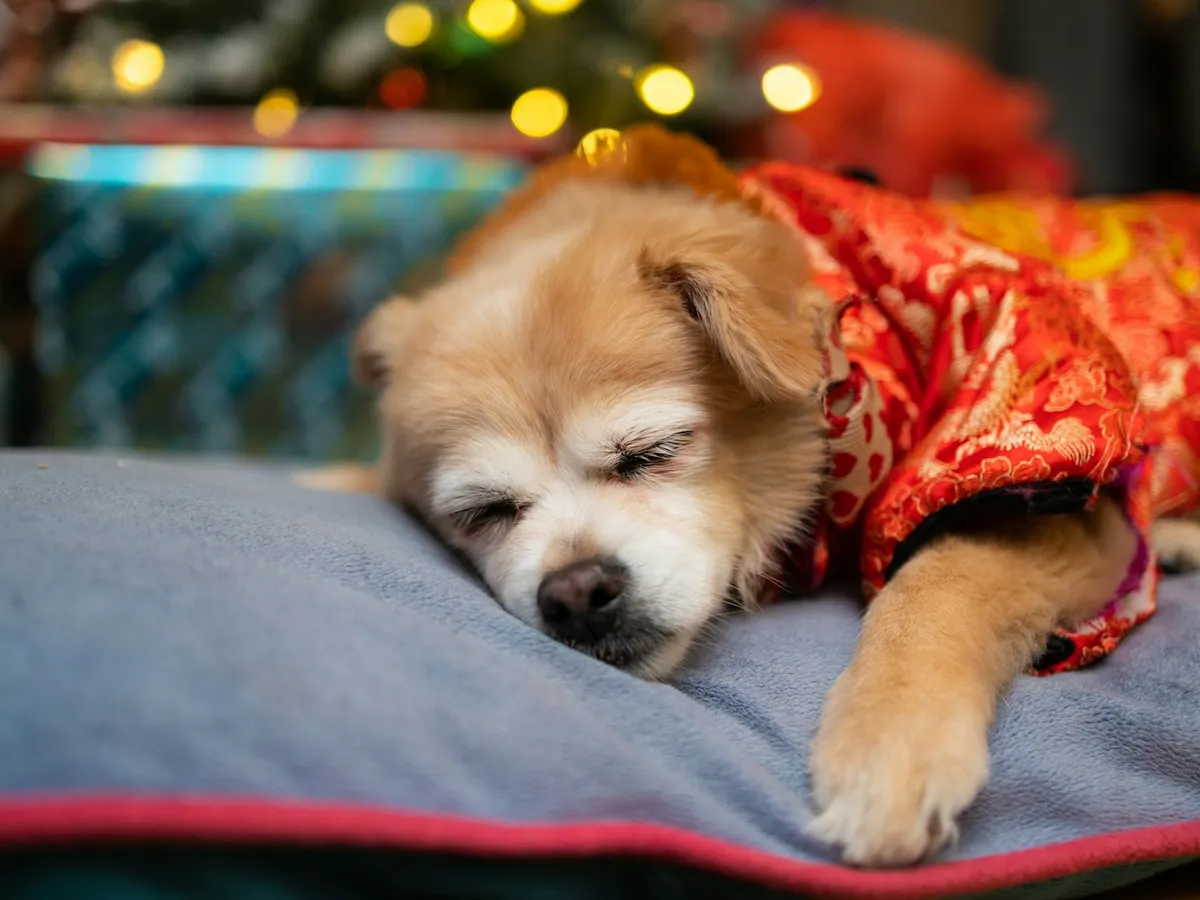
Dog sweater or coat: which one should you pick for winter?
Published October 26, 2026 · Updated November 16, 2026
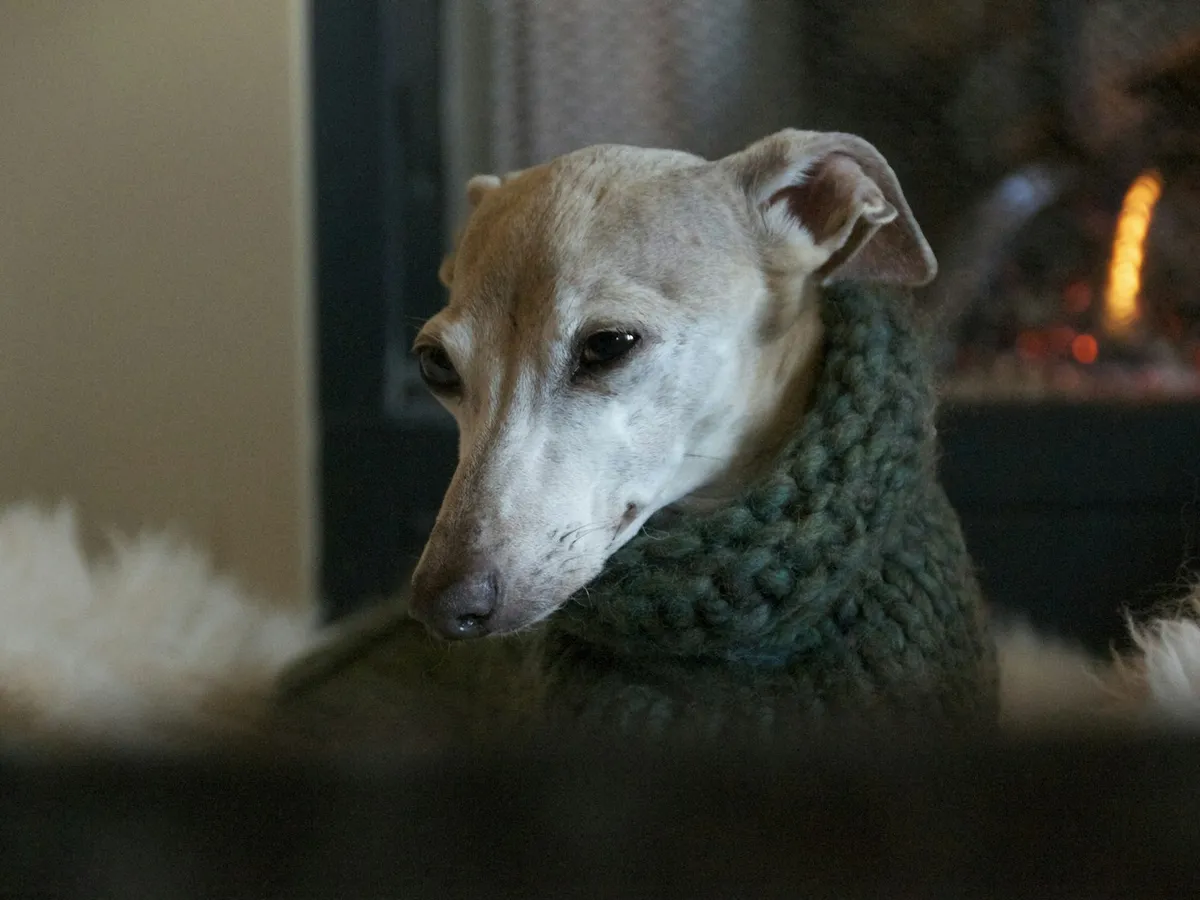
In short : A sweater holds body heat for cool days and indoors, but doesn’t block wind or wet snow. For real cold and snow, choose a coat; many owners have both.
Does your dog slow down, lift a paw or shiver ten minutes into a walk? That may be a sign they need an extra layer. The AVMA, the American Veterinary Medical Association, suggests a sweater or coat for short-haired dogs or dogs that seem bothered by the cold. The question is which one.
Sweater, puffer, hooded coat, raincoat: each has its job, and the right choice depends on the day’s weather as much as on your dog. Here’s how to sort it out, without buying three garments that will sleep in the closet.
First: does your dog need clothing at all?
Not all dogs are equal when winter comes. According to the American Kennel Club (AKC), the dogs that benefit most from clothing are:
- small dogs and toy breeds, which have trouble holding their body heat;
- lean, short-coated dogs, such as Greyhounds and Whippets;
- short-legged dogs, such as Dachshunds and Basset Hounds, whose belly quickly touches the snow;
- clipped or shaved dogs, such as Poodles after grooming;
- hairless dogs;
- puppies, senior dogs and those living with a chronic condition such as arthritis.
On the other hand, large breeds with thick coats (Husky, Malamute, Bernese Mountain Dog, Newfoundland, Saint Bernard) are generally well protected by their own fur.
The AKC notes that there is no single temperature at which it’s “too cold” for all dogs: it depends on the coat, health and time spent outside. The best clue is your dog. If they shiver, hunch up or want to go back in, they’re cold.
The sweater: for chilly days and indoors
A sweater works like yours: it holds heat close to the body. It’s soft, comfortable and easy to wear for a long time. Its limit: it doesn’t block the wind and, once wet from melting snow, it no longer keeps a dog warm.
Ideal for:
- cool, dry fall and spring days;
- quick outings;
- the house when the heat is low, especially for a senior or short-coated dog;
- a first layer under a coat on bitter days, if the dog moves comfortably.
Our picks: the knitted sweater, a classic, or the teddy bear V-neck cardigan, with a leash opening.
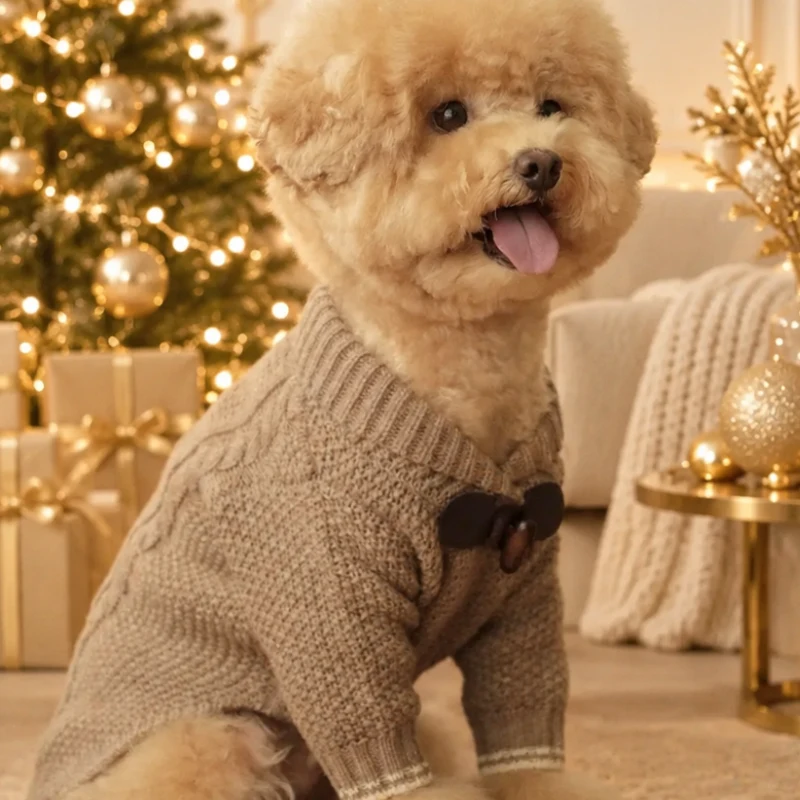 At CozzzypetsKnitted sweater
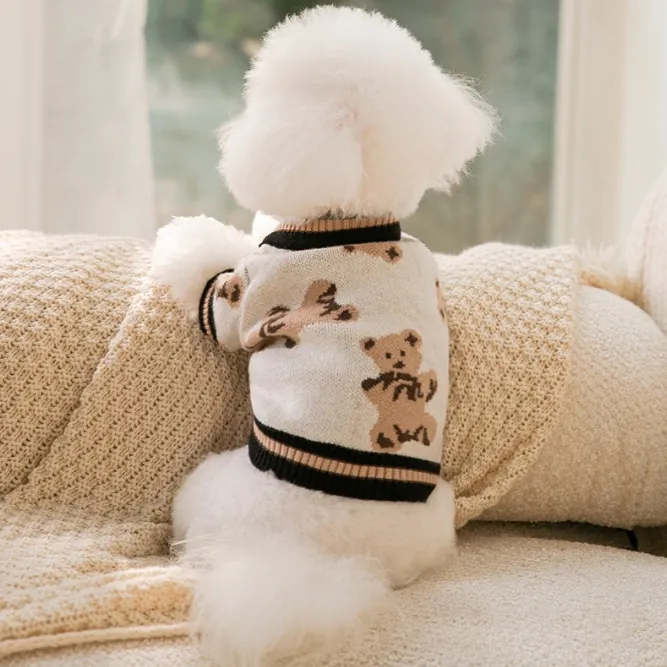 At CozzzypetsTeddy bear V-neck cardigan
The coat: for real winter
A coat adds what a sweater lacks: a barrier against wind, snow and moisture. It’s what you need when the temperature drops or the wind picks up. The AKC distinguishes lightweight coats, for cool weather, from insulated coats, for snow and extreme cold.
Ideal for:
- walks in cold, windy weather;
- falling or sticky snow;
- dogs who shiver outside even in a sweater.
Three options depending on your needs:
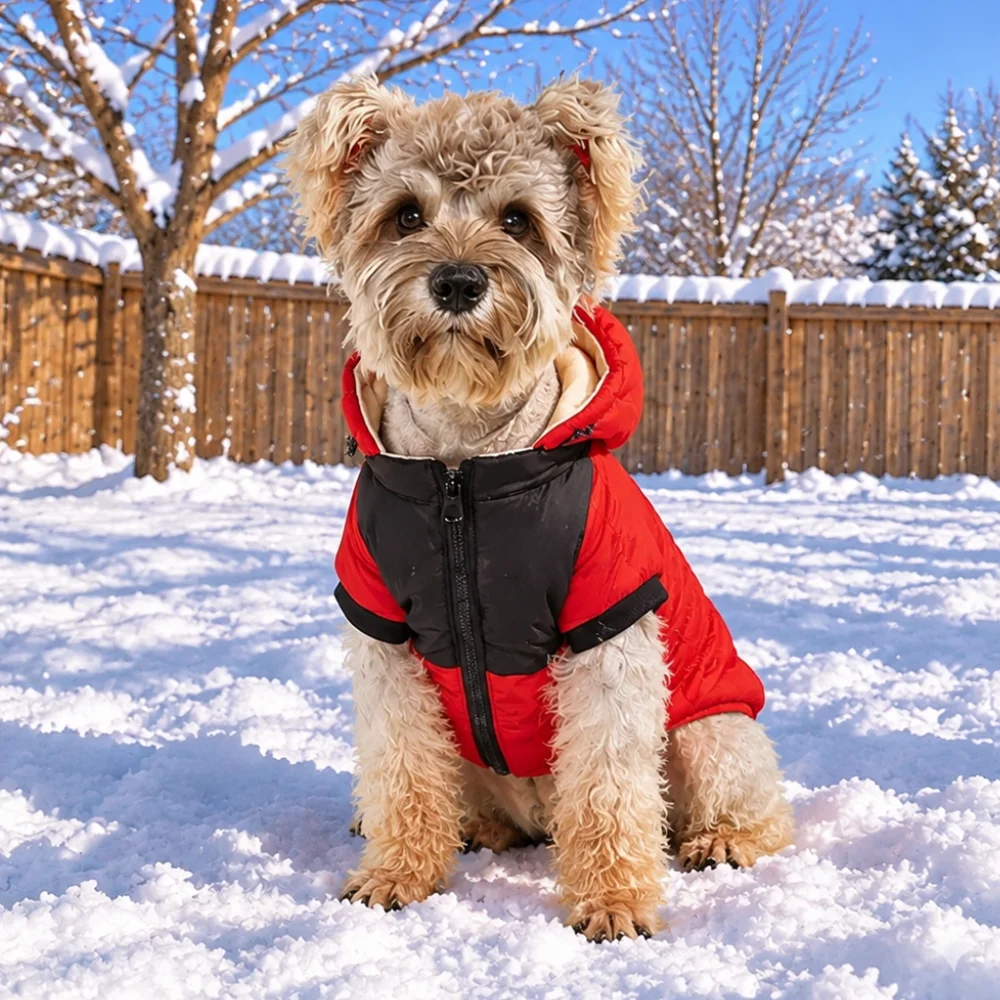
- The quilted, warm dog puffer jacket, for cold days.
- The hooded quilted coat, velvet-lined.
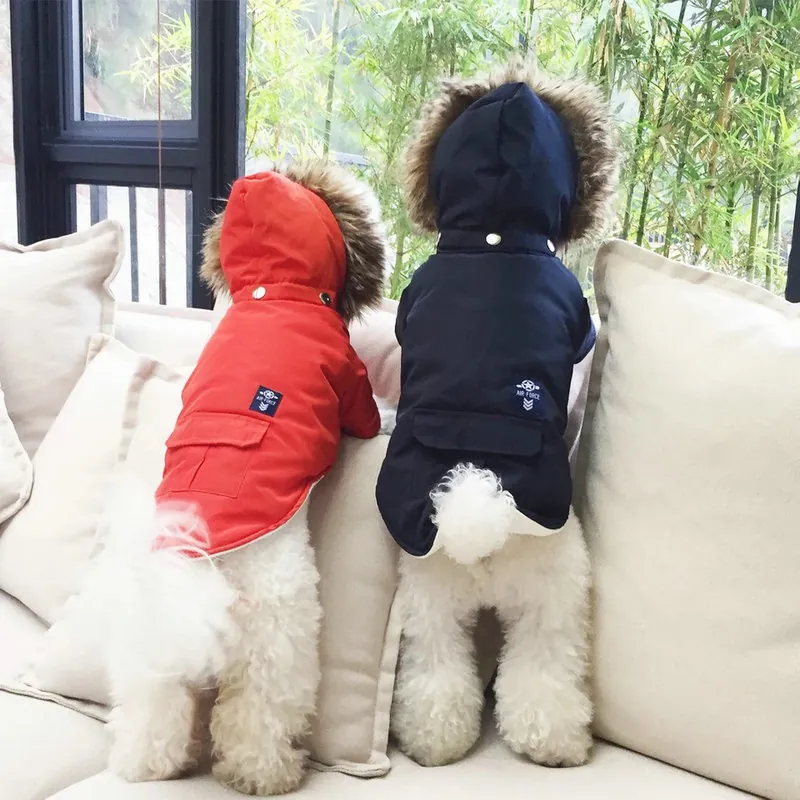
- The hooded winter coat, available in several colours.
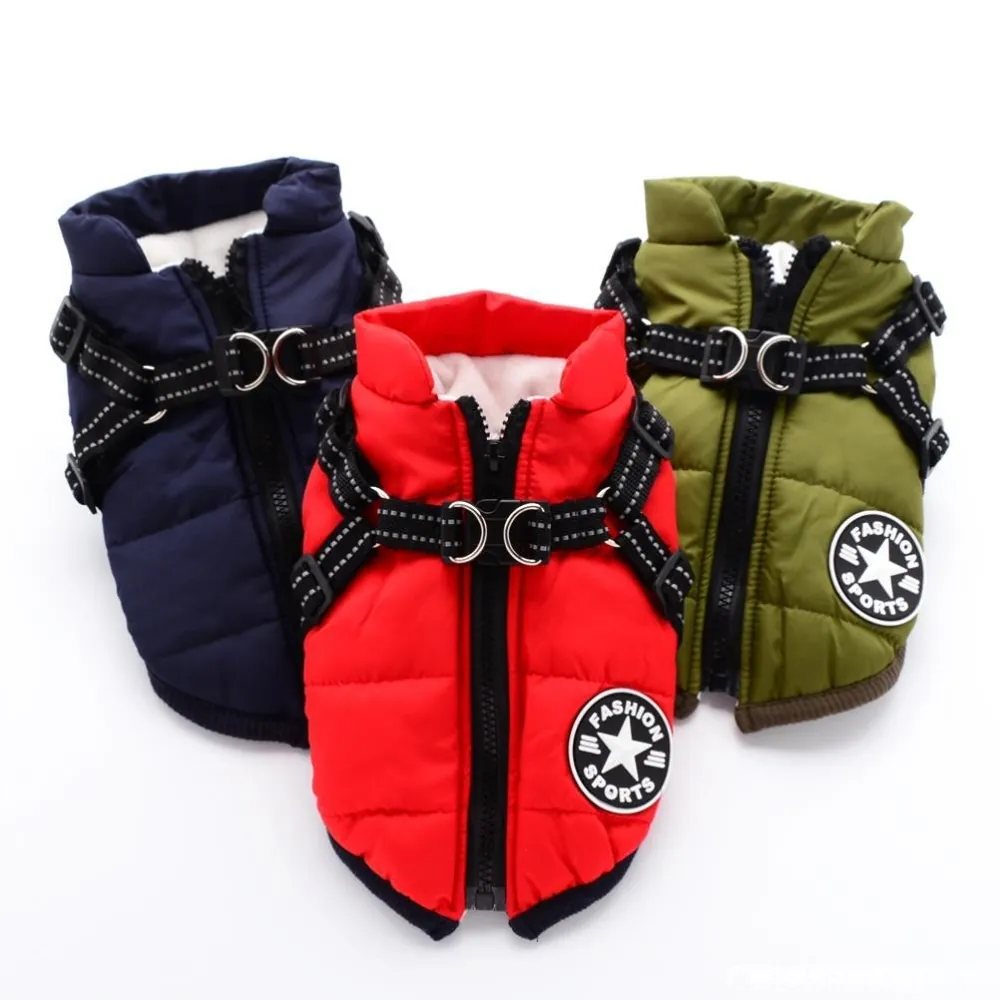 At CozzzypetsDog puffer jacket
The raincoat: for rain and slush
November and March have their specialty: cold rain and melting snow. A light raincoat keeps the coat dry. The AKC notes it’s useful even for dogs that handle cold well, because it protects against mud and cuts drying time when you get home. Your entryway floor will thank you.
Which one should you choose?
- Cool, dry day: the sweater.
- Chilly house, senior or short-coated dog: the sweater.
- Cold, wind or snow: the coat.
- Rain or slush: the raincoat.
- Extreme cold and a chilly dog: the coat, with a sweater underneath if the dog stays comfortable.
If you could only buy one for a Canadian winter, choose the coat: it covers the hardest days. But many owners end up with the combo, a sweater for indoors and cool days, a coat for real winter days.
How to choose the size
A poorly fitted garment won’t be worn for long. The AKC recommends measuring body length and the widest part of the chest, then following the chart for the garment you chose. In practice:
- Chest girth: the most important measurement. Wrap the tape just behind the front legs, at the widest point.
- Back length: from the base of the neck to the base of the tail, with the dog standing.
- Neck girth: where the collar sits.
Then compare with the chart on each product page or in our size guide. Between two sizes, take the larger one. You should be able to slide two fingers under the fabric, and your dog should be able to walk, run and play normally. Too tight, it restricts movement; too loose, the dog can get tangled in it.
Getting your dog used to wearing clothes
Some dogs freeze on the spot the first time they’re dressed. The AKC advises going gradually and making the experience positive:
- Let them sniff the garment, then reward them.
- Put it on for a few minutes at home, with a treat or a play session.
- Lengthen the time little by little, then head out for a short walk.
Within a few days, most dogs link their coat with walks… and start wiggling when you take it out.
Care
A coat picks up hair, salt and moisture. The AKC recommends washing it regularly, following the label, and never storing it damp. Dry it flat or on a hanger after every outing in the snow. Having two garments lets you alternate while one dries.
Frequently asked questions
My dog has a lot of fur. Do they need a coat?
Often not. Northern and double-coated breeds handle cold well. Watch them anyway: a senior, sick or freshly clipped dog may need help, even from a hardy breed. If they shiver, they’re cold.
Can the coat stay on all day?
Take it off indoors so your dog doesn’t overheat. A light sweater can stay on if the house is chilly, but check now and then that nothing rubs at the armpits and that the fabric is dry.
How long can we stay outside when it’s very cold?
Even well dressed, a dog shouldn’t stay out indefinitely. A veterinarian quoted by the AKC recommends, when the wind chill drops below about −7 °C (20 °F), play sessions of 15 to 20 minutes followed by warming up indoors. Adjust for your dog and ask your veterinarian if needed.
Should paws be protected too?
Clothing covers the body, not the paw pads. The AVMA recommends checking your dog’s paws regularly in winter and wiping them when you get home to remove salt and de-icing products.
Can a puppy wear a sweater?
Yes, and puppies are among the dogs that benefit most, according to the AKC. Choose a style that’s easy to put on and recheck the size often: a puppy grows fast.
Sources: AVMA, Cold Weather Animal Safety · AKC, Do Dogs Need Sweaters and Jackets in Winter?