Is my dog cold? 7 signs to watch for and what to do
Published October 26, 2026 · Updated November 17, 2026
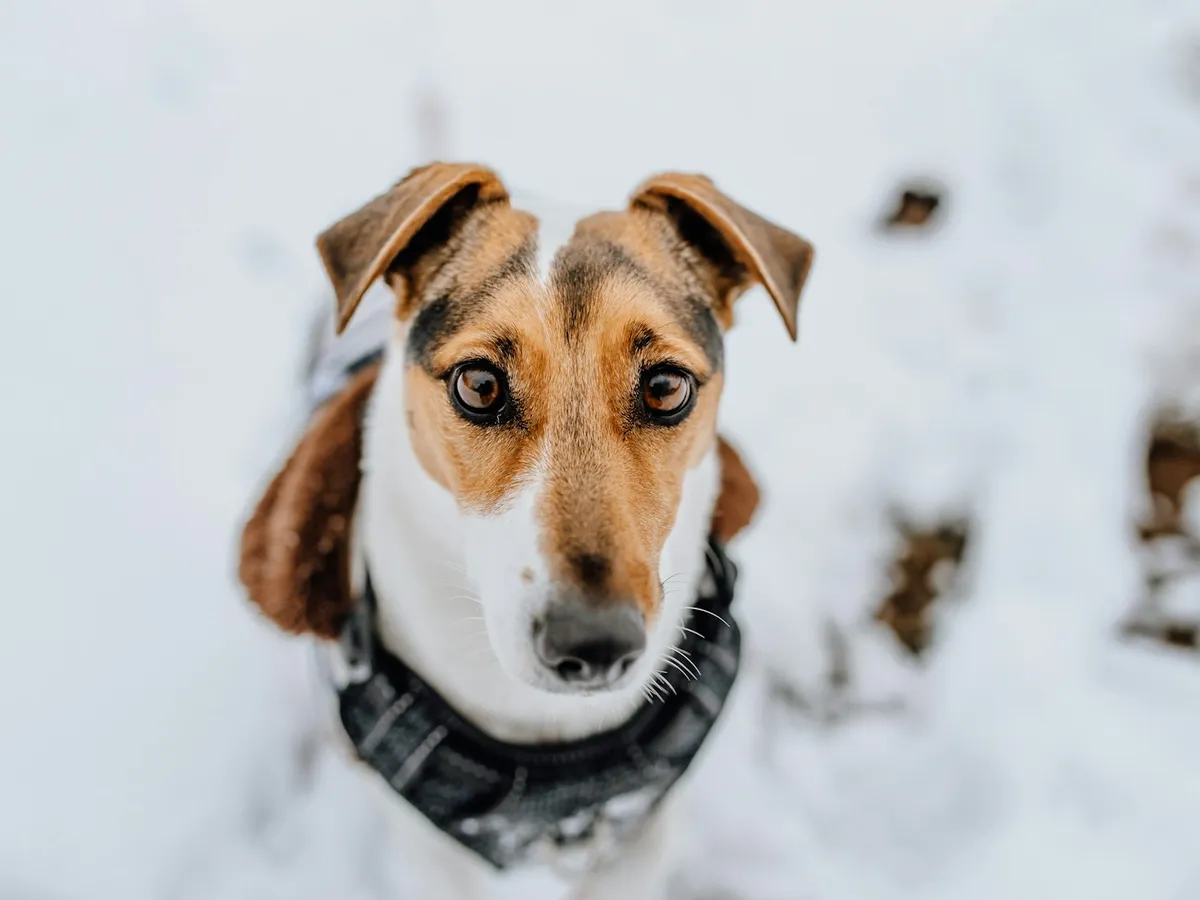
In short : Your dog is probably cold if they shiver, lift their paws, slow down, hunch up or want to go home. Small dogs, short-haired dogs, puppies and seniors feel it most: a coat, boots and shorter walks help.
Not all dogs handle winter the same way. A husky is built for snow; a chihuahua, much less. Since your dog can’t tell you they’re freezing, it’s up to you to read their body. The AVMA (American Veterinary Medical Association) recommends learning your dog’s limits and adjusting their time outdoors. Here are the seven signs to watch for, and what to do about each one.
7 signs your dog is cold
1. Shivering or trembling. It’s the clearest sign. According to the American Kennel Club (AKC), shivering is among the very first signals of a dog who is getting chilled. A shivering dog isn’t “getting used to it”: it’s time to head home.
2. Lifting one paw, then the other. As if the ground were burning. Cold, ice or salt is hurting the pads. Check for a snowball stuck between the toes.
3. Slowing down or refusing to walk. A dog who stops dead at the corner or sits down isn’t being stubborn: they’re telling you they’ve had enough.
4. Wanting to go home. Pulling toward the house, turning around again and again, or bolting for the door as soon as the bathroom break is done.
5. Hunching up. Rounded back, tucked tail, body pulled in tight: they’re trying to hold on to heat. Cornell University’s Riney Canine Health Center lists a tucked tail and hunched posture among the signs to watch for.
6. Whining, barking or getting anxious. Cornell also mentions whining, barking and sudden anxiety. Some dogs look for shelter: under a bench, behind a car, against your legs.
7. Sluggish or tired after the walk. A dog who stays listless once inside, or keeps shivering, got too cold.
When should you worry?
The signs above mean “let’s go in.” Others mean “let’s call.” According to the AKC, a dog who gets too cold becomes sluggish, reflexes slow down, breathing becomes slower and shallower, and the gums turn pale. In that case, the AKC recommends moving the dog somewhere warm, wrapping them in blankets and contacting your vet immediately.
Frostbite mostly affects the ears, paws and tail tip, Cornell notes, and it doesn’t always show right away. If you have any doubt after an outing in extreme cold, call your veterinarian: they’re the only person who can assess your dog.
Dogs that feel the cold most
- Small dogs. They’re closer to the snowy ground and lose heat faster.
- Short-haired dogs or dogs with no undercoat. Greyhound, boxer, chihuahua, bulldog, pinscher: their coat barely insulates.
- Puppies and seniors. The AKC places them, along with small and short-coated dogs, among those who lose body heat most rapidly.
- Lean dogs, who have few reserves, and wet dogs: damp fur chills much faster than dry fur.
On the other hand, northern breeds with a thick double coat tolerate cold well, but no dog is immune. The AVMA points out that tolerance varies from one animal to the next depending on coat, body fat, activity level and health.
Indoors, too
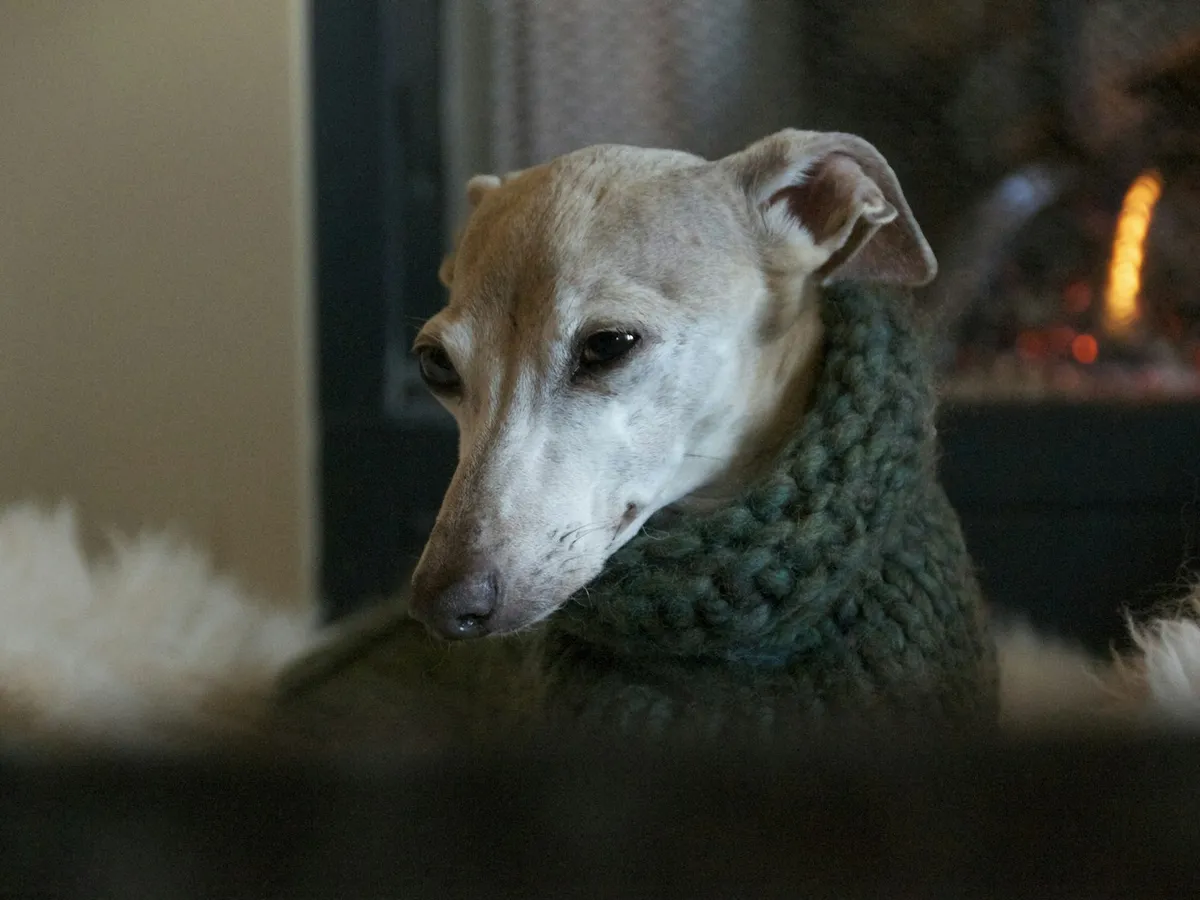
A dog can be cold inside, especially at night or in a home with chilly floors. The clues: sleeping in a tight ball with the nose under the tail, seeking out heat vents or sunbeams, pressing against you or burrowing under blankets, avoiding a bed placed near a door or window.
The fix is often simple: move the bed away from drafts, raise it off the cold floor and add a warm layer. Our article How to keep your dog warm at night covers it all.
How to keep them warm
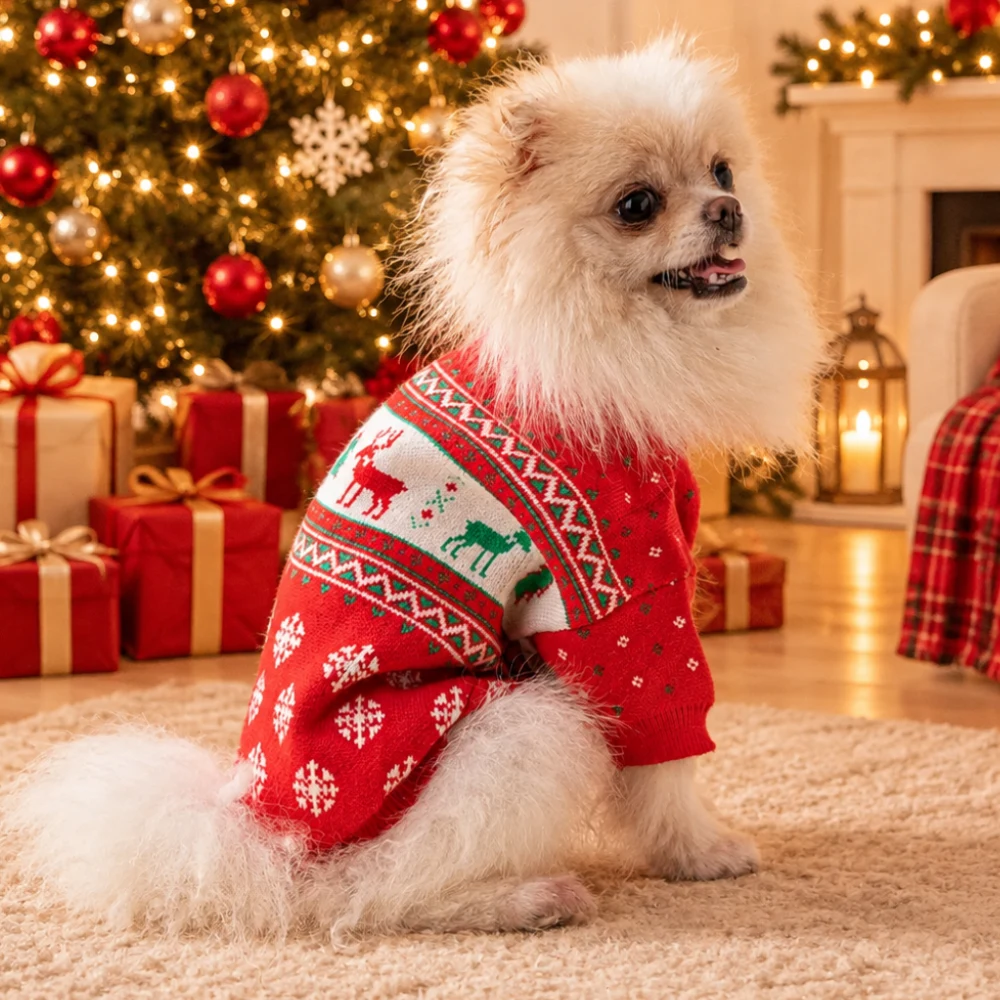
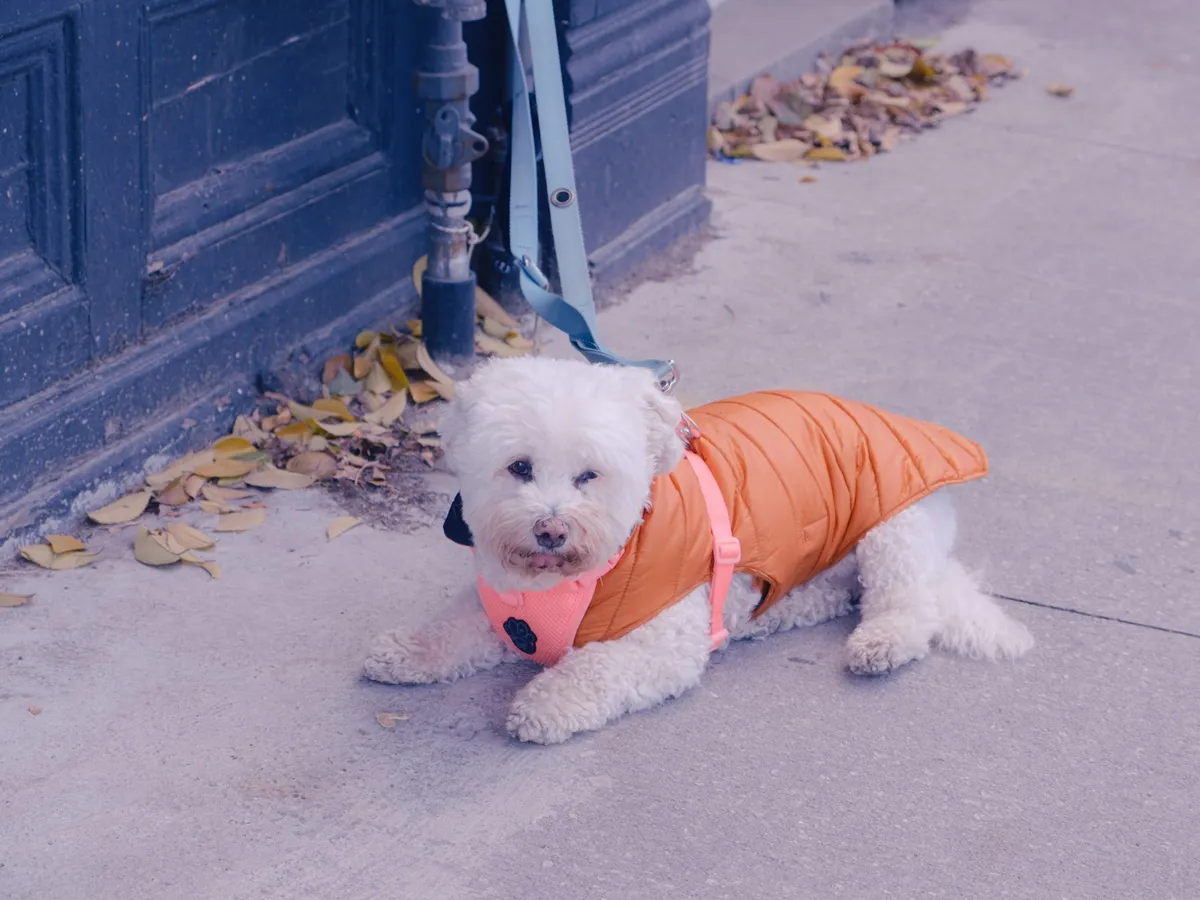
A coat or sweater. The AVMA suggests a coat or sweater for short-haired or cold-sensitive dogs. A padded hooded coat blocks the wind on walks; a knitted sweater suits small chilly dogs on cool days or indoors. The AVMA adds that a wet garment makes a dog colder: keep a dry spare on hand. If you can’t decide between the two, read Dog sweater or coat. For the right size, measure the back and chest and check our size guide.
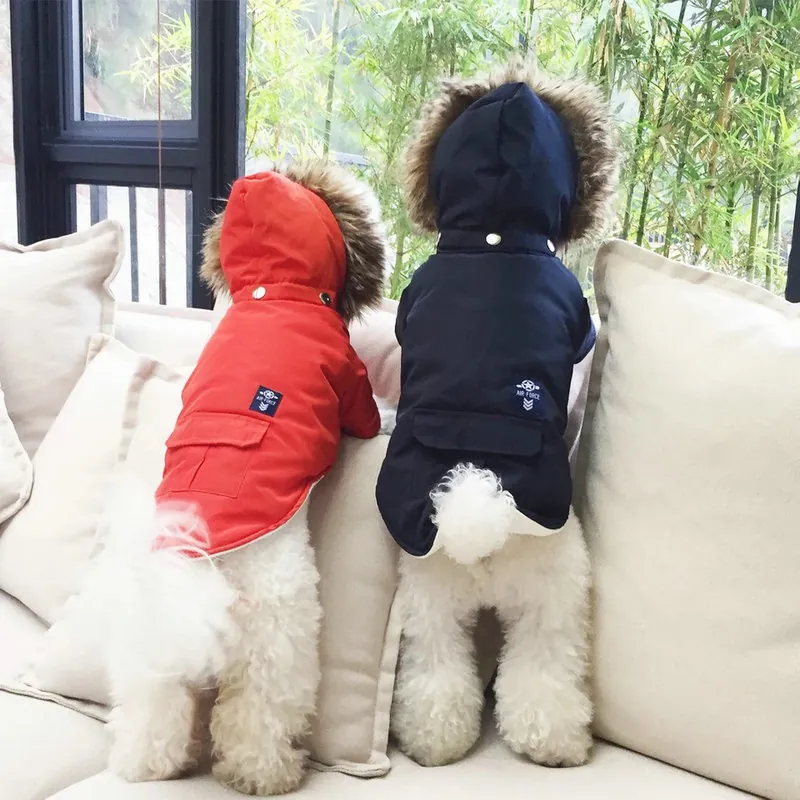 At CozzzypetsHooded winter coat
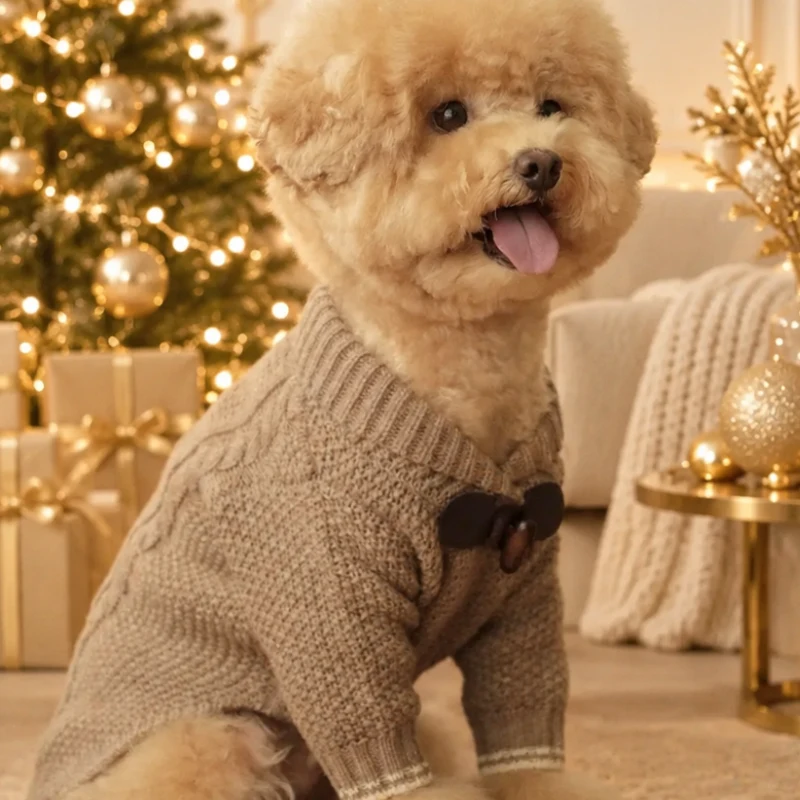 At CozzzypetsKnitted sweater
Boots. They protect paws from packed snow and salt. They should fit snugly without squeezing. Our non-slip boots, sold as a set of 4, are lined and designed for small dogs.
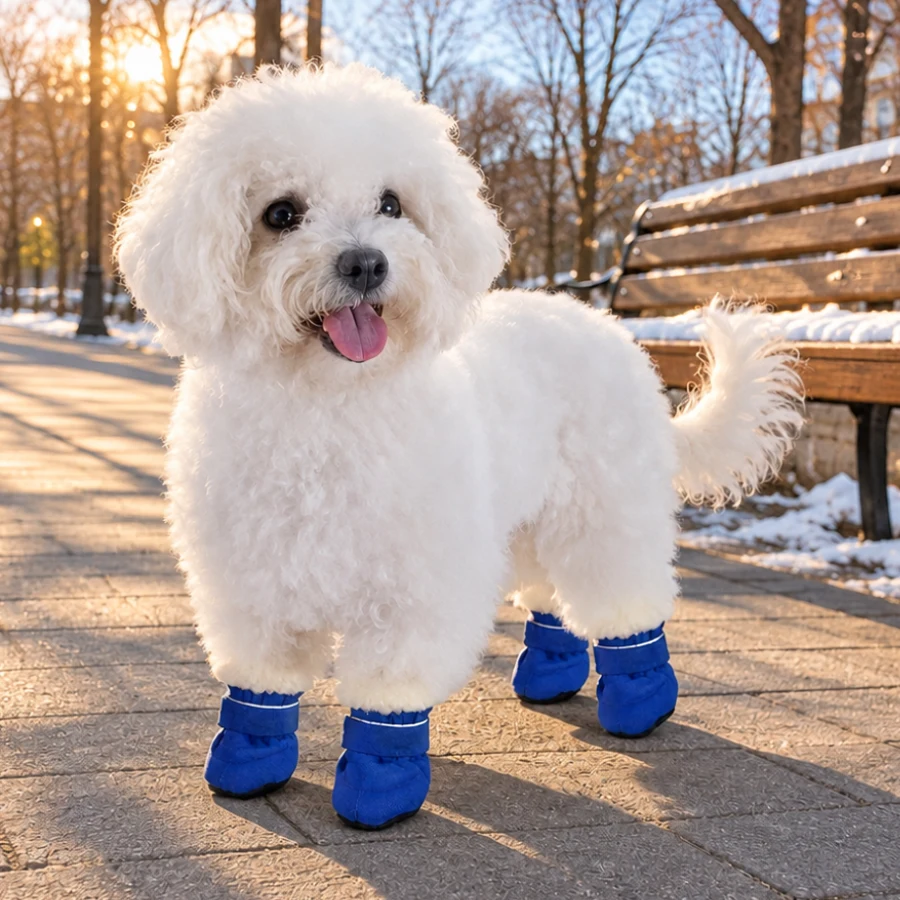 At CozzzypetsNon-slip winter boots (set of 4)
Shorter walks. In extreme cold, take several short outings instead of one long one. Cornell offers a good rule of thumb: if it’s too cold for you, it’s likely too cold for your dog. Our article Extreme cold: how long should you walk your dog? explains what to do.
A dry dog. Dry them after a bath and before going out, and wipe them down when you get back. Damp fur is their worst enemy in winter.
A warm spot at home. A self-warming mat in their bed holds their own body heat, with no cord or electricity. It also fits in a crate or on the couch.
Mistakes to avoid
- Assuming fur is always enough. Even a long-haired dog can get cold when wet, elderly or standing still for a long time.
- Shaving them short in winter. Cornell advises against clipping too short during the cold season: the coat is their insulation.
- Leaving them in the car. A parked car cools quickly and can become dangerously cold, the AVMA and Cornell both warn.
- Leaving clothing on an unsupervised dog. The AKC notes that a coat is no substitute for your attention.
Frequently asked questions
At what temperature does my dog get cold?
There’s no single number: it depends on breed, size, coat, age, wind and moisture. Watch for the signs above and shorten outings when it’s very cold.
Does a long-haired dog need a coat?
Often not, unless they’re elderly, sick or very small. Boots are still useful against salt.
My dog is shivering, but it isn’t cold. Why?
A dog can also tremble from excitement, fear or because they don’t feel well. If the shivering keeps coming back for no obvious reason, talk to your veterinarian.
Do cold ears mean my dog is cold?
Not necessarily: ears are naturally cooler than the rest of the body. Look at the whole picture instead: shivering, posture, wanting to go home.
Is my dog cold at night?
If they curl into a tight ball, seek out warmth or keep changing spots, maybe. Move the bed away from drafts and add a blanket or a warm mat.
Sources: AVMA, Cold Weather Animal Safety · Cornell Riney Canine Health Center, Winter safety tips · AKC, Hypothermia in Dogs