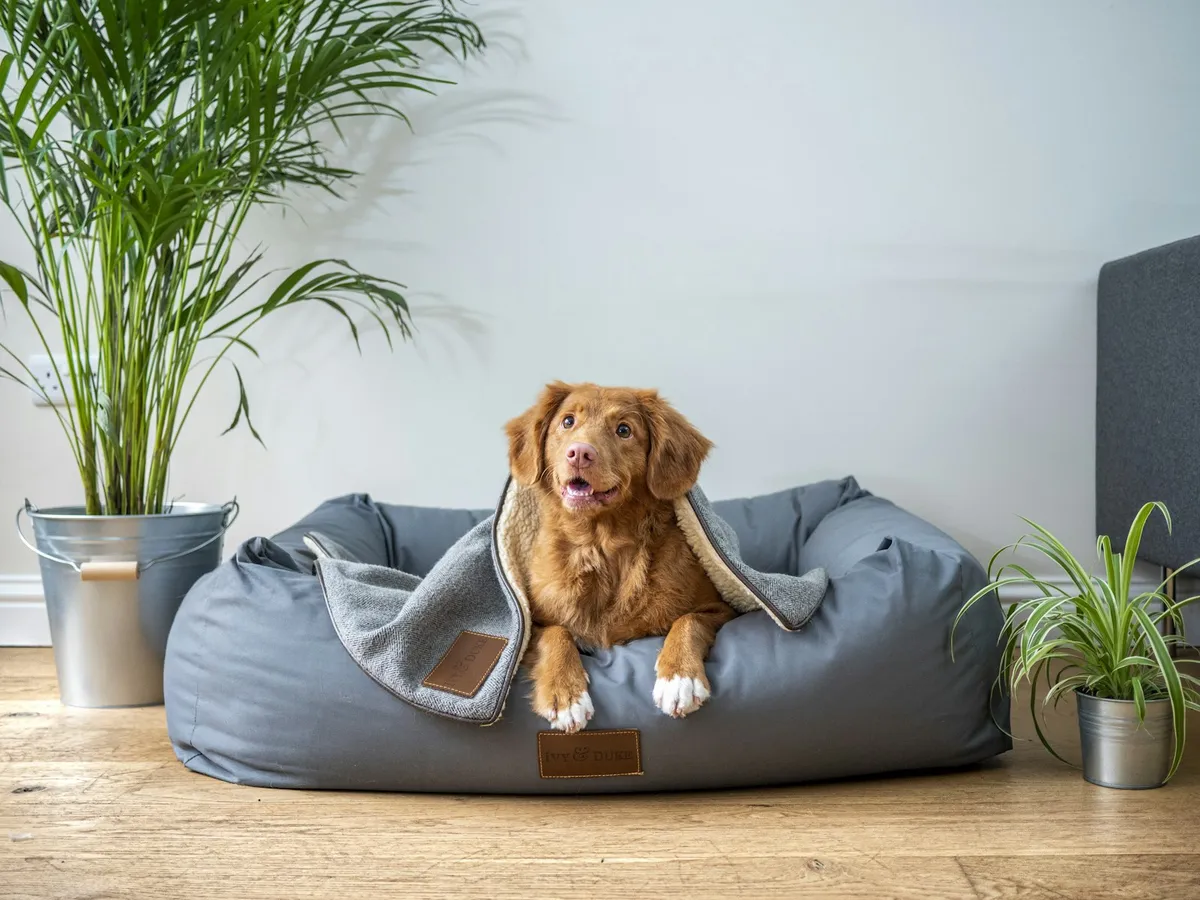
Senior dog in winter: 7 ways to keep them warm and comfortable
Published October 26, 2026 · Updated November 16, 2026
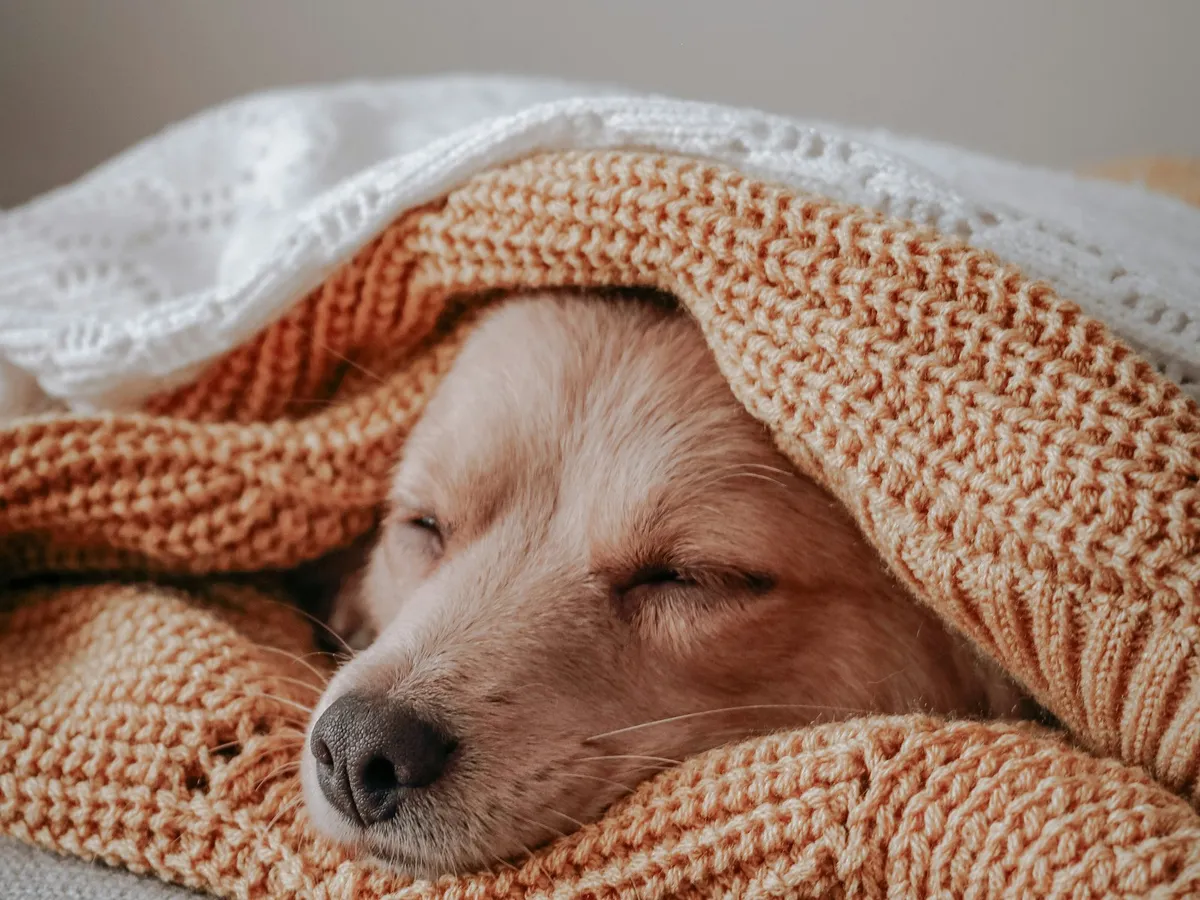
In short : Give them a thick bed away from the cold floor and doors, a light sweater if the house is cool, short and frequent walks, and non-slip rugs to help them get up. If they seem stiff or shiver a lot, talk to your veterinarian.
To keep a senior dog warm and comfortable in winter, focus on three things: a thick bed placed away from drafts, shorter but more frequent outings with a coat and good footing on ice, and a home where they can get up and move around without slipping. Everything else is small touches that make a big difference day to day.
With age, many dogs become more sensitive to cold and slower to get up in the morning. Cornell University’s Riney Canine Health Center explains that older, underweight or ill dogs may have a harder time staying warm, and that ice and snow make getting around harder for dogs with stiff joints. The AVMA also notes that cold tolerance varies from pet to pet, so routines should be adjusted. Here are seven simple ways to make their winter gentler.
Why a senior dog feels the cold more
A few things change over the years:
- They move less. A dog who naps most of the day produces less heat than a young dog racing around.
- They lose muscle mass. Less muscle means less natural “insulation,” especially in lean or short-coated dogs.
- They lie in the same spot for longer. If that spot is a cold floor or a drafty corner, they feel it for hours.
- They are less steady. On ice or hardwood, they slip more easily and hesitate to move.
Every dog is different: a large double-coated 11-year-old does not experience winter like a small, short-haired 14-year-old. Watch yours and adjust.
1. A thick bed, away from the cold floor
This is the priority. A senior dog spends long hours lying down: the bed should insulate them from the floor and be easy to settle into.
- Choose a well-padded bed, big enough for a full stretch.
- Go for a low model they can step into without climbing over a tall edge.
- A washable cover is precious: older dogs’ beds get washed often.
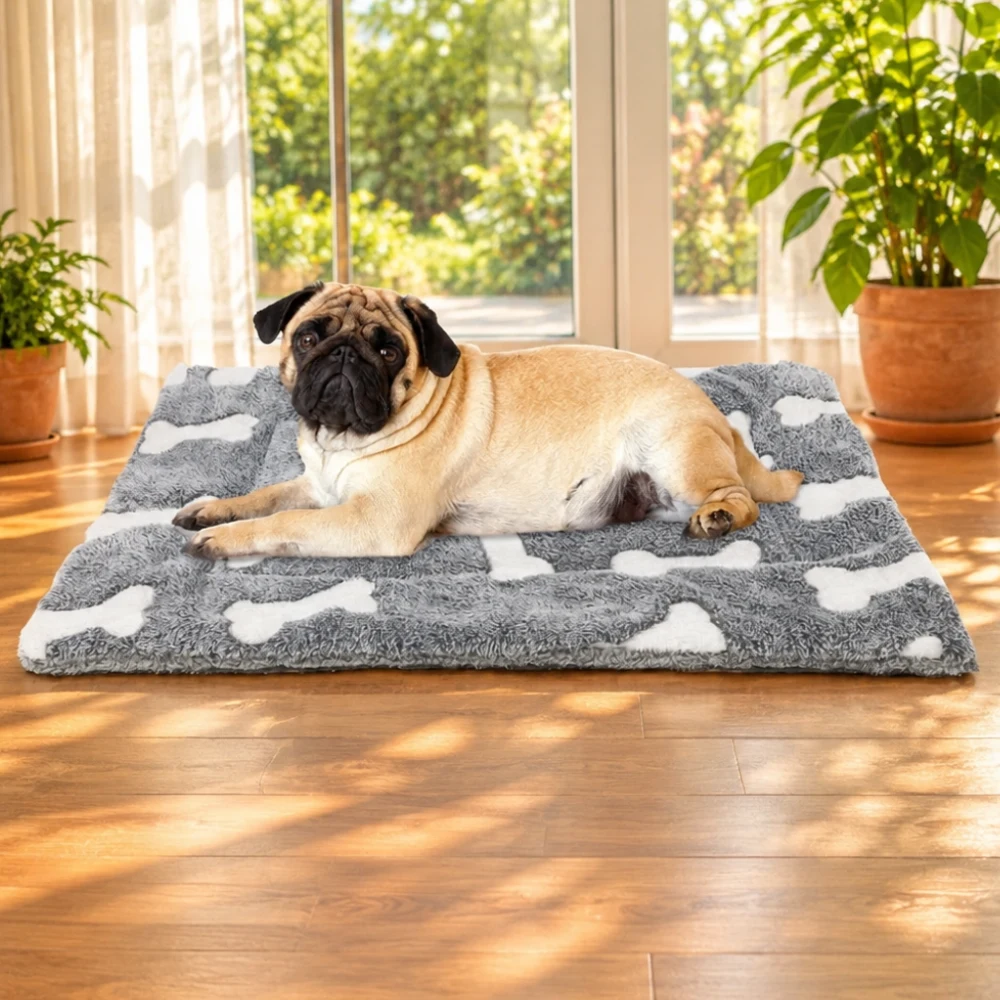
The plush mat bed with washable cover has raised edges to rest the head and a cover that goes in the washer. The waterproof mattress is handy if your companion has the odd accident or comes in with wet paws. For a dog who loves a headrest, the corduroy sofa bed with bolster offers support all around.
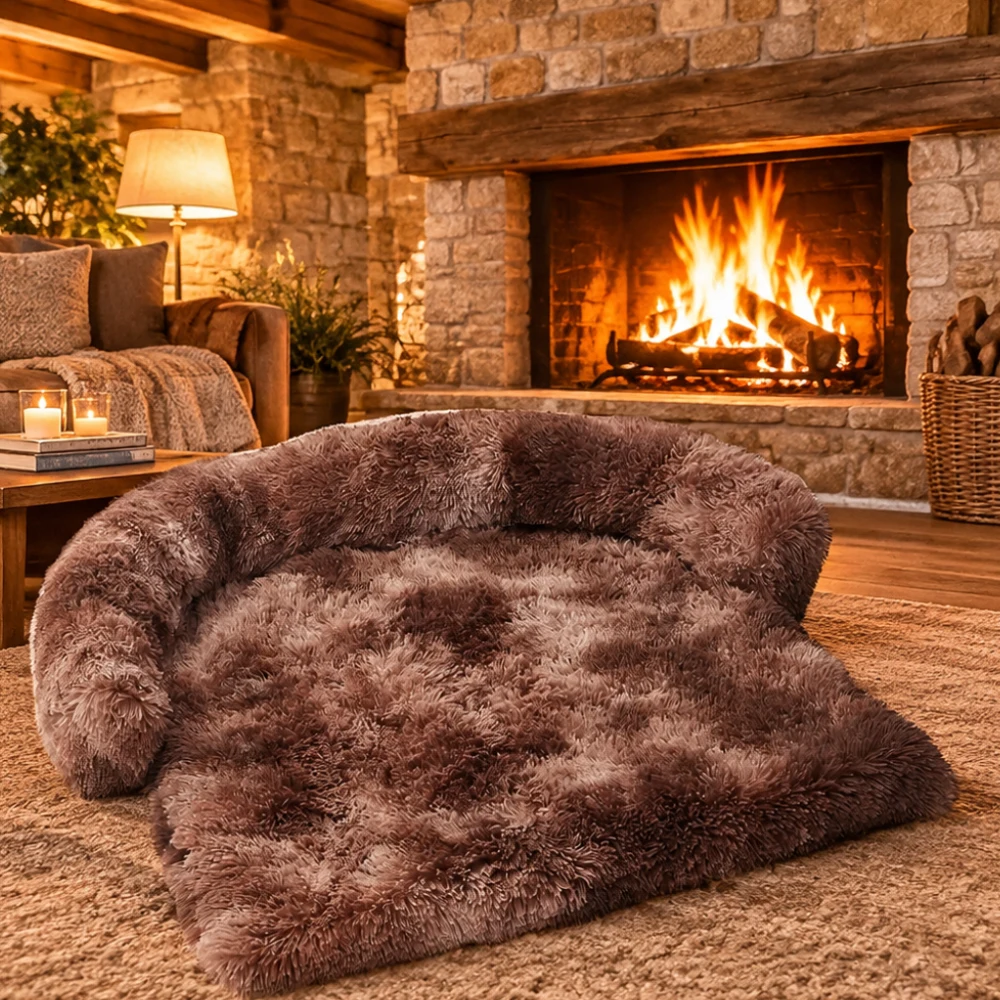 At CozzzypetsFluffy bed mat with washable cover
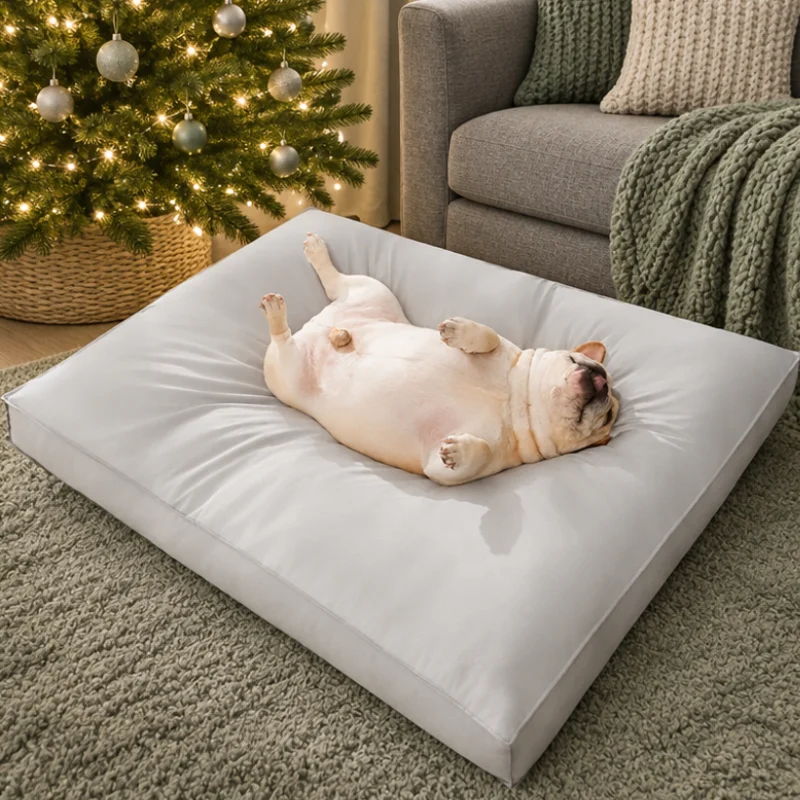 At CozzzypetsWaterproof dog mattressFrom
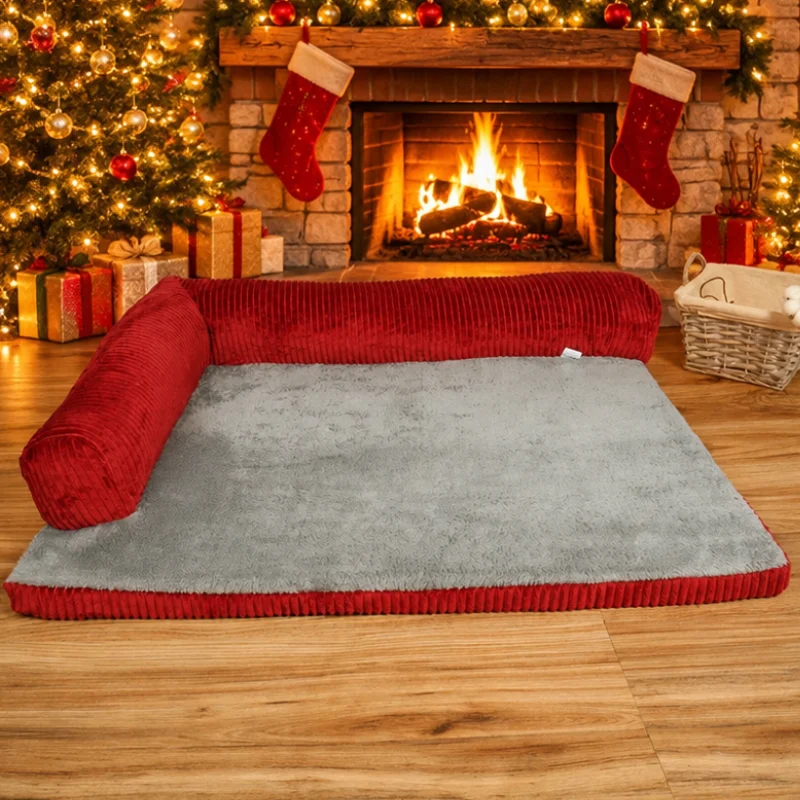 At CozzzypetsCorduroy sofa dog bed with bolsterFrom
2. A mat that holds warmth
The self-warming mat reflects your dog’s own body heat, with no cord and no electricity. Place it in their bed, on the couch or in their favourite nap corner. With nothing to plug in, there is no cord to chew and no setting to monitor.
3. The right spot
A good bed in the wrong place is still a cold bed. Try this: sit on the floor where they sleep. Do you feel a draft?
- Move the bed away from exterior doors and windows.
- Avoid pushing it right against a radiator or baseboard heater: they should be able to move away if they get too warm.
- Keep it near the family. An old dog likes to be where things happen, without climbing stairs.
- In a two-storey home, set up one bed per floor to save them trips.
4. A sweater indoors, a coat outdoors
According to Cornell, small dogs, older dogs and thin-coated dogs benefit from a sweater or jacket in cold weather.
- Indoors, a light knit sweater can help them hold their warmth if the house is cool at night or you turn the heat down. Take it off if they pant or seek out cool spots.
- Outdoors, pick a coat that covers the back and chest well, like the hooded winter coat or the puffer jacket for dogs. A garment that covers the belly also cuts down on snowballs clinging to the fur.
Measure their neck, chest and back and compare with the size guide on each product page: too tight restricts movement, too loose lets the cold in.
5. Short, frequent walks
Several small outings beat one long one. Your dog keeps moving, which is good for their mood, without staying out in the cold too long.
- Head out during the mildest hours of the day when you can.
- Let them set the pace: if they stop, lift their paws or turn back, go home.
- Non-slip winter booties help with balance on ice and keep salt off their pads. Practise indoors for a few minutes at a time before the first real outing.
- Cornell suggests shovelling a small path in the yard: a less steady dog moves far more easily there than in deep snow.
- Back inside, wipe their paws, legs and belly to remove snow and salt.
Signs they are cold, according to Cornell: shivering, whining, a tucked tail, a hunched posture, lifting paws or refusing to walk.
6. Watch for slippery surfaces
Hardwood, tile and smooth stairs are tough for a dog who has lost confidence.
- Lay non-slip rugs in high-traffic spots: entryway, hallway, in front of the bed and bowls.
- Add a mat where they get up: standing up is when they slip most.
- To reach the couch or bed without jumping, 3-step foam stairs offer a gentle climb.
- Keep nails short and the fur between the pads trimmed for better grip.
7. A place to snuggle
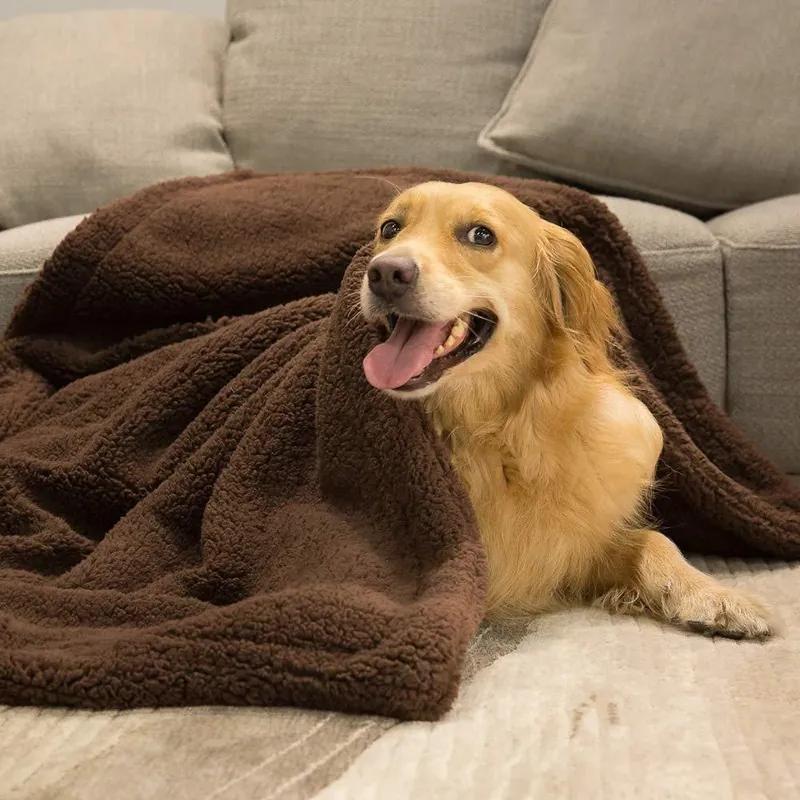
Many senior dogs love to burrow under a blanket for a nap. A soft sherpa blanket in their bed or on the couch lets them cover up or uncover as they please. Wash it regularly: it holds the smell of home, which is reassuring when someone else looks after them.
A typical winter day for an older dog
- Morning: a short outing with the coat, then breakfast. Give them time to loosen up before heading out.
- Late morning: a nap in bed, away from drafts.
- Noon: a little walk at the mildest time.
- Afternoon: a calm indoor game, like a snuffle ball with a few kibbles.
- Evening: a quick last outing, then sleep under their blanket.
Which one to choose?
- Your dog sleeps on the floor or a flattened old cushion: start with the bed. It changes their daily life the most.
- They have a good bed but always seek warmth: add the self-warming mat or a sherpa blanket.
- They hesitate to go out or slip outside: coat and booties first.
- They slip indoors: non-slip rugs and small stairs for the couch.
Our For you: senior dog page gathers our ideas for older companions.
Frequently asked questions
My old dog sleeps a lot more in winter. Is that normal?
Senior dogs often sleep more, and short, cold days invite naps. A sudden change in habits (not wanting to get up, not eating, seeming disoriented) deserves a vet visit, though.
Does a senior dog need a coat?
For cold-weather outings, a coat can help them stay warm, especially if they are small, lean or short-haired. Cornell lists older dogs among those who benefit from winter clothing.
At what temperature should walks be shortened?
There is no magic number: it depends on size, coat, wind and humidity. Cornell’s simple rule: if it is too cold for you, it is likely too cold for your dog. Go by their behaviour.
Should an older dog be shaved or clipped short in winter?
Best to avoid it: the coat is their first layer of insulation. Cornell recommends not clipping the coat too short in winter. You can trim a little where snow tends to cling.
My dog refuses booties. What can I do?
Go gradually: one bootie at a time, a few minutes indoors, with treats. If they never accept them, wipe their paws well after walks and choose cleared routes.
Sources: Cornell University, Riney Canine Health Center, Winter Safety Tips · AVMA, Cold Weather Animal Safety