My dog sheds a lot: how to brush them (and save your clothes)
Published October 26, 2026 · Updated November 16, 2026
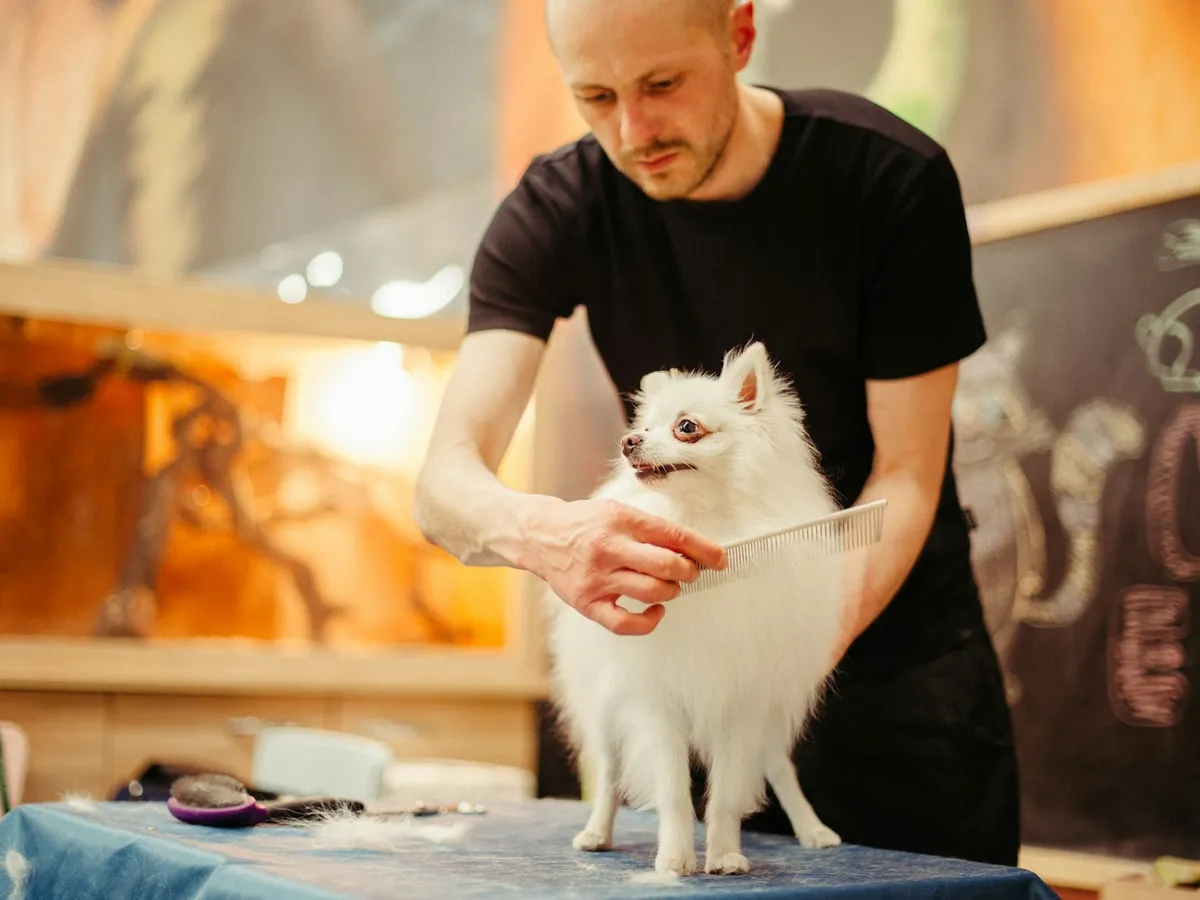
In short : It’s often spring and fall shedding, especially in dogs with an undercoat. Brush for a few minutes several times a week, daily during shedding season, and finish with a glove. Bald patches, redness or itching: see your veterinarian.
This article contains affiliate links: if you buy through them, Cozzzypets may earn a small commission at no cost to you. As an Amazon Associate, we earn from qualifying purchases.
Hair on the couch, on your black pants, floating in your morning coffee: if you live with a dog, you know the drill. And twice a year, in spring and fall, it can feel like there’s enough fur around to knit a second dog. The good news: it’s usually completely normal, and a simple brushing routine really does change your life… and the state of your clothes.
Here’s why your dog sheds so much, how to brush them without giving up your evenings, and how to keep the house livable during shedding season.
Why does my dog shed so much?
Seasonal shedding
Many dogs have a two-layer coat. The American Kennel Club (AKC) describes it this way: underneath, a soft, dense undercoat that insulates; on top, longer guard hairs that give the coat its colour and protect the skin from sunburn and insect bites. Golden Retrievers, Labradors, German Shepherds, Border Collies and Siberian Huskies are good examples.
In these dogs, it’s mostly the undercoat that comes out, in tufts, when the coat renews itself: in spring, the thick winter coat lightens up; in fall, it makes room for a new one. For a few weeks it feels like it will never end. It does.
Breed and coat type
Not all dogs shed the same amount. Dogs with a single layer of hair, such as Poodles, Maltese, Greyhounds and Boxers, to use the AKC’s examples, often leave less behind. But “less” doesn’t mean “none”: a short-coated dog drops fine little hairs that weave into fabric, and a curly-coated dog holds its dead hair in the coat, where it mats if it isn’t brushed out.
Indoor living
A dog that lives in a heated, well-lit home all year often sheds a little all the time, with peaks in spring and fall. Dry winter air can also affect the skin and coat.
When it’s more than shedding
Normal shedding means lots of hair, but healthy skin underneath. Bald patches, redness, scabs, an unusual smell, a dog that scratches or licks constantly: that’s no longer shedding. Book a visit with your veterinarian.
The brushing routine that makes the difference
As the AKC points out, regular brushing removes dead hair, prevents matting and lets air circulate through the coat. Every hair that ends up in the brush is one less on the couch. Here’s the routine, step by step.
1. Brush often, not for long
Five minutes several times a week beats one hour once a month. During heavy shedding, switch to a short session every day. Your dog gets used to it, and so do you.
2. Pick the right moment
After a walk or a play session, when your dog is calm. Settle in the same spot each time, with a few treats within reach. For a puppy or a dog that dislikes the brush, start with a few strokes on the back, reward, and stop before they’ve had enough.
3. Work in sections
Start with the back and sides, in the direction of hair growth. Then go gently against the grain to lift the undercoat, and smooth it back down. Leave the sensitive areas for last: the belly, the back of the thighs, the tail and behind the ears, where mats form fastest.
4. Use a tool that empties easily
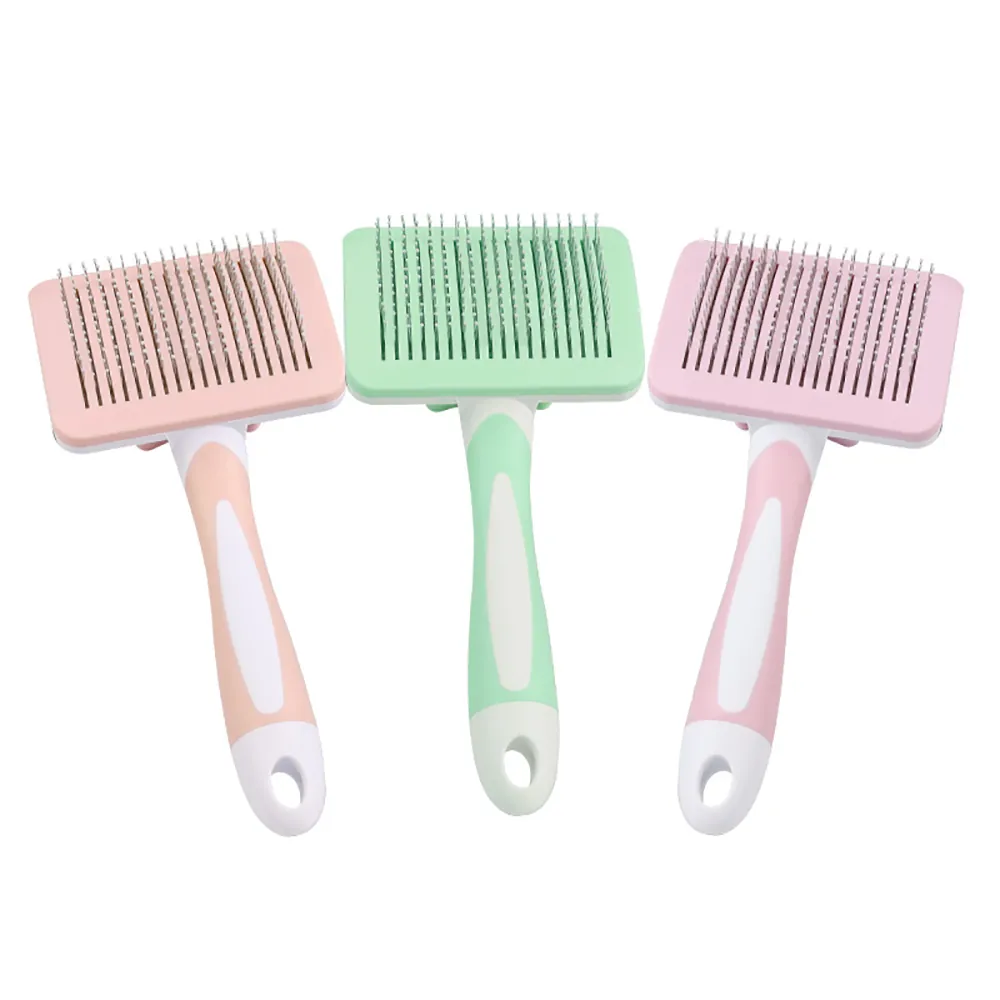
A self-cleaning slicker brush holds the dead hair, and a button drops it all in one click: no picking hair out by hand between passes. For a long or thick coat, a self-cleaning comb with steel teeth helps you check that no tangles are left.
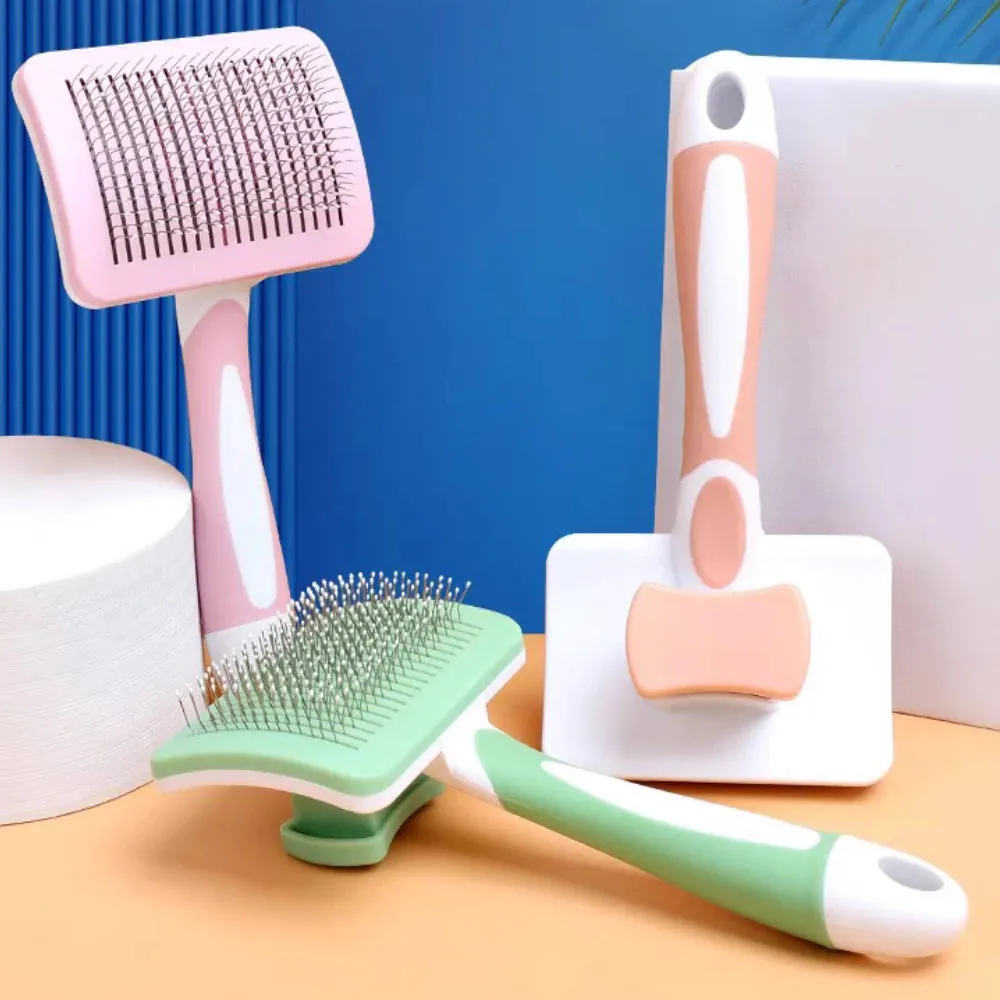 At CozzzypetsSelf-cleaning slicker brush
 At CozzzypetsSelf-cleaning combFrom
5. Finish with a glove
The bath grooming glove picks up the last hairs on the legs, chest and head, where a brush is less handy. To your dog, it feels like one long pet: a nice way to end the session.
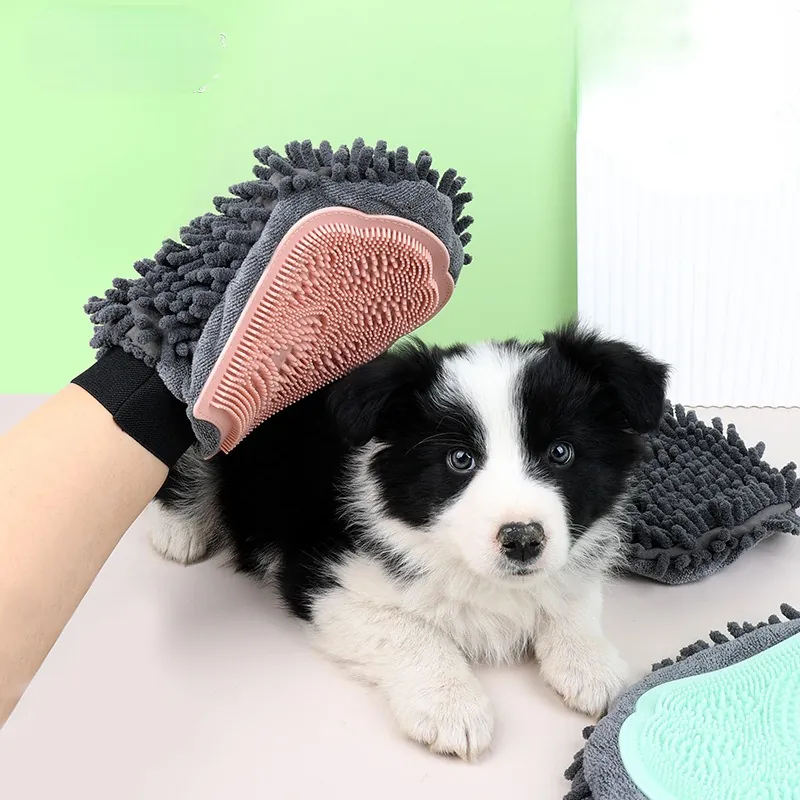 At CozzzypetsBath grooming glove
6. Brush outside when you can
On the balcony, in the yard or in the garage during heavy shedding. Otherwise, spread an old sheet on the floor and shake it out outdoors afterward.
A bath gives you a head start
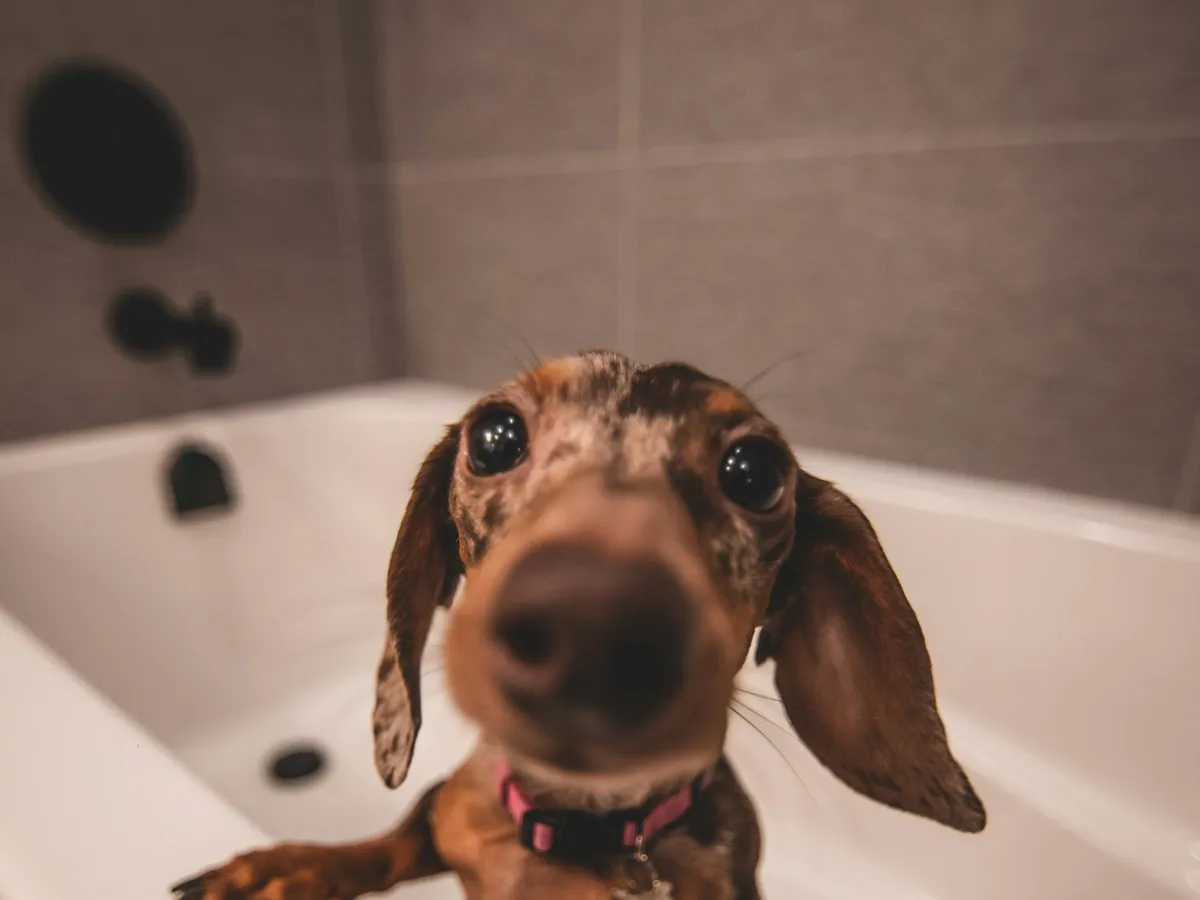
A bath during shedding season helps loosen a lot of dead hair in one go. Brush first to work out tangles, wash with a dog shampoo, rinse very well, then brush again once the coat is completely dry: that’s when the undercoat comes out best.
Don’t overdo it, though. According to the groomers quoted by the AKC, bathing too often can strip the skin’s natural oils and interfere with the insulating role of a double coat.
Protecting the house (and your clothes)
Even with the best routine, some hair will remain. A few simple habits limit the damage:
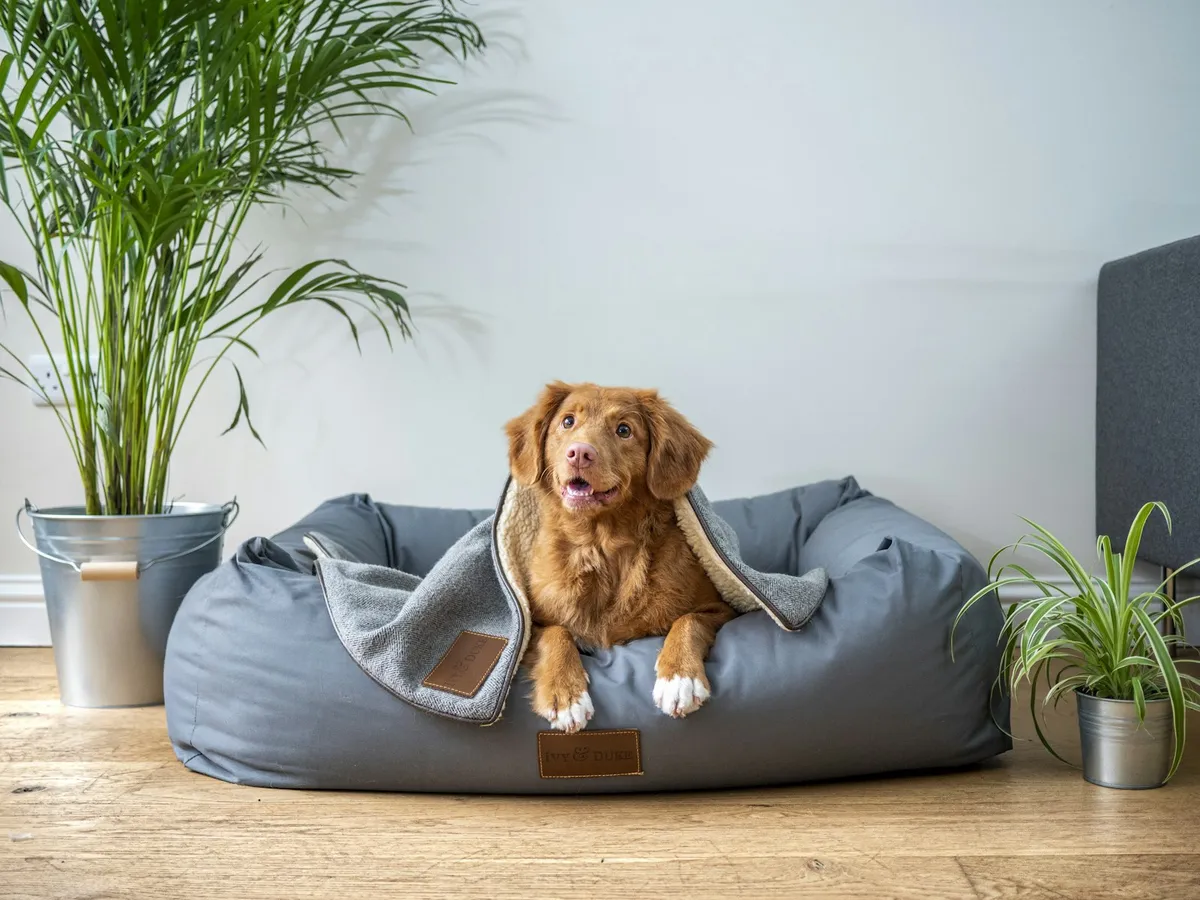
- Give your dog a spot of their own. A waterproof dog mattress with a removable, washable cover keeps the hair in one place.
- Cover their corner of the couch. The fluffy bed mat with washable cover sits right on the sofa; to cover the whole thing, the quilted sofa cover is reversible and machine washable.
- Keep a hair remover within reach. The reusable pet hair remover brush works without sticky refills: a few back-and-forth strokes on the couch or your coat, and the hair ends up in its chamber. One near the front door is ideal before you head out.
- Wash their bedding often. Shake it out outside before it goes in the washer.
- Vacuum more often, for less time. During shedding season, a quick pass every other day beats the big Saturday clean.
- Put dark clothes away. A black coat left on the back of a chair quickly becomes a hair magnet.
Want it all in one go? The Pink Grooming Set brings together the self-cleaning brush, the grooming glove and a nail clipper.
Mistakes to avoid
- Shaving a double-coated dog. The AKC advises against it: the coat acts as insulation, and shaving can change its texture, make it grow back unevenly and expose the skin to sunburn. If you think a clip is needed, talk to your veterinarian or a groomer first.
- Yanking a brush through a dirty, tangled coat. Work mats out gently, holding the hair close to the skin, or leave the big ones to a groomer.
- Waiting for shedding season to end. The longer you wait, the more dead undercoat builds up and tangles.
- Using human shampoo. Choose a product made for dogs.
Frequently asked questions
How long does shedding season last?
It varies from dog to dog, but heavy shedding generally stretches over a few weeks, in spring and again in fall. Daily brushing during that time helps the old coat leave faster… into the brush rather than around the house.
Should I shave a dog that sheds a lot?
For double-coated dogs, the AKC advises against it: the coat insulates them, and regrowth can be patchy. Brushing remains the best solution. For single-coated dogs, a trim by a groomer is possible, but never down to the skin.
Are there dogs that don’t shed?
No dog sheds zero hair. Some breeds shed very little, like the Poodle, but their hair grows continuously and needs regular trims and brushing. Less hair on the floor, more grooming: there’s no such thing as a no-maintenance coat.
Does a bath help during shedding season?
Yes: a bath followed by a good brushing, once the coat is fully dry, loosens a lot of dead undercoat. There’s no need to bathe more and more often, though, as that can dry out the skin.
When should I see the veterinarian?
If hair loss comes with bald patches, redness, scabs or itching, if it appears suddenly outside the usual shedding periods, or if the coat turns dull and brittle. Those aren’t signs of normal shedding.