How often should you bathe your dog? A simple guide
Published October 26, 2026 · Updated November 16, 2026
In short : There’s no single rule: an occasional bath is often enough for a short-coated dog, while long or curly coats and very active outdoor dogs need baths more often. Between baths, good brushing keeps the coat clean.
This article contains affiliate links: if you buy through them, Cozzzypets may earn a small commission at no cost to you. As an Amazon Associate, we earn from qualifying purchases.
Once a week? Once a month? Only when they’ve rolled in something questionable? It’s one of the most common questions dog owners ask, and the honest answer is: it depends. According to the groomers consulted by the American Kennel Club (AKC), bath frequency varies with breed, coat type, lifestyle… and how much upkeep you’re willing to do between baths.
The simplest rule comes from groomer Jorge Bendersky, quoted by the AKC: wash your dog when they’re “no longer huggable.” To go a bit further, here are guidelines by coat and activity, the signs that a bath is due, and a method that makes it go smoothly.
Guidelines by coat type
Short, smooth coat
Beagles, Boxers, short-coated Labs: their coat picks up less dirt and dries fast. An occasional bath is often enough. In between, the AKC suggests a simple trick after a trip to the dog park: a rubdown with a damp washcloth to lift the dirt.
Thick double coat
Golden Retrievers, Huskies, shepherds: their dense coat insulates them through the seasons. According to the AKC, bathing too often can strip the skin’s natural oils and interfere with that insulation. For these dogs, lean on brushing, which removes dead undercoat, and save the bath for when they’re truly dirty or in full shed.
Long or silky coat
Maltese, Collies, Shih Tzus: the more coat, the more upkeep, baths included. For medium to long coats, the AKC mentions a bath every one to six weeks, as long as the coat is well maintained in between. Wetting a tangled long coat makes the mats even tighter: brushing before the bath is non-negotiable.
Curly coat
Poodles and doodles: their coat holds on to dirt and dead hair. They generally follow the rhythm of their grooming appointments, with frequent brushing at home.
Hairless dogs
Here’s the surprise: less hair doesn’t always mean fewer baths. According to the AKC, hairless breeds such as the Chinese Crested are care-intensive and need a weekly bath.
What changes the frequency
- Lifestyle. A dog that swims, runs through mud or goes hunting will need baths more often than a couch companion, whatever the breed.
- The season. Muddy springs and rainy falls mean more clean-ups. Often, rinsing the paws and belly is enough, without a full bath.
- Their skin. If your dog has a skin condition, your veterinarian decides on the frequency and the shampoo.
- Your allergies. If someone at home reacts to dog dander, the AKC notes that a weekly bath can help. Ask your veterinarian which product suits such frequent use.
Signs it’s time
- They smell like wet dog… while dry.
- The coat feels greasy or sticky.
- Your hands are dirty after petting them.
- They rolled in something (you’ll know).
- They’re in full shed: a bath followed by a good brushing loosens a lot of dead hair.
On the flip side, dry, flaky skin or a coat gone dull can point to baths that are too close together. Space them out, and talk to your veterinarian if things don’t improve.
A successful bath in 7 steps
- Get everything ready first. Shampoo, towels, treats, and a non-slip mat or old towel on the bottom of the tub: a dog that slips gets scared.
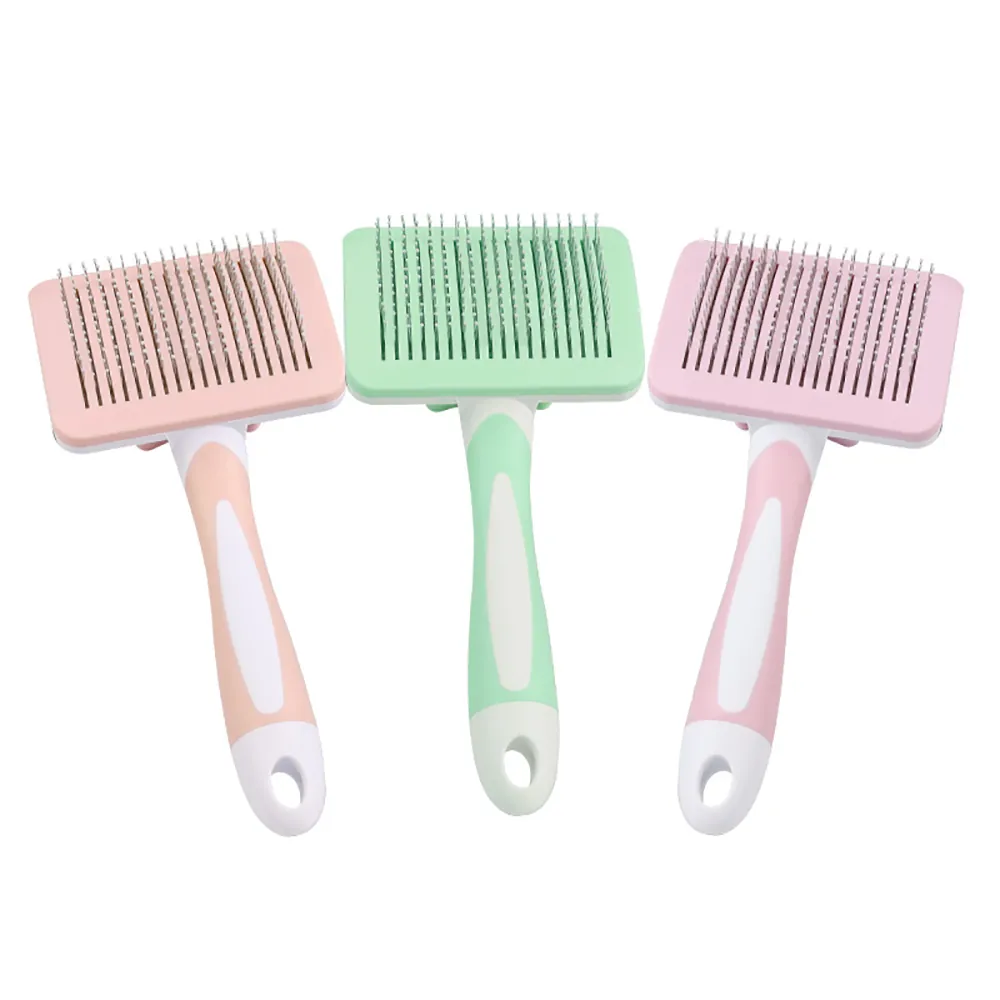
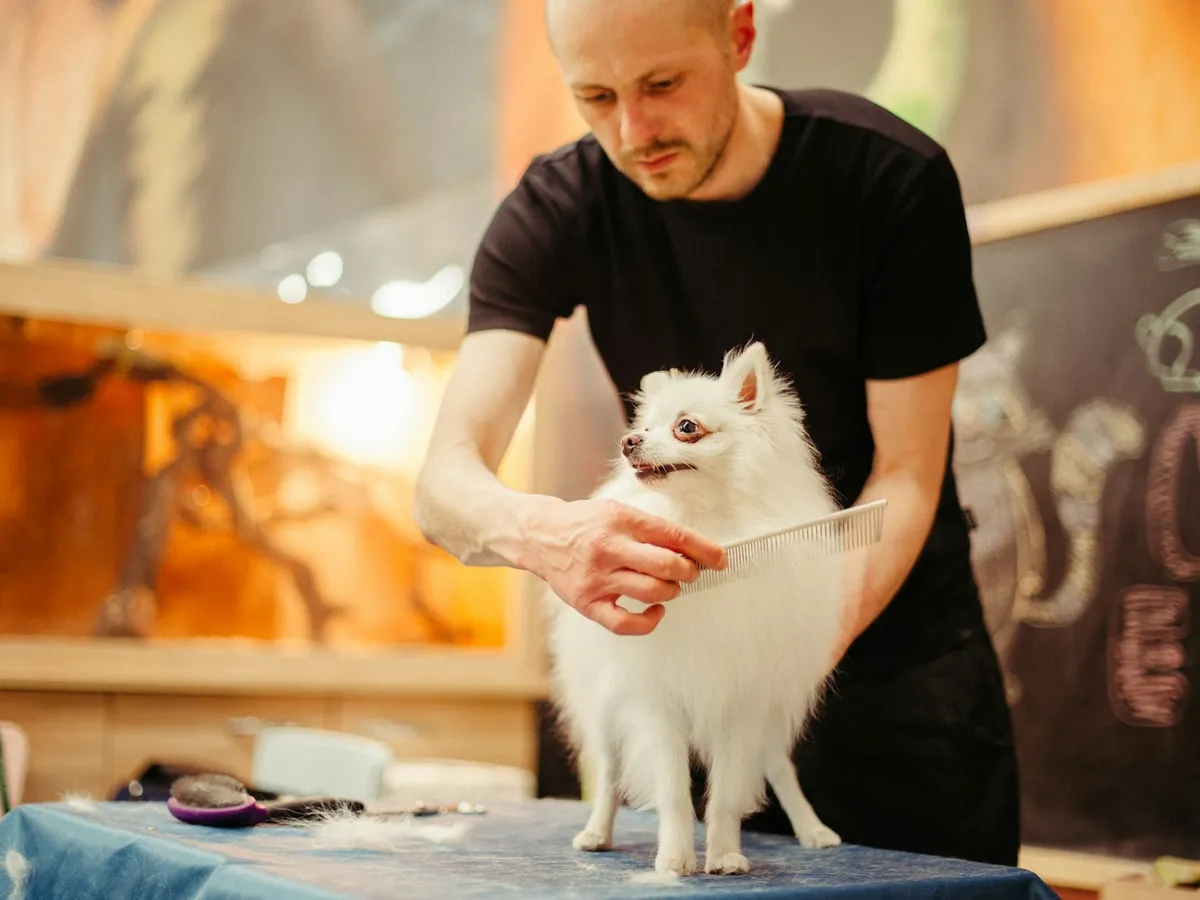
- Brush first with a self-cleaning slicker brush to remove tangles and dead hair.
- Wet with lukewarm water, never hot, starting at the paws and working up. Leave the head for last.
- Use dog shampoo. Human shampoo isn’t made for their skin. Dog shampoo is easy to find at pet stores or online.
- Massage with a bath grooming glove or a soft-bristle bath brush: the lather reaches the skin, dead hair comes loose, and most dogs enjoy the feeling. For the head, use a damp washcloth and avoid the eyes and the inside of the ears.
- Rinse very well, until the water runs clear. Leftover shampoo can irritate the skin. Pay extra attention to the belly and armpits.
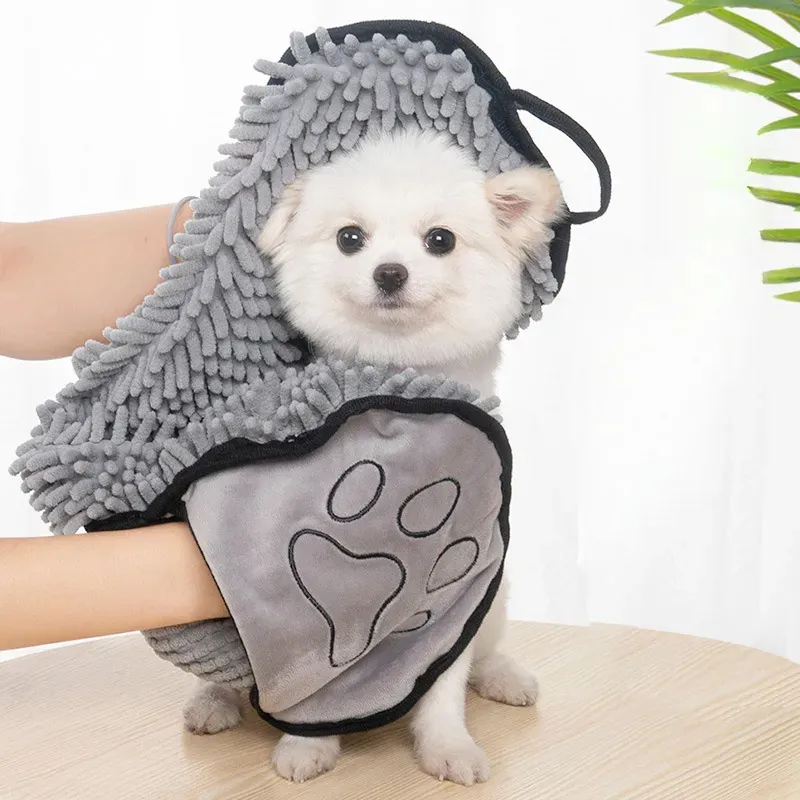
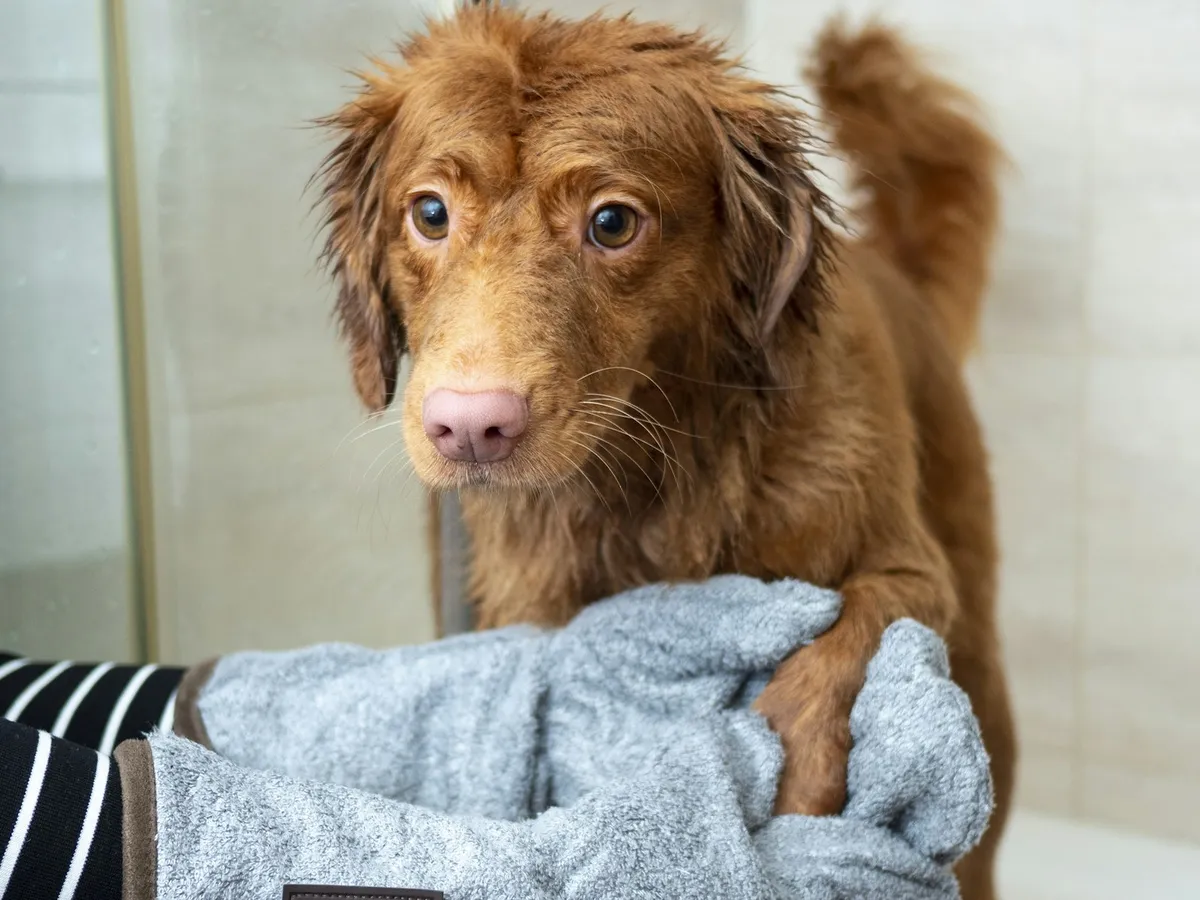
- Dry thoroughly with an ultra-absorbent microfiber towel, especially between the toes and under the ears. A dog bathrobe wraps them up while they finish drying. End with a light brushing once the coat is dry.
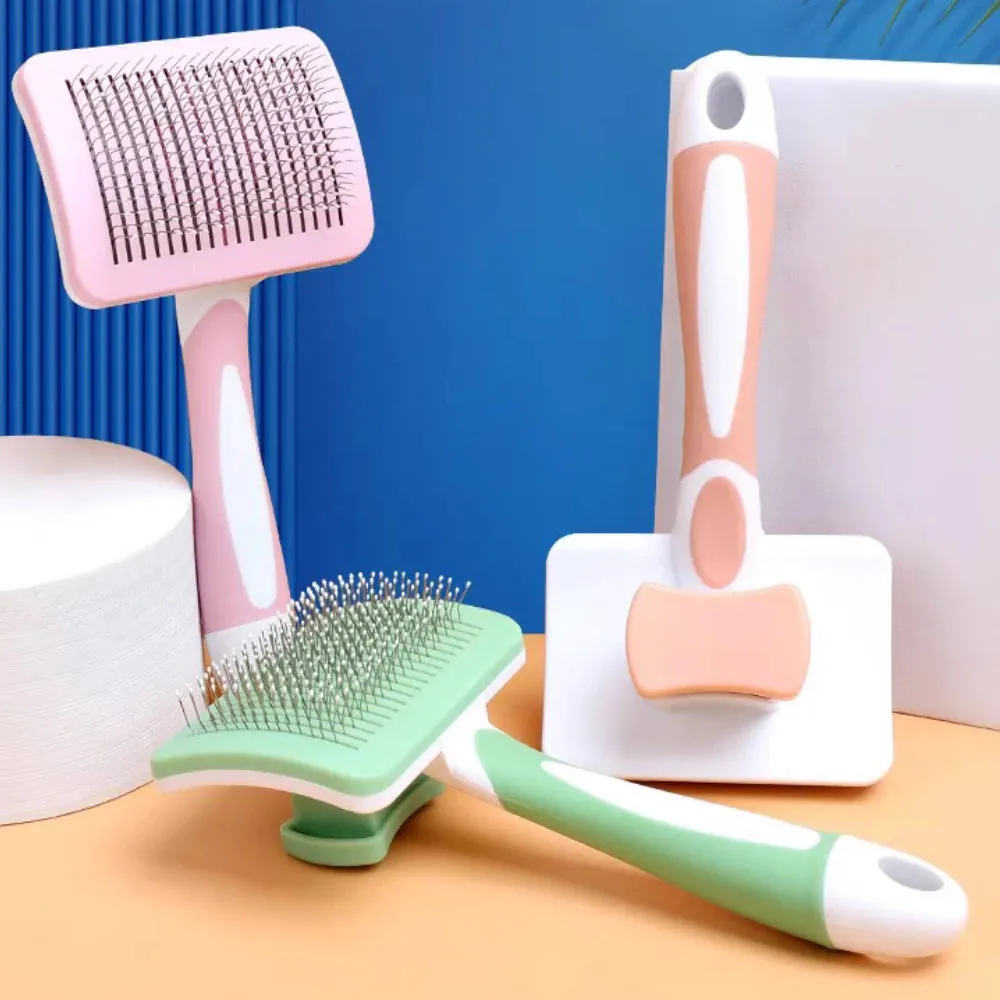 At CozzzypetsSelf-cleaning slicker brush
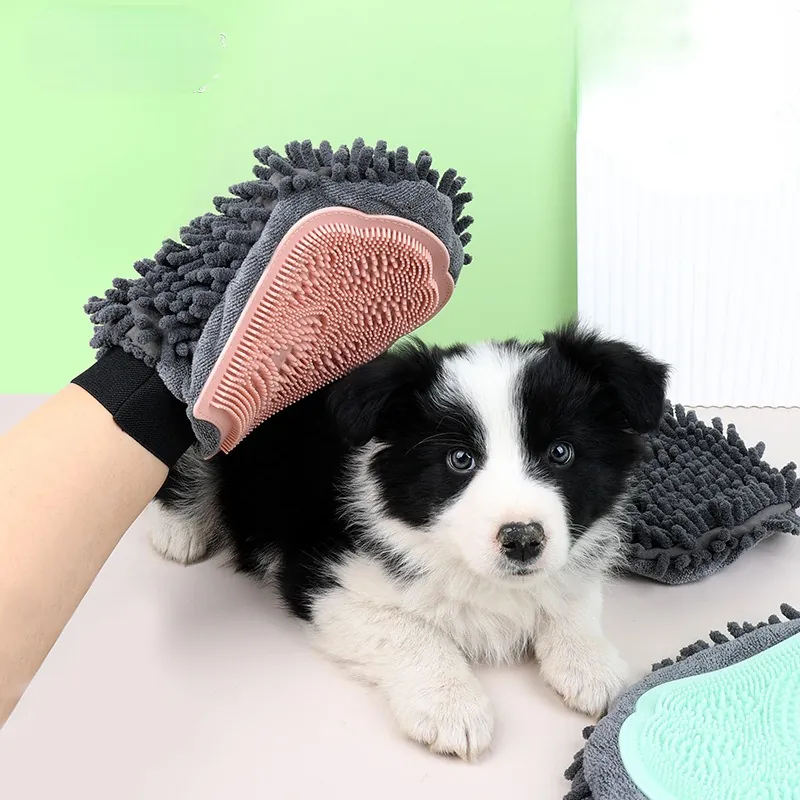 At CozzzypetsBath grooming glove
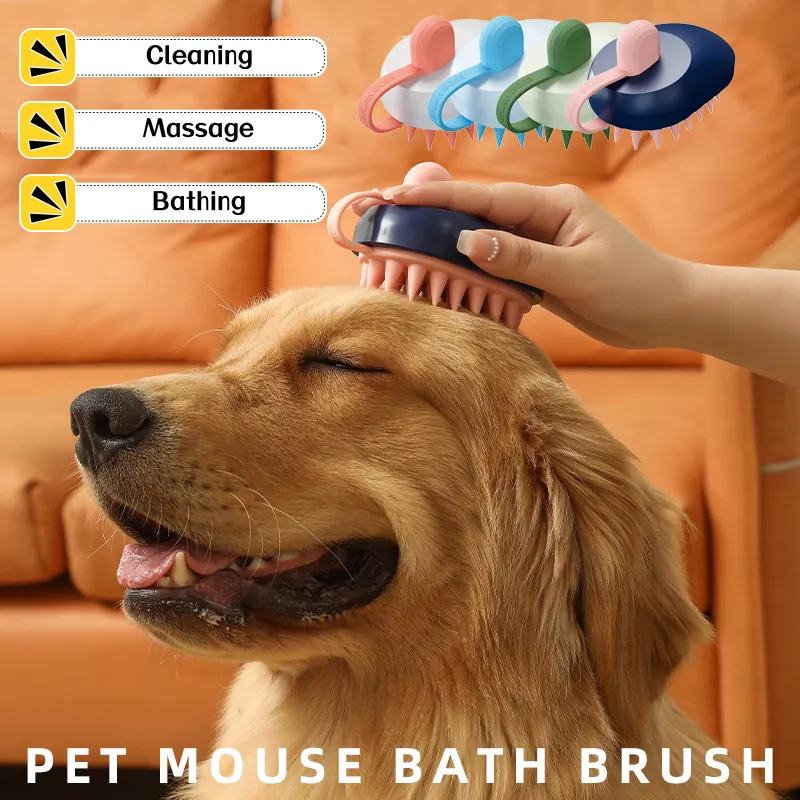 At CozzzypetsSoft-bristle bath brush
To gear up in one go, the Blue Spa Set brings together the bath brush, the microfiber towel and a nail clipper.
If your dog hates baths
- Take small steps. Have them hop into the empty tub, treat, hop out. Then a little water. Then a real, short bath.
- Stay calm and keep your voice soft. They read your mood.
- Keep them busy. A lick mat stuck to the tub wall works wonders.
- Avoid spraying the face. A cup or a gentle sprayer is kinder.
- Always end on a good note: play, a treat, a warm nap.
Between baths
According to the AKC, thorough brushing and a tangle-free coat matter more to coat health than the bath itself. Between baths:
- brush regularly;
- wipe the paws and belly after walks;
- wash their bedding;
- use grooming time to check ears and nails. The AKC suggests ear cleaning and a nail trim every month.
You’ll find more ideas on our Grooming at home page.
Frequently asked questions
Can you bathe a dog too often?
Yes. Baths that are too close together can strip the skin’s natural oils, especially in double-coated dogs. If the skin gets dry, space the baths out.
Can I wash my dog with dish soap or my own shampoo?
It’s not recommended: those products aren’t made for a dog’s skin and can dry it out. Use a dog shampoo.
At what age can a puppy have a bath?
Ask your veterinarian at the first visit: the answer depends on age and size. Until then, a warm washcloth handles small messes. Use the time to get your puppy used, gently and early, to having paws and ears handled.
Should I bathe my dog less often in winter?
Often, yes: they get less dirty, and dry indoor heating is already hard on the skin. Still, rinse their paws after walks on salted sidewalks.
My dog still smells bad after a bath. Why?
A smell that comes back quickly may come from the ears, teeth or skin rather than the coat. Talk to your veterinarian.