How to clean your dog’s paws after a winter walk
Published October 26, 2026 · Updated November 17, 2026
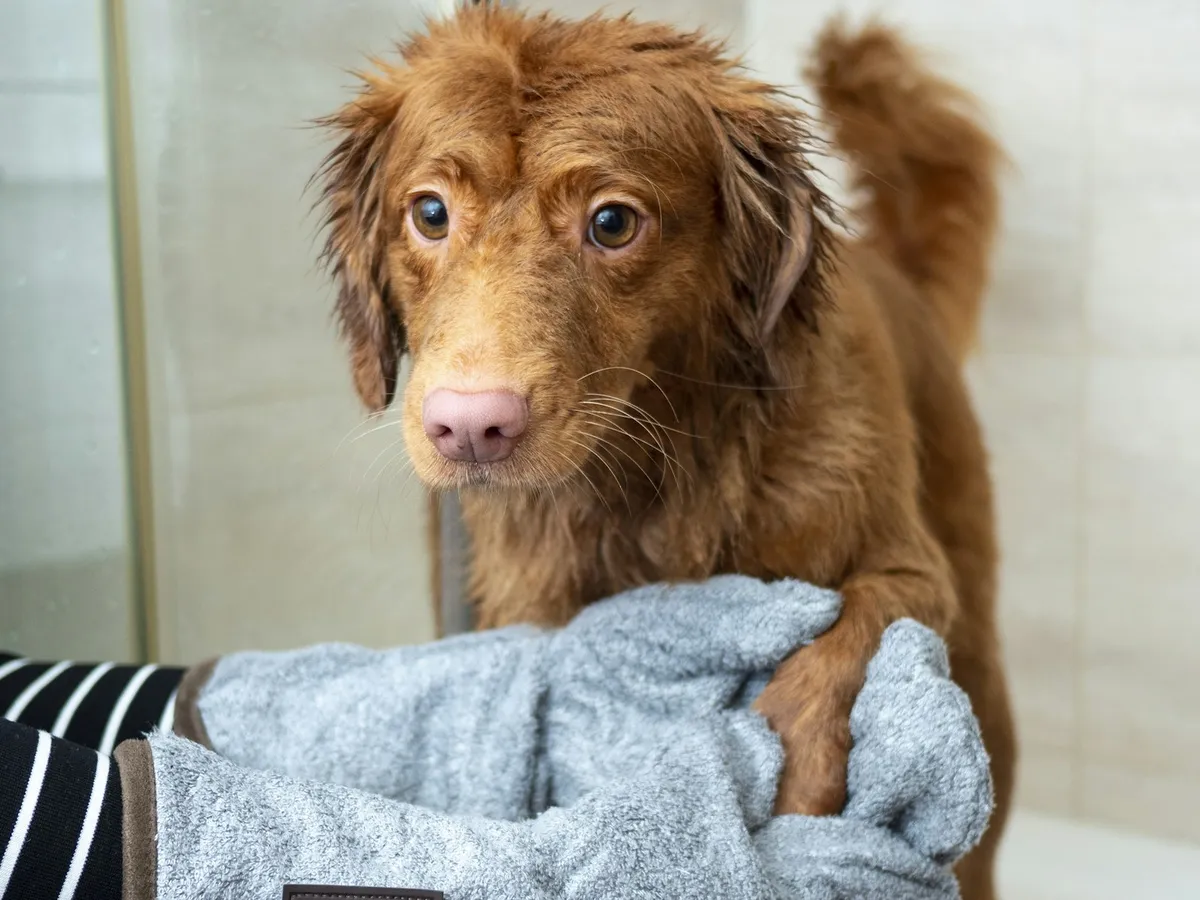
In short : Back home, have them sit, remove ice balls between the pads, dip each paw in lukewarm water to dissolve the salt, then dry well between the toes and wipe the belly. It takes about 2 minutes.
This article contains affiliate links: if you buy through them, Cozzzypets may earn a small commission at no cost to you. As an Amazon Associate, we earn from qualifying purchases.
In winter, sidewalks are covered in salt, de-icer and grit. Your dog walks through it, snow melts into their coat, then they lick their paws once home. That’s why the AVMA recommends wiping your pet’s feet, legs and belly after every outing to remove snow, ice, salt and de-icing chemicals. The ASPCA gives the same advice: wash and dry the feet and stomach after each walk, and take the chance to check the paw pads. Good news: with a little setup, it takes two minutes.
Why it matters
- Salt and de-icers irritate the skin. Between the toes and on the pads, crystals rub and dry things out. The ASPCA talks about “stinging” paws after long walks.
- Your dog swallows what they lick. While cleaning themselves, they ingest the residue left on their paws and belly. Better to remove it first.
- Ice balls hurt. On long-haired dogs, snow clumps between the pads and hardens. The dog starts limping or stops to chew at them.
- Leftover moisture damages skin. A wet paw in a heated house, several times a day, eventually chaps.
Before you go: set up the entrance
This is where it’s won or lost. If the gear is already by the door, you’ll do the routine every time; if you have to go get it, you’ll skip it half the time.
- A mat or old rug where the dog waits.
- A microfibre towel hung at their height: it absorbs a lot and dries quickly between walks.
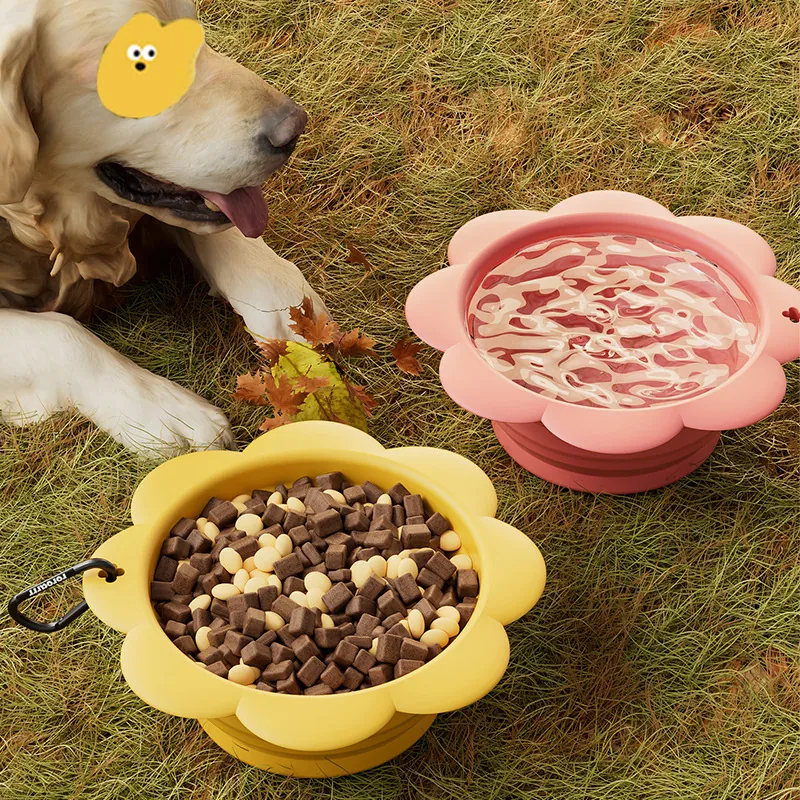
- A small bowl or shallow dish, to fill with lukewarm water when you get back.
- A few treats in a jar, out of their reach.
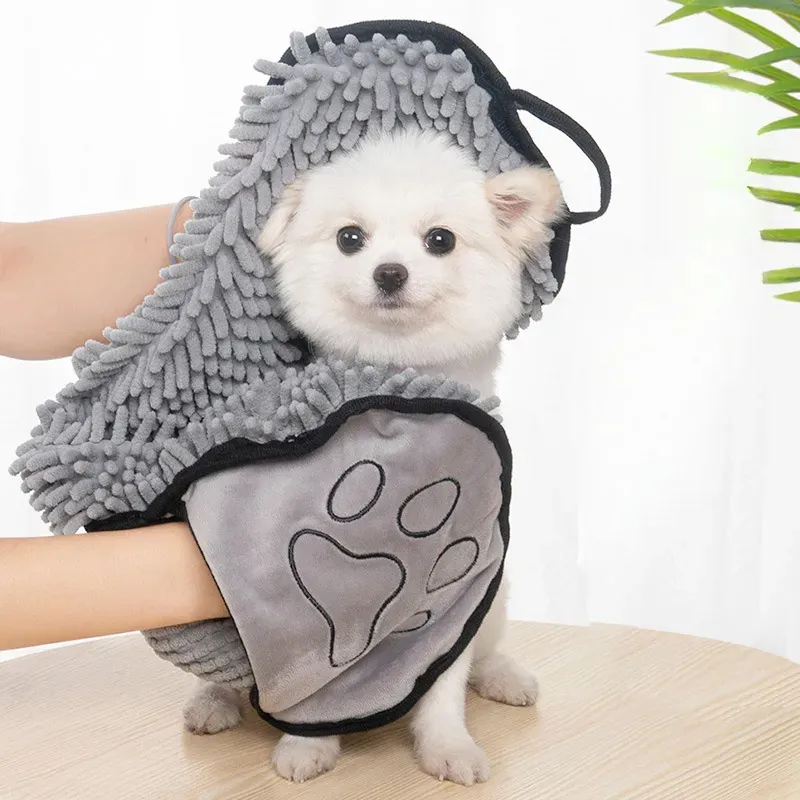 At CozzzypetsUltra-absorbent microfiber towel
For long walks, the ASPCA even suggests bringing a towel along, to wipe paws on the way if the salt bothers your dog.
The 2-minute routine when you get home
- Have them sit on the mat before they bolt into the house. With practice, they’ll stop there on their own.
- Remove ice balls between the pads, gently, with your fingers. Don’t pull on a ball stuck to the fur: hold it in your hand or in lukewarm water for a few seconds and it will melt.
- Dip each paw for a few seconds in lukewarm (never hot) water to dissolve the salt, spreading the toes slightly.
- Dry thoroughly, especially between the toes and around the pads: it’s the step people rush most.
- Wipe the belly, chest and lower legs, where salty slush splashes. For a short-legged dog, it matters as much as the feet.
- Take a quick look. The ASPCA recommends checking for cracks in the paw pads or redness between the toes. The AVMA also advises checking paws frequently for signs of irritation or injury.
- Reward. A treat at the end, and the routine becomes something they look forward to.
Change the water after every outing: after four paws, it’s salty.
The glove, to go faster
On heavy slush days, a bath brush glove dampened with lukewarm water slips on like a mitt: you rub paws, belly and chest in one motion, and its soft nubs loosen grit stuck in the coat. Many dogs accept it better than a brush, because it feels like petting. Finish with the towel.
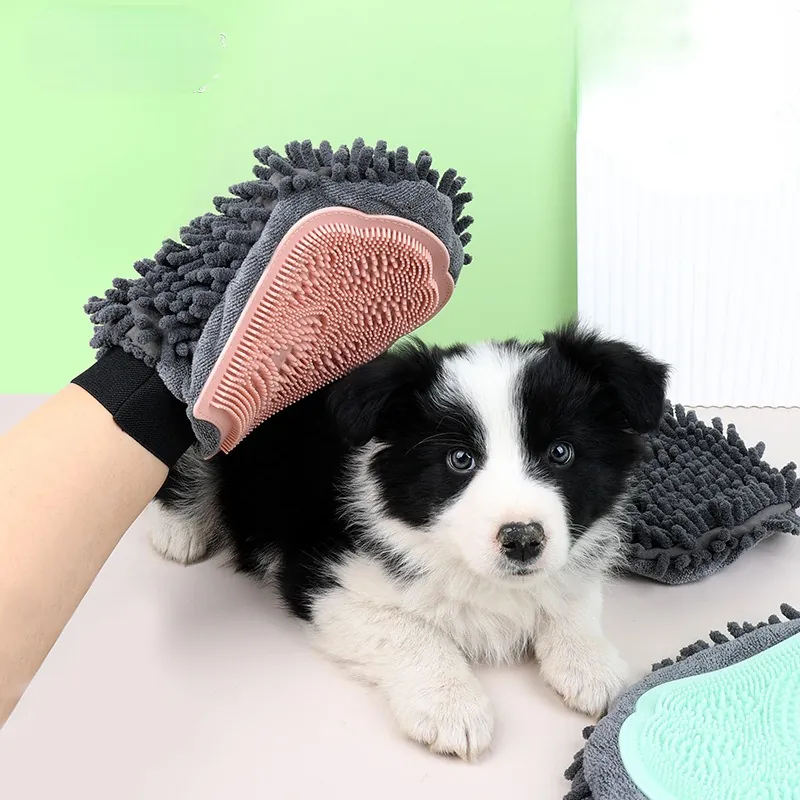 At CozzzypetsBath grooming glove
Depending on your dog
- Small or short-legged dog: their belly drags in the snow. Spend as much time on the belly and chest as on the feet.
- Long-haired dog: ice balls are your main concern. The ASPCA suggests keeping the coat a little shorter in winter to limit clinging ice and salt crystals, without ever shaving the dog, who needs that coat.
- Large dog: a bowl isn’t always enough. A wide dish on the floor or the damp glove is more practical.
- Puppy: start right away, with lots of treats. A puppy used to having their paws handled will make your life easier for years.
Prevention is easier
- Boots. The AVMA and the ASPCA both mention them, as long as they fit well. A set of non-slip winter boots keeps salt away from the pads: measure the paw before choosing a size and let your dog get used to them a few minutes at a time indoors.
- Fur between the pads. Kept short, it holds less snow. If you’re not comfortable doing it, your groomer can handle it in a few minutes.
- The route. When you can, walk on the less salted side: clean park snow rather than a freshly treated sidewalk.
- At home. The AVMA recommends using pet-safe de-icing products. It’s the one stretch of sidewalk you control.
- Fewer baths. The ASPCA notes that washing a dog too often in winter dries out their skin. The lukewarm paw routine doesn’t replace a bath, but it lets you space them out.
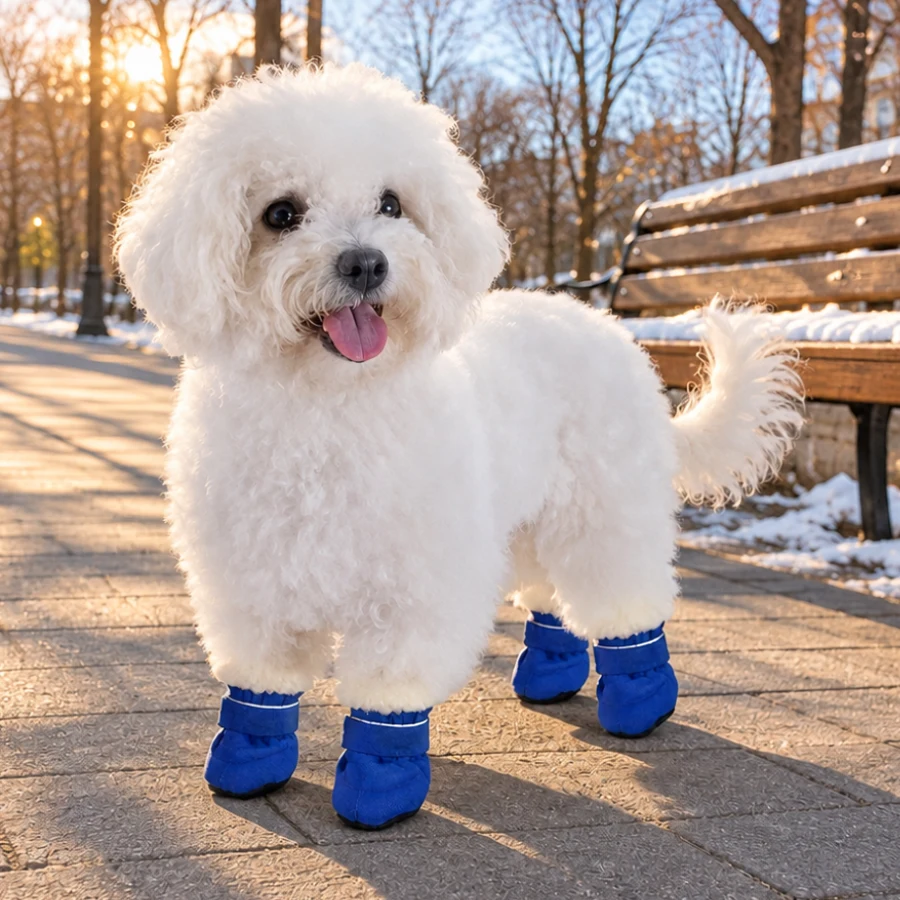 At CozzzypetsNon-slip winter boots (set of 4)
Frequently asked questions
Can I use baby wipes?
Unscented wipes can help in a pinch, in the car for example, but lukewarm water and a good towel are still the simplest and most effective way to dissolve salt. Avoid scented products or anything containing alcohol, since your dog will lick afterwards.
My dog hates having their paws touched. What can I do?
Go one paw at a time, with a reward after each, and also practise when there’s no salt, calmly, on the sofa. Touch, reward, release. Within a few days, most dogs relax. On rushed days, the glove is often better accepted than the bowl.
Do I need to do it even after a short outing?
Yes, if the ground is salted or wet. Five minutes on a treated sidewalk leaves as much residue as a long walk. After an outing in clean backyard snow, a good towel-dry is enough.
Is water alone enough, or do I need soap?
Lukewarm water is enough for the daily routine. Soap, used several times a day, dries out the skin. Save the dog shampoo for real baths.
My dog licks their paws after every walk. Is that normal?
A little grooming is normal. But if they keep at it, something is usually bothering them: salt left between the toes, an ice ball, a small cut. Look closely, rinse and dry. If it continues, see your vet.