Adopting a kitten: the checklist of everything you need before they arrive
Published October 26, 2026 · Updated November 16, 2026

In short : Before they arrive, have a cozy place to sleep, a low-sided litter box, a scratcher, a few toys, a ventilated carrier and a soft brush ready. Start them in one quiet room.
This article contains affiliate links: if you buy through them, Cozzzypets may earn a small commission at no cost to you. As an Amazon Associate, we earn from qualifying purchases.
Before a kitten arrives, you need a cozy place to sleep, a low-sided litter box, bowls, a scratcher, a few toys, a carrier and a soft brush. Set everything up in one quiet room: that’s where they’ll spend their first days before discovering the rest of the house.
Here is the full list, need by need, followed by a simple plan for their first days with you.
The essential list before they arrive
For sleeping: somewhere to hide
A kitten sleeps for much of the day and instinctively picks spots that are enclosed, warm and a little out of the way. Give them a bed that feels like a hideout.
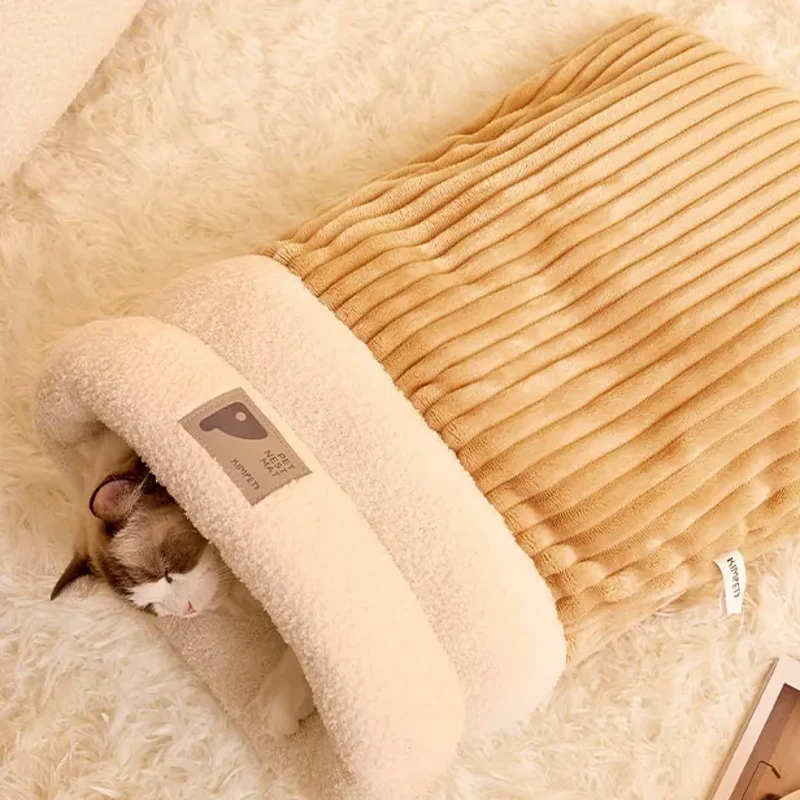
- A light, snuggly portable cozy nest that you can move from room to room as they explore.
- A small blanket or cloth from the shelter or breeder, if one is offered: a familiar scent is reassuring in a new place.
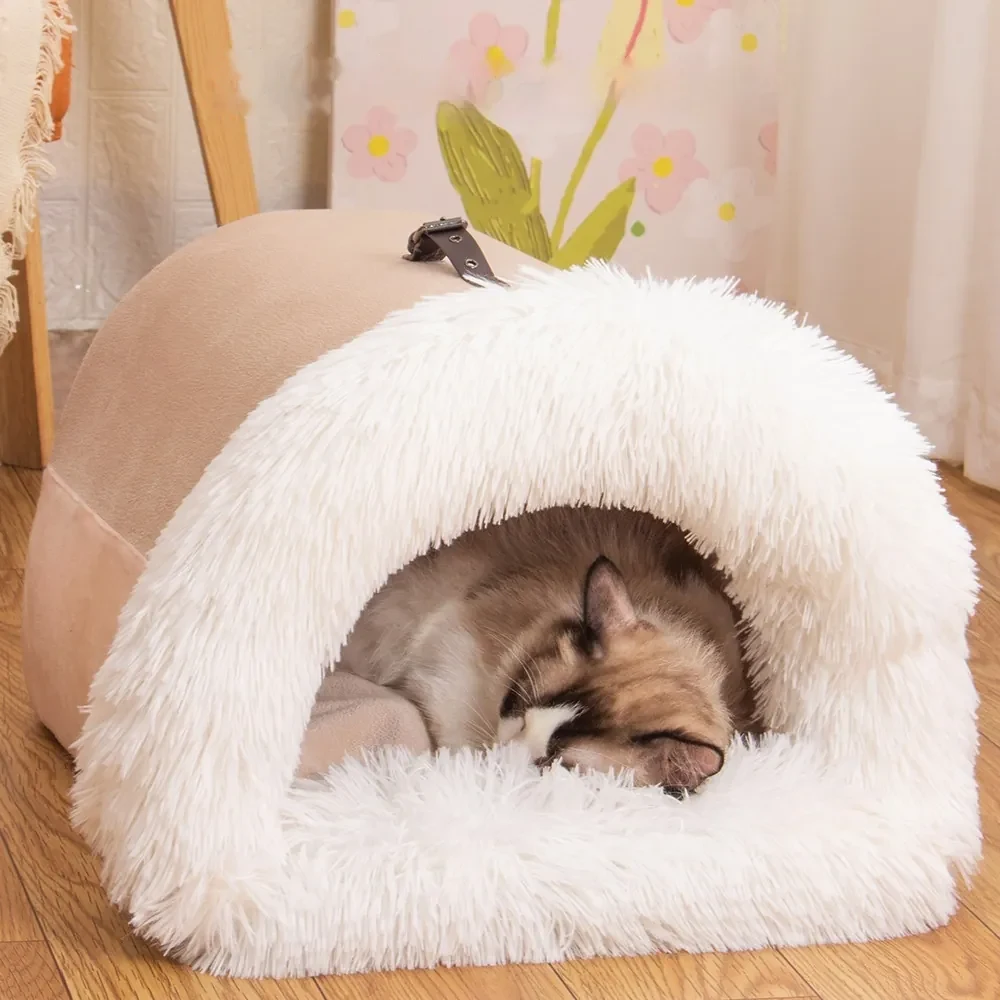 At CozzzypetsPortable cozy nestFrom
Put the bed away from drafts and far from the litter box. If they end up preferring a cardboard box or the laundry basket, don’t worry: it’s very common. Our article Why won’t my cat sleep in its bed? has a few tips.
For the litter box
- A low-sided box. A kitten has short legs: they should be able to step over the edge easily. You’ll move to a bigger box once they’ve grown.
- Plain, unscented litter. Ask which one they’ve been using and keep the same one at first.
- A scoop, for daily cleaning.
- A double-layer litter mat in front of the box, to catch the granules that cling to their paws.
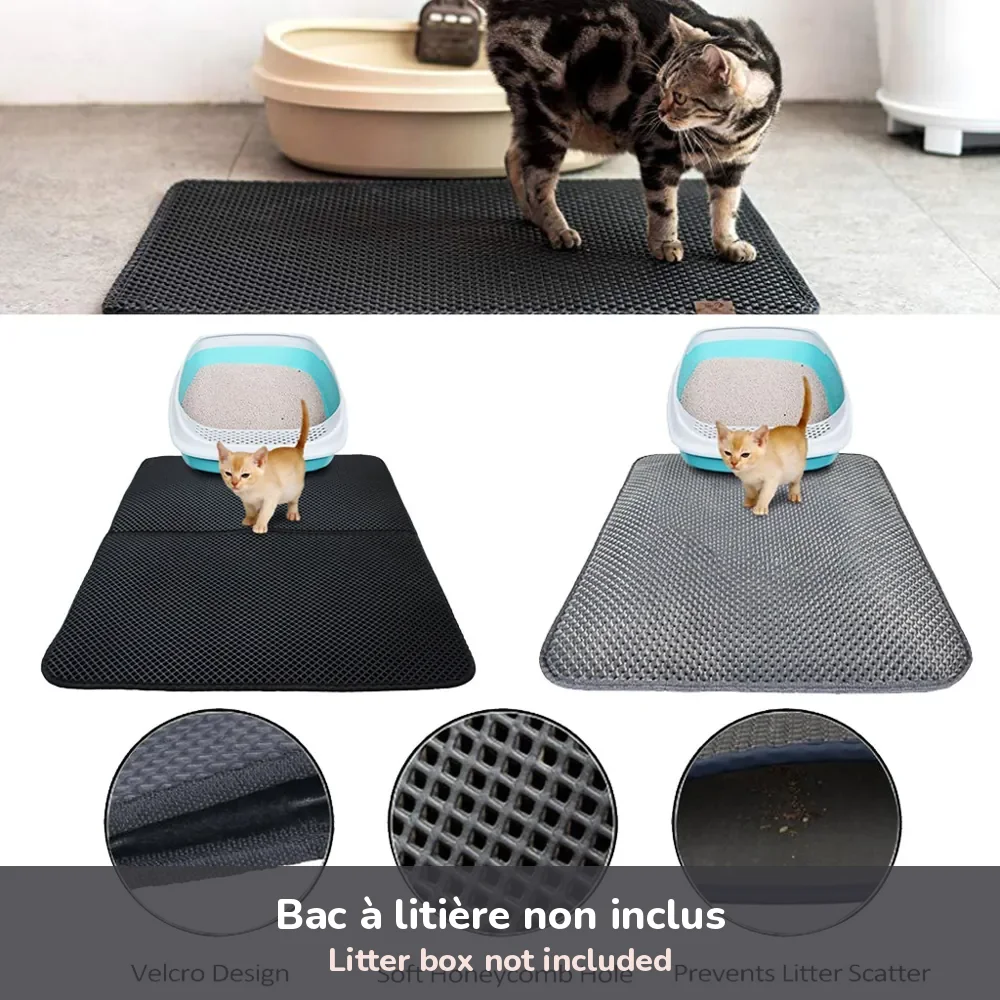 At CozzzypetsDouble-layer litter matFrom
The rule generally recommended, including by the ASPCA, is one box per cat, plus one. Put them in quiet, easy-to-reach places, away from food and water. If granules travel everywhere, read Litter everywhere: solutions.
For eating and drinking
- Two shallow, stable bowls, one for water and one for food. Our stainless steel bowl with non-slip colour base is easy to wash.
- A silicone feeding mat to protect the floor.
- The same kitten food they were eating before, for the first weeks.
 At CozzzypetsStainless steel bowl with non-slip colour baseFrom
Place the water a little apart from the food if you can: many cats drink more readily that way.
For scratching
Scratching is a natural need: cats maintain their claws, stretch and mark their territory. You don’t stop it, you offer an approved spot, from day one.
- A small sisal scratch pad that’s easy to place near their bed: cats like to scratch when they wake up.
- Later, a second scratcher near the couch or whatever spot they have their eye on.
Praise them every time they use it. If the furniture still tempts them, see My cat scratches the couch.
For playing
Play is how a kitten learns to hunt, jump and control their strength. Plan a few toys of different kinds.
- A collapsible cat tunnel for hiding, racing and pouncing.
- A hide-and-seek mouse game for hunting with their paws.
- A wand toy, for playing with you at a distance from your hands.
Put away toys with string, ribbon or elastic after playtime: a kitten left alone with them can get tangled or swallow a piece.
For getting around
- A breathable soft pet carrier bag, for the first-day trip and vet visits.
Leave it open in their room with a blanket inside. If it becomes one hideout among others, outings will be much simpler. All the details are in How to get your cat used to a carrier.
For grooming
- A self-cleaning slicker brush, used very gently, a few seconds at a time, to get them used to brushing right away.
- A pet nail clipper for later. Start simply by handling their paws during cuddles.
Prepare the house before the big day
A kitten climbs, squeezes in and tastes everything. Tour the house at their height.
- Put away electrical cords, blind cords, hair elastics, string, needles and small objects.
- Check your plants. Several are dangerous for cats, and the ASPCA notes that lilies are especially toxic to them. When in doubt, put them out of reach or give them away.
- Close toilet lids, the dryer, the washer and cupboards with cleaning products.
- Block unreachable hiding spots: behind appliances, under certain furniture.
- Check the screens on windows and patio doors.
The first days, step by step
1. One room at first
Choose a quiet room, such as a bedroom or office. Set up the litter box on one side, water and food on the other, plus the bed, the scratcher and the open carrier. A whole house is enormous for such a small animal: one room lets them get their bearings.
2. Let them come out on their own
When you arrive, set the carrier down in the room, open it and sit on the floor. Let them come out when they’re ready. Some explore within two minutes, others stay hidden for a few hours. Show them where the litter is by gently placing them near the box.
3. Expand their territory little by little
Once they’re eating well, using the litter box and coming to you, open the door and let them explore one more room at a time, under supervision. Keep the starting room available: it’s their refuge.
4. Play often, briefly
Several five- to ten-minute sessions a day beat one long one. Always use a toy rather than your hands or feet: a habit that’s cute at two months is much less so at a year. For more, read How long to play with your cat every day.
5. Book a vet visit
Plan a first visit in the days after adoption. Bring the paperwork from the shelter or breeder. Your vet will do an exam and talk to you about vaccines, spaying or neutering, a microchip and food.
6. Introduce the family gently
Children sit on the floor and let the kitten come to them. If you already have a dog or another cat, wait a few days and go in stages: our guide Introducing a cat and a dog explains how.
Frequently asked questions
What food should I choose for a kitten?
Start with what they were eating at the shelter or breeder’s: a sudden change can upset their stomach. Your vet will then recommend a kitten food and how to make the switch.
My kitten hides all the time. Is that normal?
Yes, in the first days. Stay in the room, speak softly, read or work near them and let them approach. If they aren’t eating or drinking, call your vet.
How many litter boxes do I need?
Ideally one per cat, plus one. For a single kitten, two boxes in two different places, especially if the house has more than one floor.
Where should a kitten sleep the first night?
In their room, with their bed, litter and water. They may meow a little: it’s a big change. A calm game and a meal before bedtime help them fall asleep.
At what age can a kitten be adopted?
Generally not before eight weeks, and often a little later: the weeks spent with their mother and litter teach them a lot. The shelter or breeder will tell you when they’re ready.
Sources: ASPCA, Common Cat Behavior Issues: Litter Box Problems · ASPCA, Poisonous Plants: Lily · Best Friends Animal Society, Cat Adoption Checklist