Litter everywhere? 7 solutions that work
Published October 26, 2026 · Updated November 16, 2026
In short : Litter mostly travels stuck between the paw pads. A litter mat in front of the box, a bigger or high-sided box, larger granules, not overfilling and placing the box in a corner solve most cases.
This article contains affiliate links: if you buy through them, Cozzzypets may earn a small commission at no cost to you. As an Amazon Associate, we earn from qualifying purchases.
To stop finding litter everywhere, tackle the problem in three places: in front of the box, with a mat that catches granules under the paws; inside the box, with higher sides and a shallower layer of litter; and around the box, with a quick daily sweep. Most homes see a clear difference within the first week.
You sweep, and an hour later there are granules in the entryway again, on the couch, sometimes all the way to the bed? You are not alone: it is one of the most common little annoyances of living with a cat. Here is where the problem comes from, and seven solutions, from the simplest to the most complete.
Why litter spreads
Litter leaves the box in two ways: it is kicked out when the cat digs, or carried out on the cat when they leave.
- Granules get stuck between the paw pads and drop a few steps later, or much farther.
- Your cat digs vigorously to bury their business. This is completely normal behaviour, and some put real energy into it.
- The box has low sides or is too small: the cat digs right at the edge and everything goes over.
- The box is overfilled: the more litter there is, the more comes out.
- Long-haired cats carry litter in the fur of their paws, britches and belly.
- They bolt out of the box. Many cats do a little sprint afterwards, and granules fly.
Watch your cat once or twice: you will quickly see whether, at your place, litter is mostly kicked or mostly carried. That tells you which solution to start with.
1. A litter mat in front of the box
This is the simplest fix, and often the most effective against carried litter. The double-layer litter mat has a honeycomb top layer: granules fall through the holes and stay trapped between the two layers. To empty it, shake it out over the box or the trash.
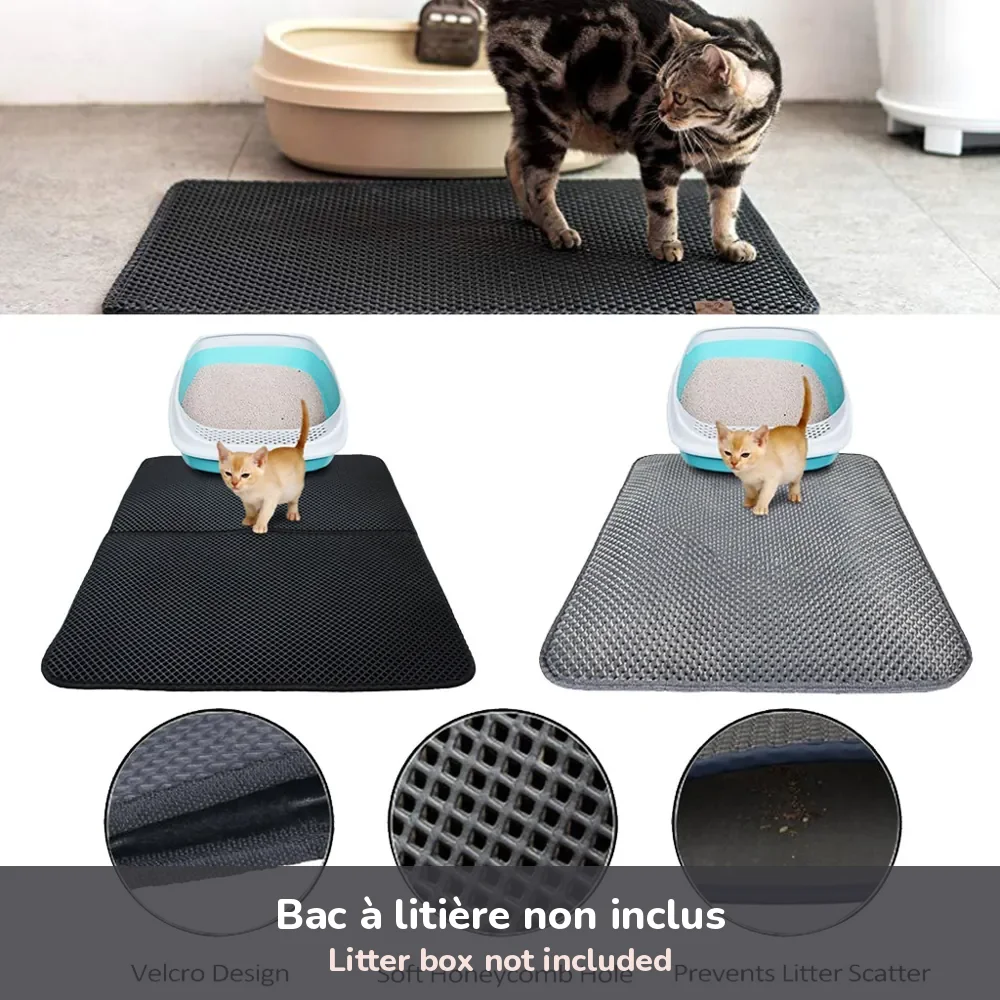 At CozzzypetsDouble-layer litter matFrom
To make it work well:
- Choose one that is big enough: ideally your cat takes two or three steps on it on the way out. A mat that is too small gets cleared in one leap.
- Place it on the side they exit. Watch their usual route.
- If the box is in a corner, the mat becomes the only way out: perfect.
- Empty it once or twice a week: a full mat no longer traps anything.
2. A bigger or high-sided box
Against kicked litter, look at the box itself. The Toronto Humane Society recommends a box at least one and a half times the cat’s length, nose to tail, so they can turn around and dig comfortably. A cramped cat digs right against the edge.
- High sides hold in litter for enthusiastic diggers.
- Keep a low entry for a kitten, a senior cat or a less agile cat.
- A large plastic under-bed storage bin makes an excellent roomy box: it is a tip the Toronto Humane Society mentions itself.
What about a covered box? It contains kicked litter well, but not every cat accepts one. The ASPCA notes that many cats prefer a box without a lid. If you try one, keep the old box in place for a few weeks and let your cat choose.
3. A litter that sticks less to paws
Very fine, light granules cling more to pads and fur; larger or heavier granules stay in the box better. But be careful: according to the ASPCA, most cats prefer clumping, unscented litter with a fine to medium texture, and many are attached to the one they know.
The right way to run a test:
- Offer the new litter in a second box, next to the old one, and see which they use.
- Or mix it little by little into their usual litter over one to two weeks.
- If they snub the box, go back to the old litter. A cat who uses the box reliably is worth more than a spotless floor.
4. Do not overfill
Filling generously feels like the right thing to do. Yet the ASPCA recommends a shallow layer of one to two inches (2.5 to 5 cm): most cats prefer it to a deep layer, and far less ends up outside the box. Top up a little after each cleaning rather than filling to the brim.
5. Choose the location well
A box placed along a wall or in a corner leaves fewer sides for litter to escape. Keep the cat’s preferences in mind, though: the ASPCA advises a quiet spot, away from noisy appliances and from their bowls, where they can see what is coming and do not feel trapped. An open corner of a calm room is often the best compromise.
Two more ideas:
- Set the box on an easy-to-sweep surface (tile, vinyl) rather than carpet.
- Avoid high-traffic areas: we carry litter around under our own slippers.
6. Brush long-haired cats
On long- and medium-haired cats, the fur works like a mop. Regular brushing with a self-cleaning brush removes granules and the loose hair that holds them. If your cat tolerates it, have the tufts between the pads and under the tail trimmed by your groomer or at the vet clinic.
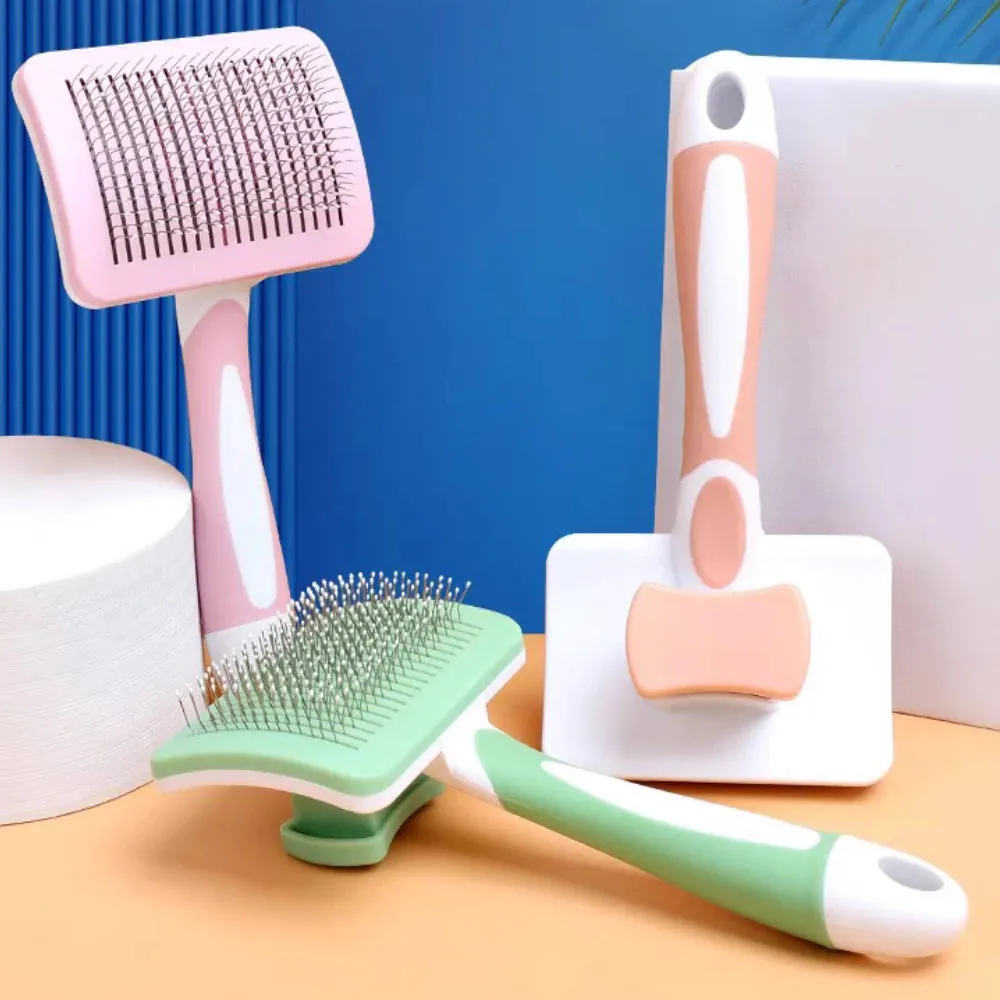 At CozzzypetsSelf-cleaning slicker brush
7. A small daily routine
No solution eliminates litter 100%: the goal is to keep it near the box. Two minutes a day is enough:
- Scoop at least once a day. That is what the ASPCA recommends, and a cat with a clean box often digs for less time. A litter scoop with bag holder keeps everything at hand.
- Run a small broom or hand vacuum around the box.
- Once a week, empty the mat and wash the box with warm water and unscented soap.
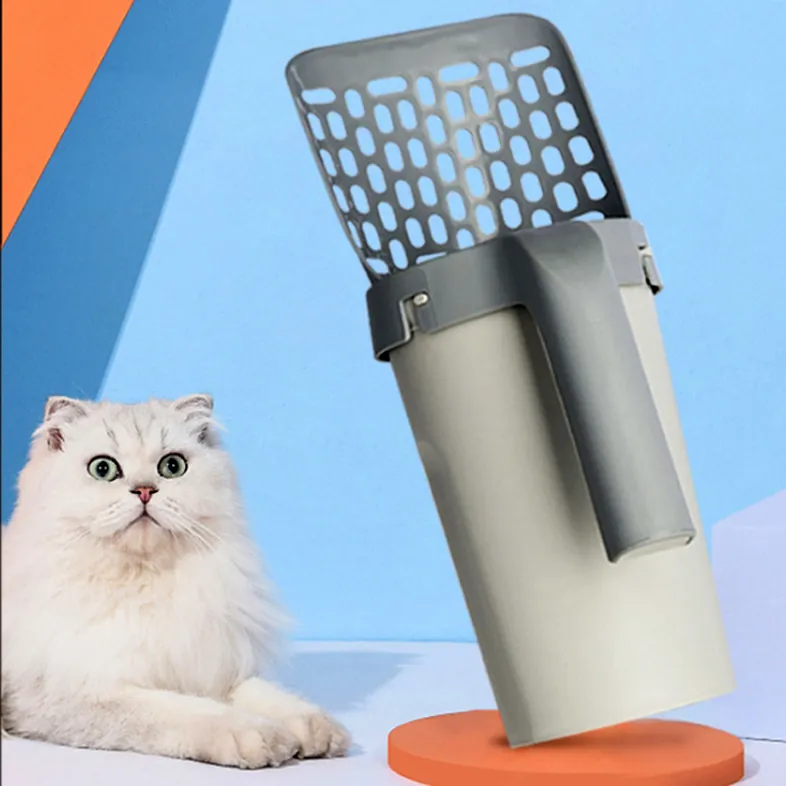 At CozzzypetsLitter scoop with bag holderFrom
Where to start?
- You find litter far from the box, all over: it is being carried. Start with the litter mat, then look at the type of granules.
- It is mostly around the box, sometimes on the wall: it is being kicked. Look first at box size, side height and litter depth.
- Your cat has long hair: mat and brushing, together.
- You have several cats: a mat in front of each box, and enough boxes for everyone.
Frequently asked questions
How many litter boxes do I need?
The most common rule, shared by the ASPCA and the Toronto Humane Society: one box per cat, plus one. Two cats, three boxes. Place them in different, quiet spots.
My cat refuses the litter mat. What can I do?
Give them a few days to get used to it. If they go around or jump over it, move it so it covers the whole exit, or position the box so the mat is the only way through. Some cats prefer a softer texture underfoot.
How deep should the litter be?
One to two inches (2.5 to 5 cm), according to the ASPCA. That is enough to dig and bury, and far fewer granules go overboard.
Does a covered box solve the problem?
It reduces kicked litter, but not litter carried on paws. And some cats dislike being enclosed. Try it without removing the old box, then keep the one your cat prefers.
How often should I clean around the box?
A quick sweep each day, when you scoop, keeps granules from travelling farther. It is faster than a big weekend cleanup.
Sources: ASPCA, Litter Box Problems · Toronto Humane Society, How to Choose a Litter Box for Your Cat