How to get your cat used to a carrier (no more drama before the vet)
Published October 26, 2026 · Updated November 12, 2026
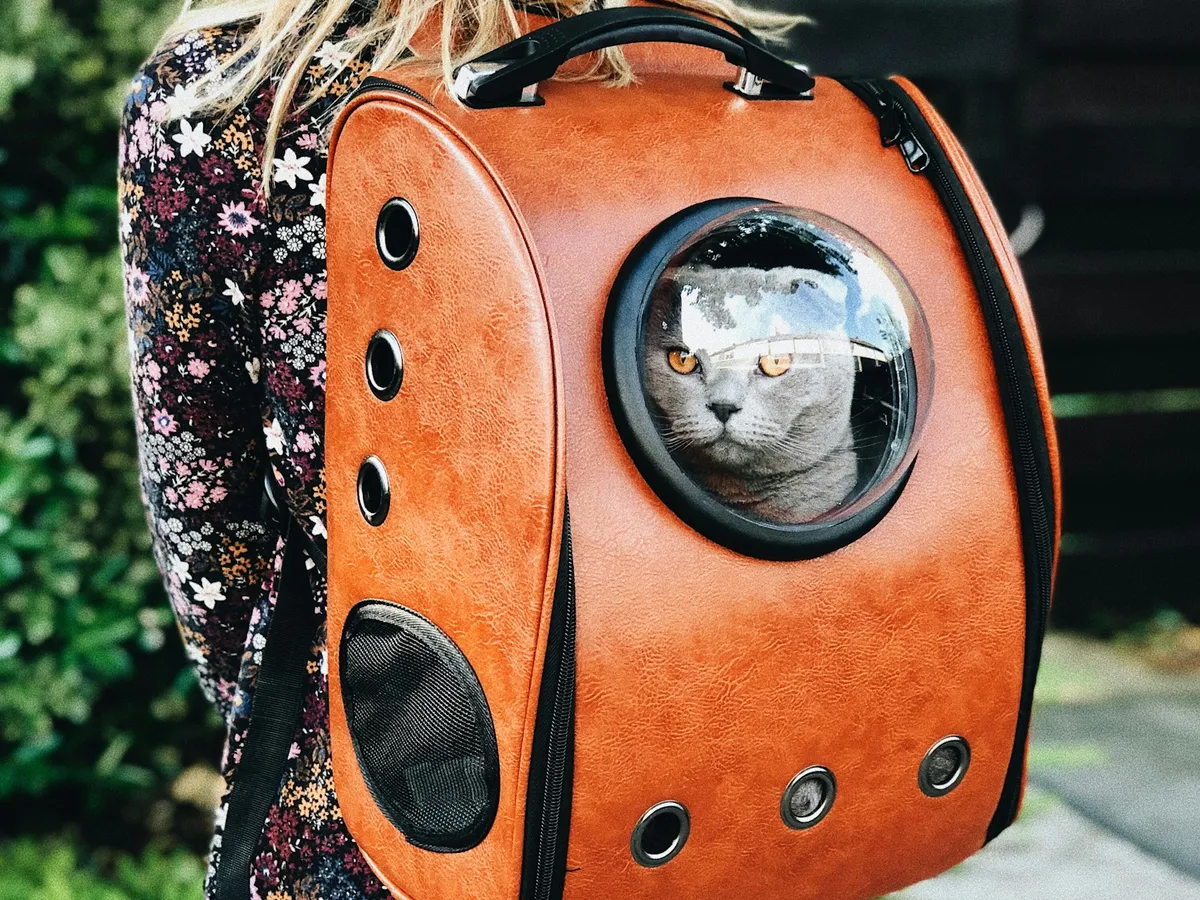
In short : Leave the carrier open at home all the time, make it comfy with a blanket that smells like home, hide good surprises in it, then get your cat used to the door closing and to short trips, one step at a time.
To get your cat used to a carrier, leave it open at home all the time, make it cozy, hide good surprises inside, then gradually get your cat used to the door closing and to short trips. Within a few days or weeks, the carrier becomes just another spot, and they walk in on their own.
For many cats, the carrier means only one thing: the vet. No wonder they hide under the bed the moment it leaves the closet! With family visits and holiday travel coming up, now is a great time to start.
Why your cat hates the carrier
Cats love what they know. A carrier that sits at the back of a closet all year, smells musty and only comes out for vet visits quickly becomes linked to a bad experience. Add the car, the noises and unfamiliar smells, and your cat has learned to run from it.
The good news: you can change that link. The idea is simple: the carrier needs to become a familiar, pleasant object that's around every day, not just on appointment days.
The 5-step method
Step 1: it stays out
Leave the carrier open in the living room, all the time, in a quiet corner where your cat likes to rest. Remove the door or open it all the way if you can. For a few days, do nothing else: it becomes just another piece of furniture.
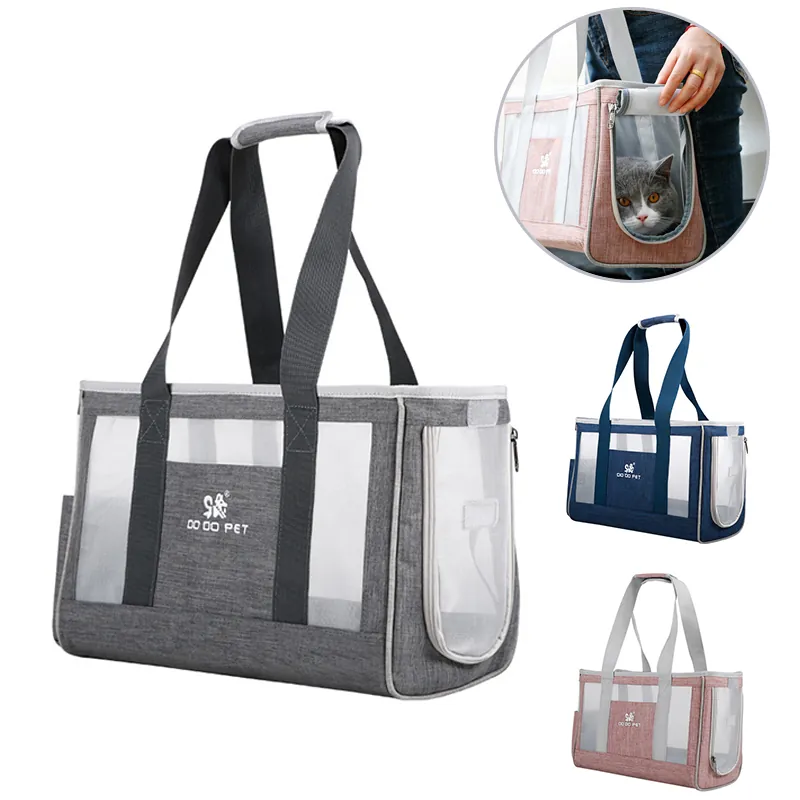 At CozzzypetsSoft pet carrier bag
If your cat bolts as soon as they see it, start farther away: leave the carrier across the room, then move it a little closer each day.
Step 2: it gets comfy
Put a self-warming mat or a blanket that smells like home inside. An old sweater you've worn works great too. The idea: when your cat pokes their head in, they smell themselves or you, not the closet.
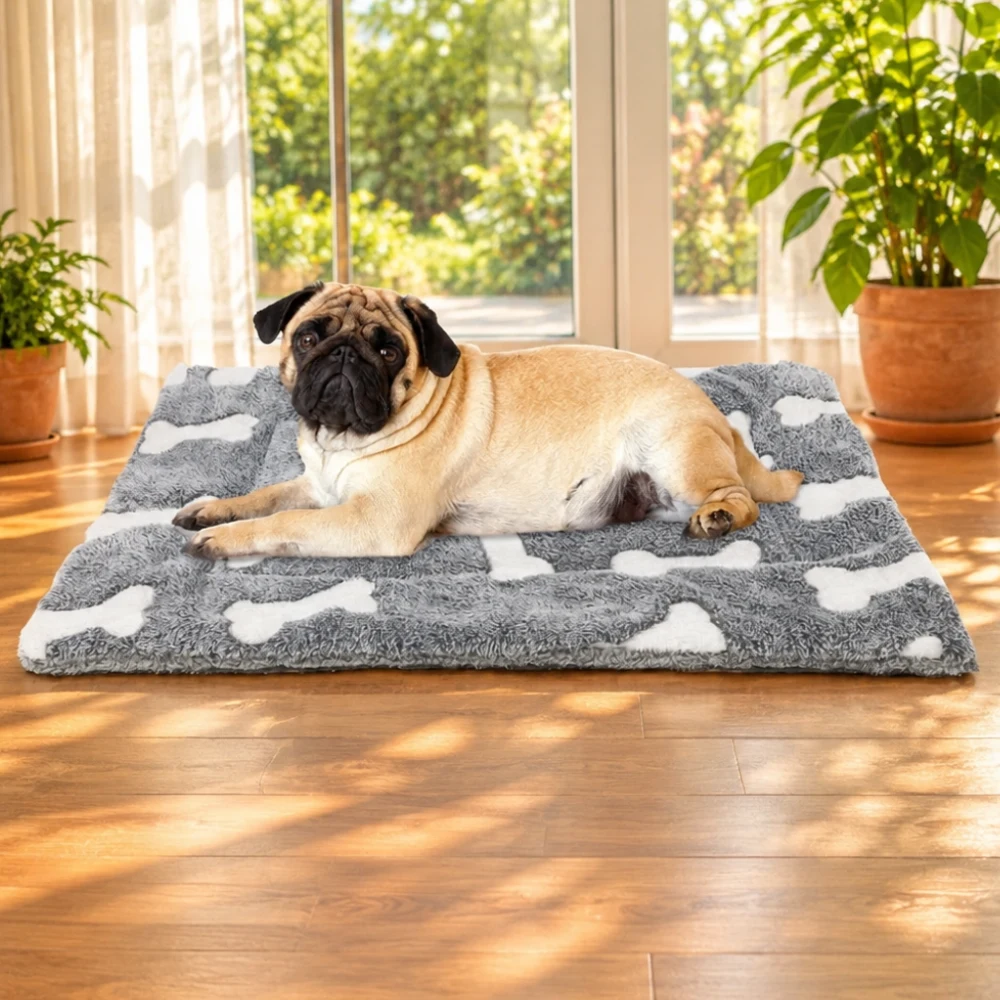 At CozzzypetsSelf-warming mat, no electricityFrom
Step 3: good surprises
Hide a treat in it now and then, without them seeing you. You can also serve a small meal right at the entrance, then a little farther inside each day. Roll the cactus scratcher tumbler close by to draw them in while playing.
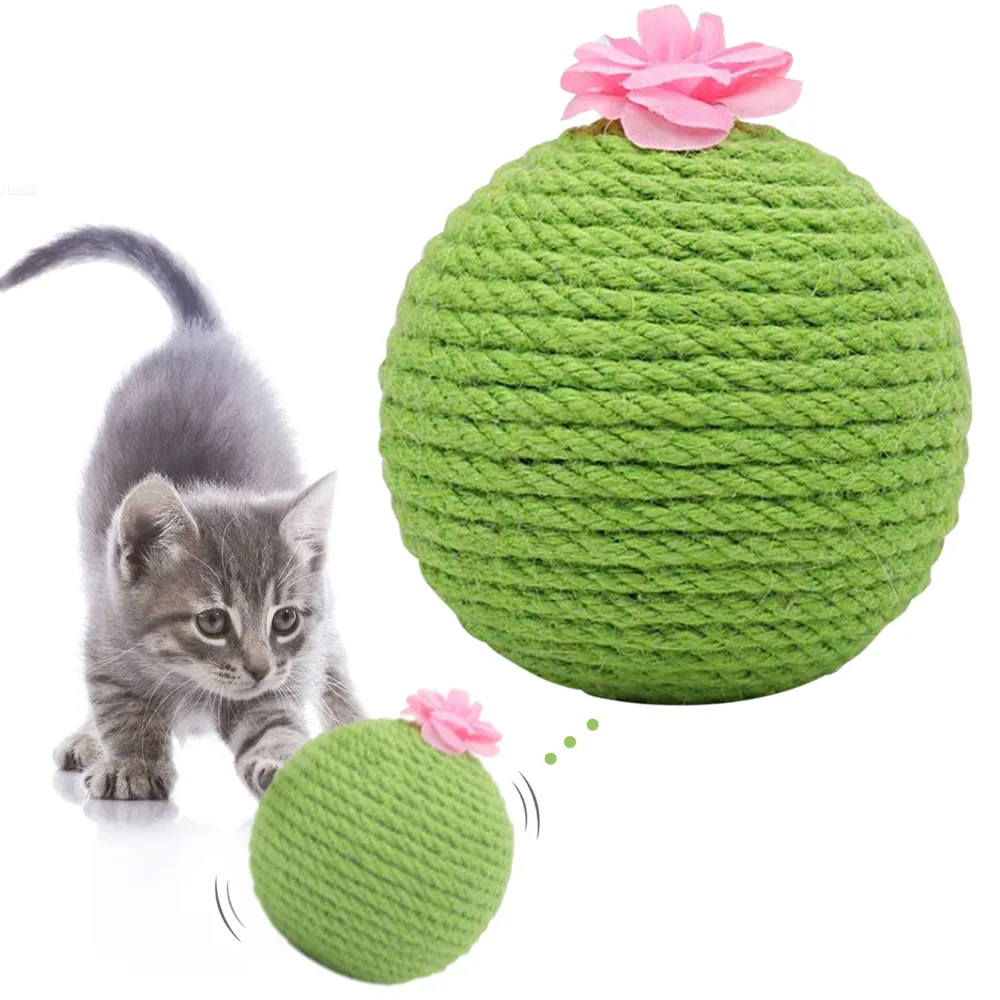 At CozzzypetsCactus scratcher tumbler
Never push them in: they need to walk in on their own.
Step 4: gentle closing
Once they go in on their own and lie down, close the door for just a few seconds, then open it and reward them. Build up slowly: 10 seconds, 30 seconds, a minute. If they get restless, go back to a shorter time next try.
Step 5: short trips
Lift the carrier for a few seconds, then set it down. Next, walk around the room, then around the house. Once they're calm, try a short car ride that goes nowhere: a few minutes, then back home. Each time: a reward when you're back.
In the car: safety rules
The American Veterinary Medical Association (AVMA) highlights a few important rules:
- Secure the carrier so it can't shift, and place it as close to the centre of the vehicle as possible. Running the seatbelt through the handles or around the carrier on the back seat is a simple solution.
- Never let your cat roam loose in the car while you're driving.
- Never leave your pet alone in a parked vehicle, no matter the temperature or how short the stop.
Drape a light towel over part of the carrier so they feel hidden, without blocking airflow, and talk to them calmly.
Vet day
- Take the carrier out ahead of time, if it isn't already in the living room.
- Close the room door before approaching your cat, to avoid the dash under the bed.
- Tuck their blanket inside and a treat at the back.
- Carry it with both hands, close to your body, rather than swinging it at arm's length.
- In the waiting room, keep the carrier on your lap or a chair, away from dogs, with a towel on top.
Our cat carriers
A good carrier is ventilated on several sides and big enough for your cat to stand up, turn around and lie down comfortably. A top opening makes getting in and out at the vet much easier.
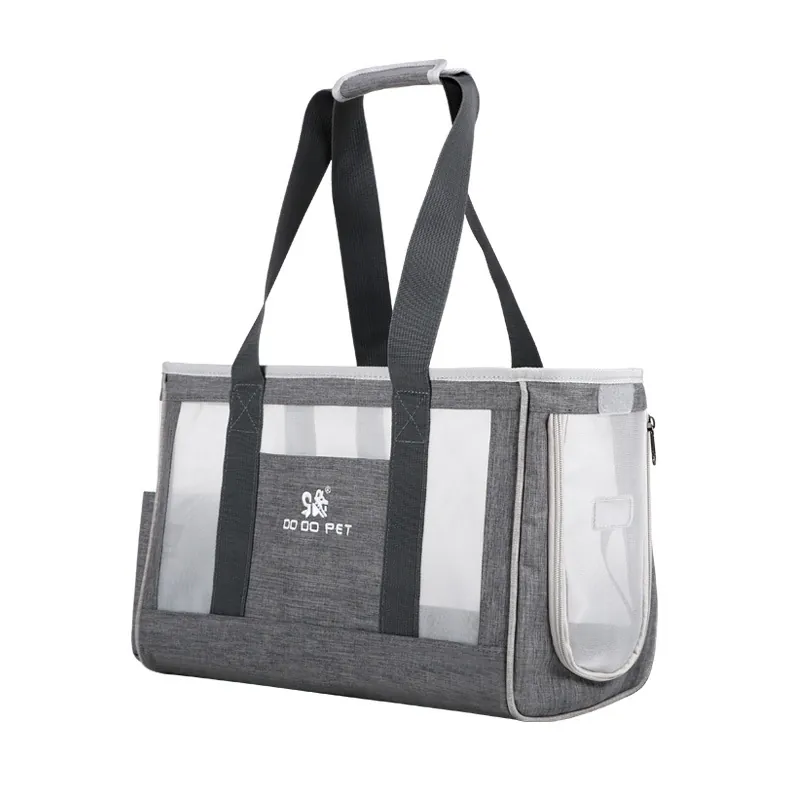
The soft pet carrier bag
Our soft pet carrier bag is ventilated, light and sturdy, made of Oxford canvas with breathable nylon mesh.
- Best for: the cat who mostly goes to the vet and on short trips.
- Size: S 39 x 17 x 27 cm; L 44 x 17 x 29 cm.
- Handy: pockets for bags, keys and a cup.
- Good to know: check the measurements against your cat's size.
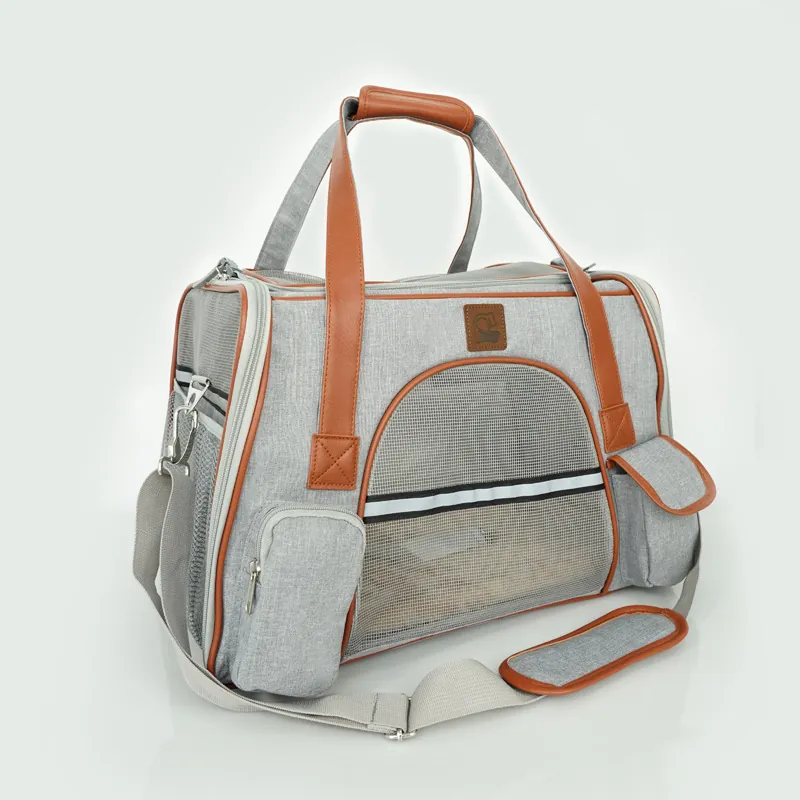
The ventilated carrier with cushion
The ventilated pet carrier with cushion has mesh panels, a top and side opening, handles and a removable shoulder strap.
- Best for: the cat who refuses to walk in through the front. You can lower them in from the top.
- Size: about 45 x 24 x 28 cm.
- In the box: the bag, a plush cushion and a shoulder strap.
- Good to know: the top opening is also very handy for exams at the vet.
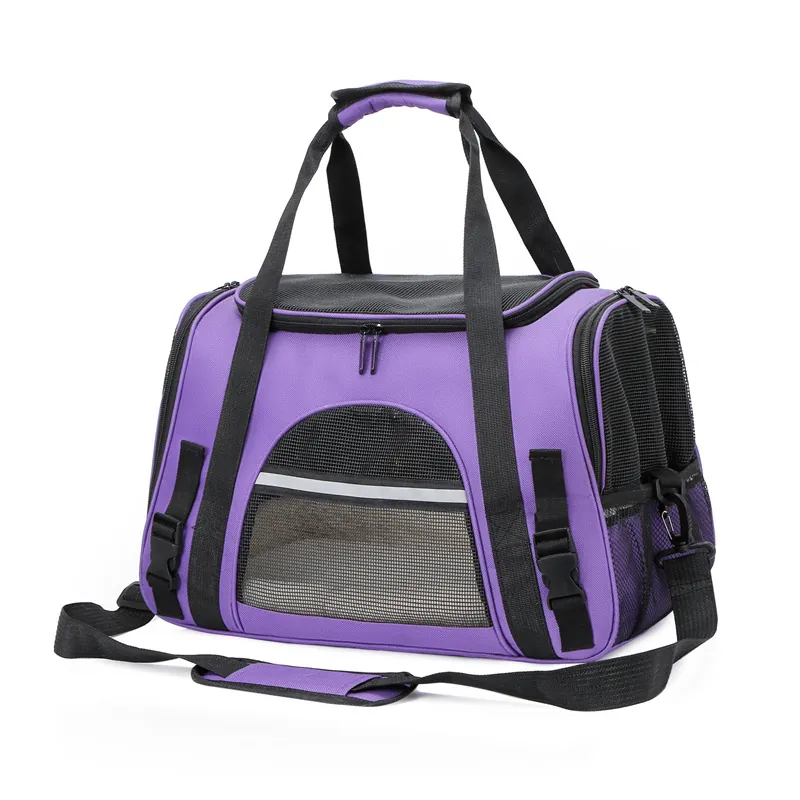
The soft shoulder carrier
The soft shoulder pet carrier holds its shape with support rods, with two zippered side openings and mesh windows. A strap lets you slide it over a suitcase handle.
- Best for: the cat travelling over the holidays, with a suitcase in tow.
- Size: about 43 × 28 × 25 cm, for cats up to 10 kg.
- Good to know: it folds when not in use, but while training, keep it open at home.
Does your cat already have a favourite napping spot? Set the open carrier there. And if you also travel with a dog, our Car travel page gathers our products for the road.
Which one should you choose?
- Mostly vet visits? The soft carrier bag, light and simple.
- Your cat refuses to go in through the front? The ventilated carrier with a top opening.
- Holiday trip with a suitcase? The shoulder carrier that holds its shape and attaches to your luggage.
- For every cat: the self-warming mat inside, so the carrier smells like home.
Frequently asked questions
How long does it take?
Allow a few days to a few weeks. Start well before your next appointment or trip.
My cat meows a lot in the car. What can I do?
Cover part of the carrier with a light towel, without blocking airflow, and talk to them calmly. If the stress is significant, talk to your veterinarian.
How do I get a reluctant cat into the carrier?
Close the room, stand the carrier on end with the opening facing up, and gently lower your cat in, back legs first. A carrier that opens from the top makes this much easier.
Where should the carrier go in the car?
On the back seat, secured so it can't move, as close to the centre of the vehicle as possible, as the AVMA recommends.
Should I put litter in the carrier for a long trip?
For a short trip, an absorbent pad or towel is enough. For a long drive, plan breaks in a closed, safe space, and never leave your cat alone in the car.
Source: AVMA, Pet safety in vehicles