Do cats get cold in winter? Signs and how to keep them warm
Published October 26, 2026 · Updated November 17, 2026
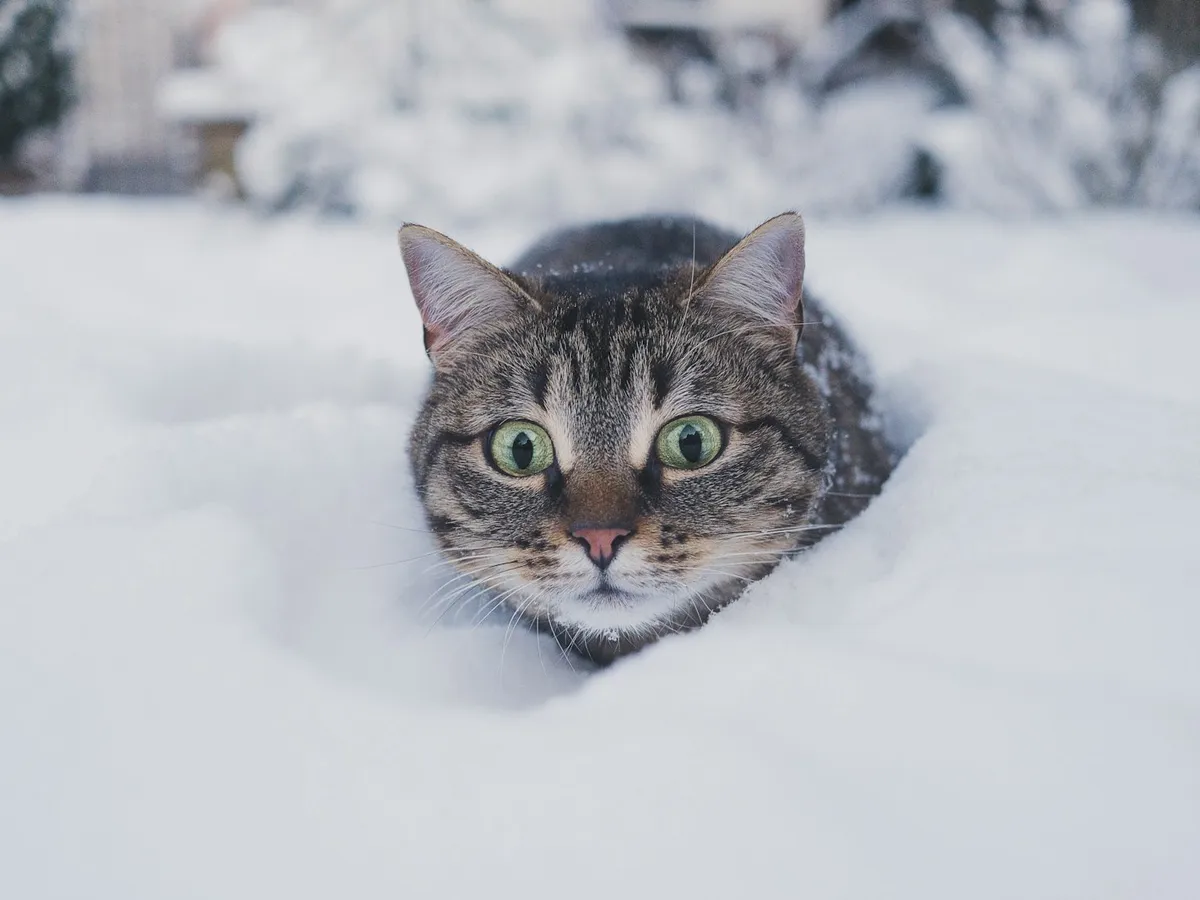
In short : Yes, cats love warmth and can get cold, especially hairless, very lean or senior cats and kittens. If yours curls up tight or seeks the radiator, offer a covered bed, a raised spot or a self-warming mat.
People often assume a cat’s fur keeps them from feeling the cold. Yet your cat stretching out by the heater as soon as November arrives says otherwise. The charity Cats Protection points out that domestic cats descend from desert wildcats: they love warmth and feel the cold much as we do, even though their coat insulates them. Their normal body temperature sits between 38 and 39 °C (100 to 102 °F), a little higher than ours, which explains why a house that feels “comfortable” to us can feel cool to them. Here’s how to tell when a cat is cold, and five simple ways to help them through a cozy winter.
Which cats feel the cold most?
Not all cats handle winter equally. According to Cats Protection, some are clearly more sensitive:
- Kittens, who don’t regulate their temperature well yet.
- Senior cats, who move less and often have less muscle mass.
- Sick cats or cats that are recovering.
- Breeds with very short or no fur, like the Sphynx or Devon Rex.
You can add very lean cats, who have fewer reserves for insulation. On the other hand, breeds like the Siberian, Norwegian Forest Cat or Maine Coon have coats built for cold. Even they appreciate a warm nap spot.
Signs your cat is cold
A cat doesn’t complain: they change their habits. Watch for these clues.
- They curl into a tight ball, tail wrapped around the body and nose tucked in. It’s how they hold on to heat.
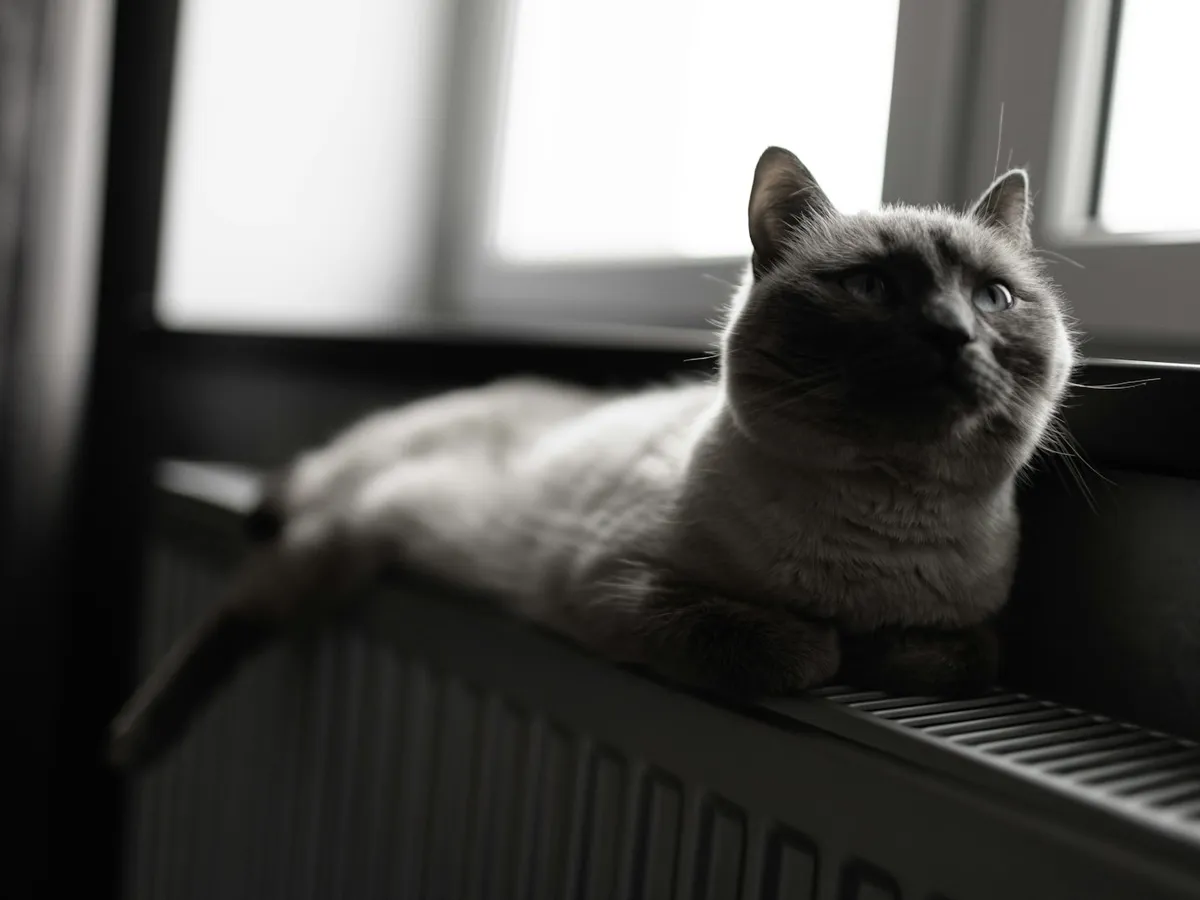
- They seek out heat sources: heater, sunbeam, a dryer that just finished, a laptop, your lap.
- They slip under blankets, into closets or into the laundry basket.
- Their ears, nose and paw tips feel cold to the touch.
- They sleep more, move less and avoid cooler rooms, like the basement.
- They abandon their usual bed if it sits near a door or window.
Cats Protection notes that if your cat curls up or looks for a cozy spot but otherwise behaves normally, there’s usually no cause for concern. They’re simply telling you they’d like somewhere warmer.
When it’s more than a shiver
A cat left out in the cold for a long time, especially when wet, can develop hypothermia. The signs Cats Protection describes: shivering (which may stop once the cat is severely cold), cold extremities, pale gums, weak or slow movement, confusion or clumsiness. Ears, tail and paws can also get frostbite: the skin turns pale, grey or bluish and is painful to the touch.
5 ways to keep them warm
1. A covered bed that holds their heat
Cats like a roof and walls: a small space warms up quickly from body heat alone. A foldable cozy house offers exactly that, with a non-slip base that stays put on the floor. Place it in a quiet corner, away from doors. Even a cardboard box lined with an old blanket makes a good backup shelter, as Cats Protection suggests.
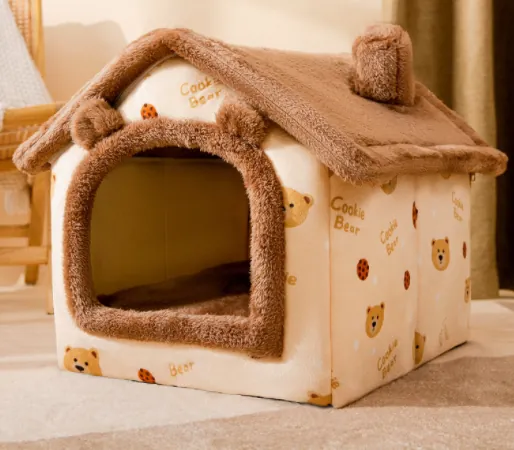 At CozzzypetsFoldable teddy bear houseFrom
2. A mat that reflects heat
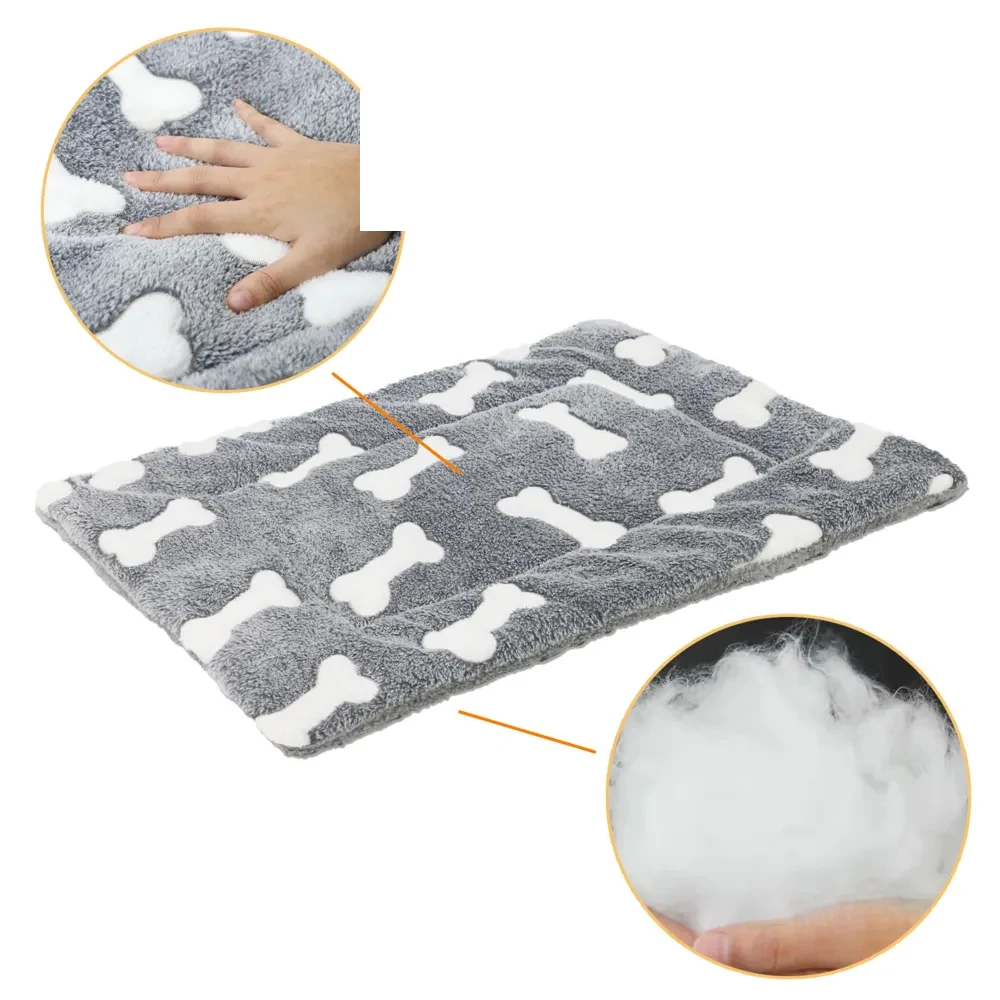
The self-warming mat doesn’t plug in: it holds and reflects the heat your cat gives off. No cord to chew, no batteries. Slip it into their current bed, onto the sofa or onto their favourite windowsill: it’s the simplest fix when your cat already has “their” spot and won’t move.
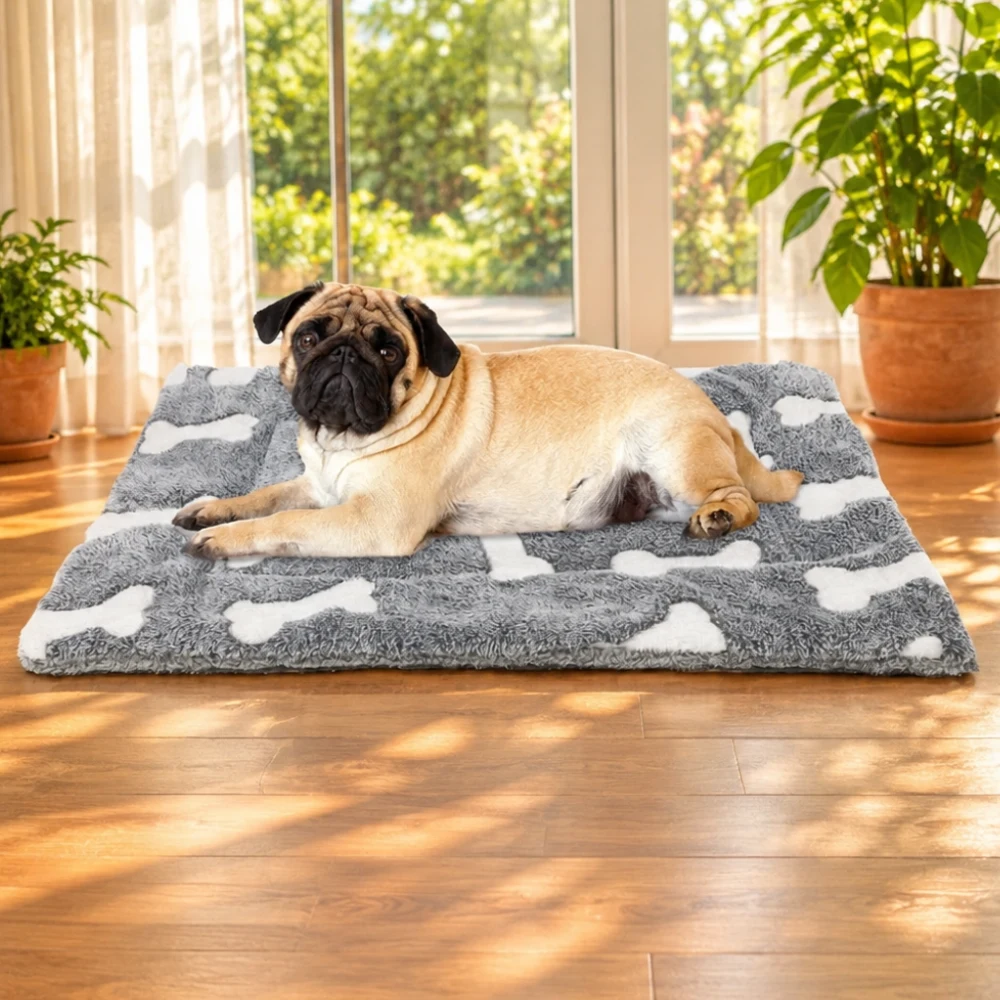 At CozzzypetsSelf-warming mat, no electricityFrom
3. A sleeping bag for burrowers
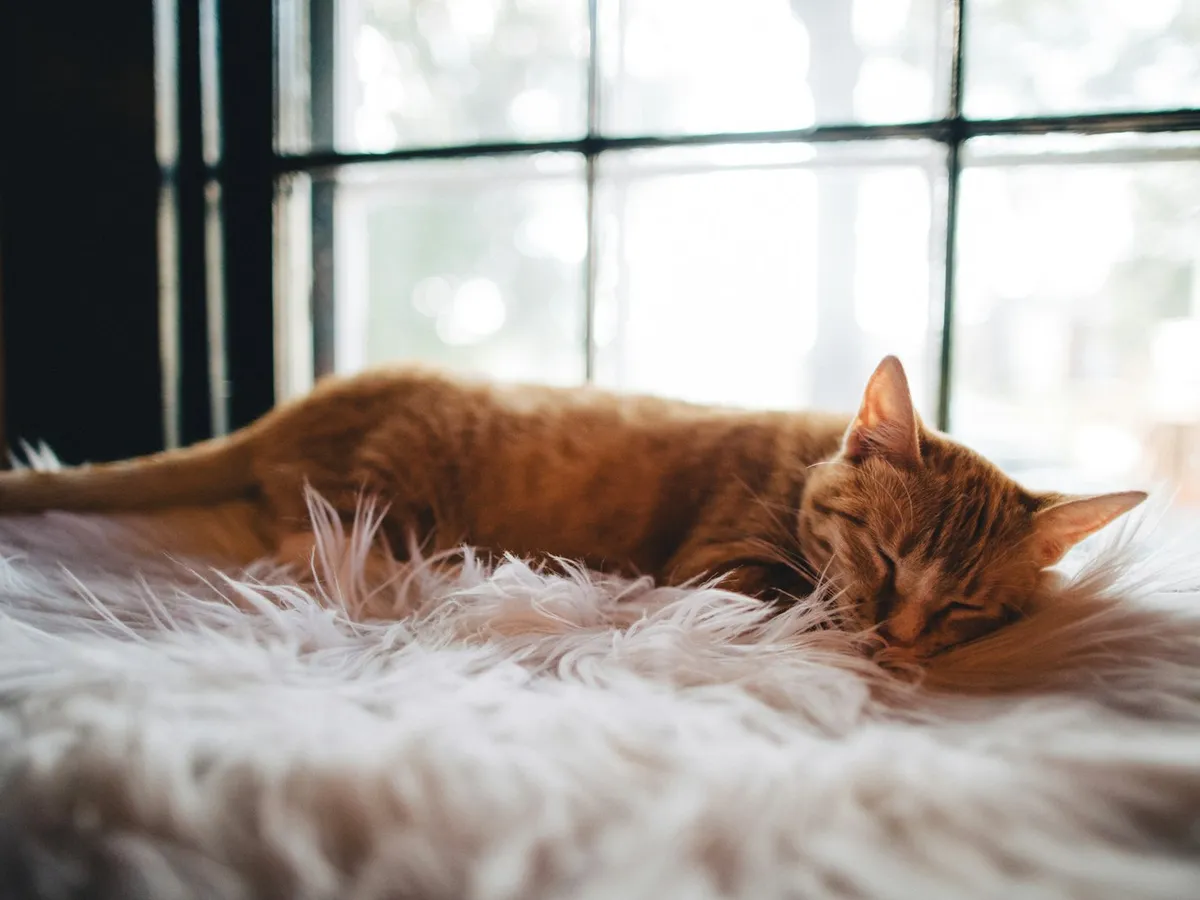
Does your cat vanish under the duvet the moment you make the bed? They’re one of those cats who like to feel something on top of them. A thick plush cozy sleeping bag gives them that cocoon, without you having to unmake the bed to find them.
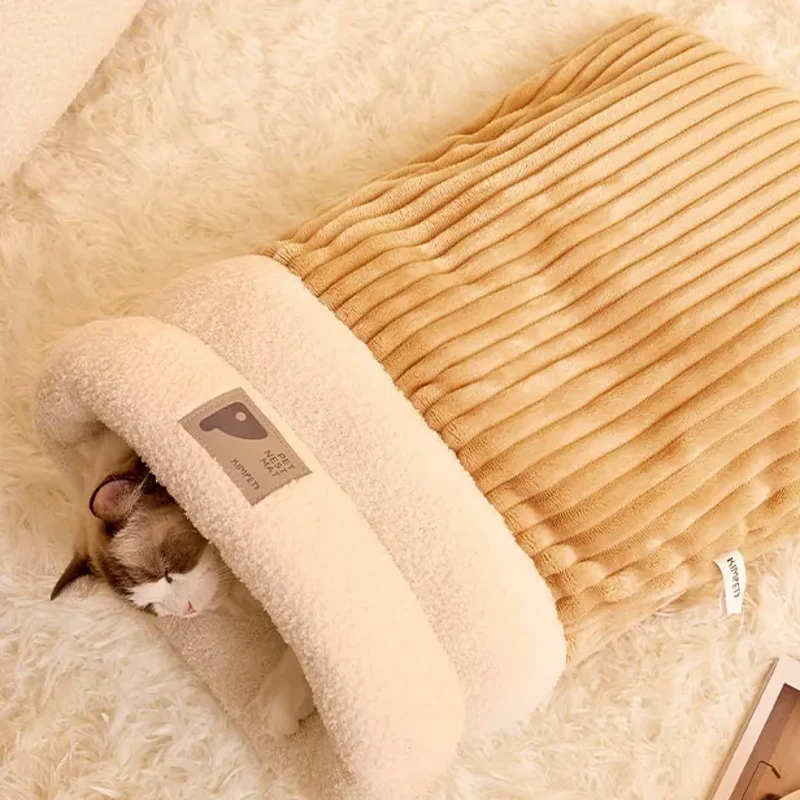 At CozzzypetsCozy pet sleeping bagFrom
4. A raised spot
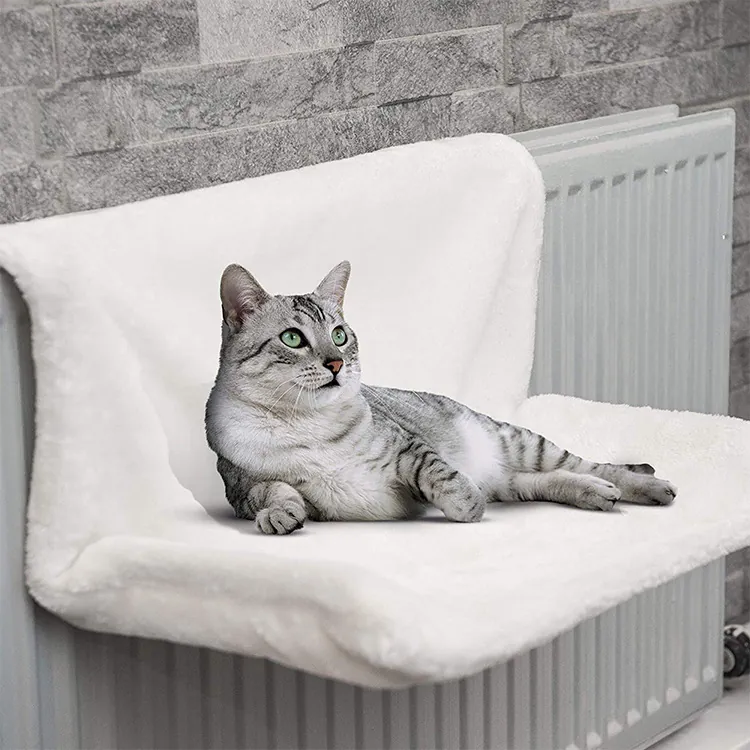
Cold air sinks and drafts travel along the floor. A bed set on a low piece of furniture, a shelf or a cat tree is often a few degrees warmer. The framed hammock, hung in its metal frame, keeps your cat off the ground: it suits cats of 5 kg (11 lb) or less. For a heavier cat, choose a bed placed on stable furniture.
5. A round bed with high sides
For the cat who sleeps curled up, the round plush bed is a classic: the padded sides block drafts, support the head and surround them like a nest. Pick a size just big enough for them to curl up in: a bed that’s too large holds heat less well.
Which one should you choose?
- Your cat hides to sleep (closet, under the bed): the covered bed.
- They already have a favourite spot and dislike change: the self-warming mat, in the same place.
- They burrow under blankets: the sleeping bag.
- They like watching from above and weigh 5 kg or less: the framed hammock.
- They sleep curled up in the open: the round bed.
Not sure? Look at where and how they already sleep: they’re giving you the answer. And nothing stops you from offering two warm spots in two different rooms, especially in a multi-cat home.
Small things that help
- Move their bed away from doors and windows, and raise it if the floor is cold.
- Open the curtains during the day: a sunbeam is their favourite heater.
- Play with them for a few minutes, two or three times a day: movement warms them up.
- Towel them dry if they come in wet from rain or snow and tolerate being handled.
What about outdoors?
The AVMA recommends keeping pets inside in cold weather. If your cat goes out, bring them in when the temperature drops and keep them in overnight, with a clean litter box. Another AVMA tip: before starting the car, bang on the hood and honk. A neighbourhood cat may have tucked in near the engine for its warmth.
Frequently asked questions
At what temperature do cats get cold?
There’s no number that fits every cat: it depends on age, coat, weight and health. A healthy adult cat is comfortable in a normally heated home. Trust their behaviour more than the thermostat: if they curl up tight and hug the heater, they’d like a warmer corner.
Why does my cat sleep on my laptop?
It’s warm, at the right height… and near you. Offer a warm spot right next to your desk, with a self-warming mat for example: there’s a good chance they’ll take it and give you your keyboard back.
Should I put a sweater on my cat?
Most cats don’t like being dressed: clothing can get in the way of moving and grooming. For an indoor cat, a well-placed warm bed is usually more welcome. For a hairless or very cold-sensitive cat, ask your vet for advice.
Can an indoor cat really get cold?
Yes. Cold floors, drafts near windows and heating turned down at night or during work hours are enough for a cold-sensitive cat to go looking for warmth. That’s even more true for a kitten or a senior cat.
My cat’s ears are cold. Should I worry?
Slightly cool ears on a cat who plays, eats and acts normally generally aren’t a problem. If they’re very cold and your cat is shivering or listless, call your vet.