Storm or power outage: the emergency kit for your pet
Published October 26, 2026 · Updated November 16, 2026
In short : Plan at least 3 days of food and water, their medication, a recent photo, blankets, a leash and a carrier, plus litter for a cat. Check the kit once a season.
This article contains affiliate links: if you buy through them, Cozzzypets may earn a small commission at no cost to you. As an Amazon Associate, we earn from qualifying purchases.
Your pet’s emergency kit should hold at least three days of food and water, their medication, a copy of their records, a recent photo, what’s needed to keep them warm, a leash or carrier and, for a cat, litter. Store it all in a watertight bin near the family kit, and check it every season.
In Quebec, an ice storm or power outage can last several days. The Government of Canada recommends that every household be self-sufficient for at least 72 hours, pets included, and the American Veterinary Medical Association (AVMA) publishes a detailed list for companion animals. Here’s how to put yours together, step by step.
Why prepare a kit ahead of time?
During a winter outage, stores and clinics may be closed, roads impassable and the house getting colder. That’s not the moment to notice the kibble bag is nearly empty.
A ready kit helps in two situations:
- You stay home, with no power or heat for a few days.
- You have to leave quickly, for a relative’s, a hotel or an emergency shelter.
Either way, everything your pet needs is in one place, and you can look after the rest of the family.
The basics: food, water and paperwork
Food
- At least three days of their usual food, in an airtight container. If you have room, aim for more: the AVMA suggests up to two weeks of supplies.
- A manual can opener if you feed canned food, and a spoon.
- A bowl kept just for the kit.
This is no time to switch brands: familiar food avoids upset stomachs. Rotate by using the kit’s food before its expiry date, then replacing it.
Water
Plan water for your pet on top of the family’s. A good-sized dog drinks far more than a cat: go by what they normally drink in a day, multiply by the number of days, then add a margin. Replace stored water from time to time.
Medication and paperwork
- Their medication, if they take any, with the dosage written down. Ask your vet how to keep a small supply ahead.
- A copy of their records: current vaccines, microchip number, your clinic’s contact details. Boarding kennels and emergency shelters often ask for proof of vaccination.
- A recent photo of you with your pet. If you get separated, it helps find them and prove they’re yours.
- A contact list: your vet, the nearest emergency clinic, someone who could take them in.
Slip the papers into a resealable bag to keep out moisture, and keep a copy on your phone.
Keeping warm during an outage
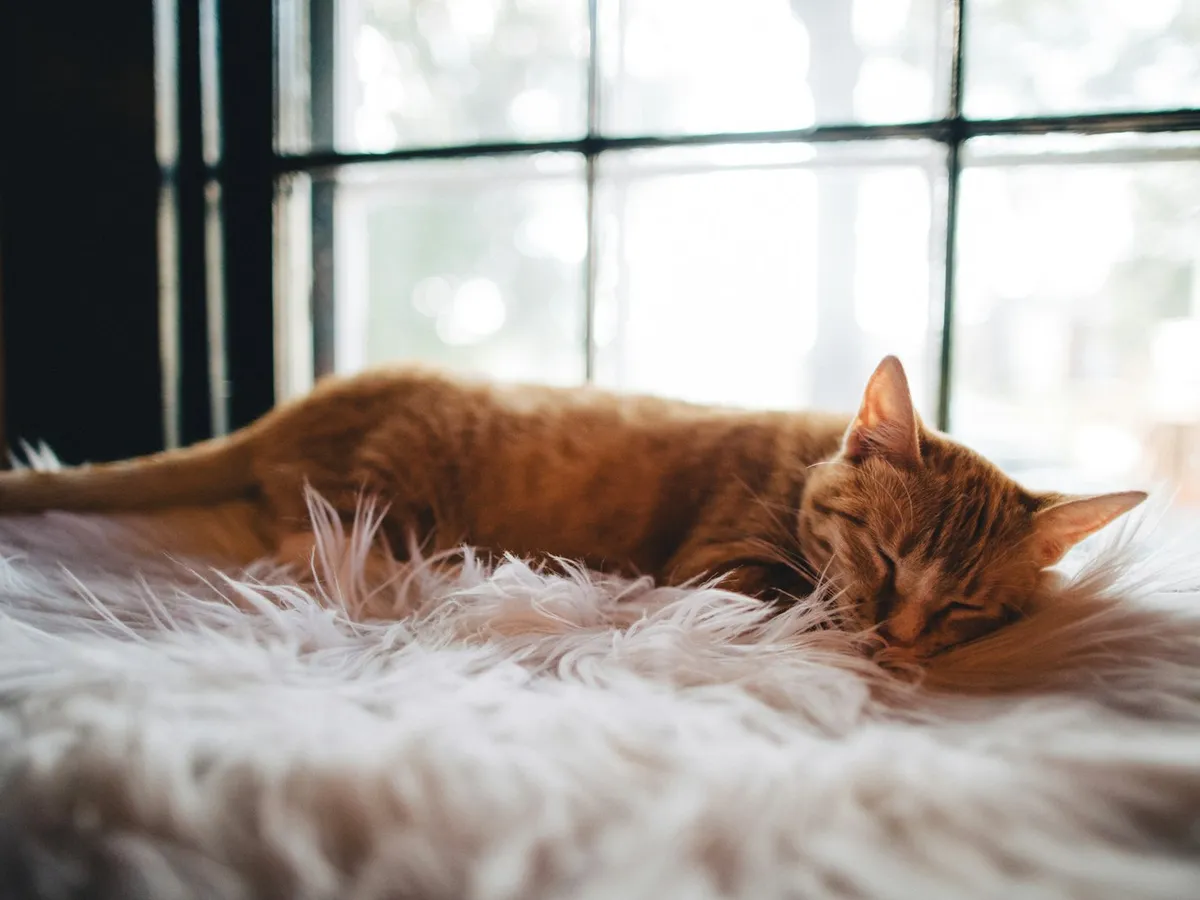
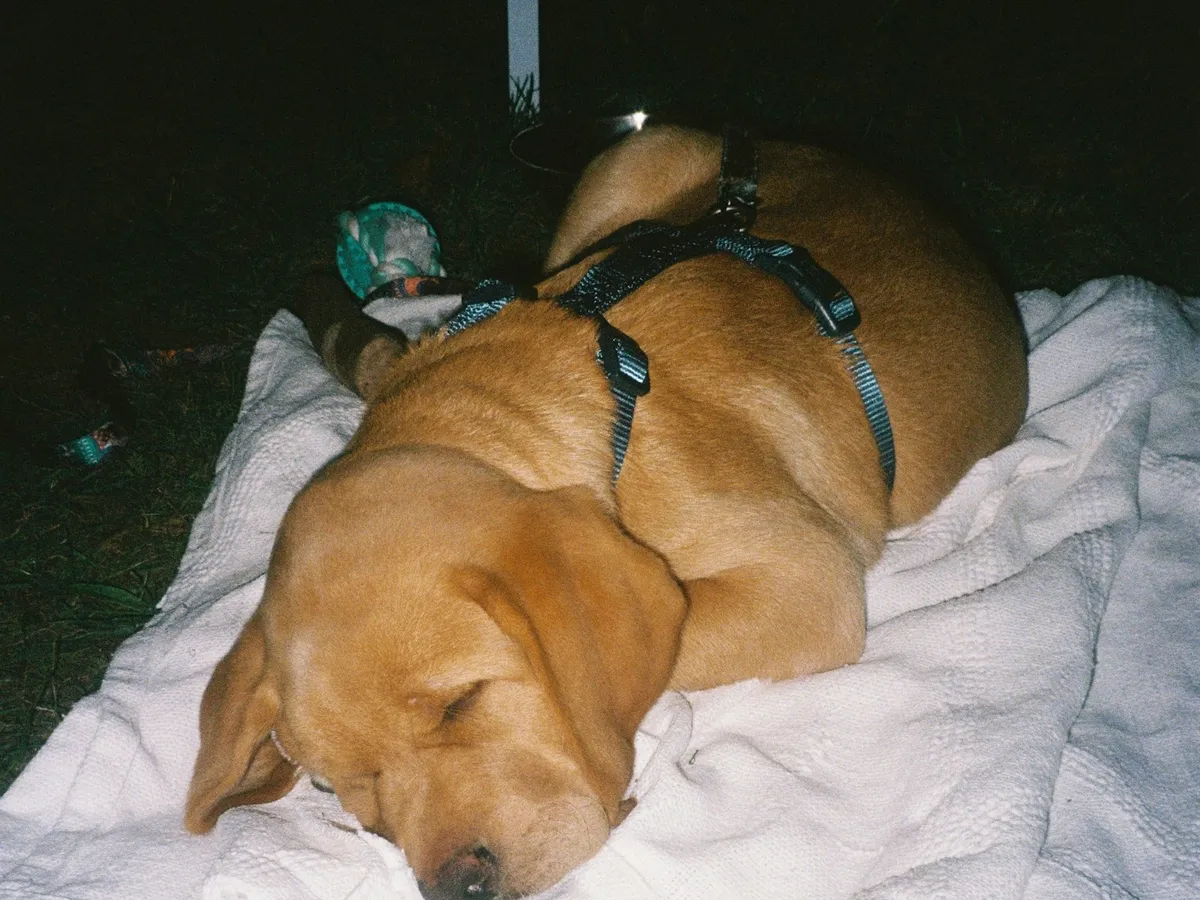
Without heat, a house cools quickly in January. Puppies, kittens, senior pets, small animals and short-haired ones feel it most.
- Gather everyone in one room, preferably small and without large windows, door closed. Body heat holds better there.
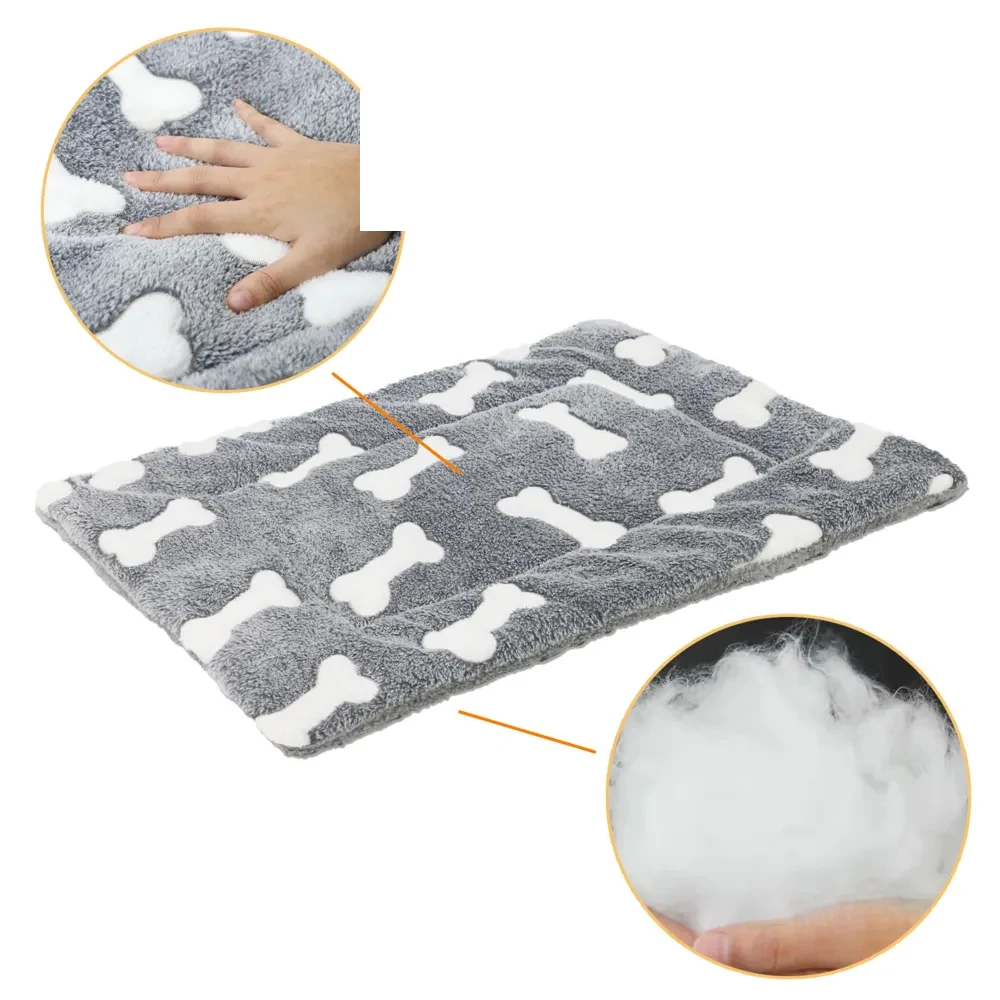
- Insulate from the floor. Cold comes up through the floor. A self-warming mat with no electricity holds the heat your pet gives off, with no cords or batteries, so it’s useful even during an outage.
- Add layers. One or two flannel pet blankets in their bed let them burrow.
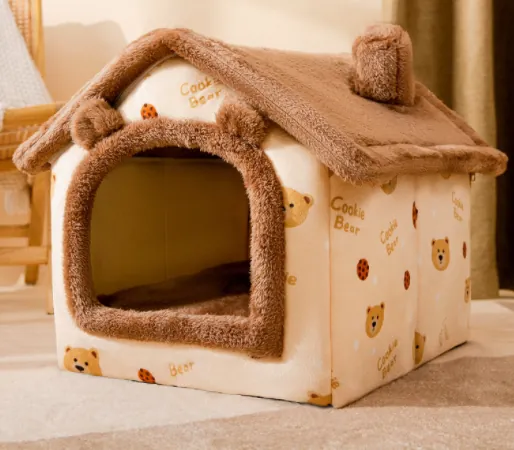
- For a cat, a plush cozy pet sleeping bag they can slip into.
- For a dog who feels the cold, a sweater or coat indoors isn’t overdoing it when the house is cold.
 At CozzzypetsSelf-warming mat, no electricityFrom
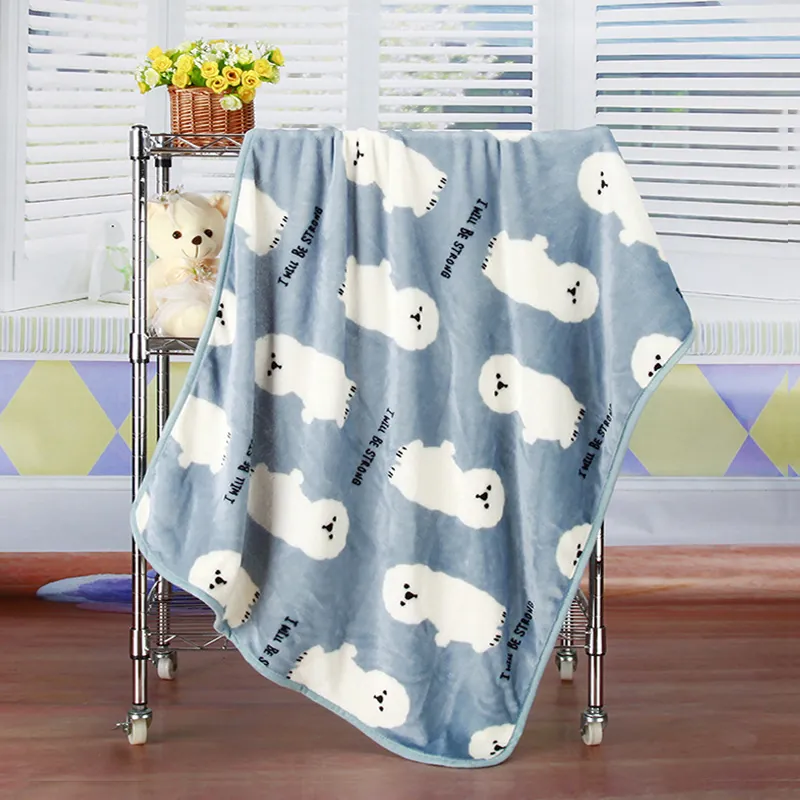 At CozzzypetsFlannel pet blanket
 At CozzzypetsCozy pet sleeping bagFrom
Watch for signs they’re cold: shivering, curling into a tight ball, pressing against you or refusing to move. To recognize them, read Is my dog cold? and Do cats get cold in winter?. If your pet seems weak or very listless, call your vet.
Safety during the outage
- Candles and oil lamps: out of reach, never unattended. A curious tail or paw can knock them over. Battery lamps are safer.
- Space heaters and fireplaces: keep your pet back with a screen or gate.
- Antifreeze and ice-melt products: put them away. They’re dangerous for pets.
If you have to leave home
The AVMA’s rule is simple: if you leave, take your pets. A place that’s unsafe for you is unsafe for them too.
- A soft pet carrier bag for a cat or small dog, labelled with your name and number. If your cat hates it, start practising now: How to get your cat used to a carrier.
- A collar with a current ID tag, a harness and a leash, even for a dog who never wanders: in an unfamiliar place, a frightened animal may bolt. Keep a spare leash in the kit.
- A 2-in-1 walking water bottle, which carries water and kibble for the road.
- Poop bags with dispenser.
- A list of places that accept pets: relatives, hotels, kennels. Not all emergency shelters take them. Make this list now, not during the storm.
Extras for a cat
- A small litter box, or a disposable one, and a bag of litter.
- A scoop and garbage bags.
- A toy and a blanket that smell like home.
Useful little extras
- A flashlight or headlamp and spare batteries.
- An ultra-absorbent microfiber towel to wipe off snow and paws.
- Paper towels and resealable bags.
- A pet first-aid kit: ask your vet what it should contain.
- A few treats and a chew toy, to fill the long hours indoors.
Maintaining the kit
A kit forgotten in the basement for three years isn’t much use.
- At every change of season, check the dates on food and medication, and replace the water.
- Once a year, update the photo, the vaccine record and the contact list.
- After any change (new phone number, new medication, new pet), adjust the kit and the ID tag.
- Store it somewhere accessible, near the door or with the family kit, and tell everyone in the family where it is.
Frequently asked questions
How many days of food should I plan?
At least three days, which is the 72 hours recommended in Canada. The AVMA suggests going up to two weeks when possible.
Does my cat need a kit too?
Yes. Food, water, litter, a carrier and records are essential, even for a cat who never goes out.
Can my pet come with me to an emergency shelter?
Not always. Check with your municipality and have a backup: a relative, a kennel or a pet-friendly hotel.
How often should I check the kit?
Every season for food, water and medication, and once a year for the paperwork.
What should I do if my pet gets lost during a storm?
Contact shelters, vet clinics and your municipality, and share their recent photo. A readable ID tag and a microchip with up-to-date contact details greatly improve the chances of finding them.
Sources: AVMA, Pet Evacuation Kit Checklist · AVMA, Cold Weather Animal Safety · Government of Canada, Emergency preparedness for pets and service animals