Traveling by car with your dog: 7 safety rules
Published October 26, 2026 · Updated November 16, 2026
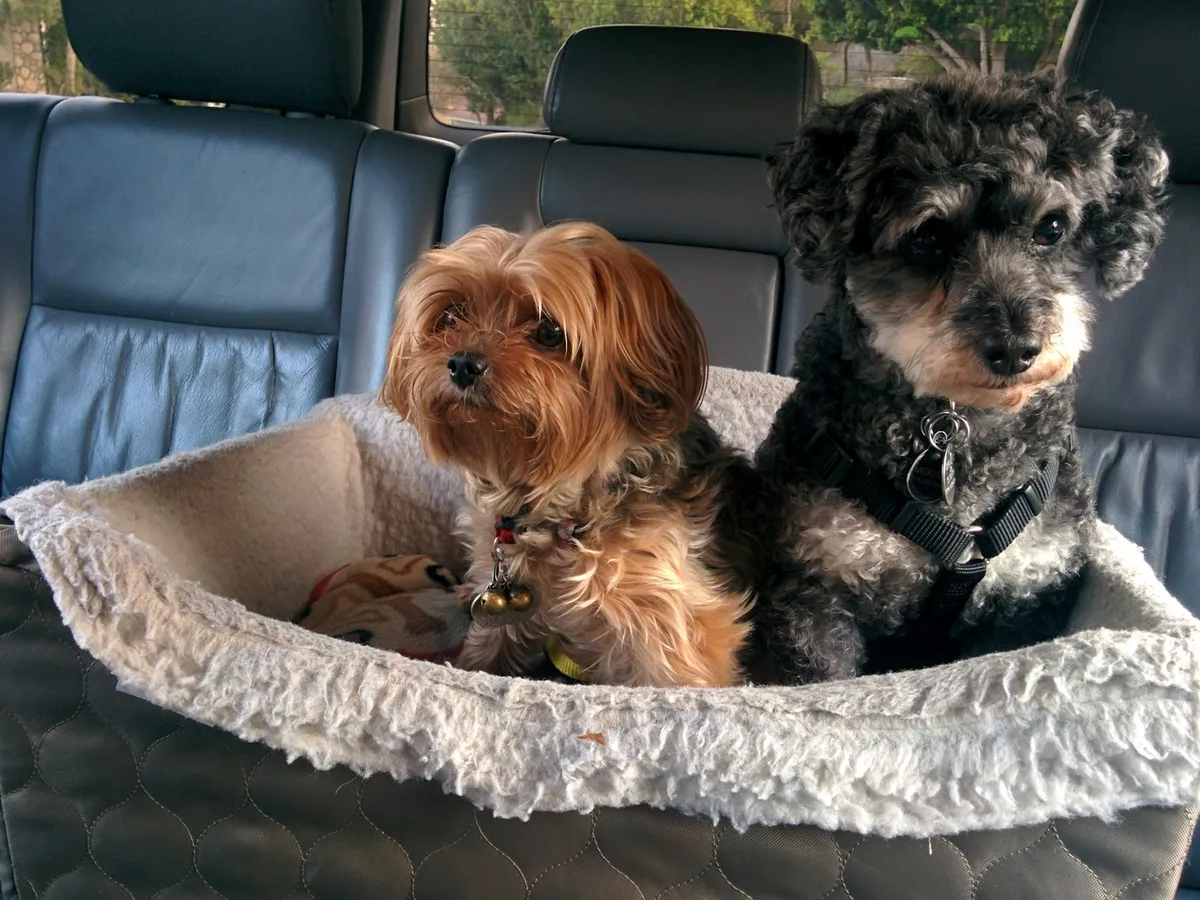
In short : Always restrain your dog in the back seat: a car bed or secured carrier for a small dog, a seat belt clipped to a harness for a bigger one. Stop every two or three hours and never leave them alone in the car.
To travel safely by car with your dog, remember the essentials: always restrained, in the back seat, head inside, and never left alone in the car. Add a break every two or three hours and a little practice before the big trip, and most drives go very smoothly.
A loose dog in the car can distract the driver and be thrown in a sudden stop. The Canadian Veterinary Medical Association recommends restraining dogs and cats during travel, and the AVMA compares a harness or carrier to a seat belt: the logic is the same as for people. Here are seven simple rules, whether the drive lasts ten minutes or ten hours.
1. Always restrained
According to the AVMA, a loose pet in the cabin faces several risks: a small dog can slide into the driver’s footwell and get in the way of the pedals, a dog on a lap can be injured by the airbag, and an unrestrained pet can be thrown in a collision. Then there is distraction: a nose poking between the seats at the wrong moment, and your eyes leave the road.
The solution depends on size:
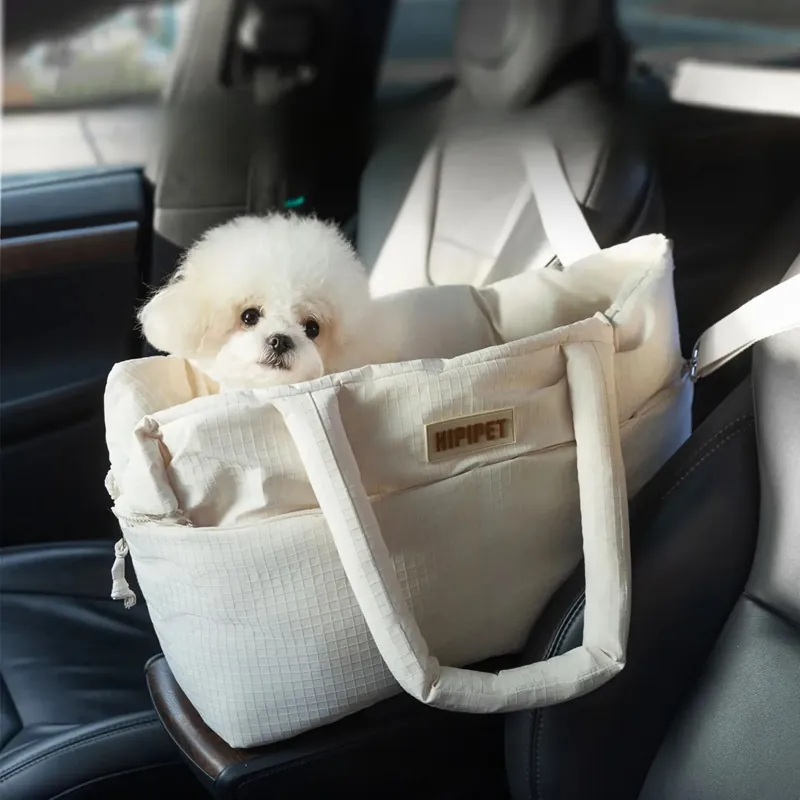
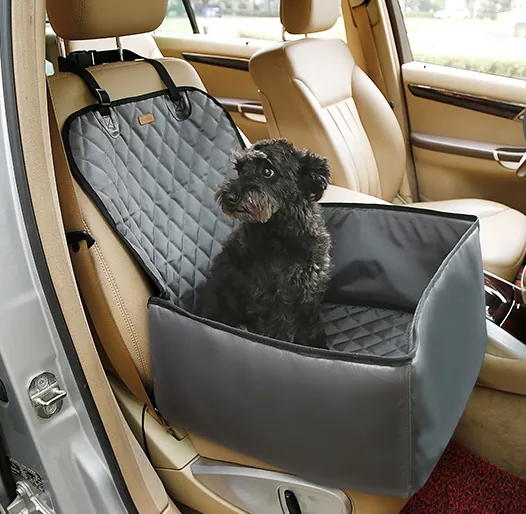
- Small dog: a car bed strapped to the seat, a booster car seat that attaches to the headrest and lets them see out, or a well-secured carrier. In a seat or bed, always secure them by their harness, with the safety tether or a dog seat belt.
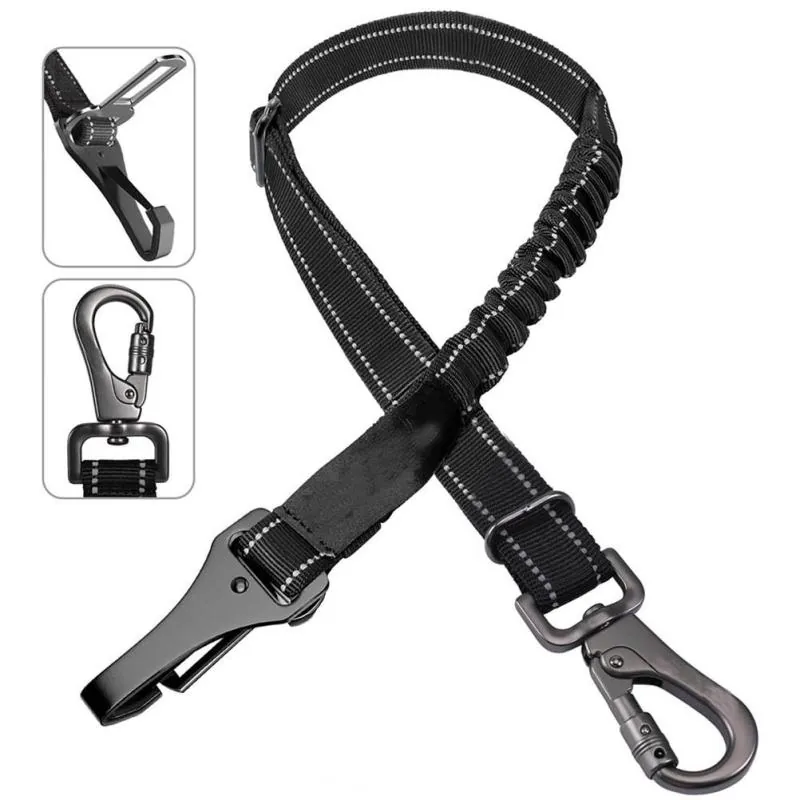
- Medium or large dog: a dog seat belt that attaches to the car’s seat belt on one end and to their harness on the other.
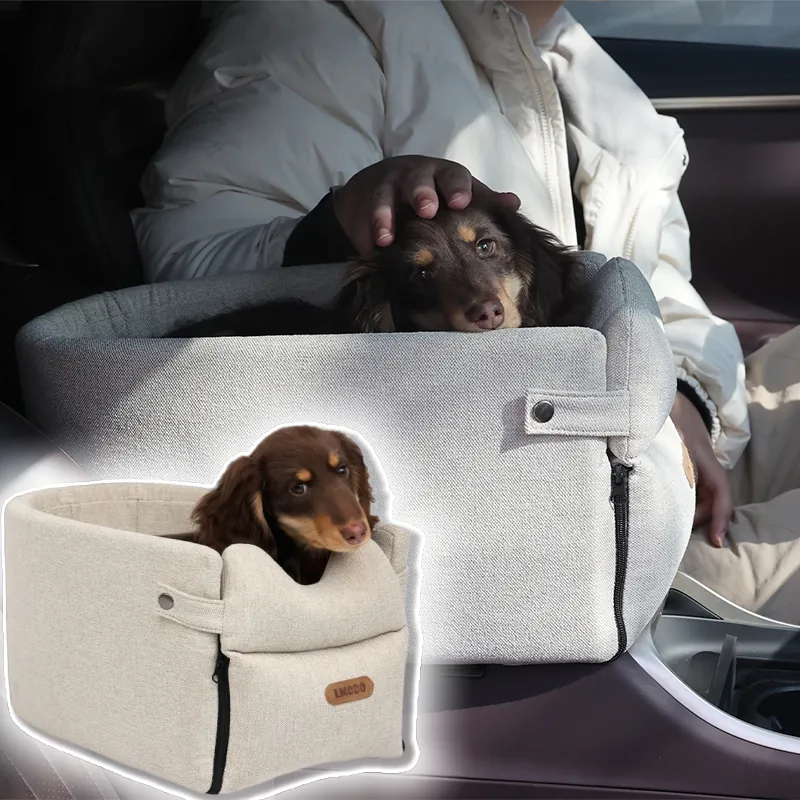 At CozzzypetsCar seat bed for small dogs
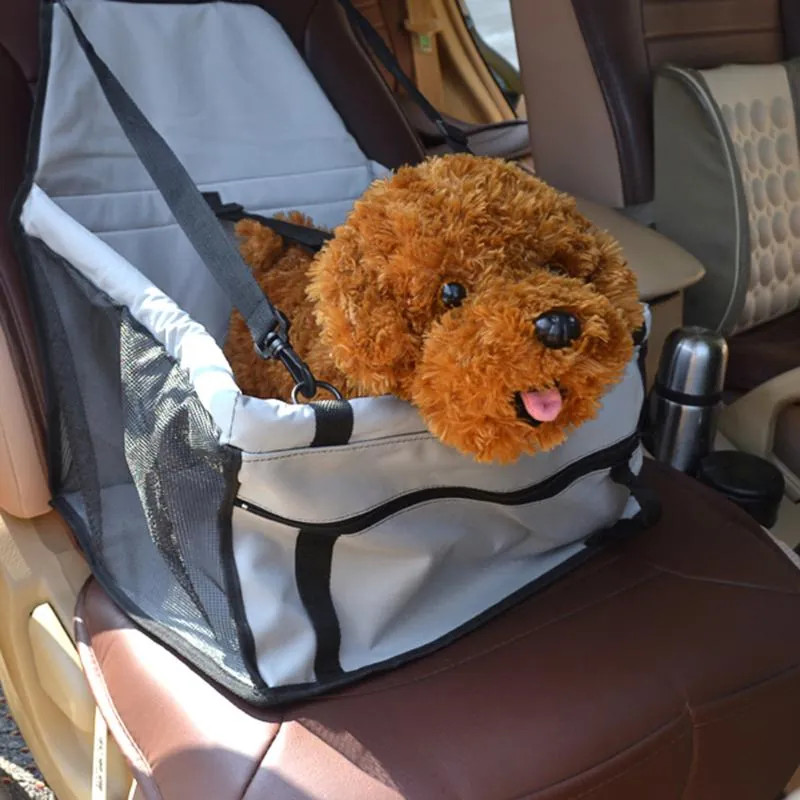 At CozzzypetsBooster car seat for small dogsFrom
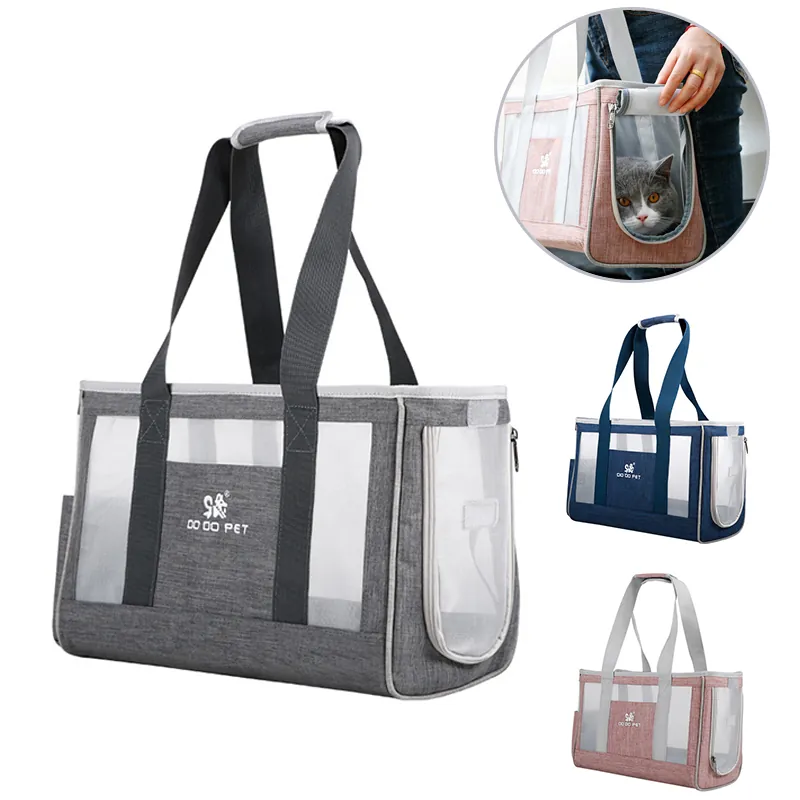 At CozzzypetsSoft pet carrier bag
Two important rules:
- Always on a harness, never on the collar. In a hard stop, the force spreads across the chest rather than the neck.
- Adjust the length so they can sit and lie down, but not reach the front or fall off the seat.
2. In the back
The back seat is the place to choose. In front, the airbag is designed for an adult: the AVMA notes it can seriously injure a pet. A dog up front is also far more tempting to pet while driving.
If your dog keeps trying to join you, a barrier net between the front seats reminds them where their spot is. In an SUV or wagon, a large dog travels well in the cargo area open to the cabin, on a cargo liner that covers the floor, sides and bumper.
3. Head inside
We all love the image of a dog with ears in the wind. But the AVMA points out that debris can hit the eyes, ears or mouth, and that a dog leaning out can lose balance in a turn or jump at the sight of another dog. Open the window just a few centimetres: they enjoy the smells without getting their head out. Lock the rear window controls, which a paw can press.
4. Regular breaks
Stop every two or three hours, more often for a puppy or senior dog.
- Clip the leash on before opening the door. A rest stop is unfamiliar, noisy and close to traffic.
- Offer water at every stop. A 2-in-1 walking bottle makes it easy, with no bowl to carry.
- Let them walk and sniff for a few minutes: that is how they unwind.
- Pick up, of course. Keep a roll of bags in the glove box.
5. Never alone in the car
This is the most important rule. The AVMA reports that the temperature inside a parked vehicle can rise nearly 20°F (about 11°C) in 10 minutes and nearly 30°F (about 17°C) in 20 minutes. On a mild 70°F (21°C) day, the cabin reaches about 89°F (32°C) in ten minutes and tops 104°F (40°C) after an hour. Cracking the windows makes very little difference.
In winter it is the reverse: a stopped car cools quickly and holds the cold like a refrigerator. “Just five minutes” at the grocery store easily turns into twenty. If two of you are travelling, take turns at stops; alone, choose drive-throughs or stops where your dog can come along.
6. Protect the seat (and their comfort)
A well-settled dog moves around less. A stable, non-slip surface helps them lie down instead of bracing at every turn.
- A car hammock with mesh window covers the back bench and stretches to the front seats, closing the gap where a dog can slide during braking.
- A waterproof mattress protects the seat from mud, slush and fur, and gives them a familiar spot.
- Add a blanket that smells like home: the scent is reassuring.
7. Build up gradually
A dog who has only ridden in the car to go to the vet has no reason to like it. Before a long trip, take a week or two:
- Car parked: have them hop in, settle, get a treat, hop out.
- Engine running, without driving, for a few minutes.
- Around the block.
- Short drives to pleasant places: the park, the trail, a friend’s home.
Lengthen the drives little by little. If they yawn a lot, pant or drool, go back a step.
The pre-departure checklist
- Harness and seat belt, seat or carrier, installed and adjusted.
- Leash and bags within reach, not at the bottom of the trunk.
- Water and a bottle or bowl.
- Their usual food if you will be away more than a day.
- A towel for wet paws.
- An up-to-date ID tag with your cell number. The AVMA also recommends a microchip with current contact details.
- Their medication and health records. If you are crossing the border, check required documents ahead of time.
Which one to choose?
- Small, curious dog who wants to see out: the booster seat or car bed. They are raised, restrained and curled up in a cozy spot.
- Medium or large dog: the seat belt clipped to a harness, on a bench protected by a hammock.
- Very large dog, SUV or wagon: the cargo area, with a cargo liner.
- Nervous or very small dog: a closed, well-secured carrier. Many dogs settle when they see less motion.
You will find more ideas on our For you: car travel page.
Frequently asked questions
Can a dog ride in the bed of a pickup truck?
It is very dangerous. The AVMA explains that a dog can fall or jump out, be struck by another vehicle, and that a tether can tangle or choke them. Keep them in the cabin, restrained.
Should I feed them before leaving?
A small meal a few hours before departure is generally better than a big one right before. Offer water at stops.
Can my dog ride on my lap?
No, even if they are tiny. On the driver’s lap they interfere with driving; on the front passenger’s lap they are exposed to the airbag. A car seat in the back gives them the height they are looking for.
Is restraining a dog in the car mandatory?
Rules vary by province or state. A pet that interferes with driving or blocks the view can lead to a ticket almost anywhere, though. Beyond the law, it is first a matter of safety for them and for you.
How long can a dog stay in the car?
With breaks every two or three hours, most adult dogs handle a day on the road well. Plan shorter legs for a puppy, a senior dog or a dog who rarely travels.
Sources: Canadian Veterinary Medical Association, Transportation of Dogs and Cats · AVMA, Pets in Vehicles