Visiting family for the holidays with your dog: the packing list
Published October 26, 2026 · Updated November 16, 2026
In short : Bring a way to restrain them in the car, water, leash and poop bags, their bed or a portable nest, their usual food for the whole stay, their bowls, a towel, an up-to-date ID tag and any medication.
To visit family with your dog over the holidays, plan five little “kits”: something to restrain and water them on the road, what they need to sleep like at home, their usual food for the whole stay, gear for walks and wiping down, and up-to-date ID and papers. With that, and a few clear rules once you arrive, everyone has a lovely holiday, your hosts included.
The holidays often mean a few days at the in-laws, at a sibling’s place or at the cottage. If your dog is coming along, a little planning changes everything. Here is the checklist, followed by our tips for the road, the arrival and life in someone else’s home.
Before you leave: three checks
- Ask your hosts whether your dog is welcome and where they will sleep. The AVMA also recommends letting other guests know a pet will be there: some have allergies or are afraid. Better to know before you arrive.
- Check their identification. The AVMA advises an ID tag with your current contact information and a microchip with up-to-date registration. In an unfamiliar house with a door that never stops opening, it is your best insurance.
- If you are crossing a border, look up the required documents ahead of time. The AVMA notes that a veterinarian’s health certificate may be required, even when driving.
For the road
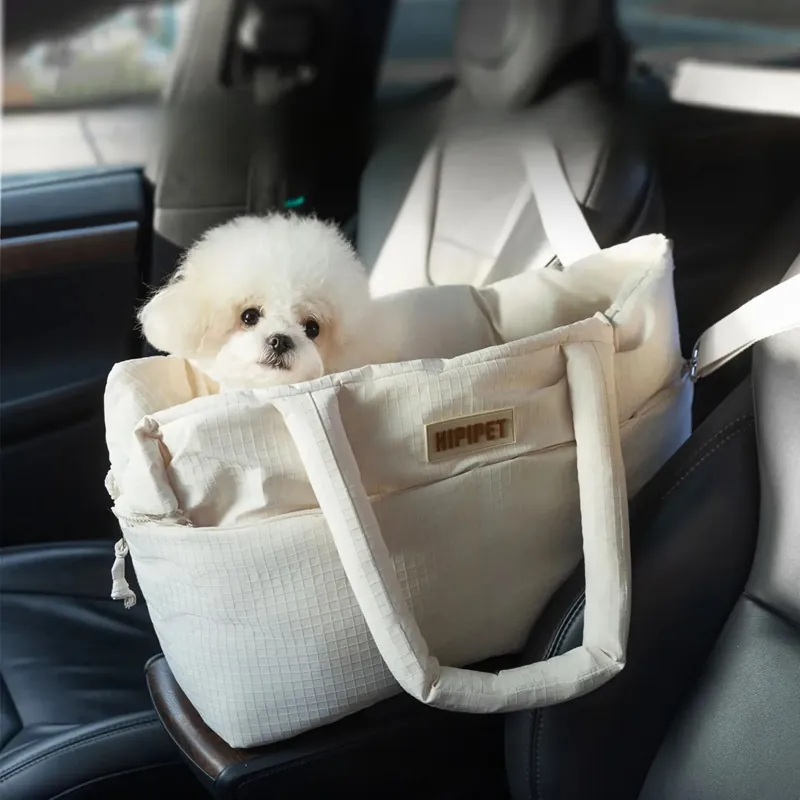
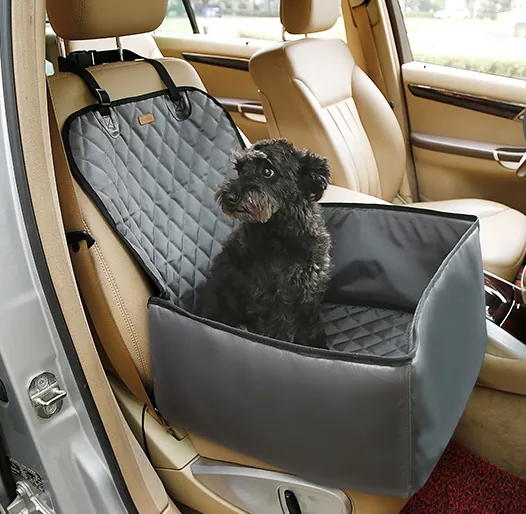
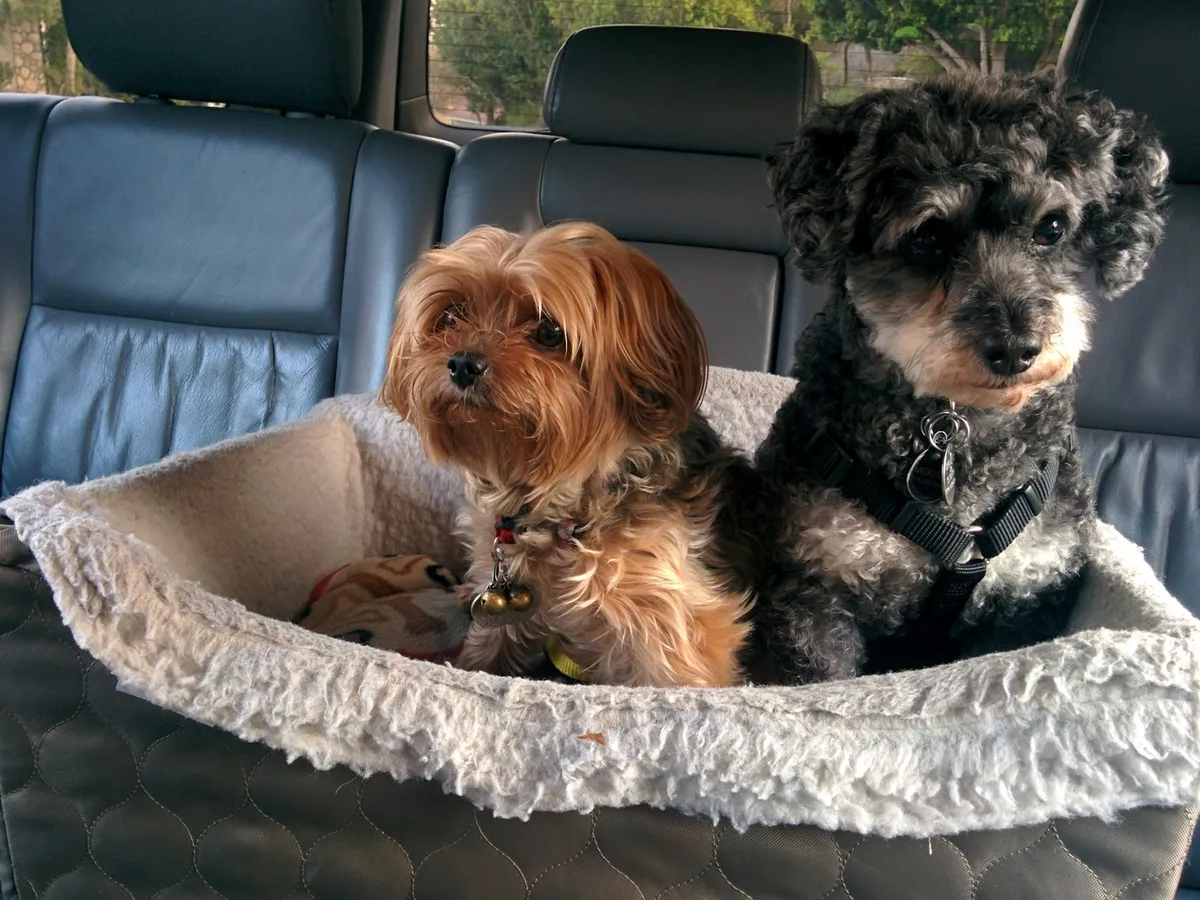
- A dog seat belt clipped to their harness, or a secured car bed for small dogs. The Canadian Veterinary Medical Association recommends restraining pets during car travel, and the AVMA specifies: in a harness or carrier, away from airbags.
- A 2-in-1 walking bottle for stops.
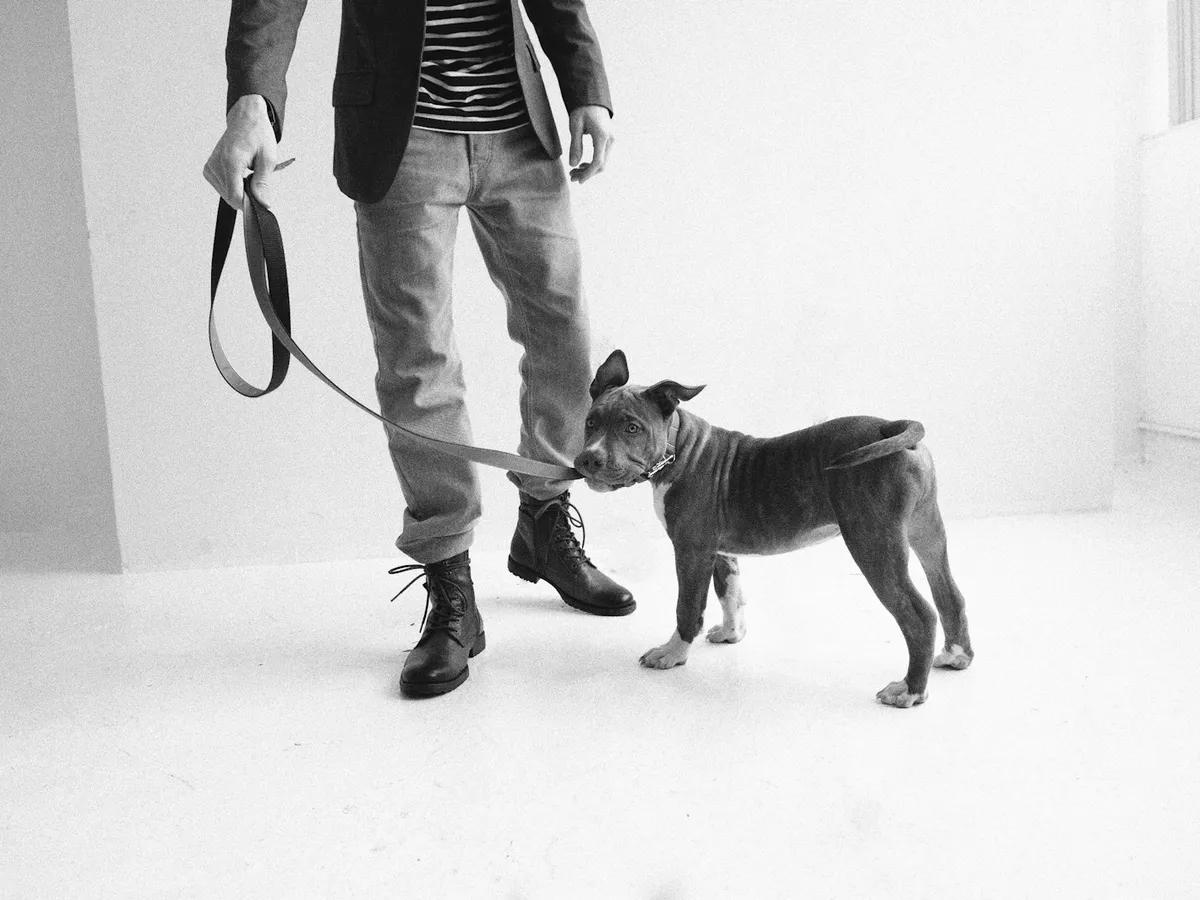
- Their leash and a poop bag dispenser within reach, not at the bottom of the trunk.
- A break every two or three hours. Clip the leash on before opening the door: a holiday-season rest stop is noisy and busy.
- A light meal a few hours before leaving rather than a big one right before.
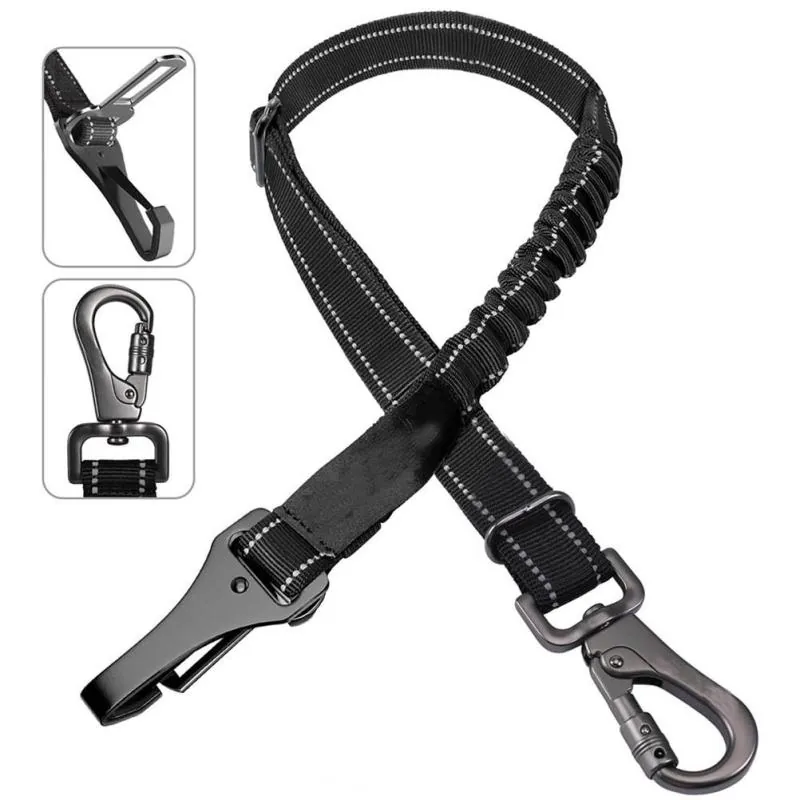 At CozzzypetsDog car seat belt
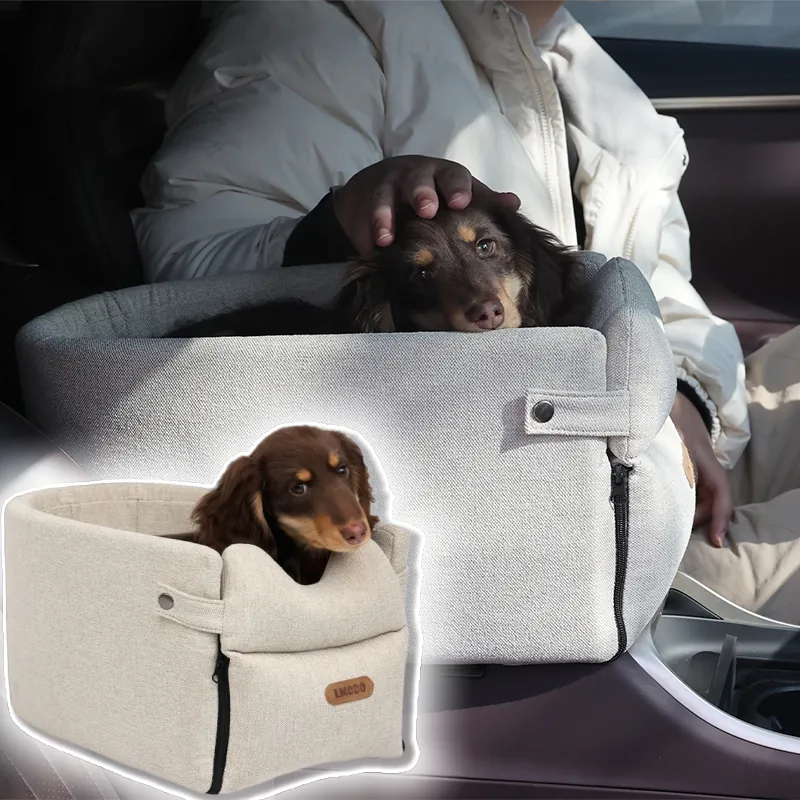 At CozzzypetsCar seat bed for small dogs
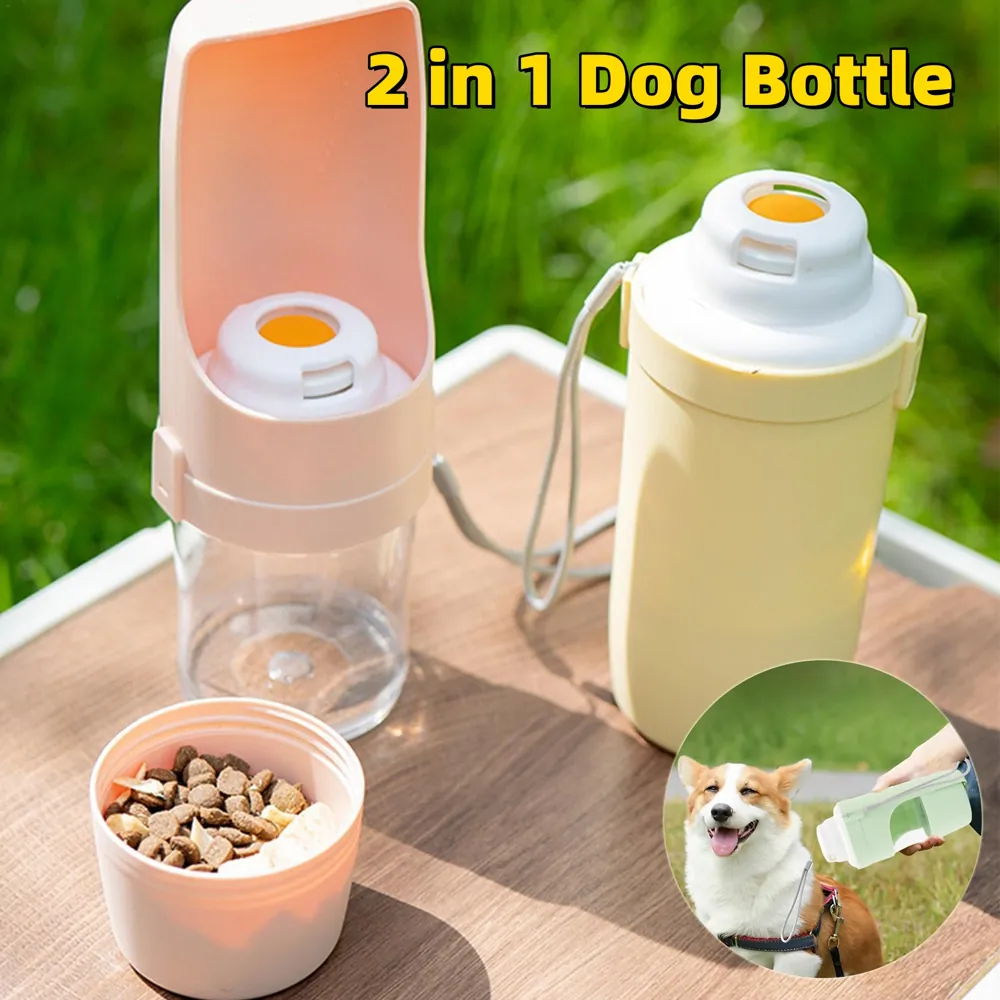 At Cozzzypets2-in-1 walking water bottle
Allow more time than usual: December weather is unpredictable, and a dog needs breaks even when you are late for dinner.
For sleeping
A dog sleeps better in an unfamiliar house when surrounded by familiar smells.
- Their usual bed, if it fits in the car. Otherwise, a portable cozy nest, light and easy to move from room to room.
- A blanket that smells like home, such as their sherpa blanket: do not wash it right before leaving.
- A toy or plush they know well.
Set up their corner as soon as you arrive, in the room where you sleep if possible. They will know right away where to retreat.
For meals
- Their usual food for the whole stay, plus an extra day or two in case a storm keeps you there. A sudden change of food can upset their stomach, and the brand they eat may not be on the shelf at the village corner store.
- Their bowls, and a silicone placemat to protect your hosts’ floor.
- Their usual treats, in small amounts.
- Keep their mealtimes: it is a reassuring anchor when everything else changes.
For outings
- A microfibre towel to wipe paws and belly before coming in. Your hosts will thank you.
- Their coat and booties if it is cold, especially if walks are on salted sidewalks.
- A second leash, just in case. In a place they do not know, keep them leashed even if their recall is perfect at home.
Papers and kit
- An up-to-date ID tag with your cell number.
- Contact details for your own clinic and for a vet clinic near your destination, including an emergency service open on statutory holidays.
- Their medication, if any, in sufficient quantity for the whole stay.
- A recent photo of them on your phone.
The checklist
- Harness, seat belt or car bed
- Leash, spare leash, bags
- Bottle and water
- Bed or portable nest, blanket, familiar toy
- Food for the whole stay, bowls, placemat
- Towel, coat, booties
- ID tag, clinic contacts, medication
On arrival: the first ten minutes
- A walk first. Before going in, let them do their business and sniff the neighbourhood. They will come in calmer.
- Enter on leash. Show them the rooms they are allowed in.
- Show them their corner: bed, water bowl, toy.
- Scan for hazards, at their height: candy dishes on the coffee table, wrapped gifts under the tree, an open kitchen garbage can.
Once there: living in someone else’s home
House rules
Ask your hosts where your dog can and cannot go: on the couch? upstairs? in the kitchen during dinner? Their home, their rules. A mesh gate helps keep a room off limits without closing the door.
Holiday food
This is the biggest risk of the stay, because everyone wants to spoil the dog. The AVMA warns that chocolate, xylitol (a sweetener found in some baked goods), grapes and raisins, onions, bones and raw bread dough are dangerous, and that fatty scraps can make them sick. Tell guests kindly, especially children and grandparents, and keep the garbage closed.
Plants and decorations
According to the AVMA, poinsettia, amaryllis, mistletoe and holly can be dangerous if eaten. Spot them when you arrive and ask to have them placed up high.
The front door
With all the comings and goings, a dog can slip outside in a second. The AVMA advises watching doors during arrivals and departures. At those times, keep them on leash or in another room.
A quiet corner
Even the most sociable dog eventually tires of the noise. The AVMA suggests a quiet room or crate, away from the party, where they can retreat. Give them something to do: a tough chew toy or a snuffle ball with a few kibbles.
Their routine
Keep walks and meals at the same times as at home. A good walk before dinner helps them stay calm while everyone is at the table.
Frequently asked questions
My dog does not like the car. What can I do?
Take a few short, pleasant drives before the big trip, with a reward on arrival. If they often get carsick, talk to your veterinarian before leaving.
What if my hosts have a cat?
Introduce them gently, keep your dog leashed at first and give the cat high places and a room the dog cannot enter. Do not leave them alone together.
What if they have another dog?
Do introductions outside, on leash, walking side by side before going in. Put toys away and serve meals separately for the first few days.
Can my dog stay alone in an unfamiliar house?
Avoid it if possible, especially on the first day. If you must go out, leave them in your room with their bed, water and a toy, after a good walk, and start with a short absence.
Would it be better to have them looked after at home?
It depends on the dog. One who is very nervous in the car or with strangers may be happier at home with a sitter or at a boarding kennel. A sociable dog used to travelling will enjoy the stay with you.
Sources: Canadian Veterinary Medical Association, Transportation of Dogs and Cats · AVMA, Winter Holiday Pet Safety