Harness or collar: which is best for walking your dog?
Published October 26, 2026 · Updated November 16, 2026
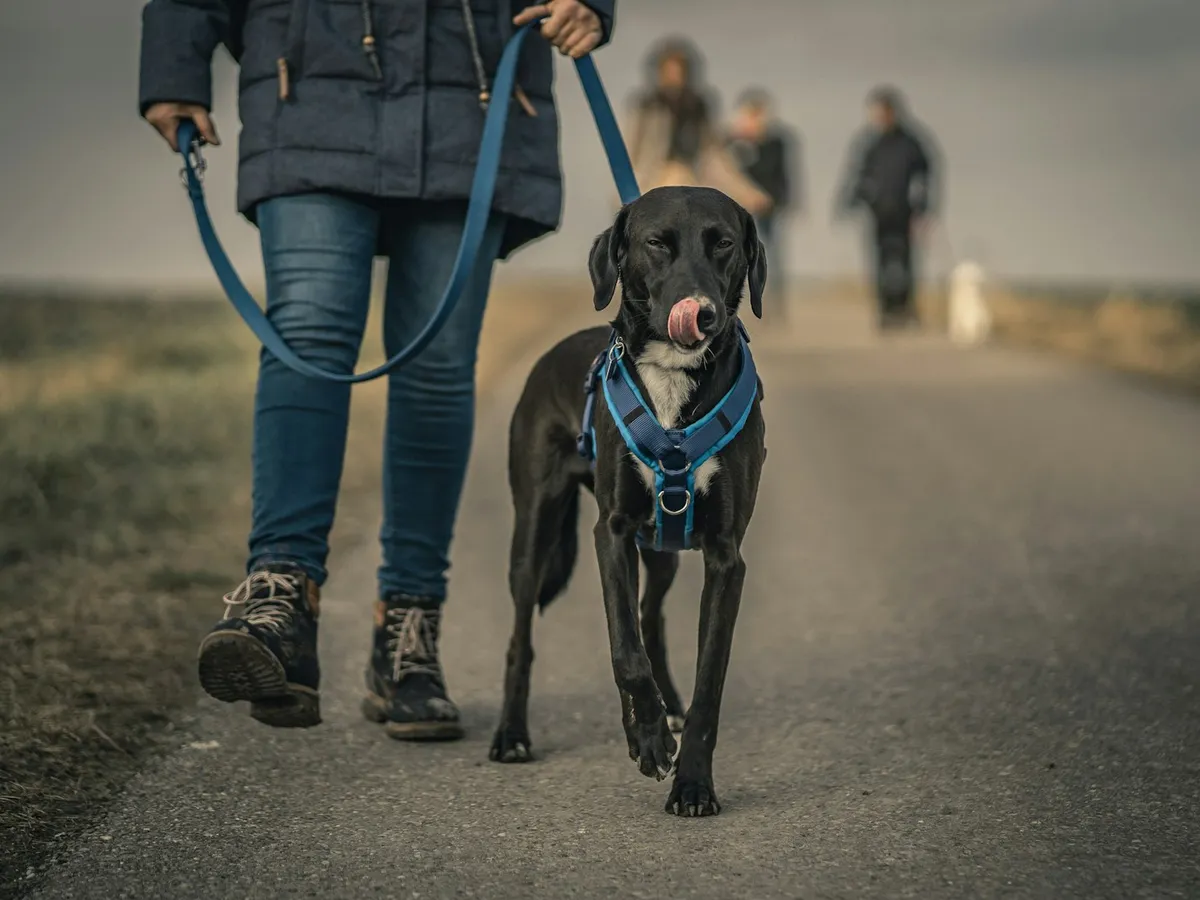
In short : A collar is ideal for wearing an ID tag and suits dogs who walk calmly; a harness spreads pressure across the chest and is often preferred for small dogs, puppies and dogs who pull. Many families use both.
In stores and online, the question keeps coming back: harness or collar? The short answer: both have their place, and many families end up using both. The collar carries the ID tag; the harness is for the walk. But depending on your dog’s size, the way they walk and the outings you have in mind, one of the two will be more comfortable for them, and for you.
Here are the strengths and limits of each, the situations where one works better than the other, and how to get the size right the first time.
The collar: simple, light, always on
The flat collar is the basic accessory. It has three big advantages:
- It carries the ID tag. That is its first job. A dog who slips out the front door won’t be wearing a harness, but they will be wearing their collar.
- It goes on and off in two seconds. Handy for quick trips to the yard.
- It is light. Most dogs forget it is there.
For walks, a collar suits dogs who walk calmly on a loose leash. According to the American Kennel Club (AKC), the flat collar is also the usual choice for teaching a puppy to walk on a leash.
Its limits: when a dog pulls, all the pressure lands on the neck. And a collar that is too loose slips off easily, especially on dogs whose neck is as wide as their head, such as greyhounds.
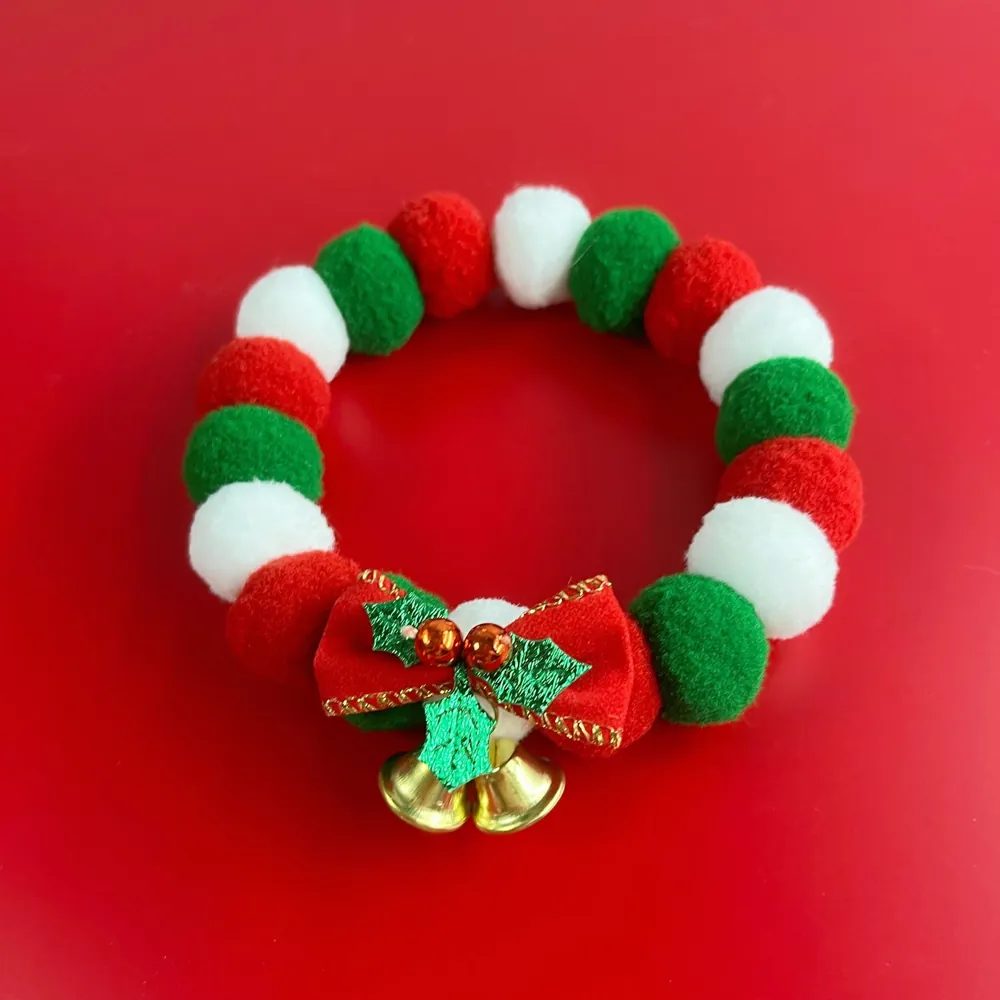
An adjustable nylon collar makes a good everyday collar. For special occasions, the printed collar with metal buckle adds a dressier touch.
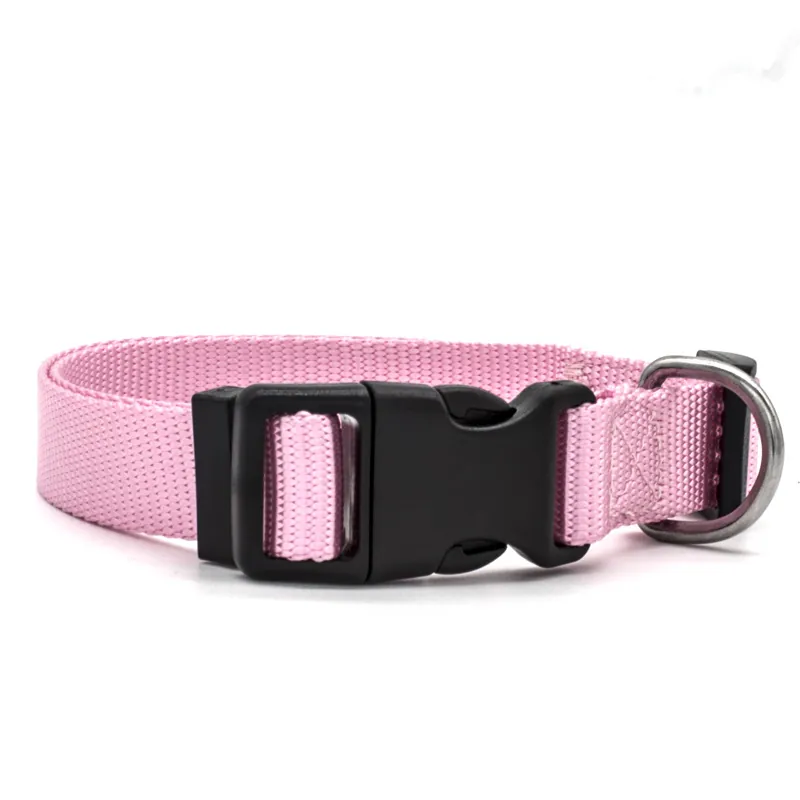 On saleAdjustable nylon collar
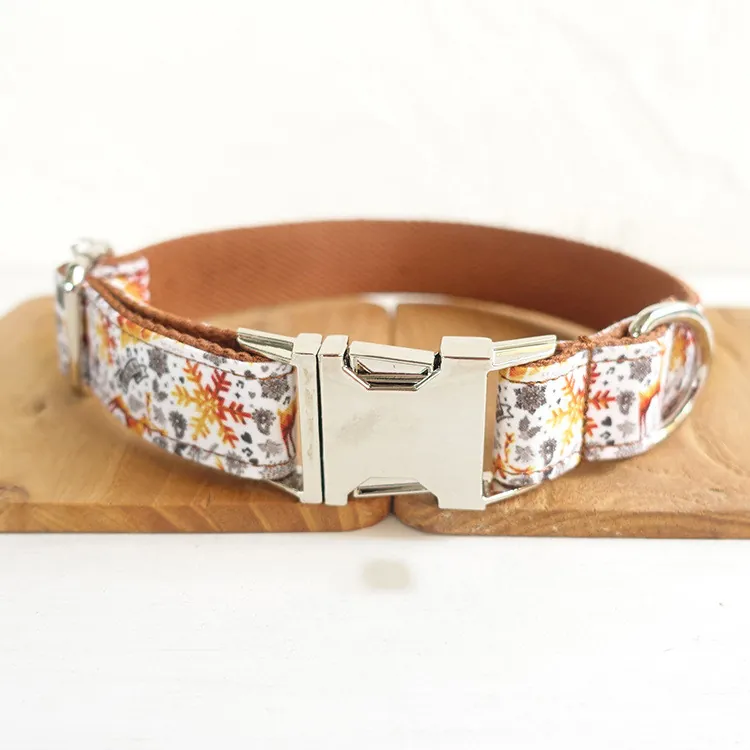 At CozzzypetsPrinted collar with metal buckle
The harness: pressure on the chest, not the neck
A harness wraps around the chest and back. When the dog moves forward or pulls, the pressure is spread across the chest and shoulders. The AKC describes it as often more comfortable for the dog, and notes that it makes the leash less likely to get caught under their legs.
It is especially popular for:
- Small dogs. Their neck is delicate; the AKC mentions the back-clip harness as a popular choice for them.
- Puppies. They pull, jump and change direction without warning. A harness leaves the neck free while they learn.
- Dogs who pull. They are generally more comfortable in a harness than in a collar.
- Car rides. A dog car seat belt always clips to a harness, never to a collar.
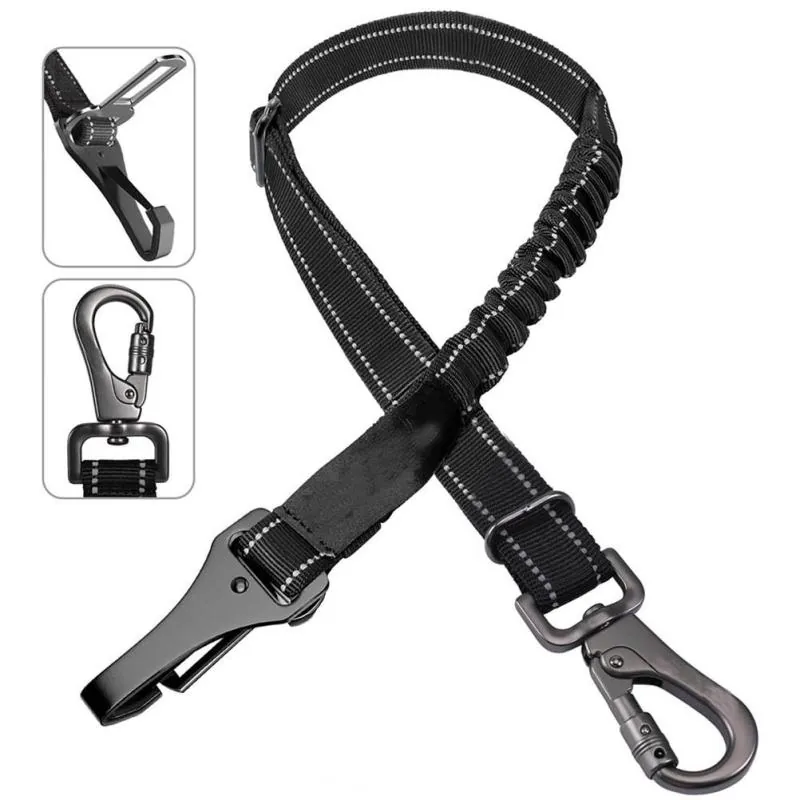 At CozzzypetsDog car seat belt
Its limits: it takes a little longer to put on, it needs careful adjusting, and a poorly fitted harness can rub under the front legs or let the dog wriggle free.
Back clip or front clip?
You will see two main types of harness:
- Back clip: the leash ring sits between the shoulders. This is the most common style, simple and comfortable for everyday walks.
- Front clip: the ring is on the chest. When the dog pulls, they end up turned toward you, which gives you more control.
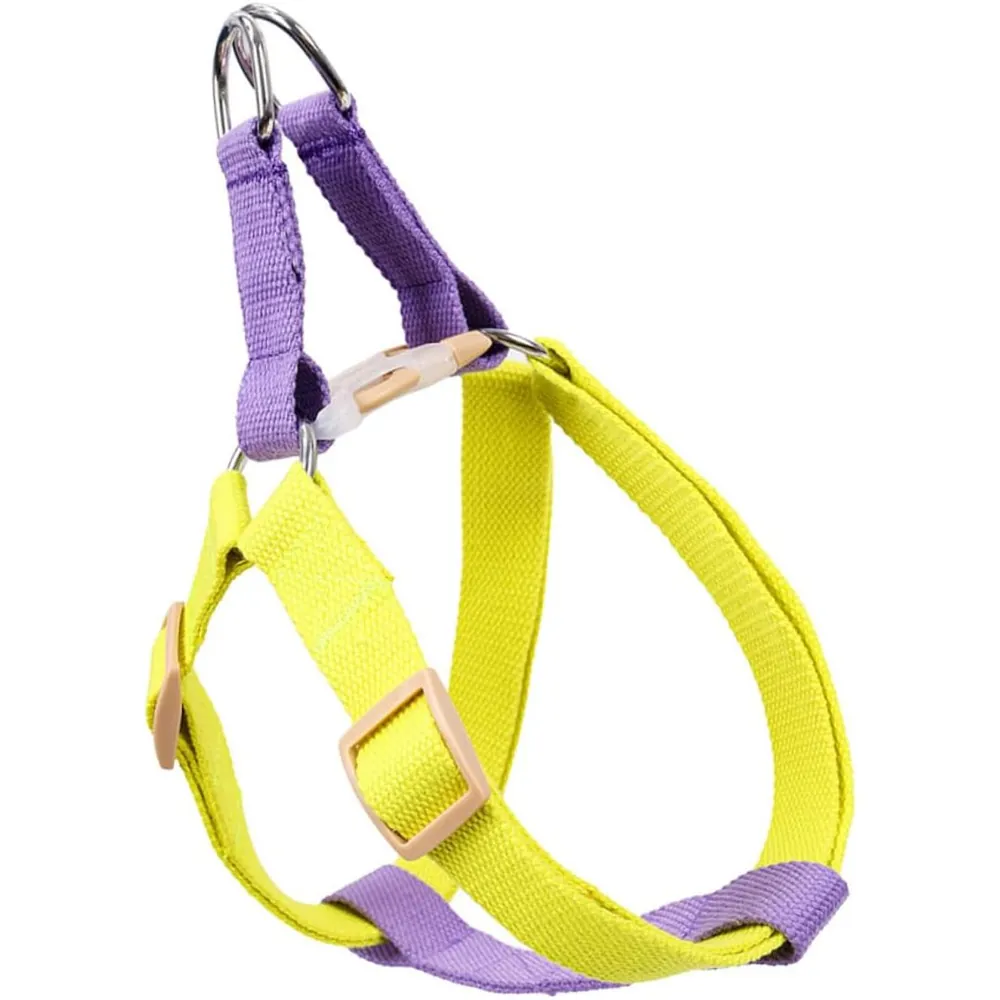
Our adjustable dog harness adjusts at several points and suits small dogs. For sturdier builds, the padded reflective dog harness comes in small to extra-large, with reflective strips and a handle on the back, useful for holding your dog at an intersection or helping them into the car.
Harness or collar: which one for your dog?
- Puppy: a light collar to get them used to wearing a tag, and an adjustable harness for walks. Check the fit every week: they grow fast.
- Small dog: a harness for walking, a slim collar for the tag.
- Dog who pulls: a harness, combined with training. The harness makes the walk more comfortable, but it is training that teaches loose-leash walking.
- Calm walker: a collar may be enough. A harness is still useful for the car and for long hikes.
- Large, powerful dog: a sturdy harness with a handle gives you an extra grip in tricky moments.
- Wide neck or narrow head: a well-fitted harness they can’t back out of.
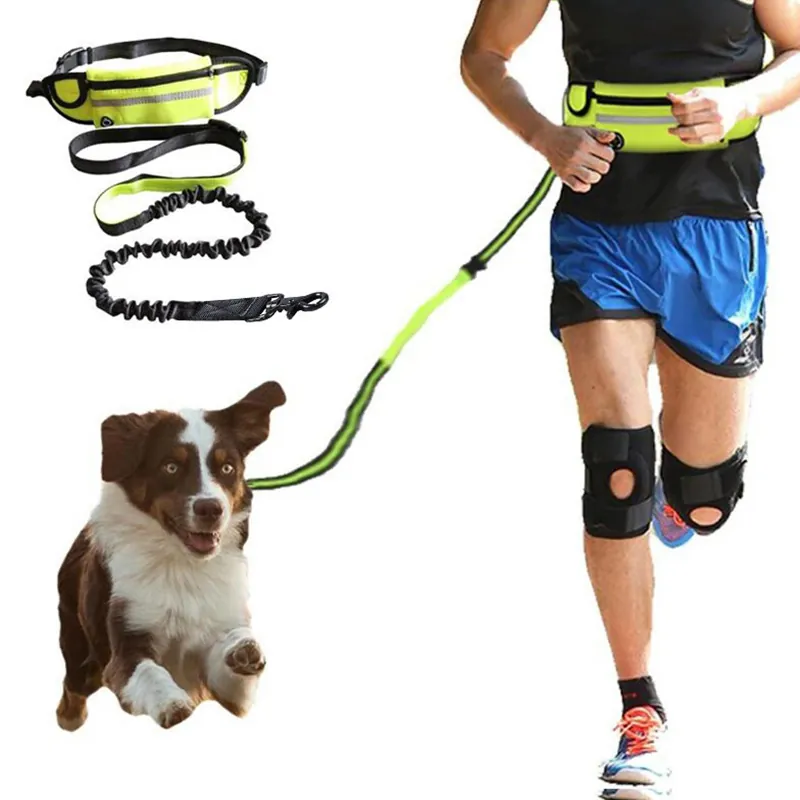
- Running partner: a harness, with a hands-free leash worn around your waist. Our article Hands-free leash: who is it for? explains how to get started.
If your dog coughs, breathes noisily or has ever had a neck or back problem, ask your veterinarian which equipment suits them.
Getting the size right
A harness or collar in the wrong size is uncomfortable if it is too tight and useless if it is too loose. Take two minutes with a soft measuring tape.
- Measure the chest girth at the widest point, just behind the front legs. This is the most important measurement for a harness.
- Measure the neck where a collar would sit, at the base of the neck.
- Note their weight. Some charts list it as an extra reference.
- Compare with the chart on the product page and with our size guide. Sizes vary from one model to another: a “medium” is not the same everywhere.
- Between two sizes? Choose the larger one if the model is adjustable, then tighten the straps.
The finger test
Once the accessory is fastened, slide your fingers between the strap and your dog’s body. The AKC suggests one finger for a small dog and two fingers for a large dog. If you can’t, it is too tight. If your whole hand fits, it is too loose.
Repeat the test now and then: a puppy grows, an adult gains or loses weight, and a winter coat changes the fit. Over a dog coat, you often need to loosen the harness by a notch.
The most common mistakes
- Leaving the harness on all the time. Take it off at home: skin and fur can breathe, and it wears out more slowly. The collar with the tag can stay on.
- Keeping the tag only on the harness. If the tag is only on the harness, your dog has no identification as soon as you take it off.
- Never rechecking the fit. Straps slip over time. A quick look before each walk is enough.
- Counting on equipment to fix behaviour. No harness or collar replaces rewards given when the leash is loose.
- Forgetting visibility. In winter, the evening walk happens in the dark. Reflective strips or a light-up collar help drivers see your dog.
Frequently asked questions
Does a harness stop a dog from pulling?
Not on its own. A harness spreads pressure better and can give you more control, but it is training, with rewards when the leash is loose, that changes the habit. A dog trainer can help if walks are difficult.
My dog slips out of the harness. What should I do?
Check the fit first: most often, the chest strap is too loose. Tighten it while keeping the finger test in mind. If the harness is at its smallest setting and your dog still gets out, they need the next size down.
Can a dog wear a collar and a harness at the same time?
Yes, and that is what many families do: the collar carries the tag at all times, and the harness is added for the walk. The leash clips to the harness.
At what age can a puppy wear a harness?
From their very first walks, with a light, adjustable model. Have them wear it for a few minutes at home first, with treats, so they link it with something pleasant.
Do I need a harness to buckle my dog in the car?
Yes. A dog seat belt clips to a harness, not a collar. Our article Car travel with your dog covers the topic.