Halloween with a dog or cat: 8 tips for a worry-free night
Published October 26, 2026 · Updated November 17, 2026
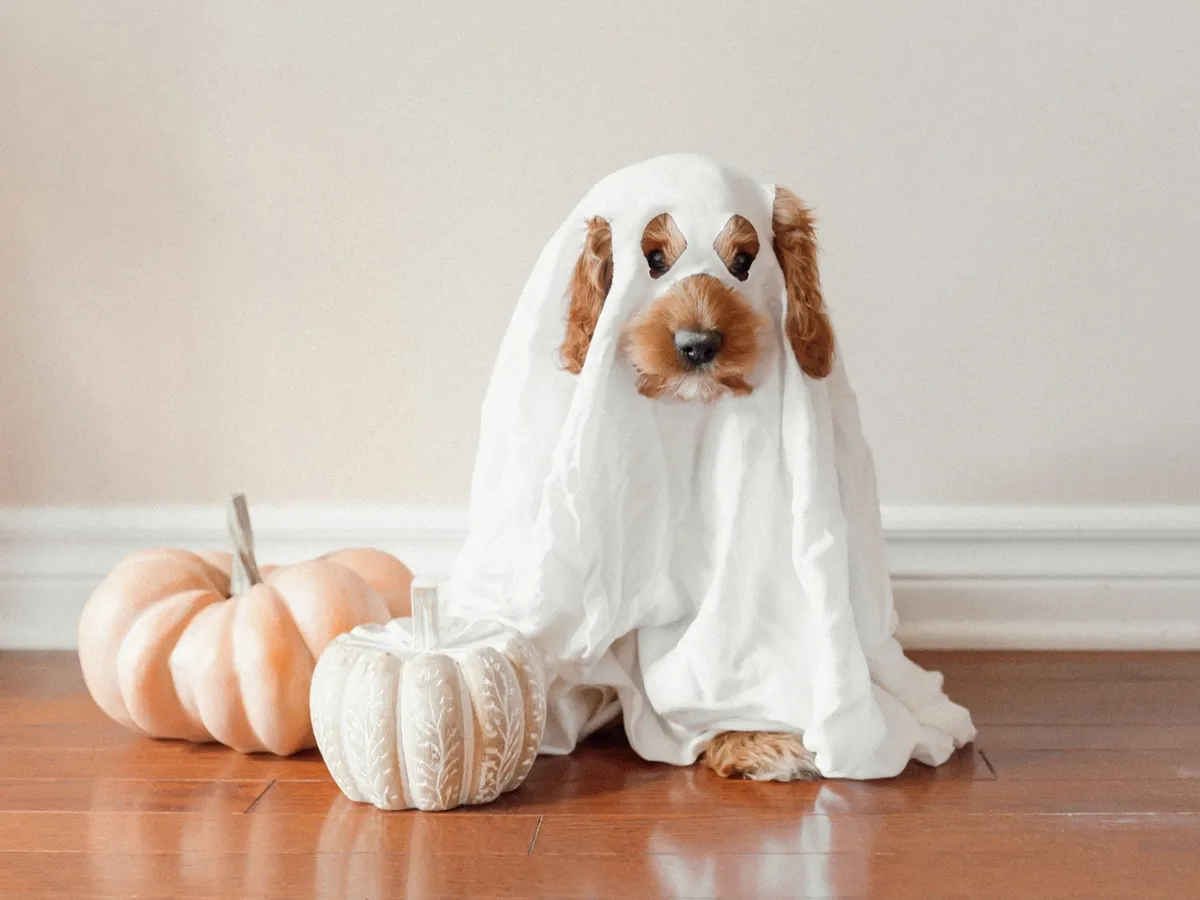
In short : Keep candy and chocolate out of reach, settle your pet in a quiet room away from the door, keep them busy with a game, check their ID tag and skip the costume if they don’t accept it.
For us, Halloween is a party. For a dog or a cat, it is often a very strange evening: strangers in costume, a door that keeps opening, a doorbell that never stops, the smell of chocolate everywhere. The ASPCA says it every fall: most of the night’s incidents are easy to avoid with a little preparation. Here are eight tips, in the order you will need them, from the morning of October 31 to the day after.
1. Store the candy up high
This is the number one cause of trouble that night. According to the ASPCA, several popular treats are toxic to pets:
- Chocolate, especially dark or baking chocolate. A significant amount can cause vomiting, diarrhea, restlessness, increased thirst and urination, heart rhythm problems and seizures.
- “Sugar-free” candy and gum, which may contain xylitol. In dogs, even a small amount can cause a sudden drop in blood sugar.
- Wrappers. Swallowed foil and cellophane can block the intestine, in cats as well as dogs.
Keep the candy bowl on a counter or a high shelf, never on the floor or a coffee table, and remind the kids not to leave their haul lying around their bedroom. To learn which treats carry the most risk and what to do after an accident, read our article on dangerous Halloween candy.
2. Set up a quiet room
The ASPCA recommends keeping pets in a room away from the front door during trick-or-treating hours: the doorbell and costumed strangers can frighten them. Prepare the room before dusk, not at the last minute.
- Their bed or blanket, with a familiar smell.
- A bowl of fresh water and, for a cat, the litter box.
- Some soft music or the TV on low, to cover the sound of the doorbell.
- Curtains closed, if your pet reacts to shapes walking by.
A cozy house gives cats and small dogs a place to hide if they feel like it. Look in now and then during the evening, calmly, without making it an event.
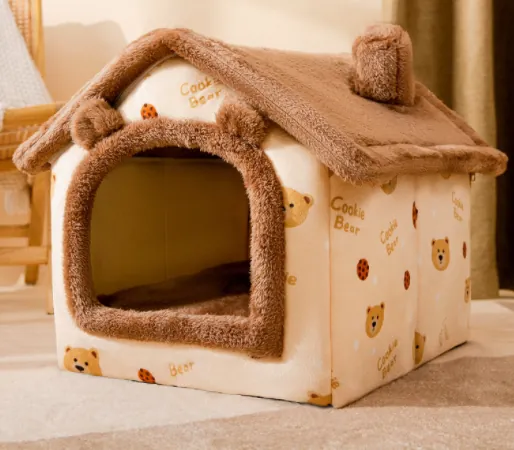 At CozzzypetsFoldable teddy bear houseFrom
3. Keep them busy during the evening
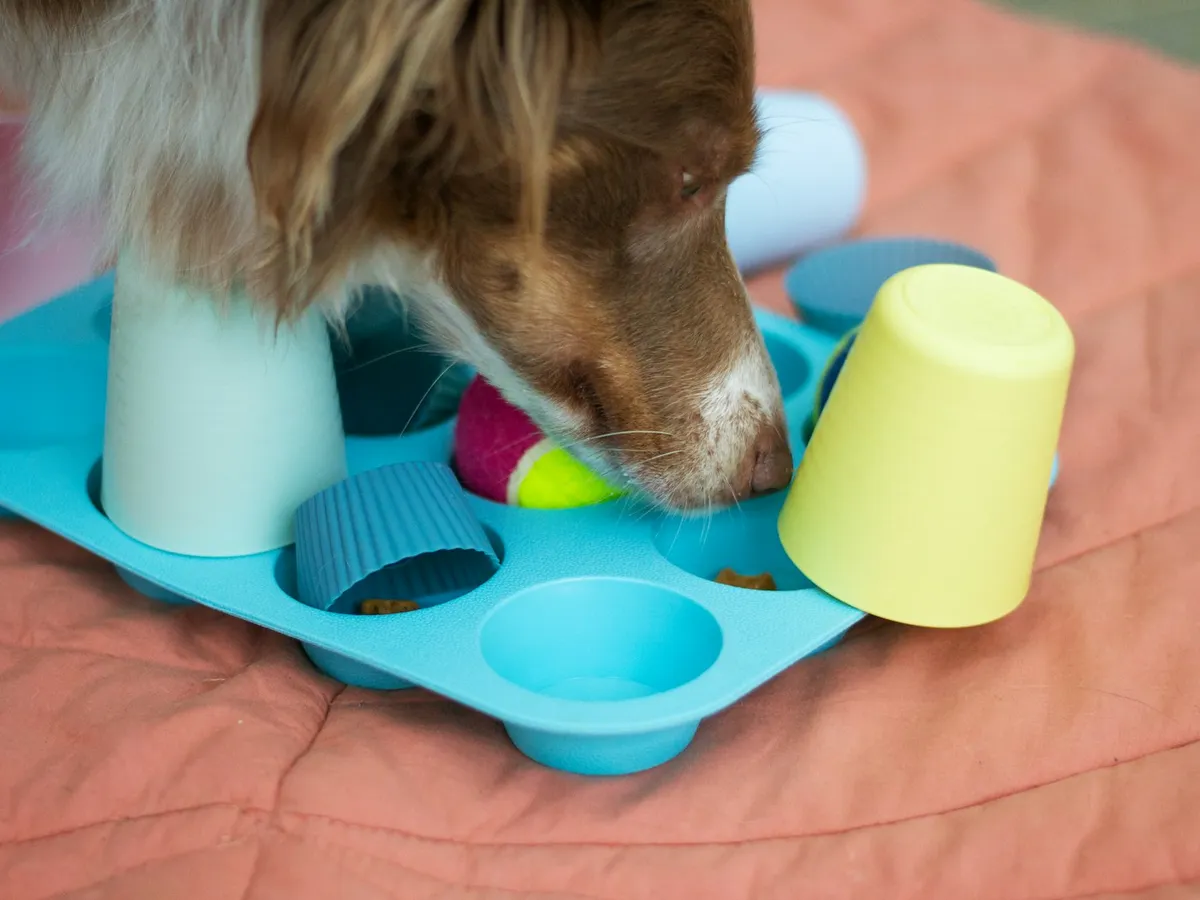
A busy pet thinks less about what is happening at the door. For a dog, a treat puzzle filled with their usual kibble turns supper into an activity: they slide and spin the pieces to find their rewards. The snuffle ball works on the same idea, using the nose: hide kibble in the folds and let them search. Use it under supervision; it is not a chew toy.
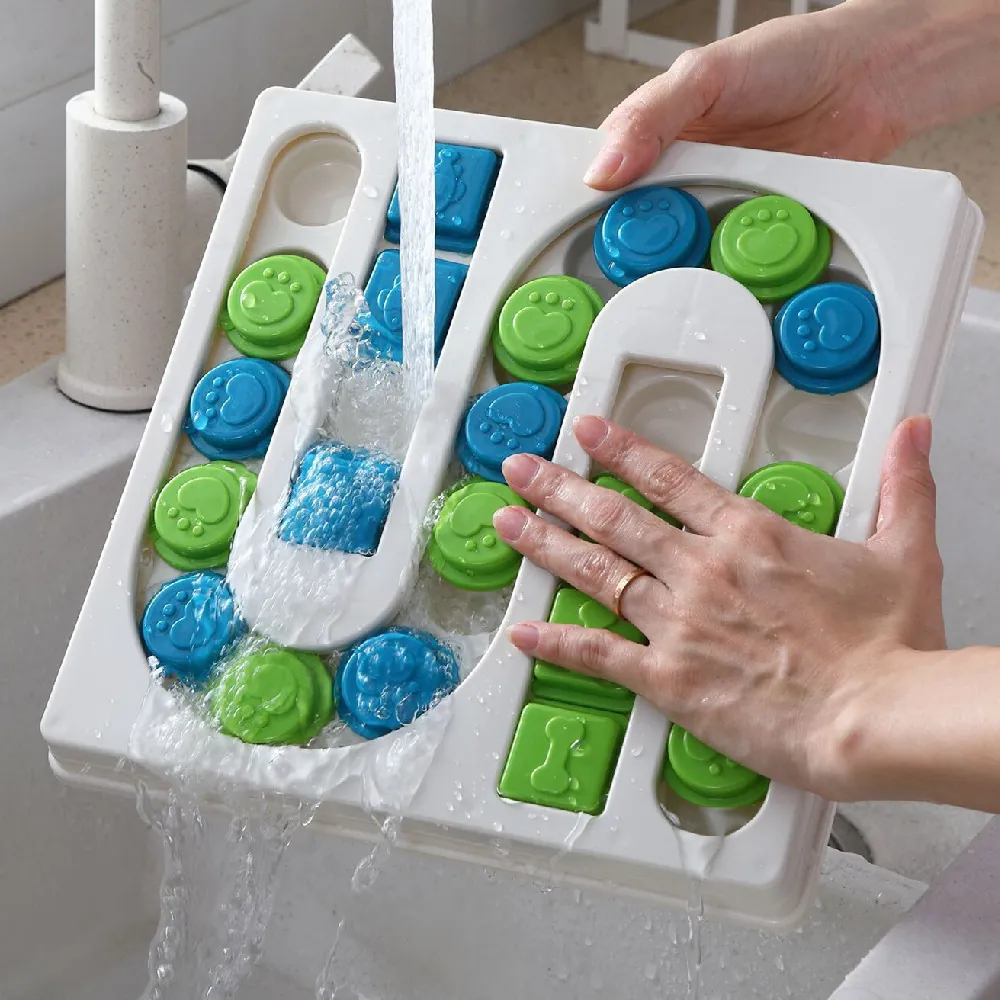 At CozzzypetsTreat puzzle game
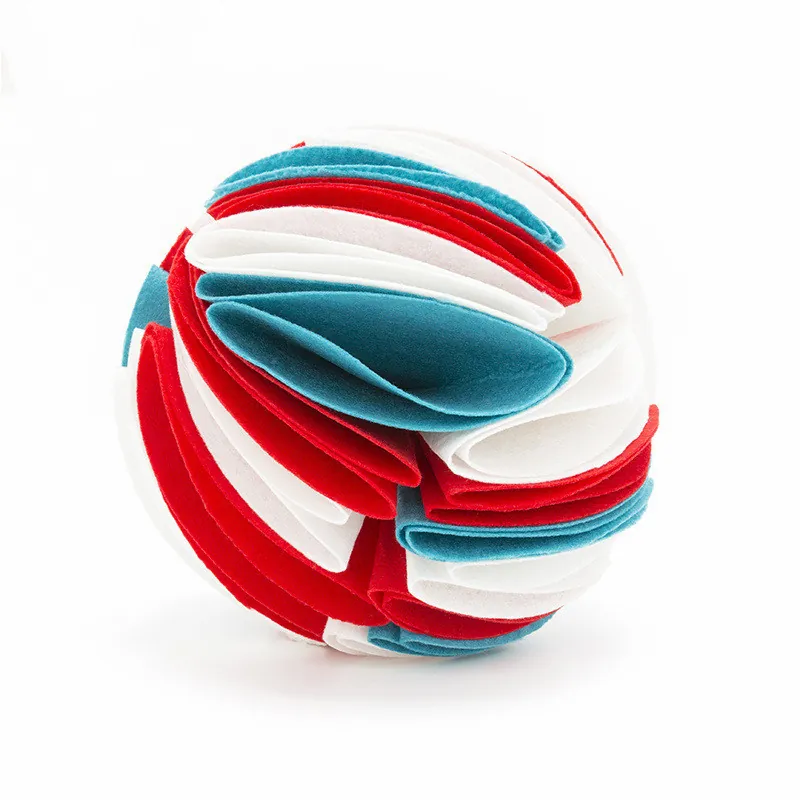 At CozzzypetsSnuffle ballFrom
Two more very simple ideas:
- A long walk before supper, while it is still light out. A dog that has burned off energy settles more easily afterwards.
- A play session with your cat in the late afternoon, followed by their meal.
4. Watch the door
With visitors every two minutes, a pet can slip out without anyone noticing. A cat darts between a child’s legs in a flash; a startled dog can bolt into the street. Three solutions:
- Keep your pet in their quiet room, door closed.
- If your dog stays with you, hold the leash every time you open.
- Sit outside on the porch with the candy bowl: nobody rings, and the door stays shut.
5. Check their ID tag
If your companion gets out anyway, a collar with an up-to-date tag and a microchip greatly improve the chances of getting them home, the ASPCA notes. That morning, take two minutes to check:
- that the phone number engraved on the tag is still the right one;
- that the collar fits properly;
- that your contact details are current in the microchip registry.
If you walk your dog in the evening, add a reflective collar, harness or leash: the streets are full of children and distracted drivers.
6. Costume: only if they accept it
A costume should not restrict movement, sight, hearing or breathing. Your pet should also be able to bark, drink, eat and relieve themselves normally, the ASPCA specifies. Check that no small part can come off and be swallowed.
- Try the costume a few days ahead, at home, for a few minutes.
- Watch them: if they freeze, scratch, roll on the floor or try to take it off, that is a no.
- Never leave a costumed pet unsupervised.
If they don’t like it, don’t insist. The ASPCA itself suggests a simpler option: a festive bandana. For a dog, a plaid bandana does the job nicely for the photo, and they forget about it in two minutes.
7. Careful with pumpkins and decorations
A cat’s tail or a curious nose and a candle don’t mix: a pet can knock over the lit pumpkin and get burned, or start a fire. Kittens are especially at risk.
- Use battery-powered lights in your pumpkins.
- Keep the electrical cords and extension cords from decorations out of reach: a pet that chews them can injure its mouth or get a shock.
- Pumpkin itself is relatively non-toxic, but nibbling on it can upset the stomach. Put it out of reach.
- Keep fake spider webs, small accessories and glow sticks away from curious paws.
8. Pick up the wrappers the next day
On the morning of November 1, walk around the yard, the porch and the house before letting your dog out. Candy wrappers, lollipop sticks, bits of costumes and candy dropped on the sidewalk can be swallowed during a walk. For a few days, keep your eyes open and the leash a little shorter near sidewalks.
Your October 31 checklist
- Morning: tag checked, costume tried on.
- Afternoon: long walk or play session, quiet room ready.
- Before dark: candy up high, battery lights in the pumpkins, pet settled with their game.
- During the evening: door watched, short calm visits.
- Next day: wrapper patrol.
Frequently asked questions
My dog barks at every doorbell ring. What should I do?
Settle them far from the entrance with a game that keeps them busy and some background sound, or wait for the kids outside with the candy bowl so they don’t ring. You can also tape a little note to the door: “Please knock softly.”
Can I take my dog trick-or-treating with the kids?
Only if they are very comfortable with crowds, noise and costumes. For most dogs, the evening is more pleasant at home. If you do bring them, keep a short leash, add something reflective and watch what they pick up off the ground.
Can my cat wear a costume?
Some cats accept one for a few minutes; many hate it. Respect their reaction: a photo beside the pumpkin, with no costume, is just as lovely.
Should I keep my cat indoors that night?
Yes, it is safer. Between the traffic, the noise and the opening doors, a cat that usually goes out is safer at home on Halloween night and the evenings around it.
My pet ate a piece of candy. Is it serious?
It depends on the candy, the amount and the size of the animal. Keep the wrapper and call your veterinarian without waiting: it is the only way to know for sure.