Hosting the holidays with a dog or cat: 8 tips for a peaceful evening
Published October 26, 2026 · Updated November 16, 2026
In short : Set up a quiet room with their bed, water and toys, burn off energy before the evening and keep them busy during dinner. Ask guests not to feed them and watch the door as people arrive.
The doorbell that won’t stop, boots piling up in the entryway, excited kids, the smell of turkey: for us, that’s holiday happiness. For a dog or a cat, it’s a home that changes completely within minutes. Some love company and make the rounds of the guests. Others prefer to slip under a bed until the next day.
Either way, a little preparation makes the evening more pleasant for everyone. The ASPCA recommends, among other things, giving pets a quiet place to retreat to during gatherings. Here are eight tips, from the afternoon’s preparation to the last guest’s goodbye.
1. Set up their hideaway before guests arrive
This is the most important tip. According to the ASPCA, pets that aren’t used to crowds, especially with small children around, need a place to retreat.
- For a dog: a separate room or their crate, away from the commotion, with water and a chew toy or a puzzle toy.
- For a cat: a closed bedroom with a litter box, a water dish and a hiding spot.
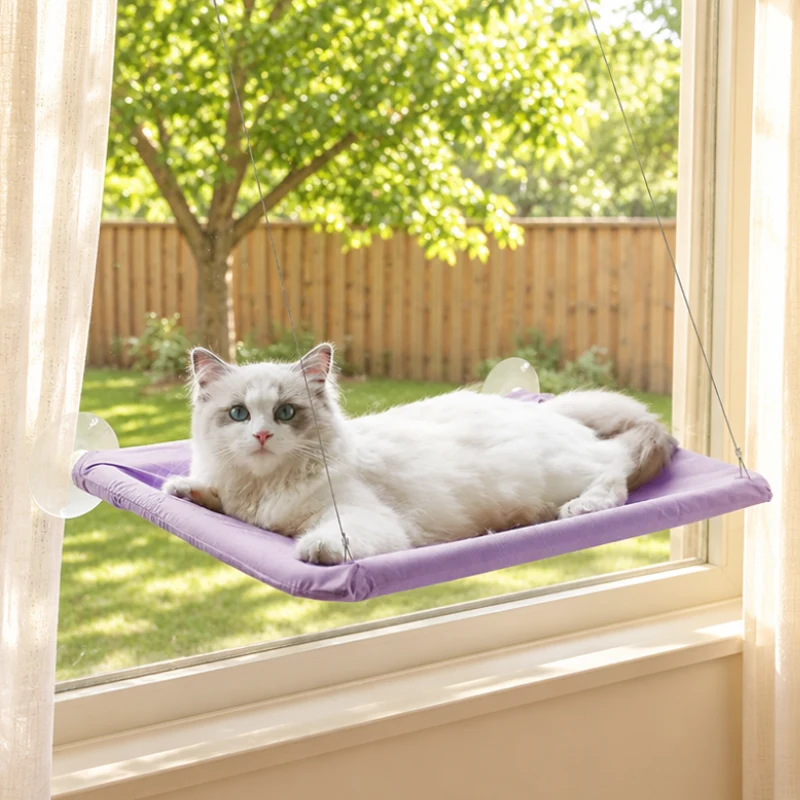
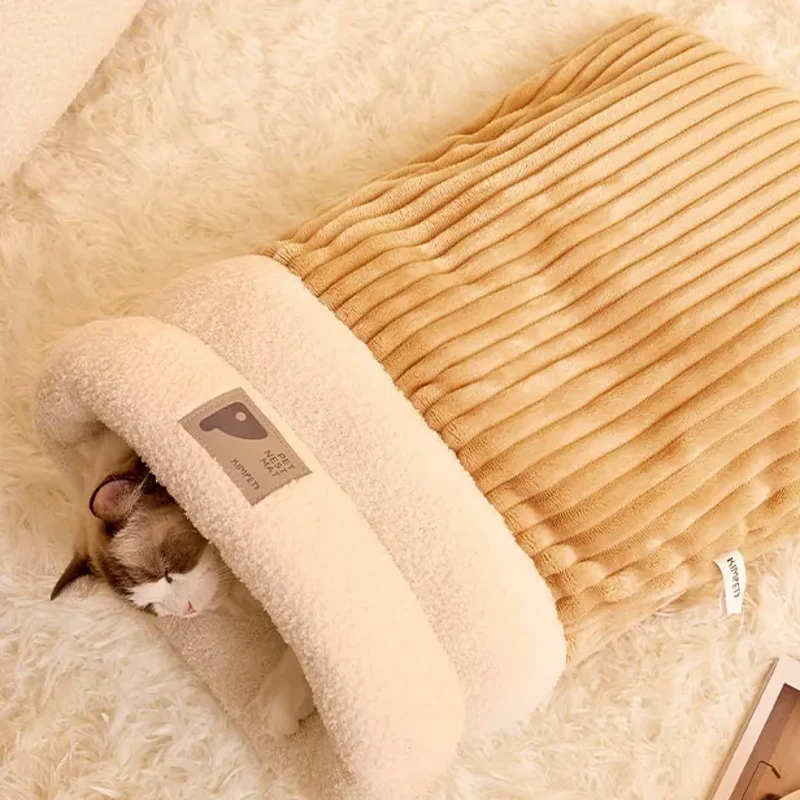
Put their usual bed there, the one that carries their scent. For a cat, a teddy bear cozy nest gives them a place to snuggle; a cozy pet house suits a cat as well as a small dog that likes to hide. Soft music or a fan helps cover the noise of the party.
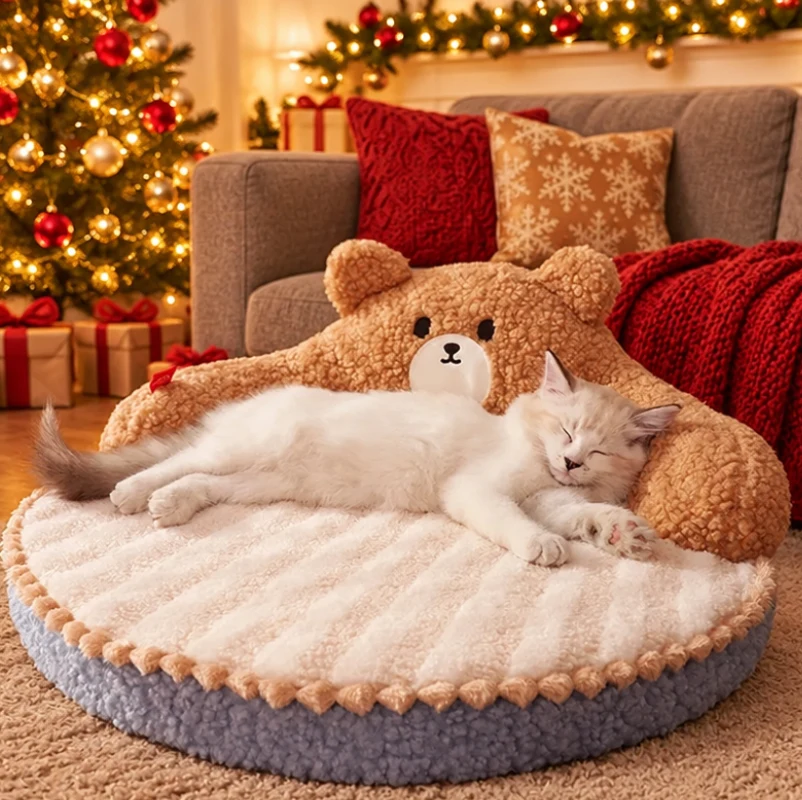 At CozzzypetsTeddy bear cozy nest
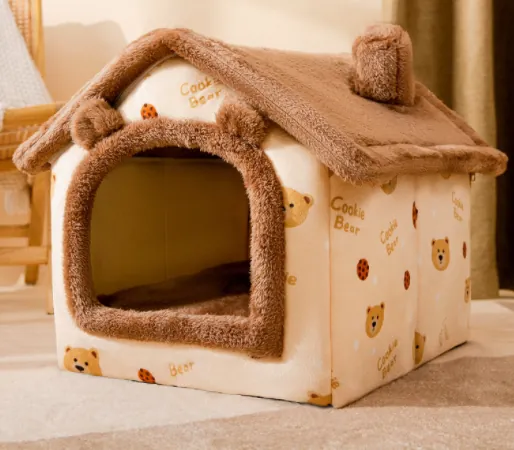 At CozzzypetsFoldable teddy bear houseFrom
Prepare the room a few days ahead and let your pet spend time in it: when the evening comes, it will be a familiar place, not a punishment.
2. Burn off energy in the afternoon
A dog that has had a good workout greets visitors more calmly. Plan a long walk or a good play session two or three hours before guests arrive. For a cat, fifteen minutes of chasing a wand toy does the same.
Keep their routine too: the ASPCA recommends keeping your pet’s diet the same as any other day during the holidays. Serve their meal at the usual time, before the kitchen turns into a construction zone.
3. Manage arrivals: the door and the doorbell
Arrival is the busiest moment: the door opens ten times, arms are full and nobody is looking down.
- Keep your pet in another room or on a leash while guests come in. Introduce them once everyone is seated.
- Check their identification. The tag should be readable and the contact details linked to the microchip up to date. That’s a check to do before the holidays, not during.
- Put a note on the door: “Watch for the cat, close quickly!”
If your dog jumps on people, keep them on a leash at arrival and reward them every time all four paws stay on the floor. Ask guests to ignore them while they’re jumping: attention is the reward.
4. Give your guests the ground rules
Your loved ones mean well, but they don’t necessarily know pets. The ASPCA suggests setting a few rules ahead of time, for example in the invitation message:
- Nobody feeds the pet without asking. According to the ASPCA, rich food can trigger pancreatitis. You can leave out a small bowl of approved treats (the ASPCA suggests carrot pieces) for those who insist on spoiling them.
- Let the pet come to you. No chasing, no picking up by force.
- Close doors behind you, especially the front door and the hideaway door.
- Their spot is theirs. The ASPCA recommends explaining to children that when the pet is in their safe space, they should be left alone.
5. Keep them busy during dinner
Mealtime is when temptations sit at nose level. Give them their own activity, in their corner or in their hideaway:
- a treat puzzle for the dog, filled with part of their daily ration;
- a lick mat spread with their usual food, which keeps them busy for a good while.
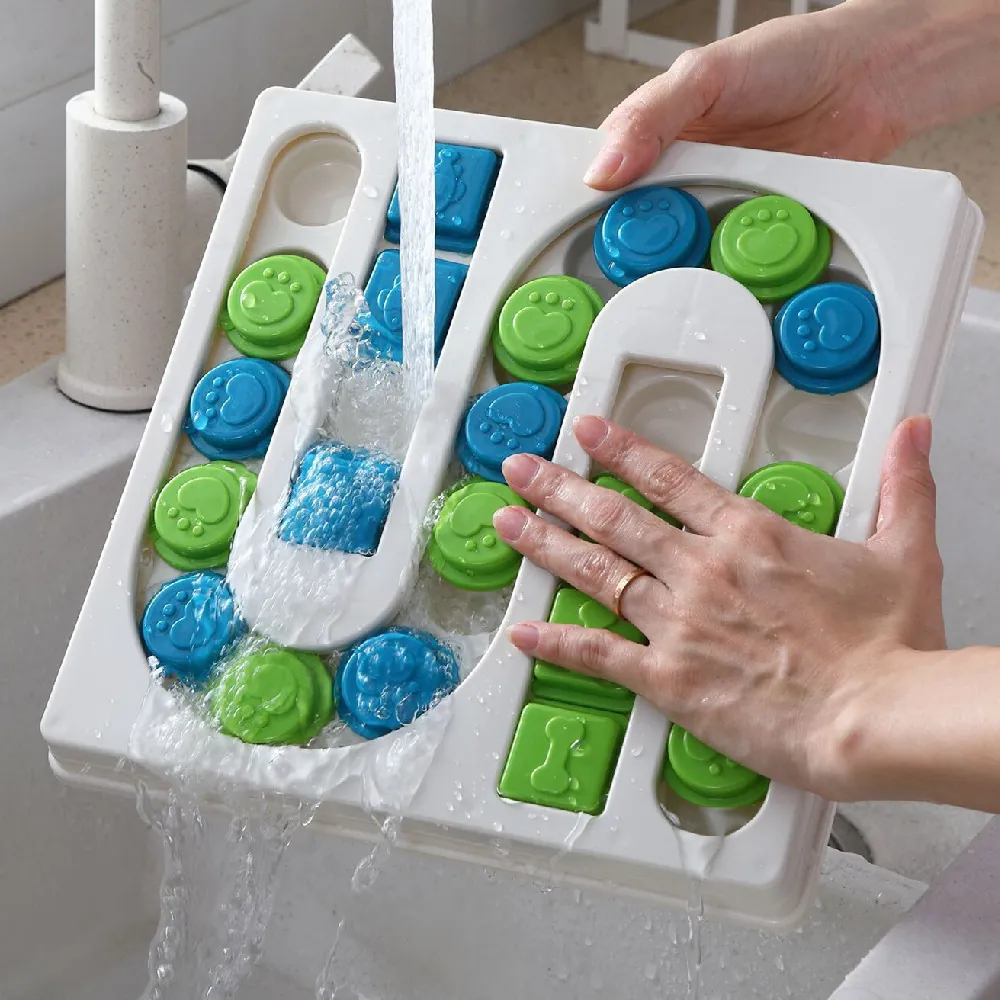 At CozzzypetsTreat puzzle game
Prepare them ahead so you only have to bring them out when everyone sits down.
6. Watch what comes into the house
Guests don’t arrive empty-handed, and that’s where several risks hide. The ASPCA advises keeping an eye on:
- Purses, coats and suitcases. Every year, hundreds of pets get into medications left in a bag or on a nightstand, the ASPCA reports. Offer your guests a closed place for their things: a bedroom with the door kept shut, or a cabinet.
- Bouquets. If you have a cat, check that they don’t contain lilies, which are highly toxic to cats according to the ASPCA. Remove them with their leaves and change the vase water.
- Edible gifts. A pet can smell chocolate through the paper. Don’t leave gifts containing food under the tree.
- Desserts. The ASPCA points out that grapes can cause kidney failure in dogs. Keep platters up high.
7. Secure the table, the drinks and the trash
According to the ASPCA, fatty, sweet and spicy foods, as well as turkey or chicken bones, can all be dangerous to our pets. A few habits:
- A lidded bin, or one stored in a cabinet. The turkey carcass is the number one temptation of the evening.
- No drinks at nose level. The ASPCA recommends not leaving alcoholic drinks unattended where pets can reach them. Watch the living room coffee tables.
- Clear the table quickly. Plates left out while everyone moves to the living room are an invitation.
- Candles up high. One wag of a tail is enough to knock one over.
If you’d like them to join the feast, the ASPCA says a small piece of boneless turkey is a fine treat. For everything else, their regular food does the job very well.
8. Respect their pace, and plan for afterwards
If your pet hides, leave them be: it’s their way of taking a break. Check on them now and then, calmly, without bringing visitors along. If they’re sociable, still watch for signs of fatigue: a dog that yawns, licks their lips or walks away has had enough. Take them back to their hideaway.
For New Year’s Eve, the ASPCA notes that loud music, poppers and noisemakers can frighten pets. The hideaway will come in handy again.
Once guests have left, do a sweep: forgotten food, wrapping, ribbons, toothpicks. Then give them a quiet moment with you. The next day, a good walk puts everyone back in place.
The big-day checklist
- Hideaway ready: bed, water, toys (and a litter box for the cat).
- Walk or play session in the afternoon.
- Tag checked, note on the door.
- Rules sent to guests.
- Puzzle toy and lick mat prepared.
- A closed place for coats and bags.
- Bin closed, emergency clinic number on the fridge.
Frequently asked questions
My dog jumps on guests. What can I do?
Keep them on a leash at arrival and reward them for keeping all four paws on the floor. Ask guests not to pet them while they’re jumping. If they’re too excited, have them wait in their hideaway with a toy and introduce them later, when the house is calmer.
My cat hides all evening. Is that serious?
No, it’s their way of handling the commotion. Make sure they have access to their litter box, water and a quiet spot, and let them come out when they decide to. If they stay hidden or stop eating after the guests leave, call your veterinarian.
Should I shut my pet away for the whole evening?
Not necessarily. A sociable pet can enjoy the company, as long as they can reach their hideaway whenever they want. For a fearful pet, spending the evening in a calm room with their things is often the most comfortable option.
What if a guest is afraid of dogs or allergic?
Keep your pet in their hideaway during the visit, with something to do, and check on them regularly. Vacuuming before guests arrive helps people with allergies.
A guest wants to bring their dog. Good idea?
Only if the two dogs already know each other and get along. Otherwise, a noisy evening is not the right time for a first meeting.
Sources: ASPCA, Holiday Safety Tips · ASPCA, Hosting Holiday Guests? Keep Your Pets Happy and Healthy Around Visitors