Halloween candy: which treats are dangerous for your dog?
Published October 26, 2026 · Updated November 17, 2026
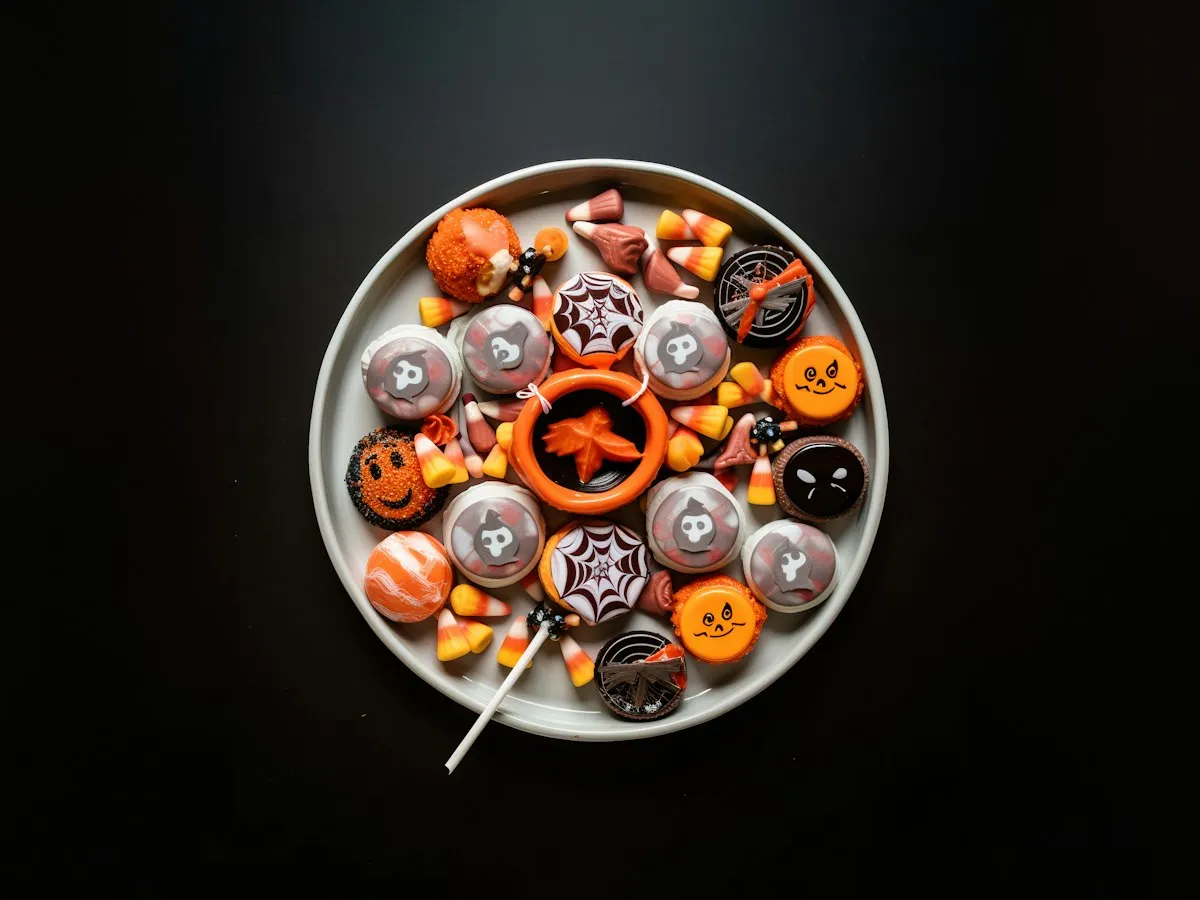
In short : Chocolate, especially dark or baking chocolate, xylitol in sugar-free candy and gum, raisins, macadamia nuts and wrappers carry the most risk. If your dog ate some, keep the wrapper and call your veterinarian right away.
This article contains affiliate links: if you buy through them, Cozzzypets may earn a small commission at no cost to you. As an Amazon Associate, we earn from qualifying purchases.
The bag of candy forgotten on the couch is a November 1 classic. Dogs have an incredible nose: they can smell chocolate through the wrapper, the backpack and the bedroom door. And a dog doesn’t sort: it eats everything, paper included. The good news is that knowing the five main risk categories is enough to avoid almost every accident. Here they are, according to the ASPCA, the U.S. FDA and the Merck Veterinary Manual.
1. Chocolate
Chocolate contains methylxanthines (theobromine and caffeine), which dogs clear much more slowly than we do. The more cocoa a chocolate contains, the more of them it has. The Merck Veterinary Manual ranks them like this, from most to least risky:
- cocoa powder and unsweetened baking chocolate;
- dark and semisweet chocolate;
- milk chocolate;
- white chocolate, which contains almost none (but is still very fatty and sugary).
Signs usually appear 6 to 12 hours after eating: thirst, vomiting, diarrhea, restlessness, frequent urination. In more serious cases, they can progress to tremors, heart rhythm problems and seizures. The risk always depends on three things: the type of chocolate, the amount and the dog’s weight. A mini milk chocolate bar does not affect a Labrador the way it affects a Chihuahua, which is exactly why you should call rather than guess.
2. Xylitol (“sugar-free” candy and gum)
Xylitol is a sweetener found in many sugar-free gums, mints and candies, in some baked goods and even in some peanut butters. Harmless for us, it is very toxic to dogs.
According to the FDA, it can make blood sugar drop within 10 to 60 minutes. The first signs are often vomiting, followed by weakness, staggering or seizures. The Merck Manual adds two important points:
- signs can be delayed when the xylitol is in a product that slows its absorption, such as gum;
- at higher doses, the liver can be affected, and those signs sometimes appear only a day or two later.
So a dog that seems fine an hour after eating sugar-free gum is not in the clear. Always read labels: xylitol is also listed as “birch sugar.”
3. Raisins
Mini boxes of raisins are a popular Halloween snack, often handed out as the “healthy” option. Yet grapes and raisins can cause kidney failure in some dogs, and there is no way to predict which ones. According to the Merck Manual, the first signs (vomiting, diarrhea) usually come 6 to 12 hours after eating; kidney damage then develops over one to three days. Watch out too for chocolate- or yogurt-covered raisins and granola bars that contain them.
4. Macadamia nuts
They show up in some chocolate bars, cookies and nut mixes. Dogs are the only species in which problems have been reported: vomiting, weakness, wobbly walking, tremors and fever, within 12 hours. Most dogs recover in 12 to 48 hours, but a call to the veterinarian is in order, especially if the nuts were coated in chocolate.
5. Wrappers and sticks
A dog that devours a bag of candy also swallows the plastic, foil, cellophane and lollipop sticks. These can block the intestine. Hard candies can also get stuck in the throat. Even if the treats themselves were harmless, always mention the wrappers to your veterinarian.
What to do if your dog ate some
- Remove what’s left and put your dog in another room while you clean up.
- Keep the wrappers. They show the type of chocolate, the cocoa percentage or whether xylitol is present.
- Note the time and estimate the amount: how many bars, what size, how many pieces of gum.
- Have your dog’s weight in mind. It is the first question you will be asked.
- Call your veterinarian or an emergency clinic right away, even if your dog seems fine. With chocolate, xylitol and raisins, signs can appear several hours later.
How to prevent the accident
Prevention comes down to a few habits, starting the moment the kids get home:
- Sort the candy on the table, never on the floor, with the dog in another room.
- Store the haul up high, in a closed container. A bag on the counter is not enough for a big, resourceful dog.
- No candy in bedrooms. Backpacks, full pillowcases and nightstand drawers are the hiding places dogs find fastest.
- A trash can that closes properly for the wrappers.
- Explain the rule to children and guests: no candy is shared with the dog, puppy eyes or not.
- Watch your walks in the days that follow: sidewalks are full of dropped candy.
For the rest of the evening (doorbell, costumes, pumpkins), see our 8 tips for a worry-free Halloween.
A safe treat for them too
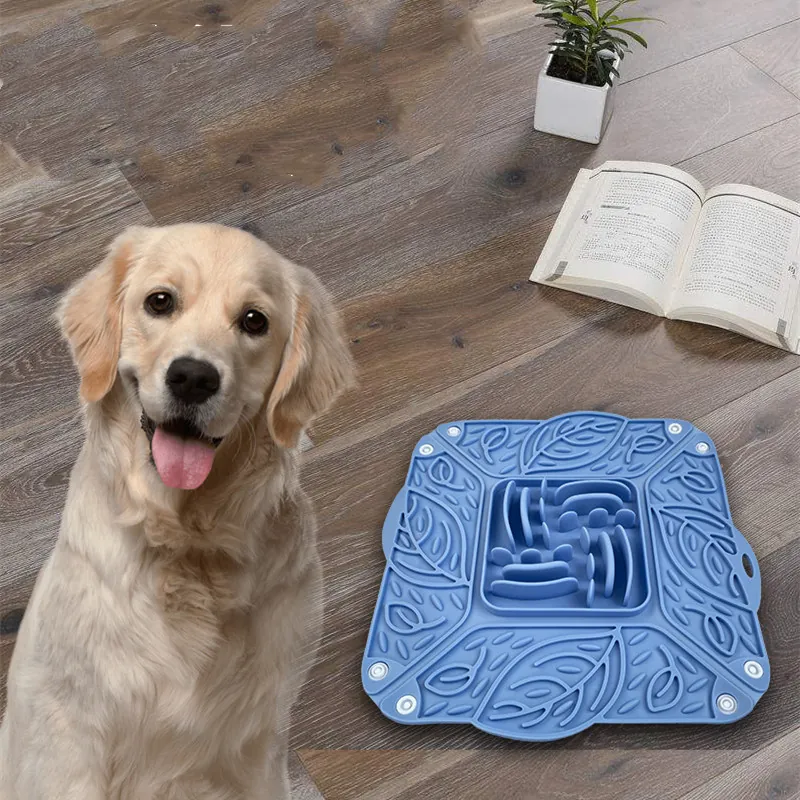
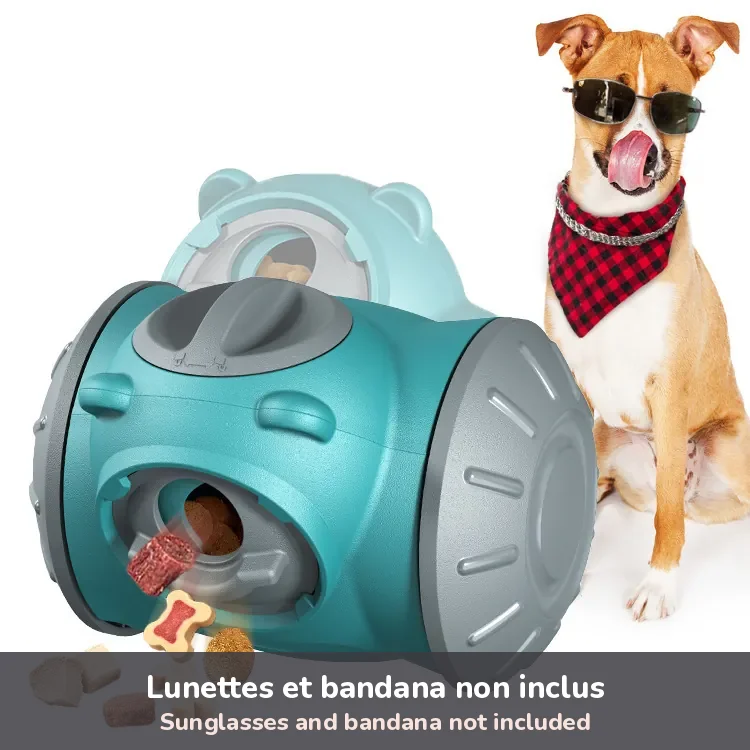
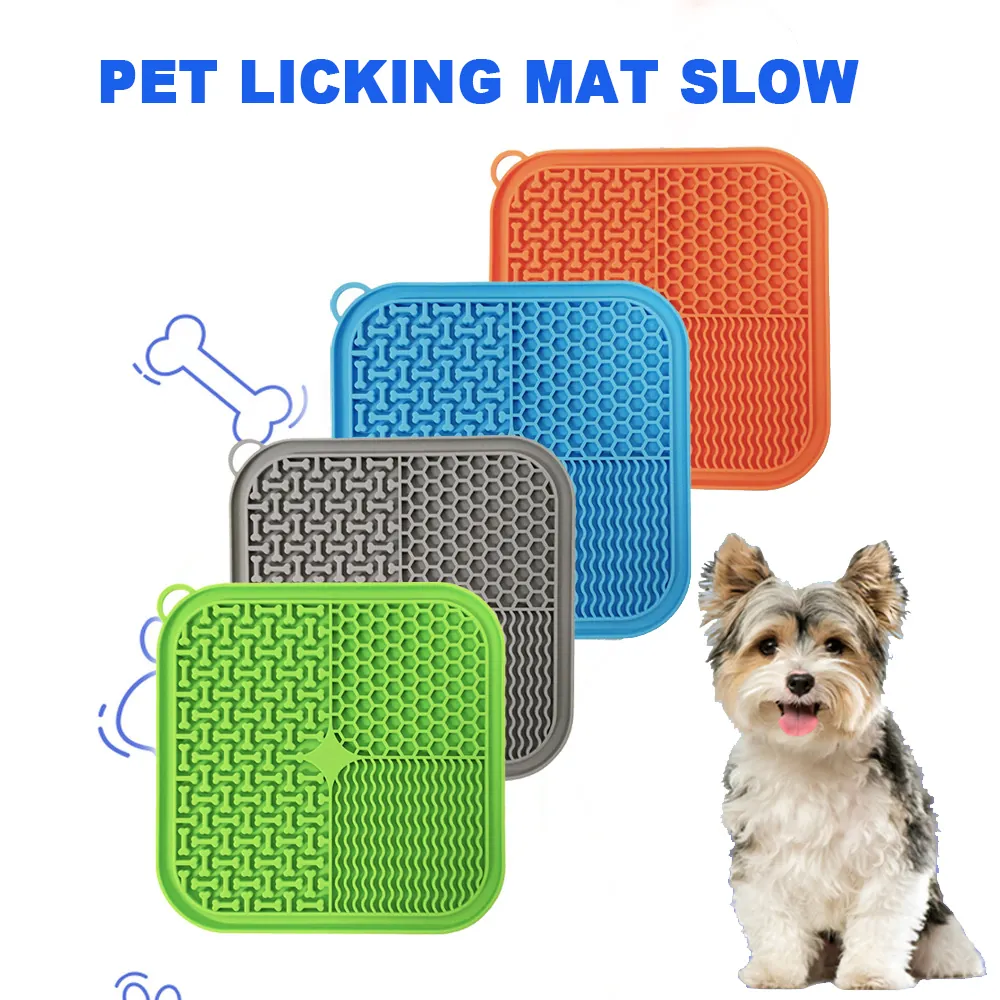
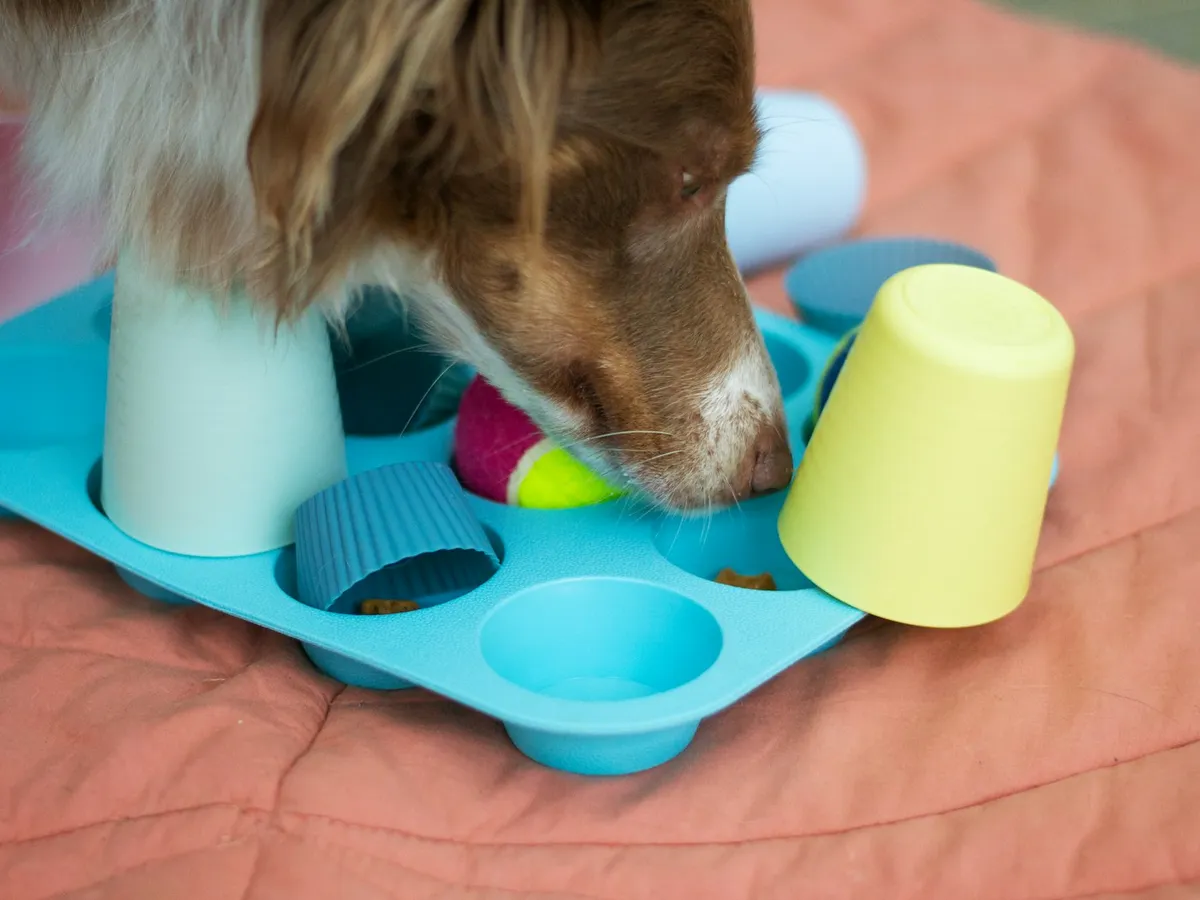
No reason for them to be left out! While the kids sort their haul, give your dog a tough chew toy, a squeaky plush or a treat puzzle filled with their usual dog treats. They are busy, they have their own reward, and they look at the candy bowl a lot less. To store candy out of reach, a lidded container on a high shelf does the job.
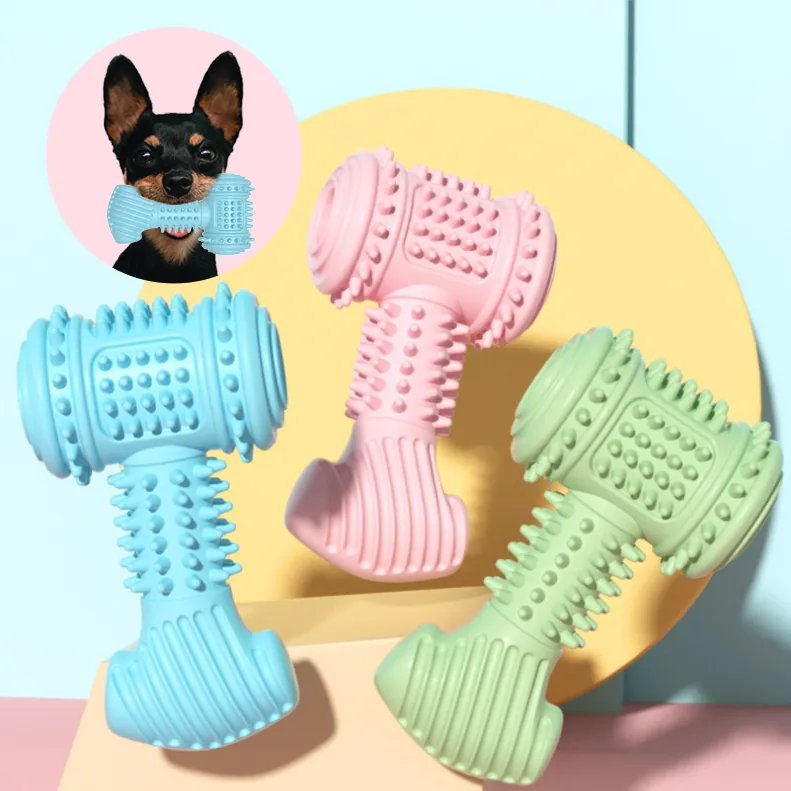 At CozzzypetsTough chew toy
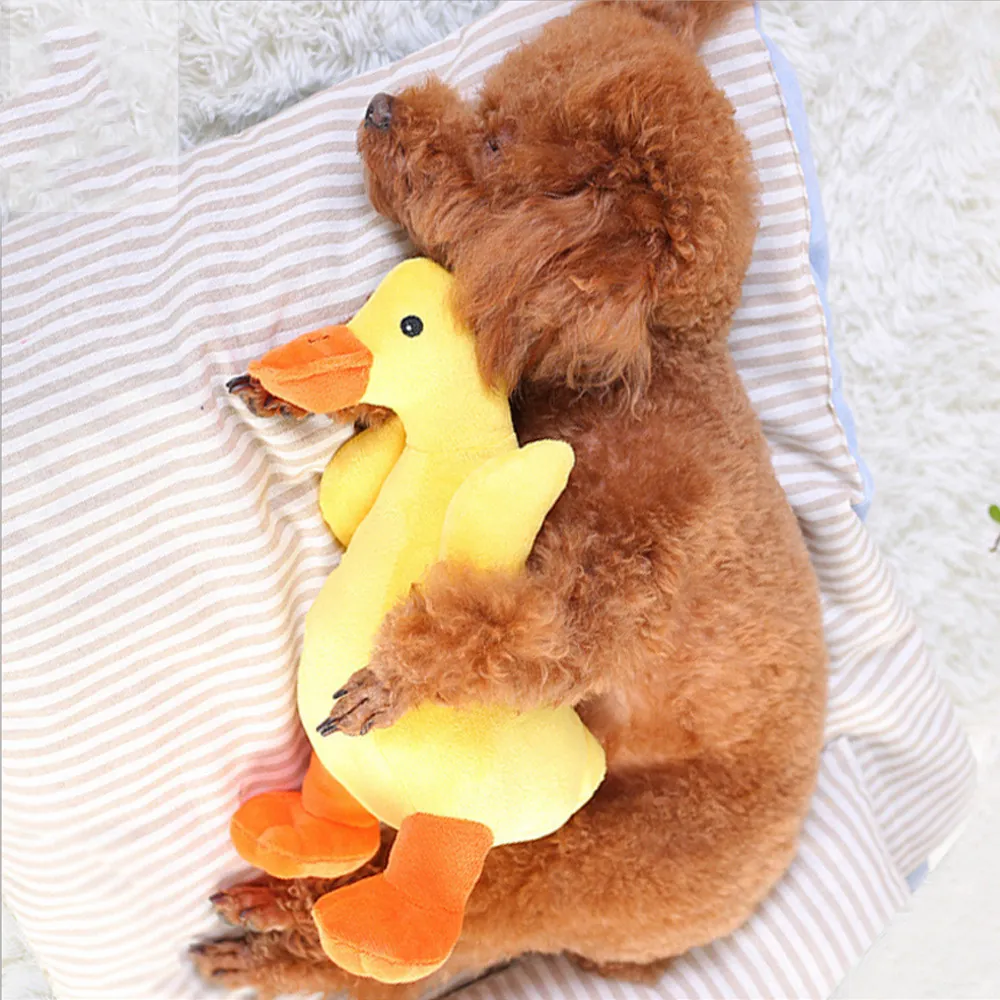 At CozzzypetsSqueaky plush toy
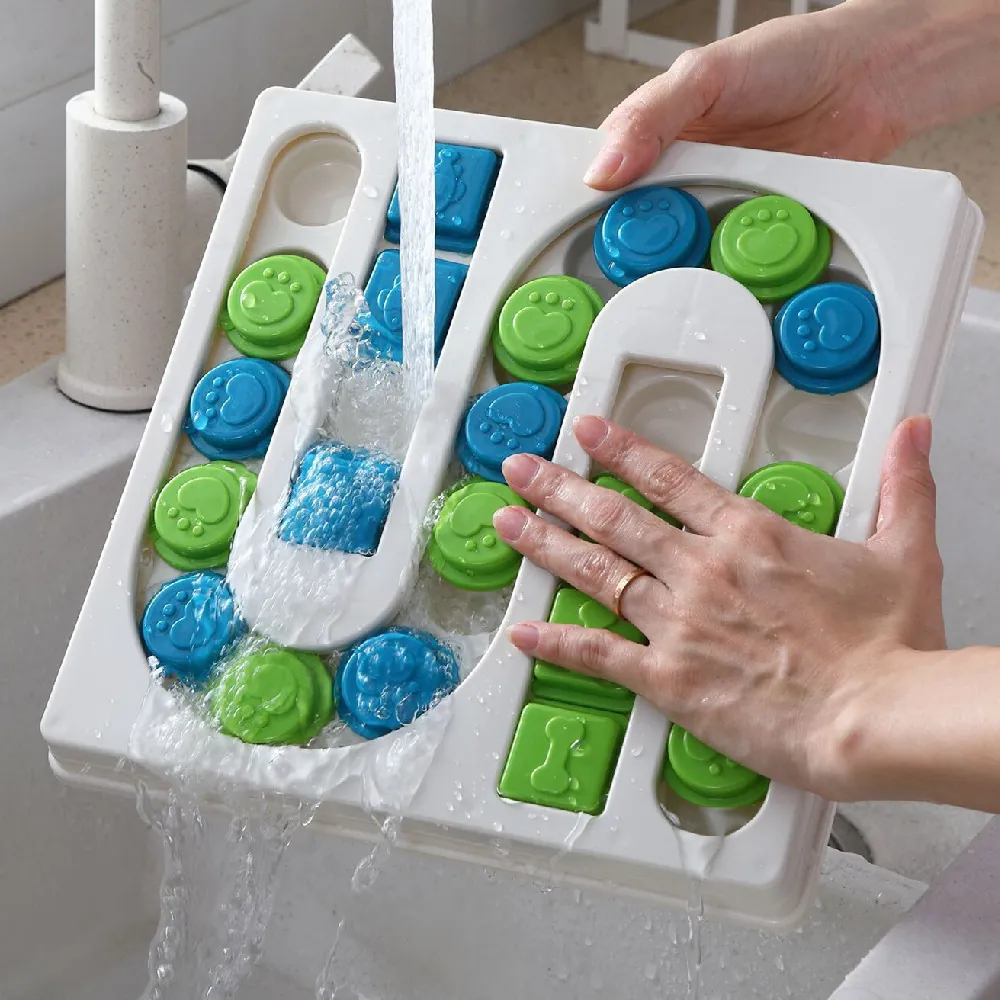 At CozzzypetsTreat puzzle game
Frequently asked questions
Is a small piece of milk chocolate serious?
It depends on your dog’s size and the type and amount of chocolate. You can’t judge it by eye. The only way to be sure is to call your veterinarian with the wrapper in hand.
Is white chocolate dangerous?
It contains very little methylxanthine, so the cocoa-related risk is low. It is still very fatty and sugary, which can upset the stomach. Best to keep it out of reach like the rest.
My dog ate a sugar-free candy and seems fine. Should I still call?
Yes. Check the ingredient list: if it contains xylitol, call right away, even with no signs. They can be delayed, especially with gum.
Is candy dangerous for cats?
Cats are less drawn to sweets, but chocolate is toxic to them too, and shiny wrappers are great fun for them: swallowed foil and cellophane can block the intestine. Keep all candy and wrappers out of reach.
What treats can I give instead?
Their usual dog treats, in small amounts. On special days, a new toy or a play session makes them just as happy as a snack.