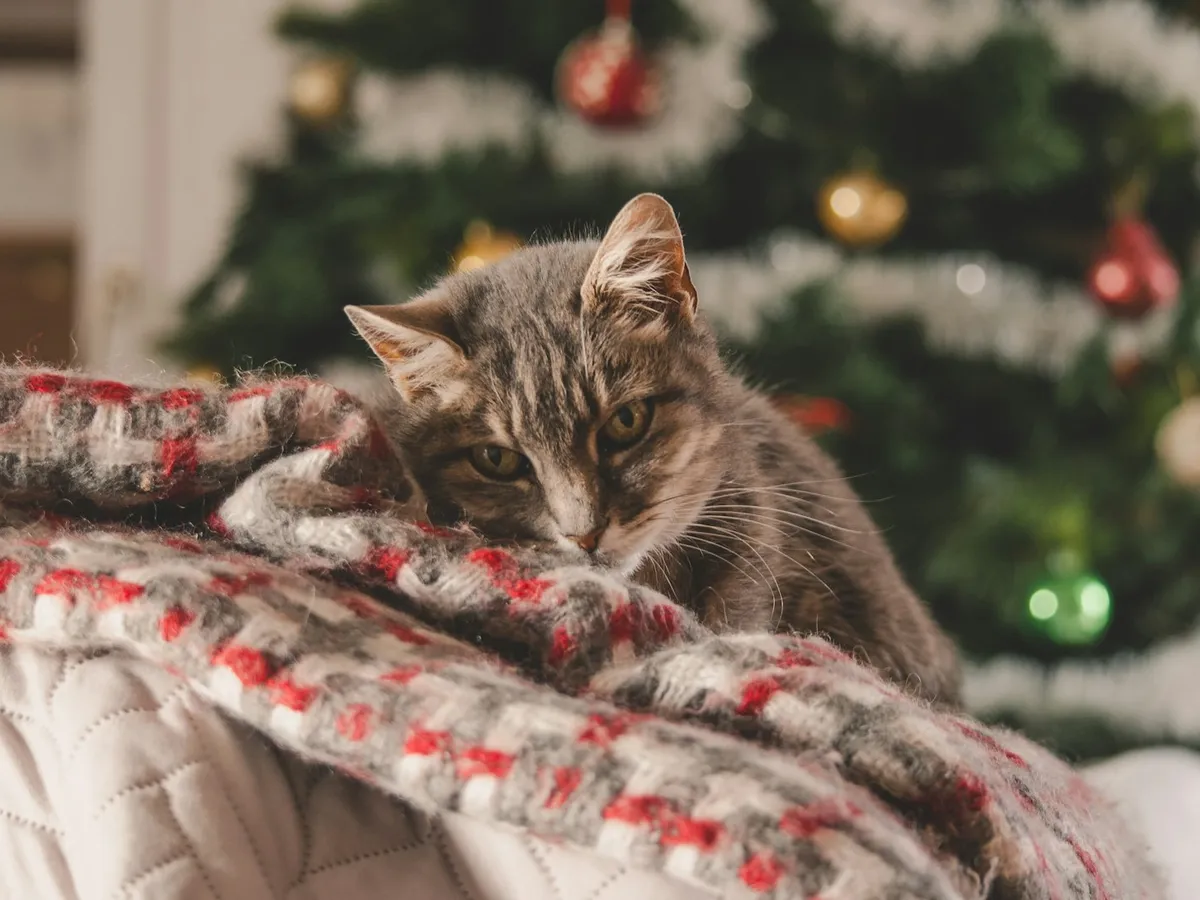
Bored indoor cat in winter: 8 simple games to play at home
Published October 26, 2026 · Updated November 17, 2026
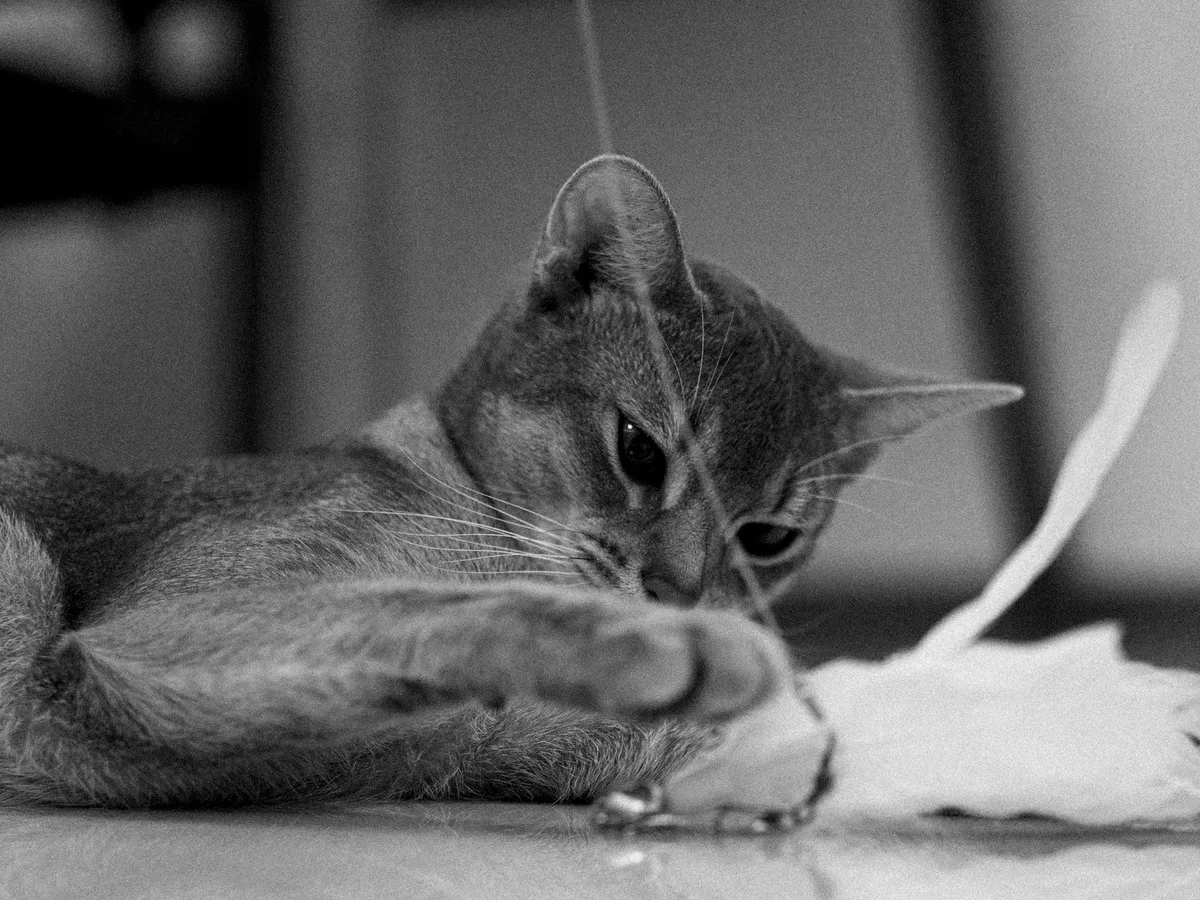
In short : A tunnel, a hide-and-seek mouse game, a window lookout, a kibble hunt or a simple cardboard box will do. Most important: two short play sessions a day where they stalk, chase and catch.
This article contains affiliate links: if you buy through them, Cozzzypets may earn a small commission at no cost to you. As an Amazon Associate, we earn from qualifying purchases.
In winter, indoor cats spend even more time sleeping and staring out the window. The windows are shut, the birds are scarce and the days are short. But cats are hunters: they need to stalk, chase and catch. Without that, some pace around, yowl at night or take it out on the couch. Good news: a few minutes a day and a little imagination change everything. Here are eight simple ideas.
How can you tell your cat is bored?
Every cat has its own personality, but some clues come up often: sleeping all day and getting active at night, following you around meowing, ambushing your ankles, scratching furniture more or begging for food without being hungry. These are rarely “bad behaviour”: it’s hunter energy looking for an outlet.
VCA Animal Hospitals, in their guide to enrichment for indoor cats, recommend playing every day, ideally in three short sessions, and starting just before the times your cat is usually active or seeking attention. For many cats, that’s early morning and early evening.
1. The tunnel
A collapsible tunnel becomes a hideout, an ambush spot and a racetrack. Ours is made of felt, with little windows to poke a paw through. Toss in a toy, a ball or a crumpled sheet of paper, then run a feather past the entrance. Move it from room to room now and then: a tunnel in a new spot is interesting all over again.
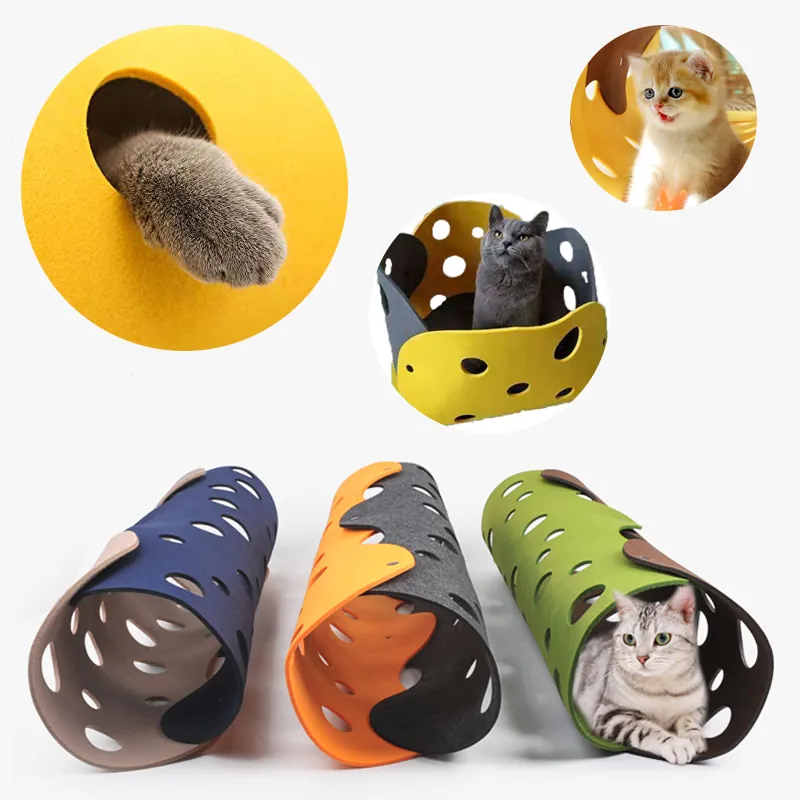 At CozzzypetsCollapsible cat tunnel
2. The ball tower
A ball tower keeps your cat busy even when you’re not available: the balls roll around their tracks without ever coming out, and your cat bats them again and again. It’s the perfect game for cats who love to swat, and for the few minutes you spend making supper.
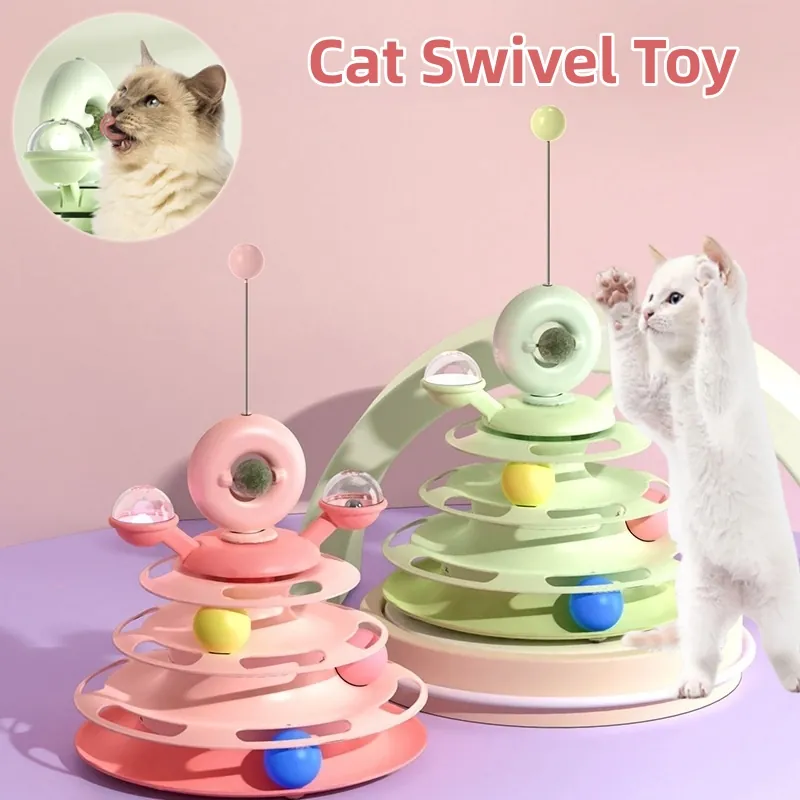 At Cozzzypets4-level cat ball tower
3. The hidden mouse
The hide-and-seek mouse game makes them slip a paw under nine holes to catch the mouse or ball hidden underneath: hunting and thinking at once. Move the mouse under the fabric with your hand to get the game started. It folds flat afterwards.
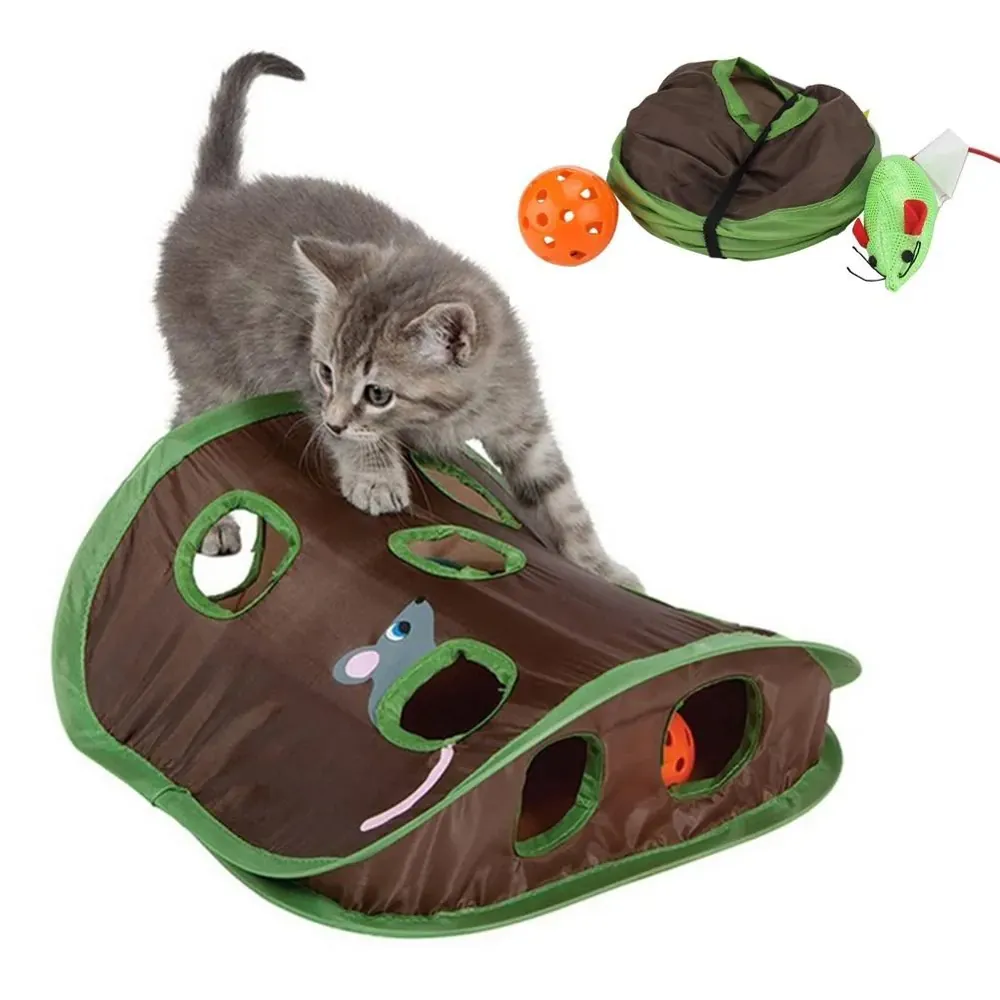 At CozzzypetsHide-and-seek mouse game
4. The scratcher tumbler
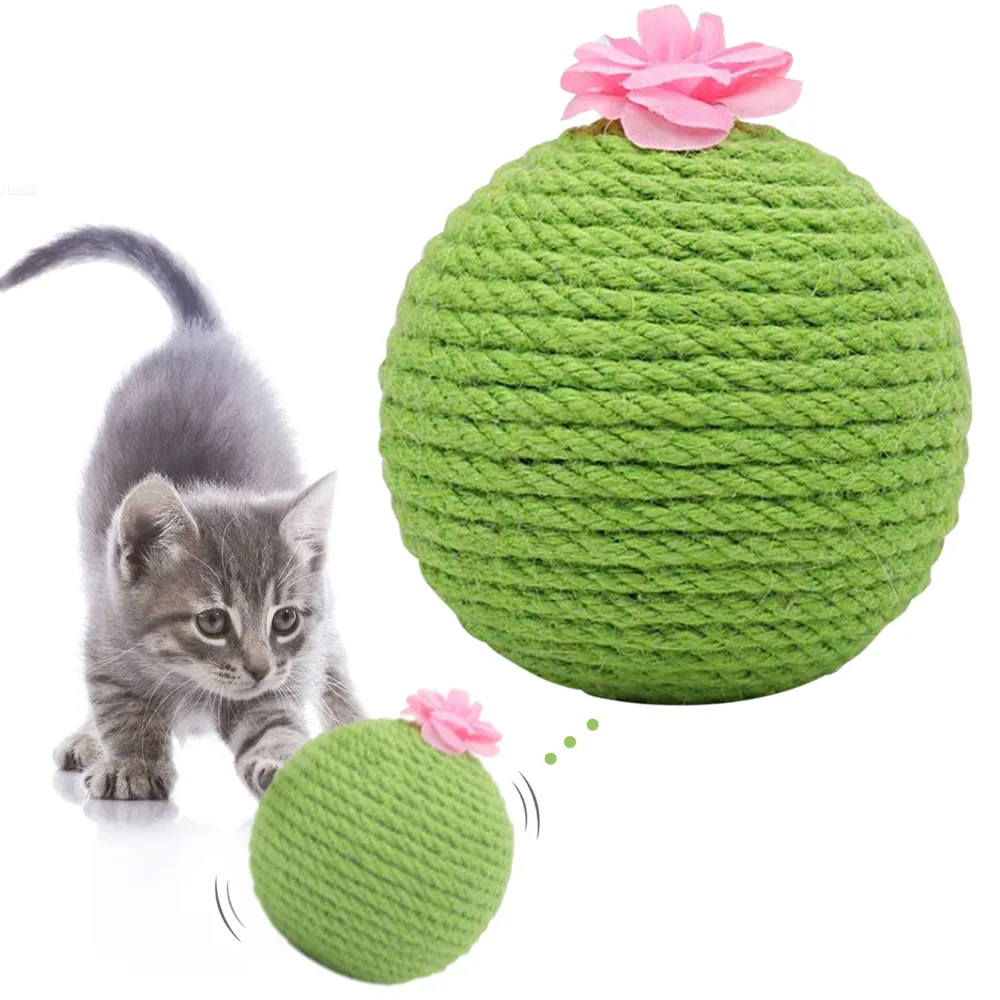
The cactus tumbler is a sisal ball that always pops back up: they bat it, scratch it and push it around, and it contains catnip. A scratcher and a toy in one. According to VCA, scratching also lets cats leave their scent, which helps them feel at home. If your cat goes after the furniture, read My cat scratches the couch.
5. The lookout
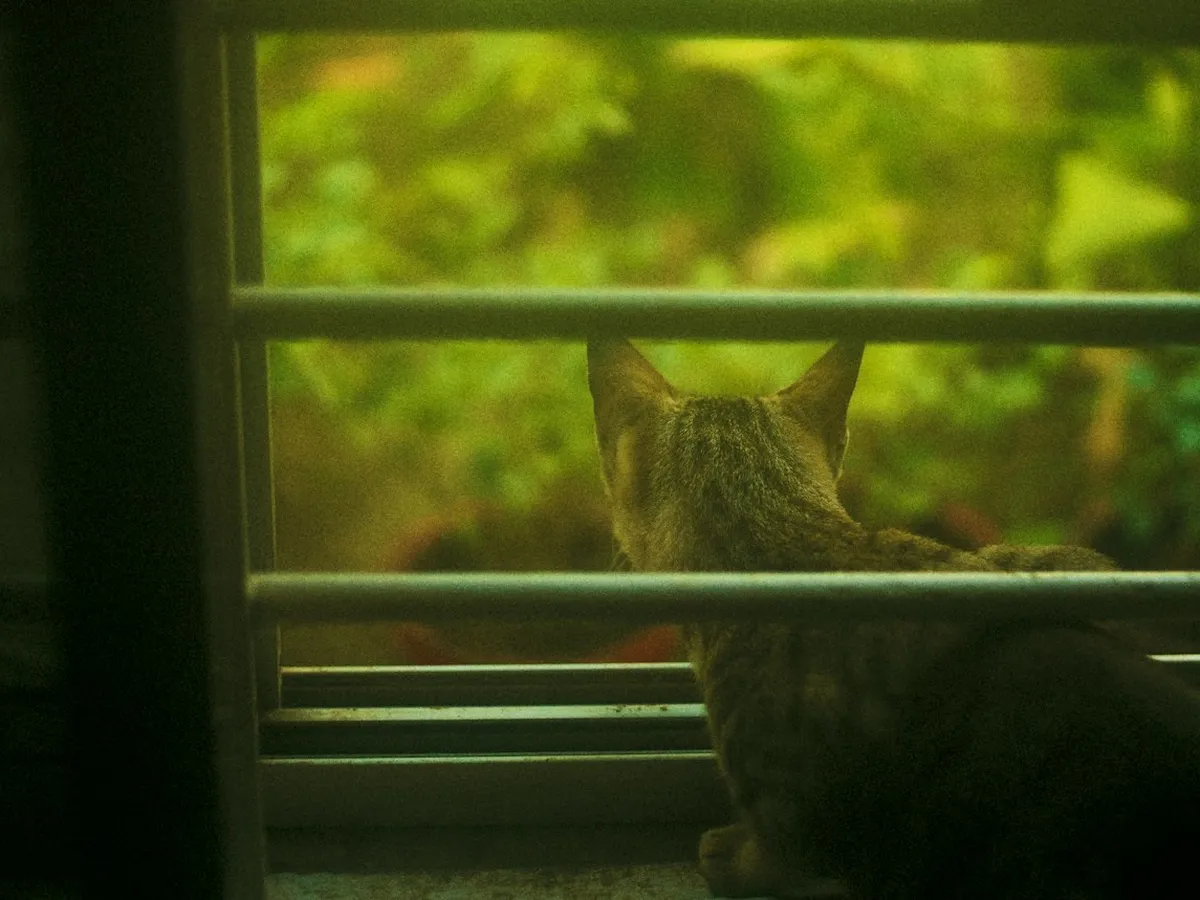
VCA advises giving cats several safe resting spots with an interesting view, such as a window perch. Set up a window hammock in front of a bird feeder: it’s their favourite TV. It attaches to a smooth, clean window with suction cups. Install it low, test how well it holds before letting your cat settle in, and check the suction cups every week. Our guide Are cat window hammocks safe? explains the setup.
No suitable window? The top of a bookcase or a sturdy piece of furniture, with a non-slip blanket, also makes a good perch. Cats love to survey their territory from above.
6. The kibble hunt
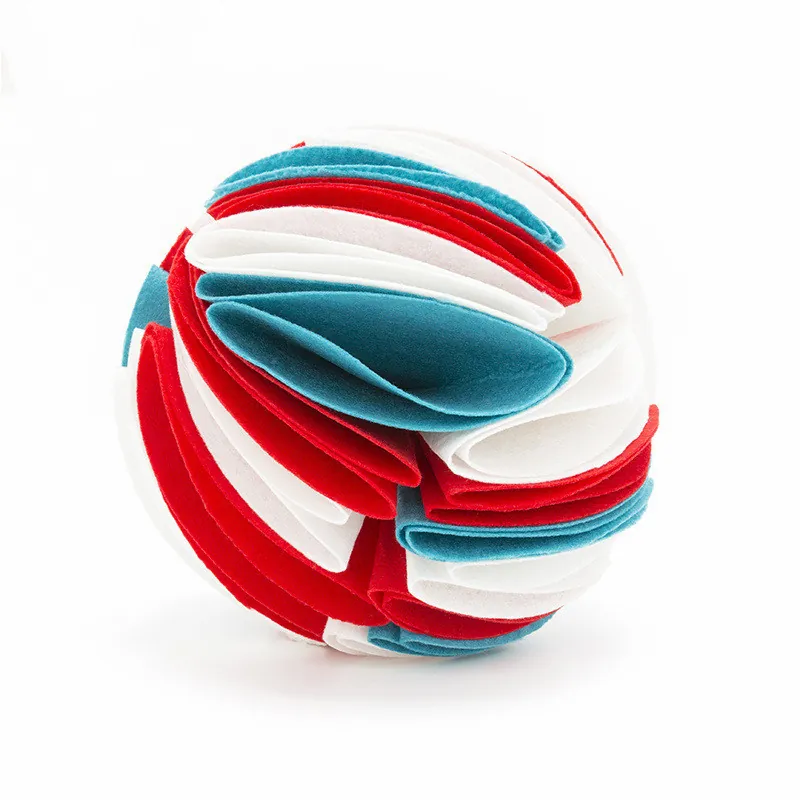
In nature, a cat doesn’t eat from a bowl: it searches. VCA suggests hiding part of the daily food ration in different areas of the home, using puzzle toys for part of each meal, or splitting the food into several small dishes. In practice:
- a few pieces of kibble in empty paper rolls or an egg carton;
- three or four small dishes hidden in different rooms;
- a piece of kibble tossed down the hallway to chase like prey.
Just make sure your cat eats the full daily amount, and no more.
7. The cardboard box
Don’t throw out the box from your last delivery! Cut two holes: there’s a new hideout. Connect two or three boxes to make a maze, or crumple some packing paper in the bottom. A paper bag (handles removed) lying on its side works too. It’s free and you can replace it every week.
8. The 10-minute session, the most important one
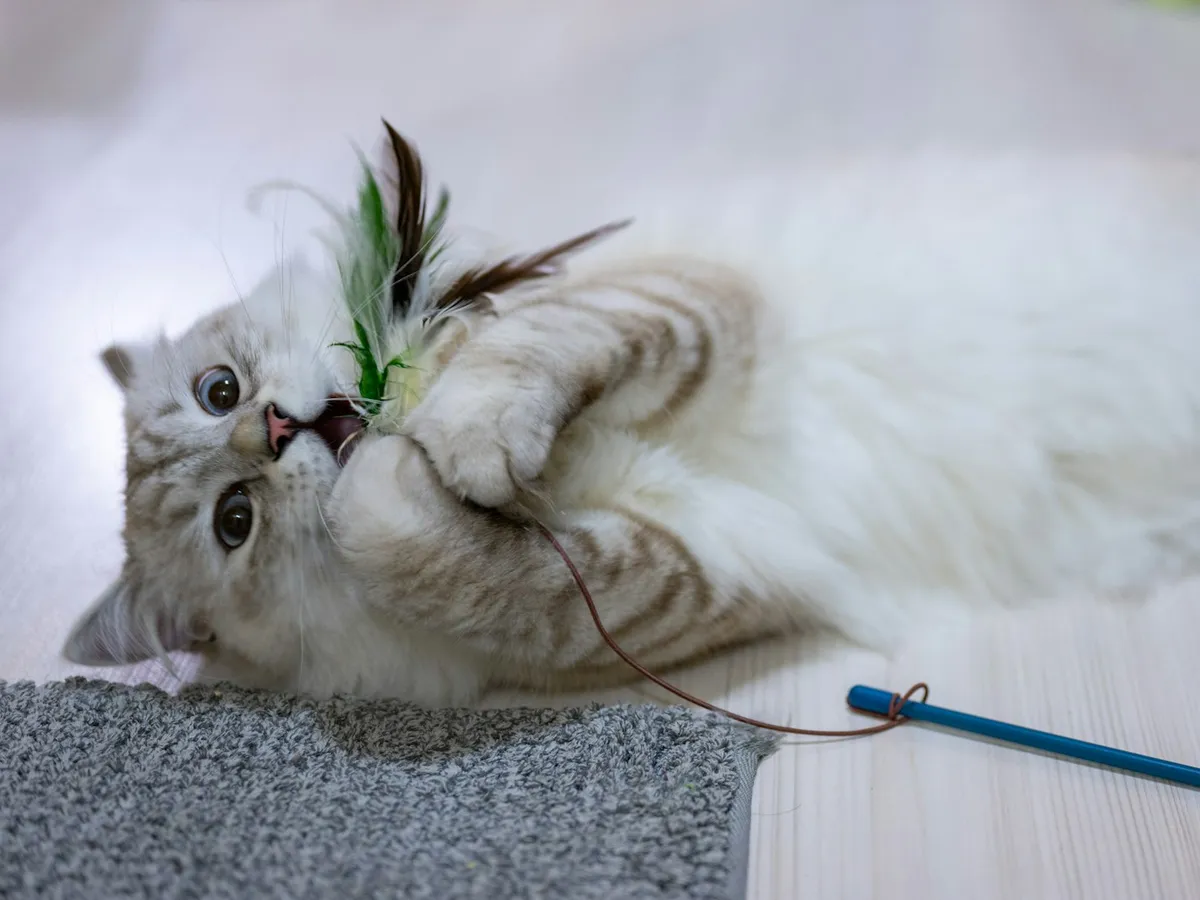
Nothing replaces playing with you. Take a cat wand and imitate prey: move the toy away from your cat rather than toward them, hide it behind furniture, freeze it, then make it dart off. VCA recommends toys that resemble prey in size and texture: “bird,” “mouse” or “bug” toys. Let your cat catch it at the end, otherwise they’re left hanging.
Finish with a small meal or a few pieces of kibble: hunt, catch, eat, groom, then sleep is their natural rhythm. An early-evening session helps many cats settle down at bedtime.
Two rules: never let your cat chase your hands or feet (VCA is clear on this, it’s a habit that hurts later), and don’t keep the session going until they’re out of breath.
Rotate the toys
A toy that’s been lying on the floor for three weeks is part of the furniture. VCA advises offering a variety of toys and rotating them often. Leave three or four out, store the rest in a closed box and swap them every week. The “forgotten” toy becomes new again.
Which one to choose?
- Your cat is alone all day: go for what works without you, namely the ball tower, the tumbler and the window lookout.
- They’re bursting with energy in the evening: the hunting session followed by a meal, then the tunnel for the zoomies.
- They’re food-motivated: the kibble hunt and the hide-and-seek mouse game.
- They’re older or mellow: a comfortable perch, slow games on the floor and very short sessions.
- You have several cats: add more hideouts and perches so everyone has a spot, and play with each one separately.
Frequently asked questions
How long should I play with my cat each day?
VCA recommends playing every day, aiming for at least three short sessions. If that’s too much, two ten-minute sessions, morning and evening, already make a real difference.
My cat doesn’t want to play. Is that normal?
Some cats prefer evenings or early mornings. Try different toys, slower movements and short sessions. If your cat suddenly becomes less active, talk to your veterinarian.
Does a senior cat still need to play?
Yes, but more gently: slow toys on the floor, short sessions and an easy-to-reach perch.
Are laser pointers a good idea?
The cat can never catch the dot, which can be frustrating. If you use one, always finish by leading the dot to a toy or a piece of kibble they can actually grab.
My cat races around at night. What can I do?
Add a good hunting session in the evening, followed by their meal. A cat who has hunted and eaten is more likely to sleep when you do.