The first days with a puppy: shopping list and first-week plan
Published October 26, 2026 · Updated November 16, 2026
In short : Get a bed, chew toys, a harness and leash, bowls and poop bags. In the first week, take them out often, reward every time they go outside, keep their bed near you at night and book a first vet visit.
This article contains affiliate links: if you buy through them, Cozzzypets may earn a small commission at no cost to you. As an Amazon Associate, we earn from qualifying purchases.
For the first days with a puppy, you need a bed, chew toys, a harness or collar with a leash, bowls and poop bags. As for the plan, keep to a simple routine: very frequent trips outside, meals at set times, lots of naps and a first vet visit.
Here is the full shopping list and a day-by-day plan for the first week, based on advice from the American Kennel Club (AKC).
The shopping list before they arrive
For sleeping
Puppies sleep a great deal: 18 to 20 hours a day according to the AKC. Their sleeping spot is the most important purchase.
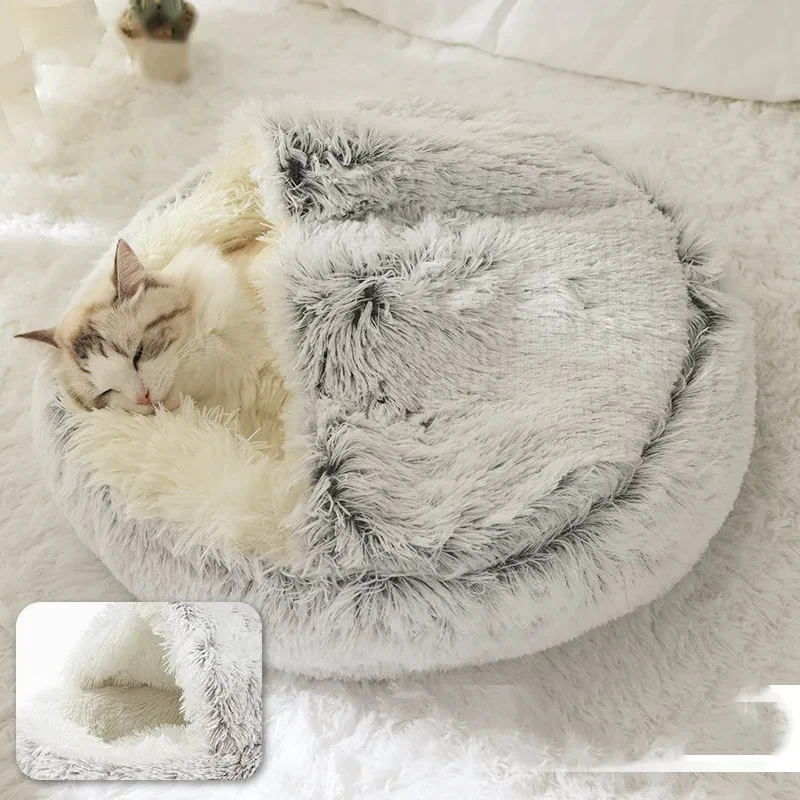
- A bed to curl up in. A cozy plush round bed with padded rims lets them curl into a ball, the way they did with their litter.
- A mattress for the early days. Accidents are part of learning. A waterproof dog mattress with a washable cover suits a crate or rest area in the first weeks.
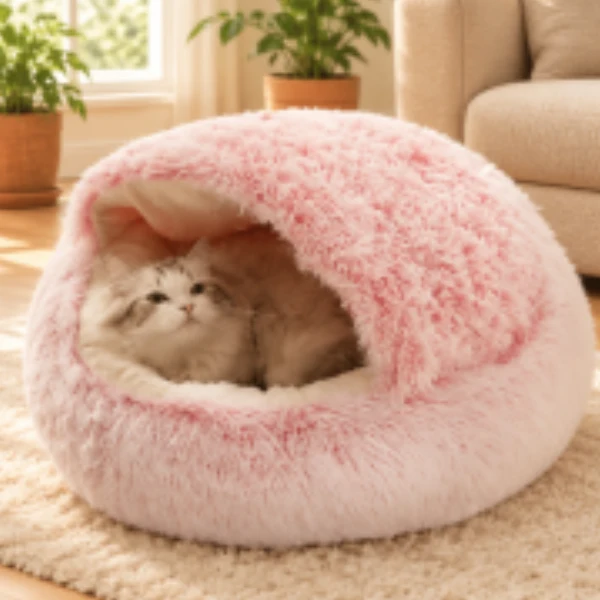 At CozzzypetsCozy plush round bedFrom
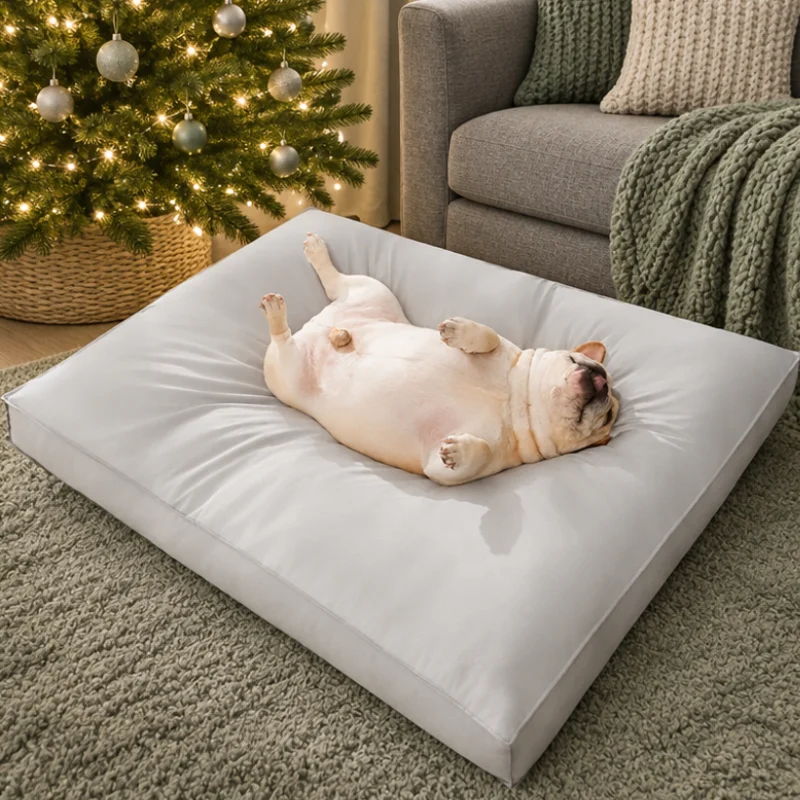 At CozzzypetsWaterproof dog mattressFrom
To pick the right size, see What size bed for my dog?.
For chewing
A puppy explores the world with their mouth, and their teeth bother them for months. With nothing allowed to chew, they’ll choose your shoes.
- A rubber tough chew toy, used under supervision.
- A squeaky plush toy for games with you.
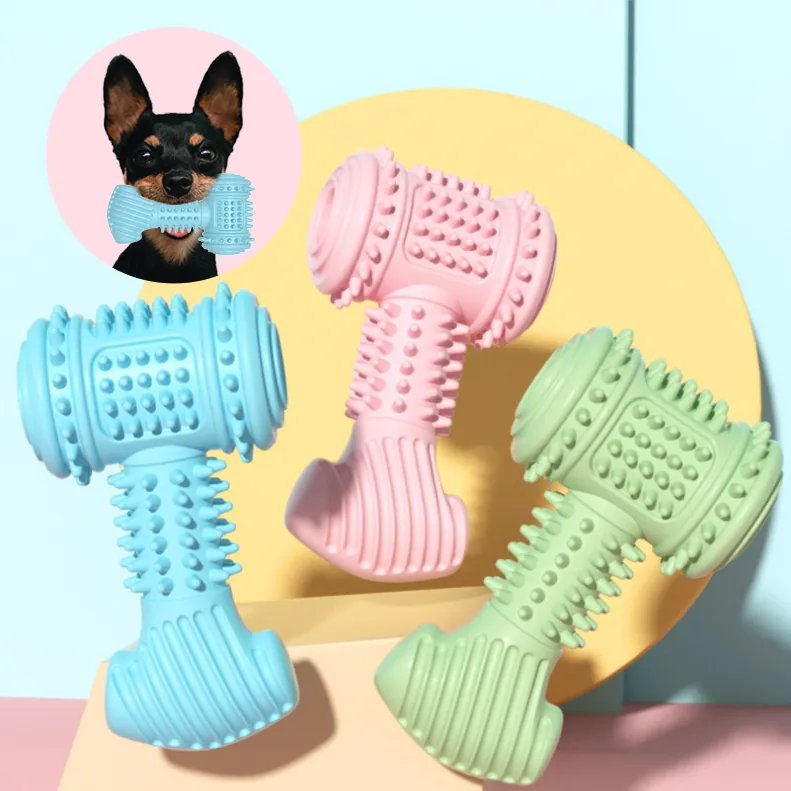 At CozzzypetsTough chew toy
Two or three toys with different textures are enough to start. Our guide to the best toys for a teething puppy explains what to choose by age.
For going out
- A well-fitted harness or collar. For a small puppy, our adjustable dog harness goes on easily. The leash isn’t included: a reflective rope leash pairs well with it.
- An ID tag with your phone number, from day one.
- Poop bags, such as our poop bags with dispenser that clip to the leash.
Puppies grow fast: check the fit every week. You should be able to slide two fingers between the harness and their body.
For meals
- Two stable bowls, one for water and one for food.
- A rimmed silicone feeding mat: a drinking puppy splashes.
- The same food they ate at the breeder’s or the shelter, at least at first.
For house training and safety
- A cleaner for accidents.
- A gate or crate to limit their space when you can’t watch them.
- Cord covers, and a tour of the house at puppy height: electrical cords, shoes, plants, small objects, garbage bins.
The first-week plan
Day 1: a quiet arrival
Pick them up in the morning if you can, so they have the whole day to discover the house before the first night.
- Start outside. Before even going in, take them to the spot where you want them to do their business. If they go, praise them warmly.
- Show them one room at a time: their bed, water and toys. Too much space at once is confusing.
- Keep the day calm. Visits from friends and family can wait a few days.
- Let them sleep. Falling asleep mid-game is normal.
The first night
It’s often the hardest: they have just left their mother, their litter and every smell they knew.
- Put their bed or crate near your bed for the first nights. Hearing you breathe is reassuring, and you’ll hear them if they need to go out.
- Tuck in a piece of clothing that carries your scent.
- Take them out right before bed, calmly, with no play.
- Plan one or two night trips. At eight or ten weeks, they can’t hold it until morning. Take them out, praise them, then settle them back down without playing.
Nights get longer on their own as they grow.
Days 2 to 4: setting the routine
Puppies learn through repetition. The AKC recommends a regular schedule for meals, potty breaks, play and naps: the more alike the days are, the faster they understand.
Potty breaks. Take them out:
- on waking, in the morning and after every nap;
- after every meal;
- after a play session;
- before bed;
- and in between, about every hour or two for a very young puppy.
The AKC offers a simple guide: a puppy can hold it for about one hour per month of age. So a two-month-old manages roughly two hours, a three-month-old about three. That’s a maximum, not a goal.
The method. Always go to the same spot, wait without playing, then praise and give a treat right away, outside. If there’s an accident indoors, don’t scold: clean it well and take them out more often. In the middle of winter, also read Potty training a puppy in winter.
Meals. Serve them at set times rather than leaving the bowl full. Your vet will tell you the amount and number of meals that suit their age.
Days 5 to 7: first lessons
Your puppy is starting to know the house. It’s time to add small things, a few minutes at a time.
- Their name. Say it, and reward them as soon as they look at you.
- Harness and leash. Have them wear both indoors, during play or a meal, before the first real walk.
- Handling. Gently touch their paws, ears and mouth, with treats. Vet visits and grooming will be easier.
- Short moments alone. A few minutes in their area with a chew toy while you’re in another room.
- Nipping. When they bite your hands, offer a toy instead and pause the game for a moment if they keep at it.
The first vet visit. Book it within the first few days. Bring the paperwork from the breeder or shelter. Your vet will do an exam, plan vaccines and tell you when your puppy can safely meet other dogs and visit public places.
Common first-week mistakes
- Too much freedom too soon. A puppy left alone with the run of the house always finds a corner for an accident or a cord to chew. Expand their territory little by little.
- Too much stimulation. An overexcited puppy who bites everything often simply needs a nap.
- Rules that change. Decide as a family, before they arrive, whether the couch or the bed is allowed. Everyone applies the same rule.
- Scolding after the fact. They don’t connect it to what they did earlier. It’s better to prevent and to reward good choices.
Frequently asked questions
My puppy cries at night. What should I do?
It’s common for the first few nights. Keep their bed near you, speak calmly and take them out if they may need to go. Avoid turning it into playtime. Most puppies settle within a few nights.
How often should an 8-week-old puppy go out?
Very often: after every wake-up, meal and play session, and about every hour or two during the day. At night, plan one or two trips.
When should training start?
From the first days, with two- or three-minute sessions and lots of rewards. Puppy classes are a good idea: ask your vet when yours can join.
When can I walk them outside?
In your own yard, right away. For parks, busy sidewalks and meeting unfamiliar dogs, follow your vet’s guidance based on the vaccine schedule.
How many toys do they need?
Three or four are enough. Put out two at a time and rotate: a toy that comes back after a few days is interesting again.
Sources: AKC, How to Potty Train a Puppy · AKC, Setting Schedules and Developing a Routine for Your New Puppy