Potty training a puppy in winter: what actually works
Published November 15, 2026
In short : In winter, take your puppy out often but briefly, always to the same cleared spot near the door, praise them the moment they go, wipe their paws when you come in and keep a pee pad indoors for nights and stormy days.
This article contains affiliate links: if you buy through them, Cozzzypets may earn a small commission at no cost to you. As an Amazon Associate, we earn from qualifying purchases.
To potty train a puppy in winter, take them out often but for short trips, always to the same small cleared spot near the door, praise them right away when they go, and keep a pee pad indoors for nights and stormy days. Cold weather doesn't make house training impossible. It just takes a bit more planning.
Lots of puppies join their new families over the holidays, right in the middle of a Canadian or northern U.S. winter. Here's a simple, step-by-step method to make progress without freezing on the porch.
Why it's harder in winter
A puppy isn't used to snow, wind and icy ground yet. They may be distracted, scared, or want to come back in before doing their business. The AVMA also notes that very young pets and short-haired pets feel the cold faster because they have less protection.
The result: they come inside and go on the living room rug five minutes later. It's not stubbornness. You just need to make the trip outside shorter, easier and more predictable.
The 8-step method
1. Clear a small spot near the door
Shovel a patch a few steps from the door, always the same one. Puppies often prefer going on a cleared surface, and they go faster when they know the spot. Leave a bit of untrampled snow around it so they have room without wandering far.
2. Take them out often
A young puppy needs to go out very often. Key moments:
- when they wake up, in the morning and after every nap;
- after every meal;
- after a play session;
- before bed;
- and, at first, at regular intervals during the day.
Jot down their potty breaks and accidents for a few days and you'll quickly see their rhythm.
3. Keep trips short and focused
In bitter cold, this isn't walk time. Take them on leash to their spot and wait a few minutes, calmly, without playing. If nothing happens, go back in, keep them close and try again a little later.
4. Always use the same cue
"Go potty," "hurry up," "do your business": the word doesn't matter, but always say the same one just as they start. Over time they connect the word with the action, which speeds things up on cold days.
5. Praise them right away, outside
As soon as they finish, praise them enthusiastically and give a small treat, right there. Waiting until you're back inside is too late; they won't make the connection.
6. Keep them warm
A small short-haired puppy may need a coat for trips outside. The AVMA points out, though, that a wet coat can make a dog colder, so dry them when you come in. Our article Is my dog cold? helps you spot the signs.
7. Wipe their paws when you come in
Salt and de-icers stick to paws. The AVMA recommends wiping or washing your dog's feet, legs and belly after every outing because they could lick the chemicals off. Keep a towel and a paw cleaner cup by the door.
8. Have an indoor plan B
On -25 °C nights, during storms, or when you can't get out often enough, a pee pad always in the same place near the door prevents accidents elsewhere in the house. The goal is still going outside: gradually move the pad toward the door, then remove it once your puppy asks to go out.
Accidents: how to react
- You catch them in the act: calmly say "outside," pick them up and take them to their spot. If they finish outside, praise them.
- You find it afterward: just clean it up. They wouldn't understand being scolded.
- Accidents suddenly increase: go back to more frequent trips. If your puppy seems to hurt when peeing, drinks much more than usual or keeps having accidents anyway, see your veterinarian.
Our winter potty training products
The washable, reusable pee pad
Our washable, reusable pee pad is absorbent fabric with a waterproof backing. You wash it and reuse it instead of throwing it away.
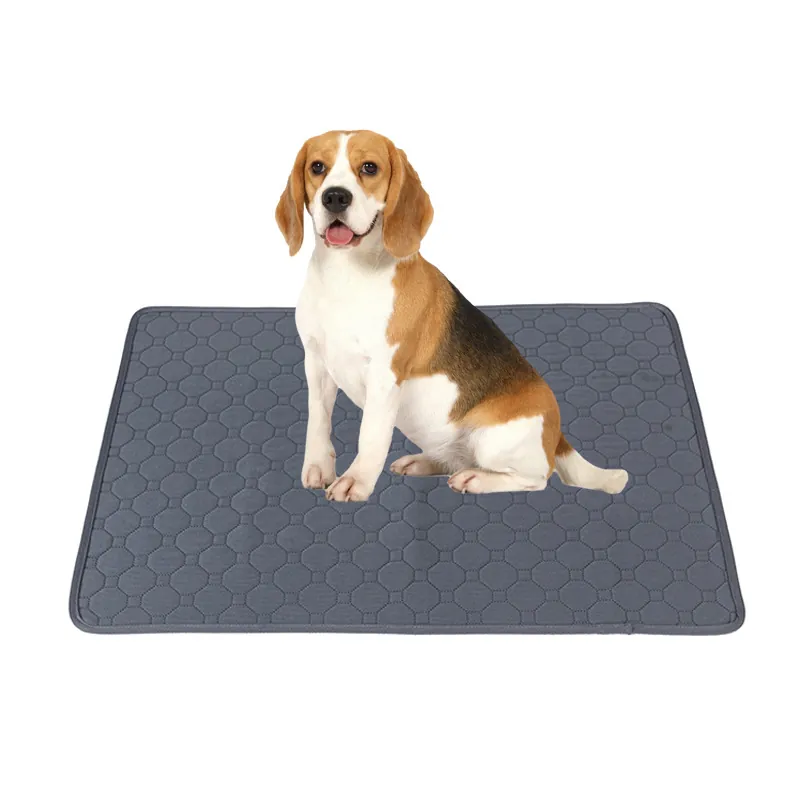 On saleWashable, reusable pee padFrom
- Best for: the puppy who needs a plan B for nights and stormy days.
- Sizes: 6 sizes, from 30 x 30 cm to 150 x 90 cm.
- Care: machine washable; grey or khaki.
- Good to know: it stays useful later in the travel crate or under the bowls.
The disposable pee pads
The disposable pee pads have an absorbent core that turns liquid into gel and a plastic backing that protects the floor.
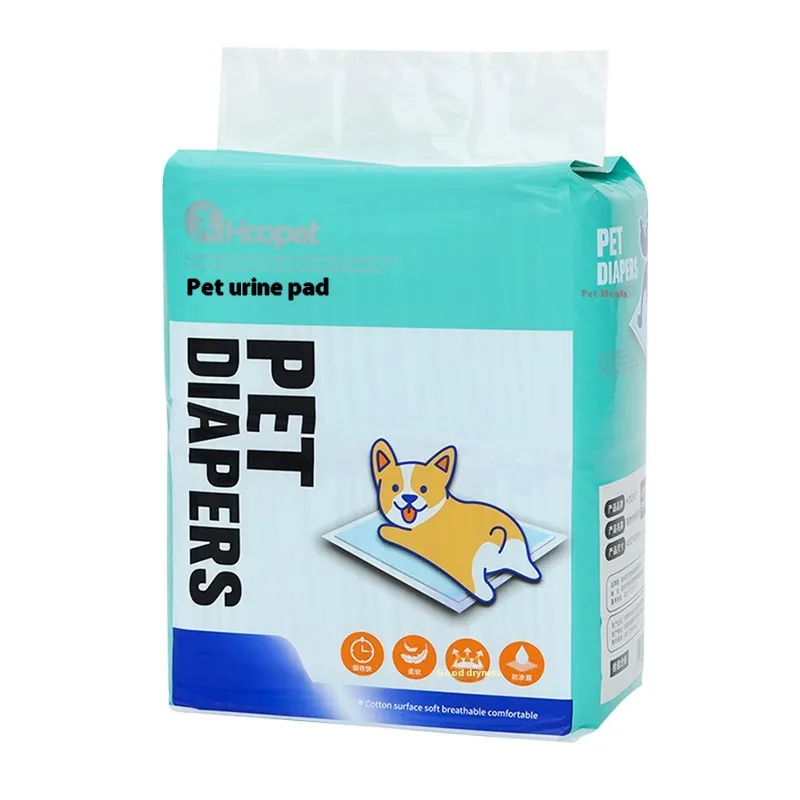 At CozzzypetsDisposable pee pads, pack of 20 to 100From
- Best for: the first weeks, when accidents are frequent and you'd rather toss than wash.
- Packs: 20 to 100 pads, from 33 x 45 cm to 60 x 90 cm.
- Good to know: put your puppy on the pad several times a day and praise them as soon as they use it.
The paw cleaner cup
The paw cleaner cup has a soft brush inside. Add a little water, slip the paw in, a few twists, then pat dry.
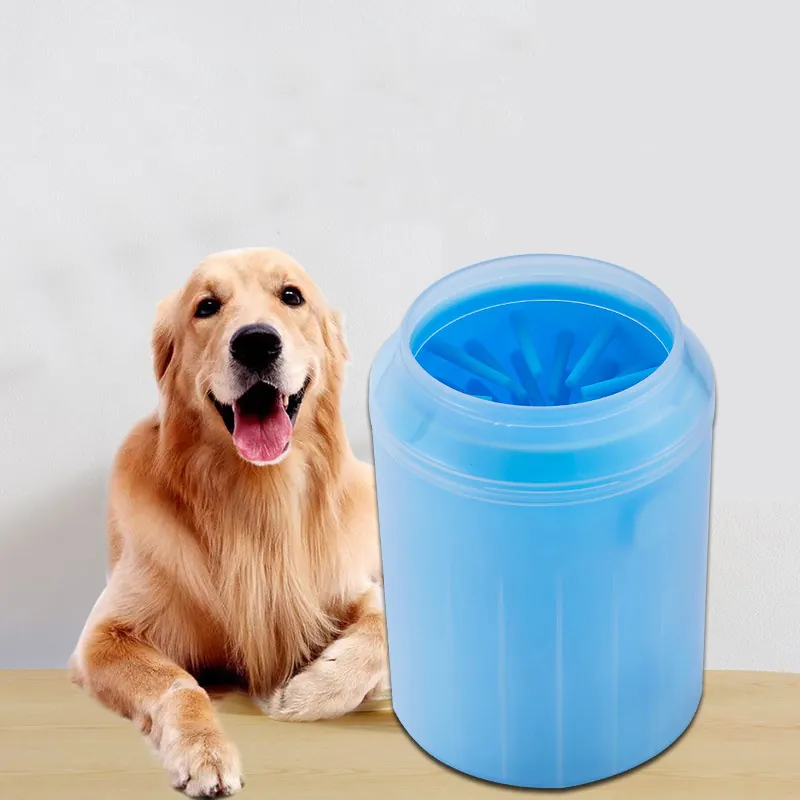 At CozzzypetsPaw cleaner cupFrom
- Best for: every puppy, from their very first outings in salt and slush.
- Sizes: S for under 5 kg, M for 7.5 to 17.5 kg, L for 20 to 40 kg.
- Good to know: the brush comes out for washing. Keep it at the entrance with a towel.
Just brought your furball home? Our New puppy page gathers the essentials, and our article on the first days with a puppy walks you through week one.
Which one should you choose?
- Want a lasting plan B? The washable pee pad: one purchase that lasts.
- Still having lots of accidents? The disposable pads, simpler in the first weeks.
- Live in the city with lots of salt on the sidewalks? The paw cleaner, kept by the door.
- Best winter combo: a pad by the door for cold nights and the paw cleaner for every trip back in.
Frequently asked questions
How long does it take to potty train a puppy?
It varies a lot from puppy to puppy. Several weeks, sometimes a few months, is normal. Regular trips outside matter more than the season.
My puppy won't go in the snow. What should I do?
Clear a small spot, always in the same place, stay calm and use your usual cue. Some puppies prefer a shoveled surface or a bit of cleared grass.
Can I use pee pads and take my puppy outside at the same time?
Yes. Keep the pad in the same place near the door as a backup and keep up the trips outside. Phase it out once your puppy asks to go out.
Should I take my puppy out at night in winter?
A very young puppy often needs a nighttime trip at first. Keep it short and calm, no play, or use the pad by the door on very cold nights.
Why does my puppy pee as soon as we come back inside?
Often they were distracted or cold outside. Stay out a few more minutes, without playing, and praise them as soon as they go. If they seem to hurt when peeing or keep having accidents, see your veterinarian.
Source: AVMA, Cold weather animal safety