How to trim your cat’s claws: a step-by-step guide
Published October 26, 2026 · Updated November 16, 2026
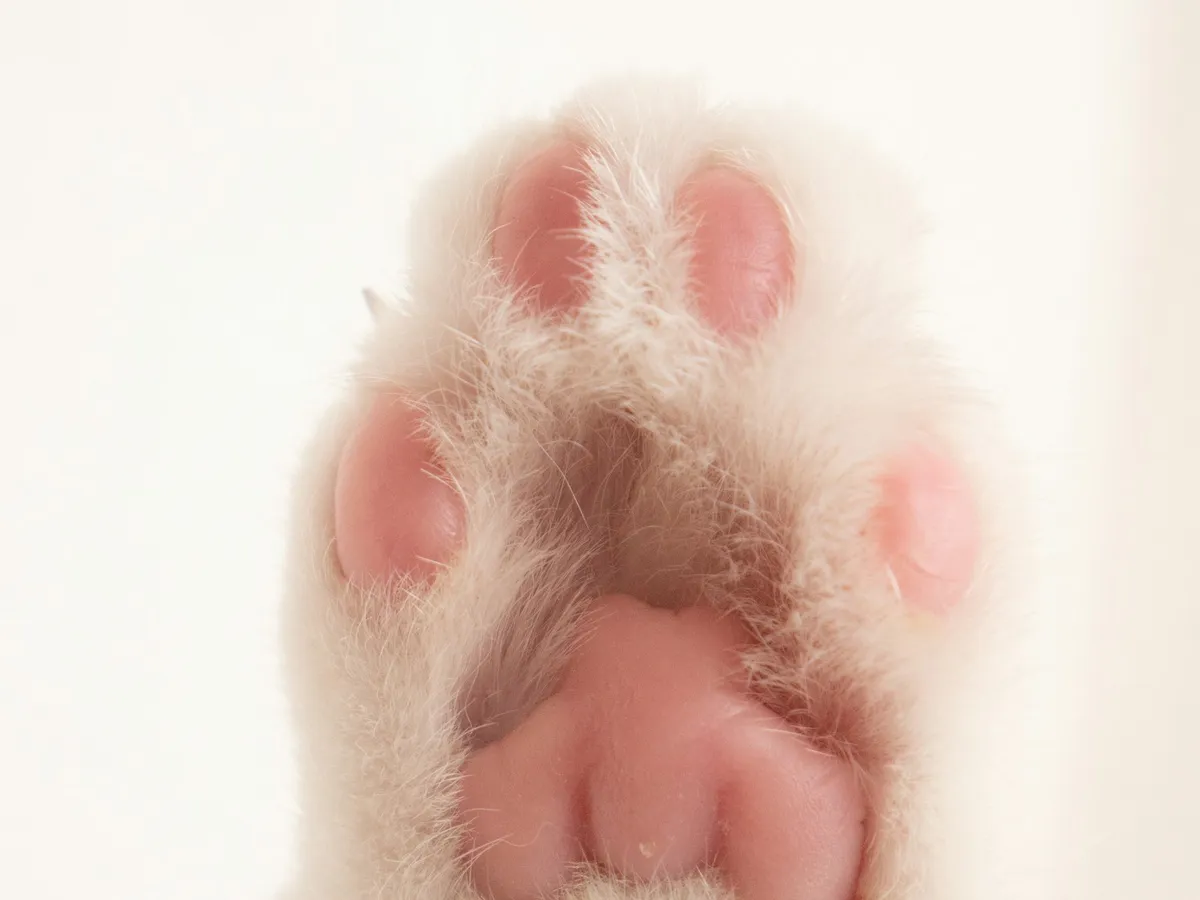
In short : Gently press the pad to extend the claw, then trim only the clear tip without touching the pink quick. For many indoor cats, a trim every two to three weeks is enough.
To trim your cat’s claws, settle them on your lap when they are calm, gently press the paw pad to extend the claw, then clip only the clear tip, well away from the pink part. One or two claws per session is plenty at first: several short, pleasant sessions beat one big battle.
Trimming an indoor cat’s claws limits snags in fabric and scratches during play. It can seem intimidating, but with a bit of patience it becomes a two-minute routine. This guide follows the gradual method described by the ASPCA: first get the cat used to having their paws handled, then to the clippers, and only then start cutting.
Understand the claw before you cut
A cat’s claw has two parts:
- The tip, clear or whitish, curved and sharp. This is the only part you trim.
- The pink part inside, visible through the claw, called the quick. The ASPCA explains that it contains nerves and blood vessels: nicking it is painful and causes bleeding.
Most cats have light-coloured claws, and the quick shows clearly under good light. If you cannot make it out, cut even less: just the very sharp end.
What you need
- A sharp nail clipper made for pets. The ASPCA advises against human nail clippers and notes that dull blades make trimming more uncomfortable.
- A towel to wrap them “burrito” style if they wiggle.
- Good light, ideally near a lamp.
- Two or three treats they love, reserved for trim time.
- A clean cloth within reach, just in case.
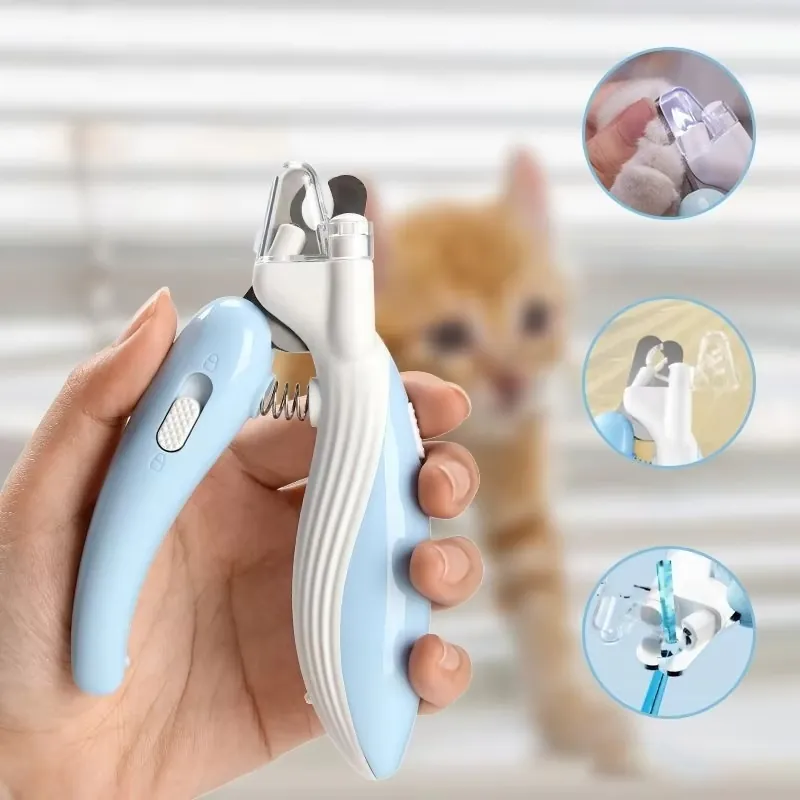 At CozzzypetsPet nail clipper
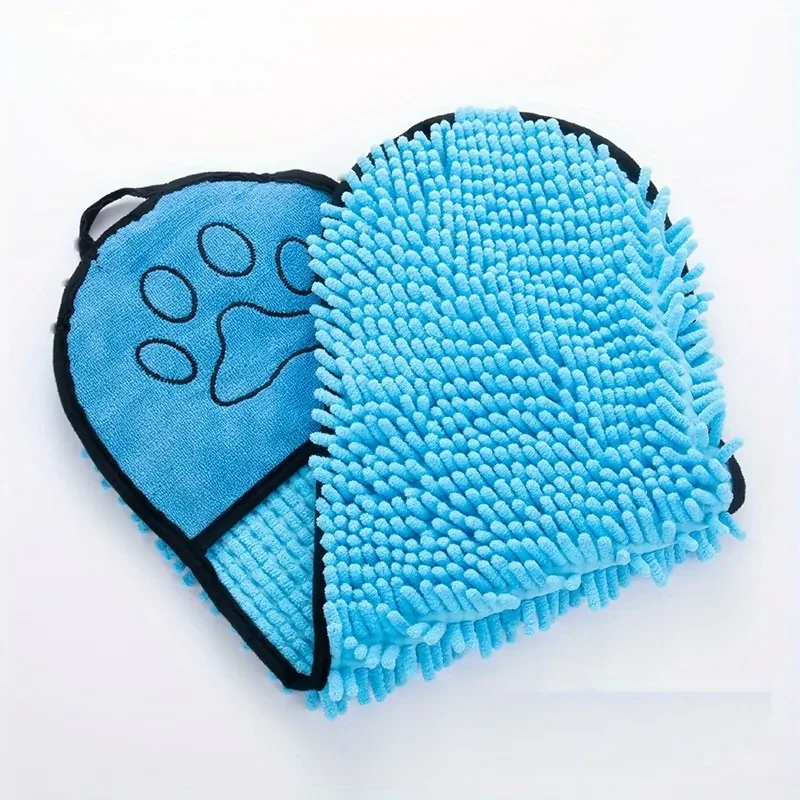
 At CozzzypetsUltra-absorbent microfiber towel
The right time and place
Timing matters as much as technique. According to the ASPCA:
- Pick a moment when your cat is relaxed or sleepy, for example after a meal.
- Avoid trimming right after play or a stressful event.
- Settle in a quiet room, away from windows where they can see birds and away from other pets.
- If you are rushed or in a bad mood, try again tomorrow: they can tell.
Step by step
- Sit your cat on your lap, their back against you, facing the room.
- Take a front paw in your hand and massage it gently for two or three seconds. If they pull away, do not squeeze or tug: follow the movement while keeping light contact.
- Gently press the pad: the claw extends.
- Find the quick. Position the clippers about halfway between the end of the quick and the tip of the claw.
- Clip the clear, curved tip in one clean motion.
- Release the paw and give a treat right away.
- Stop after one or two claws the first few times. The ASPCA advises trimming no more than two claws per sitting until the cat is completely comfortable.
Do not forget the dewclaw, set higher up on the inside of each front leg: because it never touches the floor or the scratcher, it tends to grow in a curve.
How often?
For many indoor cats, a trim every two to three weeks is enough. Some need a touch-up a little more often, others less: glance at their claws weekly during cuddles. A few cues:
- Their claws catch in blankets or in your sweater when they knead: it is time.
- You hear a little click when they walk on the floor: it is time too.
- Back claws often grow more slowly and wear down more; many cats only need the front ones done.
- Senior cats use the scratcher less: their claws thicken and need more attention.
Helping a cat who hates it
If your cat bolts at the sight of the clippers, go back a few steps and take your time. The ASPCA suggests a three-stage progression spread over several weeks:
1. Paws first
During cuddle time, hold a paw for a few seconds, then give a treat. One toe per session, every two or three days, with no cutting. If they resist, shorten it: one second is enough.
2. Extending the claw
Once they accept having a paw held, press the pad to extend the claw, count briefly, release, reward. Repeat a few times per session.
3. The clippers, without cutting
Keep the clippers beside you during cuddles. Let them hear the sound (snipping a piece of dry spaghetti imitates it), then reward. When they stay relaxed, trim a single claw.
Always finish with something they enjoy: a treat, or a game like the hide-and-seek mouse toy.
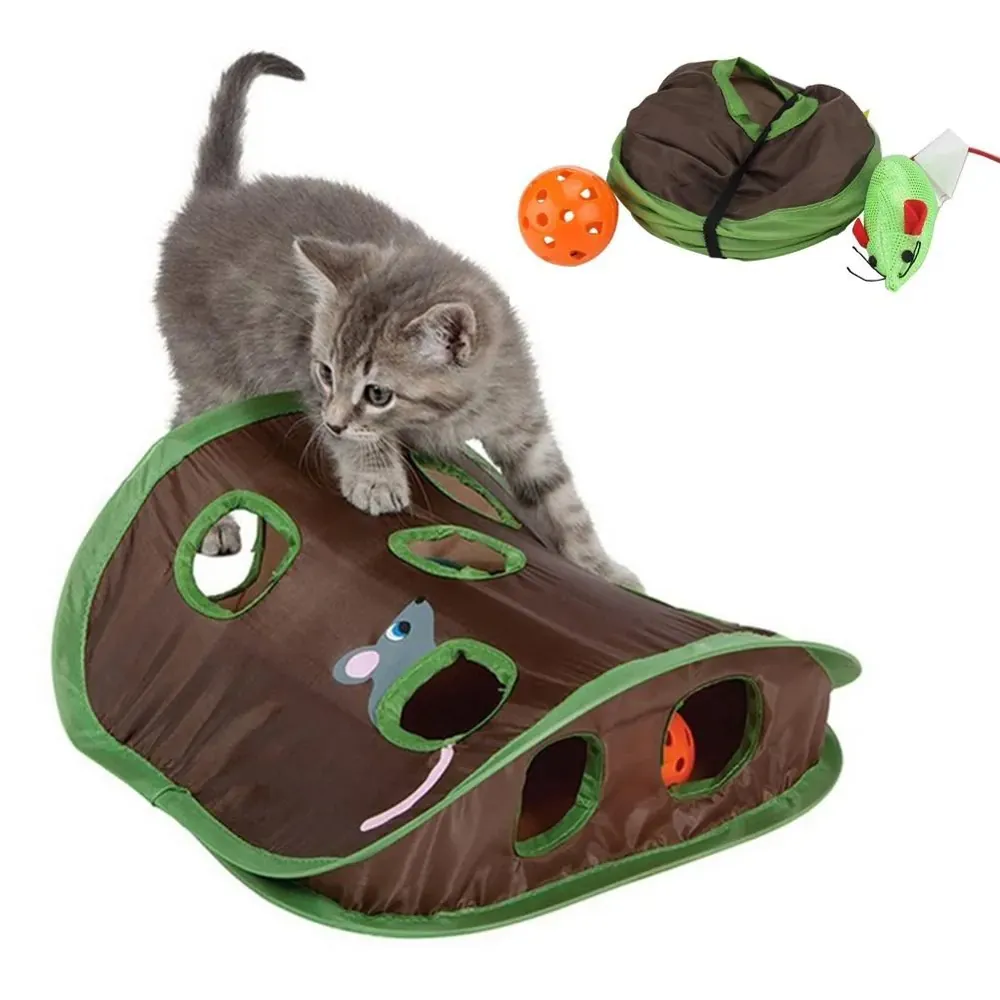 At CozzzypetsHide-and-seek mouse game
A second pair of hands
It is often easier with two people: one holds the cat and offers treats, the other trims. For a wiggly cat, the “burrito” works well: wrap them in a towel, leaving only one paw out at a time.
Mistakes to avoid
- Trying to do everything at once. Eighteen claws in one sitting is a lot for a cat who is not used to it.
- Cutting too close to the quick. Take the tip, no more.
- Holding them down or scolding. They will remember next time.
- Trimming when they are wound up, right after play.
- Using a dull tool, which crushes the claw instead of cutting cleanly.
Clippers or electric grinder?
- Clippers: quick, silent, no battery. The simplest choice for most cats.
- The rechargeable nail grinder: it rounds the tip little by little instead of cutting. Some people like it for finishing, but it vibrates and hums slightly: introduce it gently, just like the clippers.
What about anti-scratch booties?
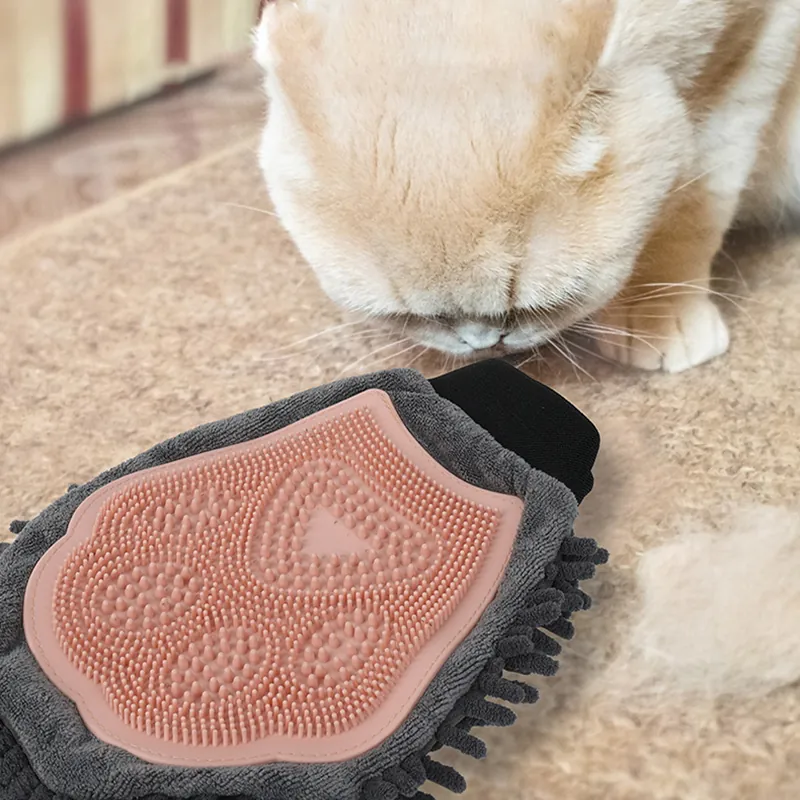
Anti-scratch booties protect your arms during baths or care. They do not replace trimming and are worn only for a few minutes, under supervision.
And the scratching post?
Scratching is normal behaviour: cats stretch, mark territory and shed the old outer layers of their claws. A good scratcher complements trimming; it does not replace it. Offer at least one sturdy post, like the sisal scratching post, and a flat or wall-mounted surface, like the corner wall scratcher, near the spots where they like to stretch after a nap. Our For you: cat who scratches page has more ideas.
Frequently asked questions
My cat goes outside. Should I trim their claws?
An outdoor cat needs claws to climb and defend themselves. Ask your veterinarian before trimming.
Is a scratching post enough to wear claws down?
A scratcher removes old claw layers but does not always shorten them enough, especially in older or less active cats. Check their claws from time to time.
At what age should I start?
As early as possible. The ASPCA recommends starting in kittenhood: cats accept trims much more readily as adults. With an adult cat, the same method works, but allow more time.
Do back claws need trimming?
Not always. They often grow more slowly and wear down more. Have a look: if they are long and sharp, clip the tip as you do in front.
How long does a session take?
With a cat who is used to it, two to three minutes for both front paws. At first, think thirty seconds per session, for one or two claws, and stop while things are going well.
Source: ASPCA, Trimming Your Cat’s Claws