How to trim your dog’s nails without stress (step by step)
Published October 26, 2026 · Updated November 17, 2026
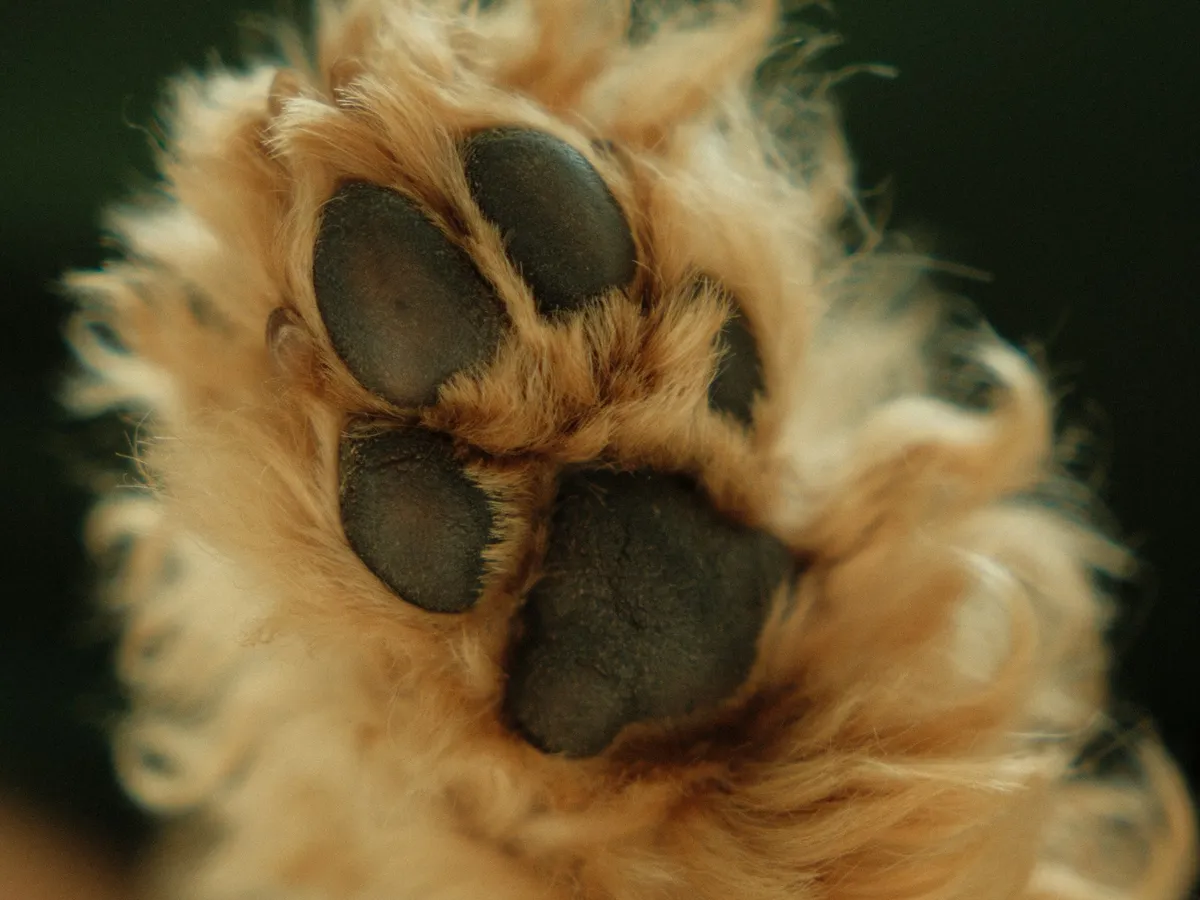
In short : Trim only the tip, a little at a time, without cutting the quick, and reward after each paw. For most dogs, a small trim every three to four weeks does the trick.
This article contains affiliate links: if you buy through them, Cozzzypets may earn a small commission at no cost to you. As an Amazon Associate, we earn from qualifying purchases.
Overly long nails aren’t just about looks. The American Kennel Club (AKC) explains that a long nail hits the ground with every step and puts pressure on the foot and leg: over time, the toes can splay and the dog loses traction. Not to mention nails catching on rugs and scratching floors. The good news: trimming nails at home is a skill you can learn, and most dogs come to accept it well when you go gradually. If you hear their nails clicking on the floor, it’s often a sign it’s time for a trim.
What you need
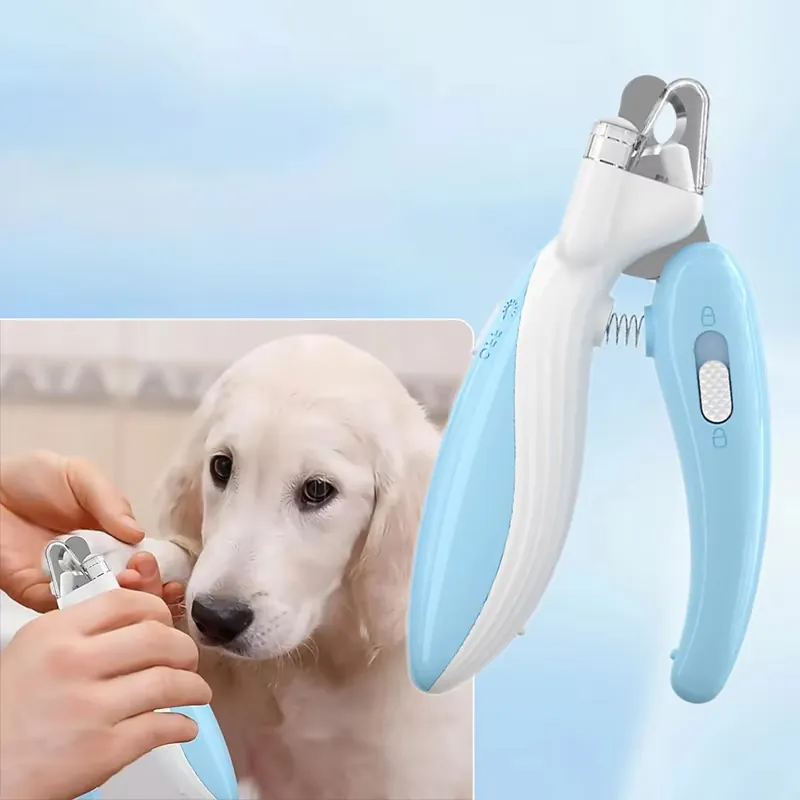
- A sharp nail clipper that’s easy to hold. A dull blade crushes the nail instead of cutting cleanly.
- Treats in small pieces, the ones they love most.
- Good lighting, so you can see what you’re doing.
- A towel: on the floor, it marks “their” spot; around a wiggly small dog, it helps you hold them gently.
- Styptic powder for pets, within reach before you start, as the AKC recommends.
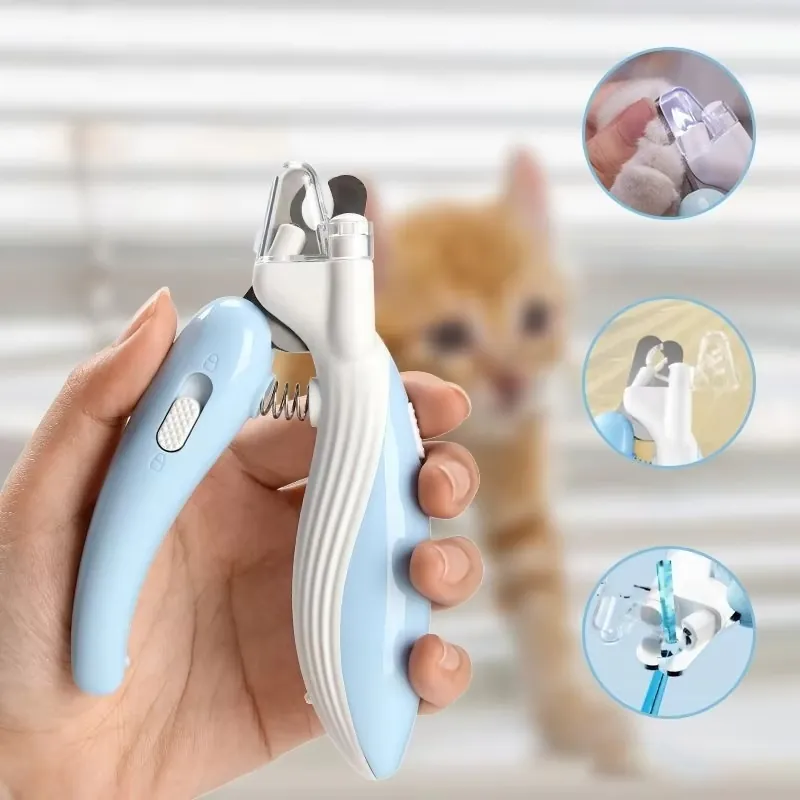 At CozzzypetsPet nail clipper
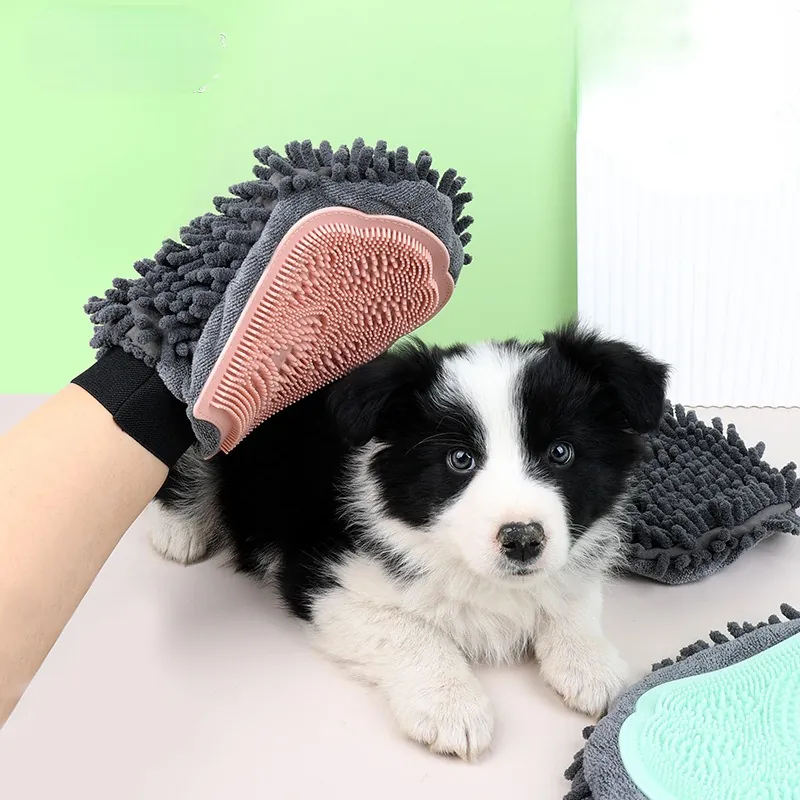
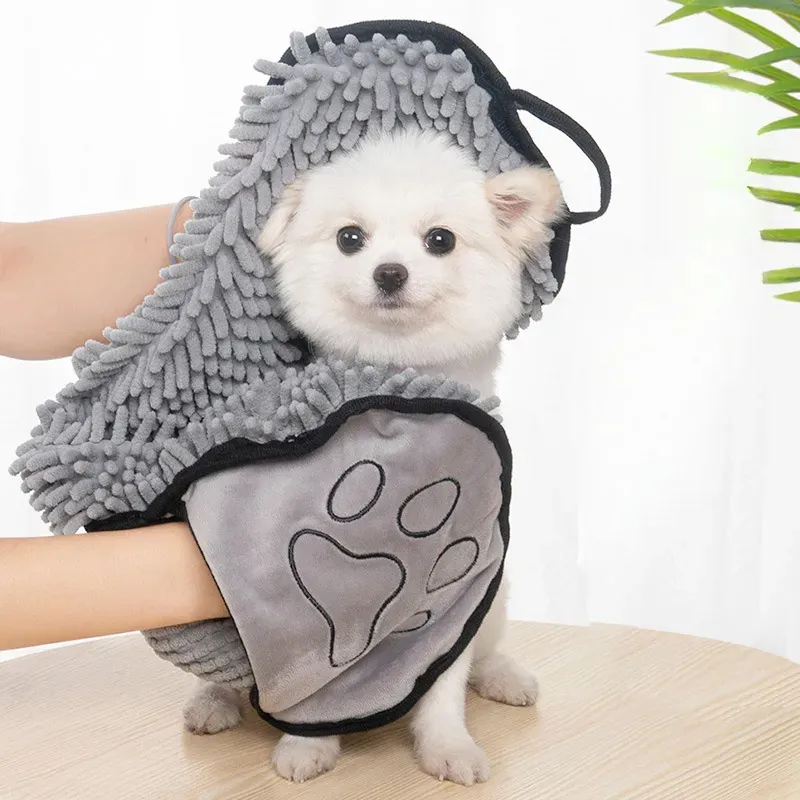 At CozzzypetsUltra-absorbent microfiber towel
Understand the nail before you cut
Inside each nail is the quick, which contains blood vessels and nerves. Cutting it hurts and bleeds: that’s what you want to avoid.
- On a light nail, it’s easy to see: it’s the pink area. Cut only the white tip, well before the pink.
- On a dark nail, you can’t see it from the outside. Take very thin slices and look at the end of the nail after each cut. The AKC gives a cue: when a chalky white ring appears in the centre, stop.
Either way, the AKC advises clipping only the tip, straight across, without going past the curve of the nail. On a dog whose nails have been long for a while, the quick is long too: small, regular trims are better than one big cut.
Get them used to it in a week
Most dogs who panic aren’t afraid of the cut itself, but of the tool, the sound or having a paw held. The AKC suggests a seven-day plan, a few minutes a day.
- Day 1: let them sniff the clipper. Treat and praise.
- Day 2: touch the tool lightly to each paw. Treat.
- Day 3: touch the paw and squeeze the clipper so they hear the sound, without cutting anything. Treat.
- Day 4: same thing, once more.
- Day 5: trim just the very tip of one front nail. Only one. Big reward.
- Day 6: trim the tips of two nails.
- Day 7 and beyond: add nails each day until you’ve done them all.
If your dog backs off at one step, return to the previous one and stay there a day or two longer. And keep “pretending” between trims: handling their paws regularly keeps the habit alive.
The trim, step by step
- Pick a calm moment, ideally after a walk or play session, when they’re relaxed.
- Get comfortable. A small dog can sit on your lap; a large dog can lie on their side or sit beside you.
- Hold the paw the way the AKC suggests: thumb on the toe pad, forefinger on top of the toe, just above the nail. Push your thumb slightly up and back, and your forefinger forward: the nail extends. Move fur out of the way.
- Clip the tip only, straight across, a little at a time.
- Don’t forget the dewclaw, the nail set higher up, on the inner side of the paw. It never touches the ground, so it doesn’t wear down, and can eventually curl toward the skin.
- Reward after every nail at first, then after each paw.
- Stop before they’ve had enough. Two paws today, two tomorrow: that’s perfectly fine.
If the nail bleeds
It happens even to experienced people. The AKC advises applying styptic powder right away and staying calm: your reaction matters as much as the little nick. With no powder on hand, press with a clean cloth for a few minutes. End the session on a positive note, with a treat.
How often?
According to the AKC, most dogs need a trim every three to four weeks, but it depends on their activity level and how fast their nails grow. A dog who walks a lot on pavement wears their nails down naturally and can go longer. An apartment dog, a senior dog or a small dog who’s often carried will need more frequent trims. In winter, snow and shorter outings wear nails down less: check them more often.
A good benchmark: when your dog is standing on a flat surface, their nails shouldn’t touch the ground.
Make it a pleasant moment
The secret is that something nice always happens during or right after. The AKC suggests, for example, spreading peanut butter on a silicone mat to keep the dog busy while you handle their paws (check that the peanut butter contains no xylitol). After the session, bring out a special reward kept just for this moment, like a treat puzzle. They’ll quickly link the clipper with something positive.
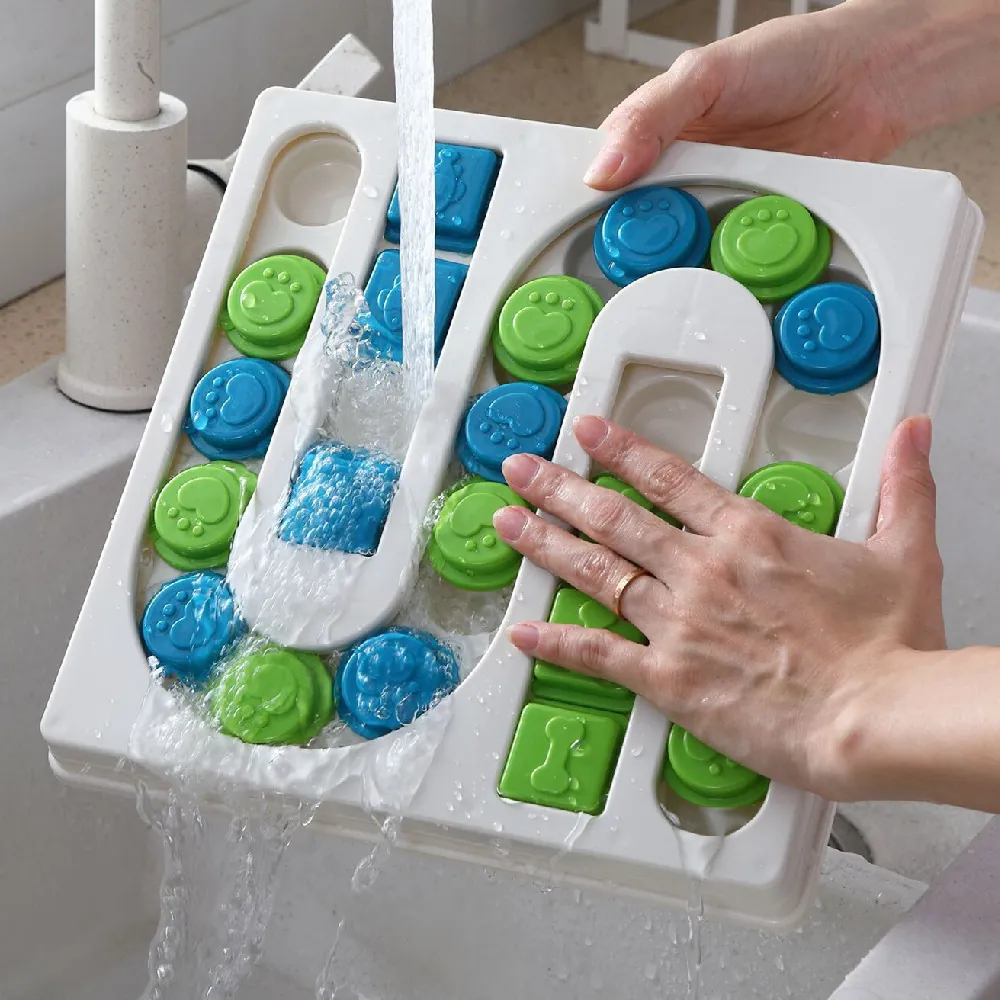 At CozzzypetsTreat puzzle game
Frequently asked questions
My dog panics. Should I push through?
No. Forcing them confirms the fear and makes next time harder. Restart the one-week plan from the beginning, and settle for one or two nails a day if needed. If it’s truly impossible, a groomer or your vet can handle it.
Clipper or grinder?
Both work. A grinder wears the nail down gradually and leaves a rounded tip; the AKC recommends using a model designed for dogs, removing very little at a time and keeping long fur away from the tool. That said, some dogs dislike the sound and vibration. A clipper is quiet and quick. Many people clip, then smooth the edge.
How far should I cut black nails?
Go in very thin slices and look at the cut surface each time. As long as it’s dry and whitish, you can go a little further. As soon as a chalky white ring shows in the centre, stop: the quick is close.
Are walks enough to wear nails down?
Sometimes, for very active dogs on hard surfaces. But the dewclaw never wears down, and front and back nails don’t always wear evenly. A quick look every two weeks is still a good habit.
At what age should I start?
As early as possible. The AKC recommends handling a puppy’s paws often and gently so they get used to it. With an adult dog it works too: it simply takes more patience.