How to brush a cat that hates being brushed
Published November 14, 2026
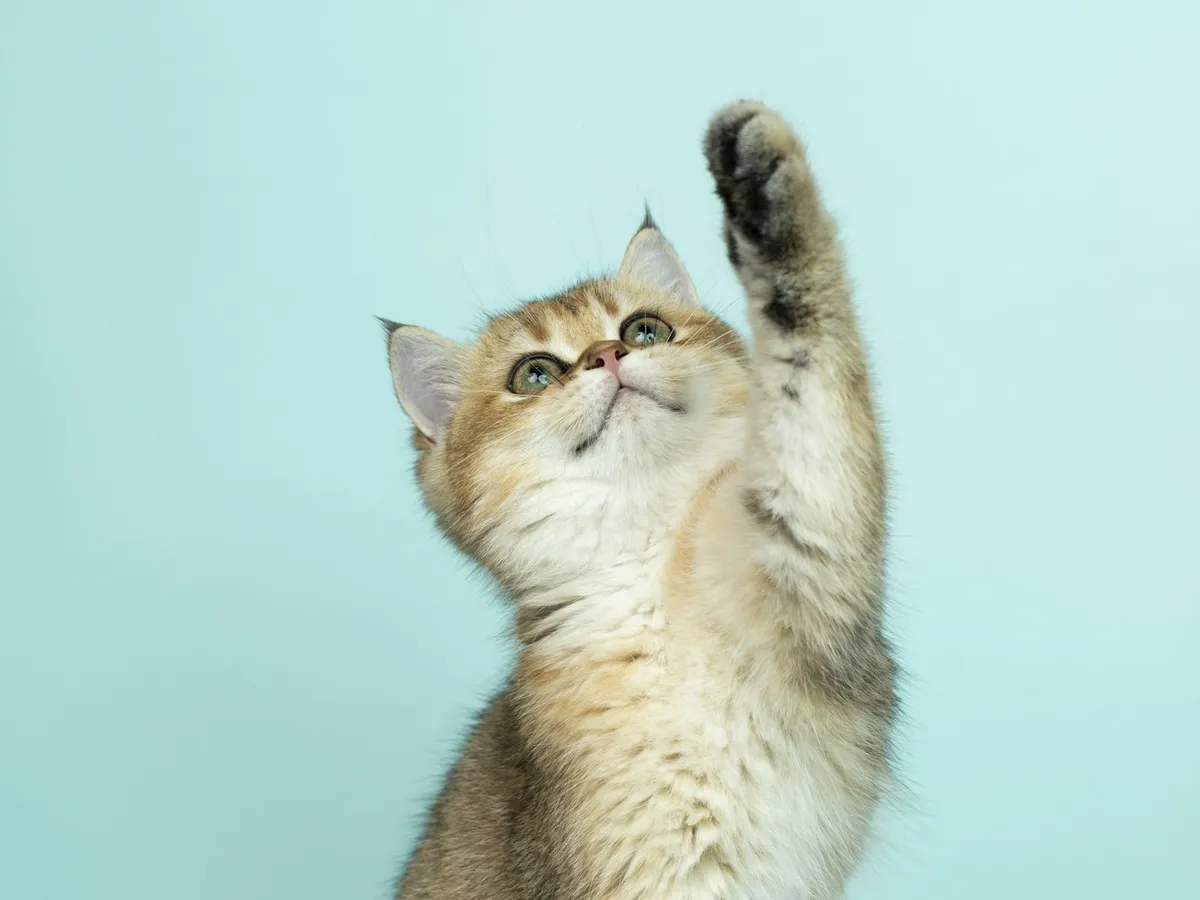
In short : A cat who hates the brush has often had a bad experience or finds the tool unpleasant. Start with 30-second sessions where they already like being petted, use a gentle tool like a glove, reward them and stop before they get impatient.
If your cat hates being brushed, the fix is to start over very gently: 30-second sessions where they already enjoy being petted, a softer tool, a reward at the end, and stopping before they get impatient. Most cats eventually accept the brush, and some even start asking for it.
It's worth sticking with, especially in winter. With the heat on, many cats shed around the house, and regular brushing catches loose hair before it ends up on your couch and clothes.
Why your cat resists the brush
Before changing your approach, it helps to understand what's bothering them. The most common reasons:
- A bad memory: a tangle pulled too hard, a session that went on too long, being held down.
- An unpleasant tool: pins that are too stiff or a brush that snags can be uncomfortable, especially on a short-haired cat or sensitive skin.
- A sensitive spot: many cats hate having their belly, back legs or the base of their tail touched.
- Bad timing: a cat who just woke up ready to play, or who's hungry, isn't in the mood for grooming.
- Pulling tangles: on a long-haired cat, every pass through a tight knot can be uncomfortable.
If your cat suddenly reacts to one specific spot after accepting the brush before, or stops grooming themselves, see your veterinarian.
Read the signs they've had enough
A cat almost always says "stop" before scratching or biting. Watch for:
- a tail that swishes or thumps the floor;
- ears turning back or flattening;
- the skin on their back rippling;
- their head whipping around toward your hand.
As soon as you see one of these, stop. A 20-second session that ends well beats a 5-minute session that ends badly.
The gentle 7-step method
1. Let them discover the tool
Leave the brush or glove near their favourite spot for a few days and do nothing with it. Let them sniff it. When they come close, a small treat.
2. Pick their moment
The best time is often when they're relaxed and a little sleepy, after a meal or a play session. Sit at their level instead of picking them up.
3. Start where they like being petted
Cheeks, the top of the head and the back are usually favourites. Do two or three gentle strokes in the direction of the fur.
4. Keep sessions very short
At first, 30 seconds is plenty. Stop while it's going well, even if they seem to enjoy it: they'll keep a good memory.
5. Reward every time
A treat, a game with their favourite wand, or simply some petting at the end. Brushing becomes linked to something pleasant.
6. Build up slowly
Over the days, add a few seconds and a new area: the sides, then the neck. Save the belly and legs for later, once they trust you.
7. Keep a routine
Same place, same time of day, a few times a week. Cats like knowing what to expect.
What about mats?
On long-haired cats, mats often form behind the ears, under the front legs and on the belly. To work out a small tangle, hold the hair close to the skin between your fingers so you don't pull, then gently comb starting from the tips.
A very tight mat stuck to the skin should never be cut with scissors: a cat's skin is thin and easy to cut. Leave it to a groomer or your veterinarian.
Our tools for a cat who dislikes the brush
Here are the tools in our shop, from gentlest to most thorough. For a difficult cat, always start with the gentlest.
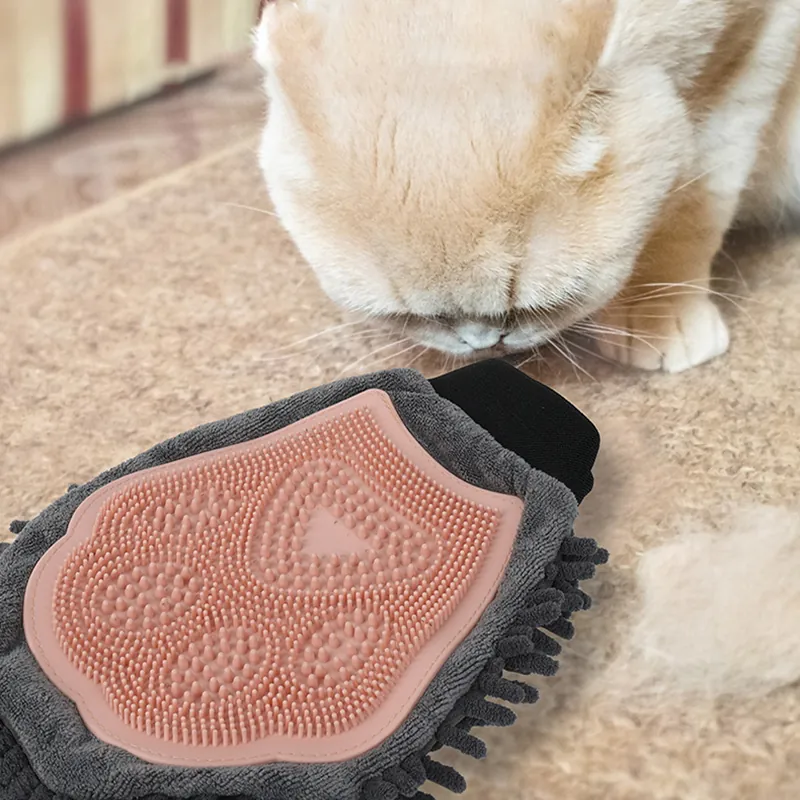
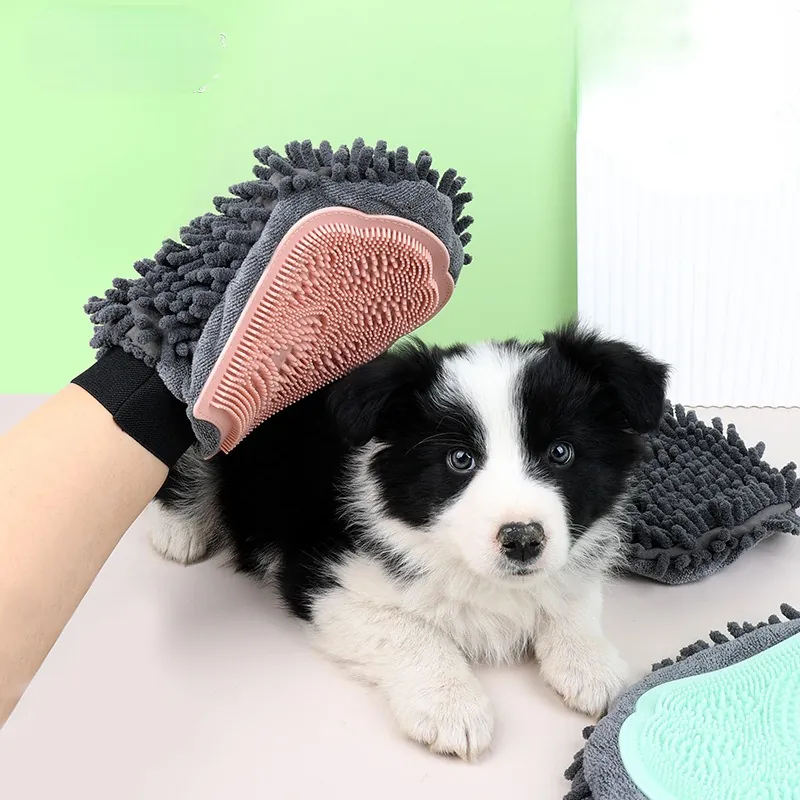
The bath grooming glove
The bath grooming glove slips on like a glove. One side has soft silicone nubs that massage and pick up hair; the other is chenille microfibre for wiping.
 At CozzzypetsBath grooming glove
- Best for: the cat who accepts petting but runs from the brush. To them, it's just your hand.
- Size: 26 x 21 x 2.5 cm.
- Use: dry for brushing, wet for bath time.
- Good to know: the best starting point for a cat who's afraid of brushes.
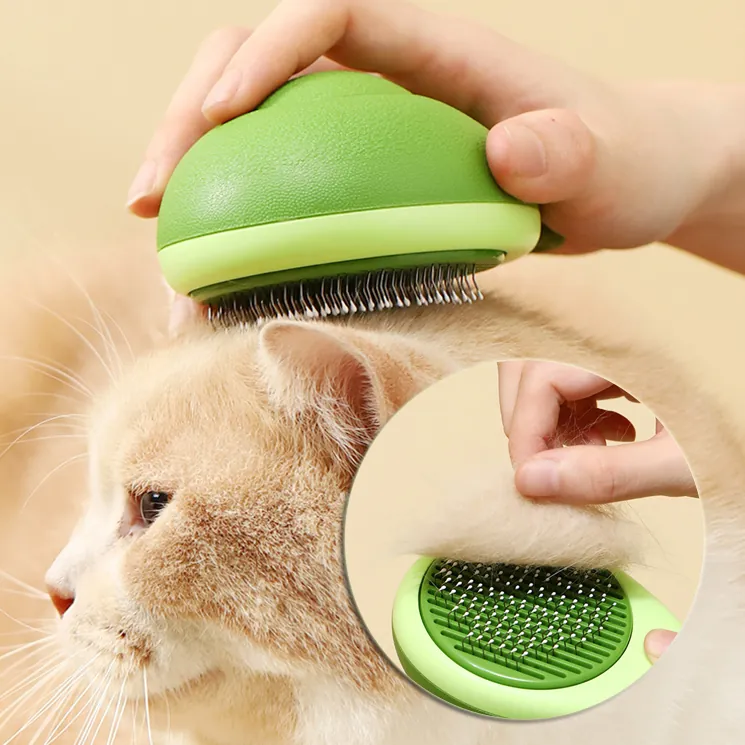
The self-cleaning avocado brush
The self-cleaning avocado brush is a little avocado- or lemon-shaped brush that sits in your palm. Its metal pins have rounded tips, and pressing the button retracts them so the hair comes off in one go.
 At CozzzypetsSelf-cleaning avocado brush
- Best for: the cat who's starting to accept brushing, short or medium coat.
- Size: about 13 x 8 x 5.6 cm, about 71 g.
- Good to know: its small size feels less intimidating than a big brush, and you hold it like a stroke.
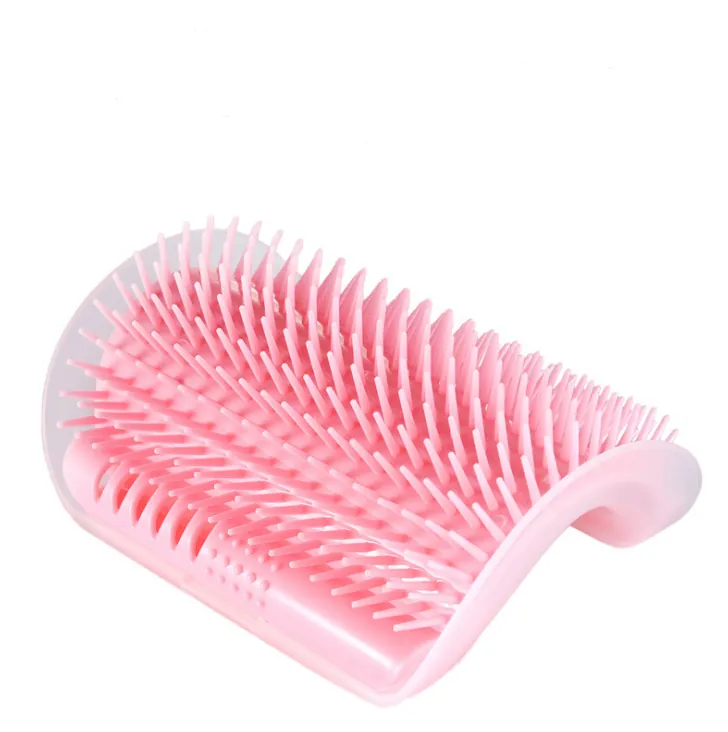
The cat corner self-groomer
The cat corner self-groomer mounts on a wall or furniture corner at your cat's height. They come to rub their cheeks and back whenever they like.
 On saleCat corner self-groomerFrom
- Best for: the cat who won't let you brush them but rubs on everything.
- Size: about 13 x 8 cm, soft bristles.
- Good to know: a pinch of catnip on the bristles helps them discover their new corner. It's a bonus, not a replacement for brushing.
The double-row steel comb
The double-row steel comb has round-tipped stainless steel teeth: wide-spaced on one side to detangle, fine on the other to finish.
- Best for: long-haired cats, once they accept sessions.
- Size: 17 cm long, 2.2 cm teeth, 3 mm and 1 mm spacing.
- Good to know: ideal for tangle-prone spots behind the ears and under the legs.
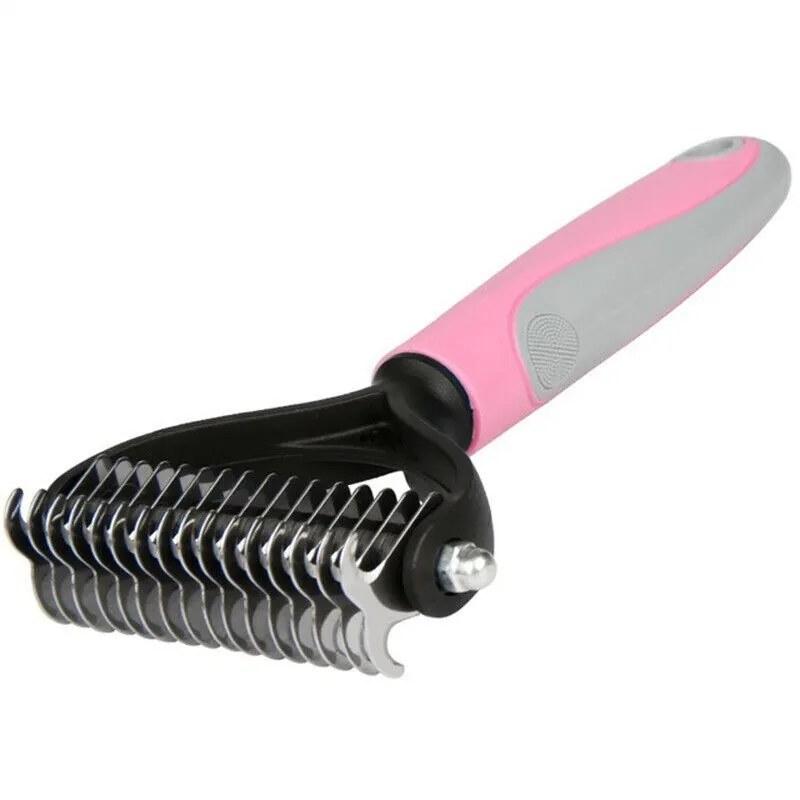
The double-sided dematting rake
The double-sided dematting rake has a 9-tooth side to work out mats and a 17-tooth side to remove undercoat. The teeth have rounded tips.
- Best for: thick-coated or double-coated cats who shed a lot.
- Size: 17.2 x 9 x 2.7 cm.
- Good to know: brush gently, with the fur, without pulling. Keep it for later with a cat who doesn't like the brush yet.
Want a complete set? The Pink Grooming Set brings several of our tools together, and our Home grooming page helps you get equipped.
Which one should you choose?
- Runs the moment they see a brush? The grooming glove: to them, it's just petting.
- Rubs on every furniture corner? The corner self-groomer, alongside your sessions.
- Starting to accept it, short or medium coat? The avocado brush, small and easy to empty.
- Long hair and tangles? The double-row comb, to detangle gently.
- Sheds like crazy? The dematting rake, once they trust you.
And if hair still piles up, our article on how to get rid of cat hair in the house gives you a simple plan.
Frequently asked questions
How do you brush a cat that bites or scratches?
Stop at the first signs of irritation, switch to a gentler tool like a glove and keep sessions very short, in the spots they like being petted. Never hold them down.
How often should you brush a cat?
A short-haired cat can be brushed once or twice a week. A long-haired cat often needs a few minutes almost every day, especially during shedding season.
Why does my cat like being brushed on the back but not the belly?
The belly is a vulnerable spot for most cats. Respect their preference: brush the back and sides, and leave the belly for later, when they're very relaxed.
Do short-haired cats need brushing?
Yes. Light brushing picks up loose hair and lets you check their skin and coat. A glove or a small soft brush is often enough.
What if my cat has mats stuck to the skin?
Never cut them with scissors, since a cat's skin is easy to injure. Ask a groomer or your veterinarian for help.